
Selecting the right mirror wall hanging is one of the most effective design strategies for visually expanding a compact Singapore home. In high-density living spaces like HDB flats and condominiums, limited square footage can sometimes feel restrictive. A strategically placed mirror acts as an optical illusion, bouncing ambient light deeper into dark corners and creating the sensation of an extra room. However, achieving this spatial transformation requires more than simply hanging any reflective surface on the wall. It demands a careful evaluation of design geometry, frame profiles, glass quality, and secure mounting systems tailored to local wall structures.
To make a small room feel genuinely spacious, you must understand how different mirror designs interact with light and architectural lines. By focusing on specific physical characteristics and structural quality metrics, you can select a mirror that not only enhances your interior decor but also stands up to the unique environmental conditions of Singapore’s climate.
Identify Design Features That Maximize Space Illusion
The scale of a mirror wall hanging relative to your room’s dimensions is the most critical factor in establishing a successful spatial illusion. A mirror that is too small creates a fragmented “postage stamp” effect, which actually draws attention to the limited boundaries of the wall. To maximize the feeling of openness, choose a mirror that covers approximately two-thirds to three-quarters of the width of the furniture below it, such as a console table, sideboard, or sofa. Large-format mirrors cover more visual field, tricking the brain into perceiving a continuous, uninterrupted space rather than a solid wall.
Products mentioned in this guide
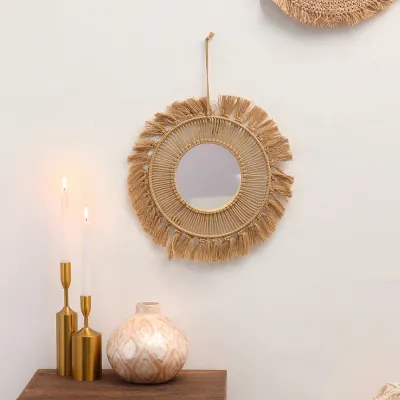
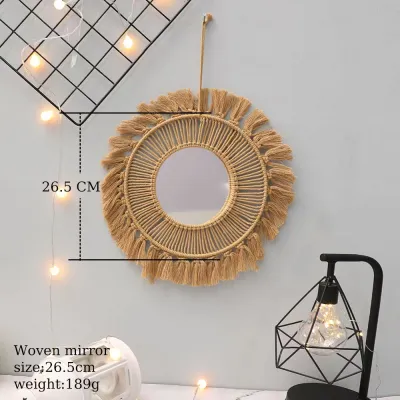
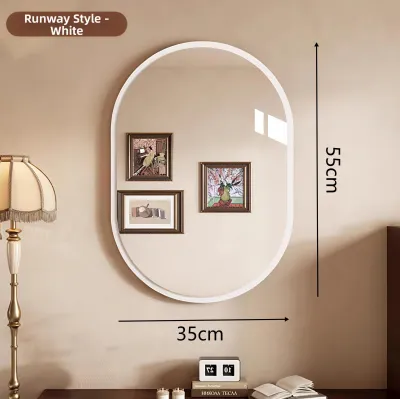
Prices are valid at publication and may change. Please refer to the product page for the latest price.
Frame thickness and material choice heavily influence the visual weight of the mirror. For a seamless, space-enlarging effect, minimalist frames are highly effective. Ultra-thin metal frames made of aluminum or slim brass provide a clean border that defines the mirror without cluttering the wall. Frameless mirrors, particularly those with flat polished or subtly beveled edges, offer the most dramatic spatial expansion. Because they lack a distinct border, the reflection blends directly into the surrounding wall, making the physical boundary of the room seem to disappear entirely.
Different geometric shapes interact with room proportions in distinct ways. Tall, rectangular, or arched mirrors are excellent for rooms with standard or low ceilings, as they draw the eye upward and emphasize vertical volume. This vertical stretch makes compact living rooms or narrow entryways feel loftier. Conversely, round or oval mirrors soften the sharp, boxy angles common in modern HDB layouts. A large round mirror breaks up rigid architectural lines, making tight dining alcoves or study corners feel more organic, fluid, and open.
Reflection integrity is paramount when using mirrors to simulate depth. Cheap, thin glass is prone to flexing within its frame, resulting in a distorted “funhouse” reflection that instantly ruins the illusion of distance and can cause visual fatigue. High-quality decorative mirrors utilize float glass with a thickness of at least 5mm to 6mm. This thickness ensures a perfectly flat surface, providing a crisp, true-to-life reflection that accurately duplicates the room’s depth and maximizes the efficiency of light bouncing across the space.
Evaluate Brand Reliability and Build Quality
When shopping for a mirror wall hanging, look for brands that maintain high material transparency. Reliable manufacturers explicitly state the specifications of their products, including the exact thickness of the glass, the type of backing material used, and the edge-finishing process. High-quality mirrors typically feature a multi-layered backing, often consisting of a protective silver reflective layer, a copper barrier film, and multiple coats of protective paint. Avoid brands that do not disclose these specifications, as they often use thin, single-coated glass that is highly susceptible to damage.

Singapore’s tropical climate, characterized by high relative humidity levels that often exceed 80%, poses a significant threat to mirror longevity. Moisture in the air can seep behind the glass and react with the silver backing, causing oxidation. This chemical breakdown leads to “desilvering,” which appears as unsightly black spots or peeling edges around the perimeter of the mirror. To prevent this, look for brands that specify the use of copper-free silver mirrors or those with moisture-resistant backing materials, such as sealed medium-density fiberboard (MDF) or high-impact polystyrene, which protect the delicate reflective layers from humid air.
Structural safety is directly tied to the quality of the integrated mounting hardware. A reliable mirror brand will supply or pre-install heavy-duty mounting fixtures, such as reinforced D-rings, steel wire, or aluminum French cleat systems. The manufacturer should clearly state the maximum load-bearing capacity of these fixtures. Avoid mirrors that rely on simple adhesive pads or flimsy, unrated metal tabs glued directly to the back of the glass, as these can fail over time under the weight of thick glass, leading to dangerous falls.
Finally, evaluate the warranty terms offered by the brand or retailer. A reputable manufacturer should provide a warranty that specifically covers structural defects, joint separation in the frame, and premature desilvering or clouding of the glass. A warranty period of 1 to 2 years is standard for high-quality decorative mirrors. This coverage provides peace of mind that the materials used are engineered to withstand daily environmental exposure without degrading in appearance or safety.
Plan Layout and Safe Installation for Compact Homes
To double the visual depth of a compact room, position your mirror wall hanging directly opposite a natural light source, such as a window or a balcony sliding door. This placement allows the mirror to capture incoming daylight and bounce it deep into the interior, instantly brightening dark corners and making the entire room feel more expansive. If natural light is limited, hanging the mirror opposite a key focal point—such as a beautiful piece of art, a statement light fixture, or an indoor plant—creates a pleasing visual repetition that enhances the room’s aesthetic depth.
Height and alignment are crucial for maintaining comfortable sightlines in narrow hallways or small living areas. As a general rule of thumb, the center of the mirror should hang at average eye level, which is approximately 140cm to 150cm from the floor. In tight transit zones like entryways, ensure the mirror is mounted completely flush against the wall to prevent accidental bumps. Avoid positioning mirrors where they directly reflect cluttered areas, such as open shoe racks or utility zones, as this will double the visual clutter and make the space feel more cramped.
Before drilling, you must identify the construction of your wall to select the correct mounting anchors. Most Singapore HDB flats feature structural concrete walls or precast internal partition walls, while newer condominiums may use drywall partitions. Concrete walls require a hammer drill, masonry drill bits, and heavy-duty plastic wall plugs or metal expansion anchors to securely hold the weight of a heavy mirror. For drywall partitions, standard plastic plugs are unsafe; you must use specialized toggle bolts or hollow-wall anchors that expand behind the plasterboard to distribute the weight safely.
While many medium-sized mirrors can be installed as a weekend DIY project, certain conditions require professional assistance. If your chosen mirror weighs more than 15kg, features an oversized or irregular shape, or needs to be mounted on a high wall, it is best to hire a qualified professional installer. Professional handymen have the specialized tools and experience to locate wall studs, drill precisely into tough concrete, and ensure the mirror is perfectly level and structurally secure, eliminating the risk of costly damage or injury.
Execute a Pre-Purchase Checklist and Choose Sourcing Channels
Before finalizing your purchase, it is essential to verify how the mirror will fit into your physical space. Use low-tack painter’s tape to mock up the exact dimensions of the mirror on your target wall. Leave the tape outline in place for a few days to help you visualize the mirror’s footprint from different angles in the room. This step ensures the mirror will not block light switches, interfere with air conditioning airflow, or obstruct the swing path of nearby doors and cabinet panels.
When choosing where to buy, prioritize official brand websites, authorized local showrooms, or established online marketplaces that offer comprehensive transit damage guarantees. Because glass is highly fragile, ensure the seller provides clear S$ refund conditions or immediate replacement policies if the mirror arrives cracked, chipped, or damaged during delivery. Reading customer reviews specifically regarding packaging quality can give you valuable insight into how well the merchant protects fragile items during transit.
Additionally, do not forget to check the delivery package dimensions against the physical constraints of your building. Measure your apartment’s elevator door width, internal cabin height, and the clearance of your main entrance doorway. Large, oversized mirrors are often packed in bulky wooden crates or thick cardboard boxes that may not fit into standard HDB passenger lifts. Verifying these dimensions beforehand prevents delivery delays and avoids unexpected surcharges for manual carrying up stairwells.
Frequently Asked Questions (FAQ)
How do I clean a decorative wall mirror without damaging the frame?
To clean your mirror safely, never spray liquid glass cleaners directly onto the glass surface. The liquid can run down the face of the mirror and pool inside the bottom edge of the frame, where it can seep into the backing and cause desilvering or rot the frame material. Instead, spray a small amount of water or a specialized, ammonia-free glass cleaner onto a clean, lint-free microfiber cloth. Gently wipe the glass in a circular motion, then use a dry section of the cloth to buff away any remaining streaks. For delicate wood, metal, or ornate plaster frames, use a dry, soft-bristled brush or a static duster to remove dust without applying moisture or harsh chemicals.
Can a mirror wall hanging make a dark room feel brighter?
Yes, a mirror can significantly enhance the brightness of a dim room by capturing and redirecting existing light. When placed adjacent to or opposite a window, a mirror reflects natural daylight into darker areas of the room. You can also position a mirror to reflect artificial light sources, such as floor lamps, wall sconces, or pendant lights, to amplify their output. However, it is important to recognize that mirrors do not generate light on their own. In a room with zero natural light or very weak artificial lighting, a mirror will simply reflect the dark surroundings; therefore, strategic placement near an active light source is essential to achieve a brighter, more open feel.

Community discussion
Share your experience or ask a question. Comments are reviewed before publication.