
A reliable high lumen torch is a critical component of any household emergency kit, but selecting the right one for an HDB flat requires balancing maximum brightness with battery longevity, safe storage, and practical handling in compact living spaces. In Singapore’s high-density housing, an emergency light is not just for finding lost items during a minor blackout; it is a vital tool for navigating dark stairwells during localized power outages or managing household emergencies. Rather than buying the cheapest high-lumen option on an online marketplace, you must evaluate how a torch handles heat, manages its battery, and stands up to long-term storage in our humid climate.
Selecting a torch based solely on the highest number printed on the box often leads to disappointment. High-power portable lights require sophisticated engineering to operate safely and effectively. By understanding the technical specifications, safety standards, and practical features that matter most in a residential setting, you can build a reliable emergency kit that performs flawlessly when the power goes out.
Key Selection Criteria for HDB Emergency Torches
When evaluating a high lumen torch, the first specification most buyers look at is the maximum lumen output. However, in portable lighting, extreme brightness always comes with a trade-off in runtime and heat generation. A torch operating at 2,000 lumens will drain its battery rapidly and generate intense heat, often forcing the internal electronics to automatically step down the brightness to a fraction of its peak output within minutes. For HDB emergency kits, it is far more practical to look for a torch that offers a sustainable medium setting of 150 to 300 lumens for several hours, rather than one that boasts an unsustainable peak output it can only maintain for a few seconds.
Products mentioned in this guide
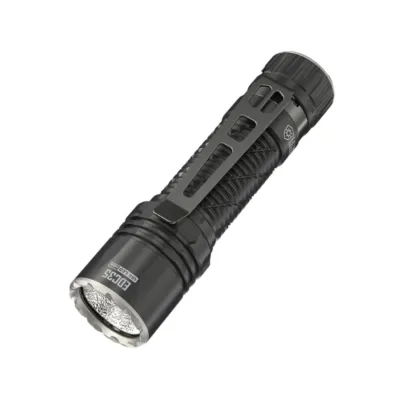
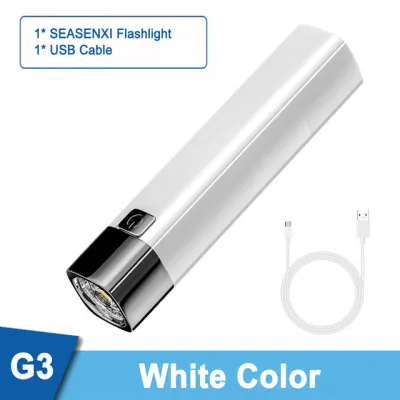
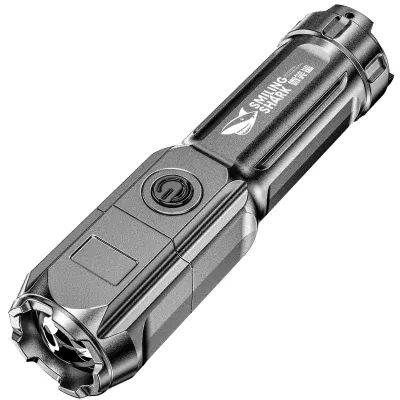
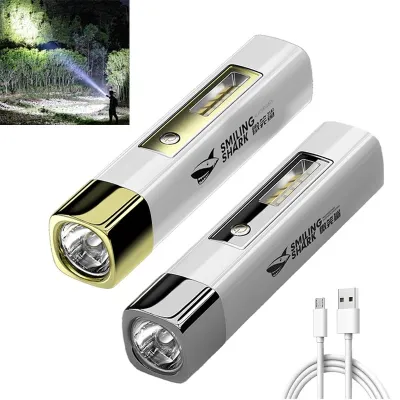
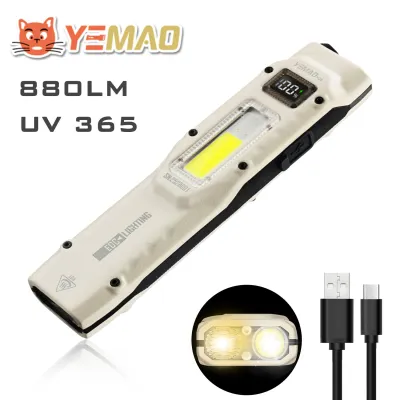
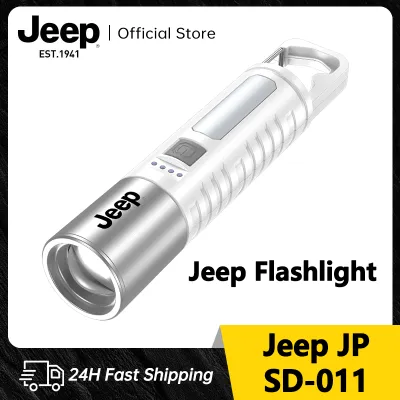
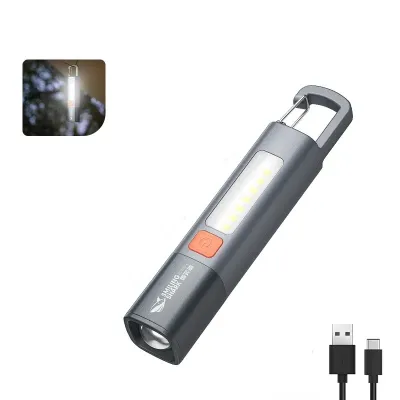
Prices are valid at publication and may change. Please refer to the product page for the latest price.
Battery chemistry is another critical factor that dictates the reliability of your emergency light after months of storage. Traditional alkaline batteries (such as AA or AAA cells) are inexpensive and easy to source, but they carry a high risk of leaking corrosive potassium hydroxide over time. This leakage can permanently ruin the internal contacts of an expensive torch. Singapore’s warm, humid climate accelerates this chemical degradation, making alkaline batteries a risky choice for long-term standby storage.
In contrast, rechargeable lithium-ion batteries (such as 18650 or 21700 cells) offer significantly higher energy density, stable voltage output, and better resistance to temperature fluctuations. However, lithium-ion cells experience a natural phenomenon known as self-discharge, where they slowly lose their stored energy even when the torch is turned off. To ensure your emergency kit is ready when needed, rechargeable torches require a disciplined maintenance schedule, involving a quick charge check every three to six months. Alternatively, some users prefer nickel-metal hydride (NiMH) rechargeable batteries, which feature very low self-discharge rates and do not leak, though they operate at a lower voltage than lithium-ion cells.
Physical dimensions and weight also play a major role in how usable a torch is during an emergency. A torch stored in an HDB household shelter or utility closet must be compact enough to be grabbed quickly, yet large enough to dissipate heat effectively. Extremely small keychain lights lack the surface area to cool high-output LEDs, causing them to become uncomfortably hot to hold. Conversely, heavy searchlights can be difficult for children or elderly family members to carry if you need to evacuate down multiple flights of concrete stairwells during an emergency. A mid-sized cylindrical torch, roughly the length of a marker pen, typically offers the best balance of thermal management, battery capacity, and portable comfort.
Evaluating Brand Reliability and Safety Standards
Because the portable lighting market is flooded with unbranded products making exaggerated performance claims, verifying safety credentials and manufacturing standards is essential. Reputable brands voluntarily test their products against international standards, most notably the ANSI/PLATO FL 1 standard. This protocol defines specific testing methods for brightness, runtime, beam distance, impact resistance, and water resistance. When comparing torches, look for the official ANSI FL 1 icons on the packaging or manufacturer website; the absence of these standardized ratings is a strong indicator that the advertised specifications are unverified marketing claims.

Electrical safety and thermal management are paramount when dealing with high-output LED torches. High lumen output requires a significant amount of electrical current, which generates substantial heat at the LED emitter. Quality brands design their torches with robust copper or aluminum heat sinks and integrate active thermal regulation (ATR) or advanced temperature regulation systems. These smart drivers monitor the internal temperature of the torch and automatically reduce the current when the device gets too hot. This prevents the outer casing from causing skin burns and protects the internal lithium-ion battery from thermal runaway, a dangerous state that can lead to battery swelling or fire.
Before purchasing, you should also verify the electrical certifications of any integrated charging systems. Torches with built-in USB charging ports should comply with international safety standards such as CE, FCC, and RoHS. These certifications ensure that the internal charging circuit safely manages the voltage and current limits, preventing overcharging or short circuits. When charging your torch, always use the manufacturer-specified cable and a certified power adapter, and avoid leaving lithium-ion batteries charging unattended on flammable surfaces like beds or sofas.
Finally, consider the availability of local support and warranty terms in Singapore. Premium torch brands typically offer warranties ranging from two to five years. Purchasing from an authorized local distributor ensures that if a switch fails, a charging port breaks, or a battery degrades prematurely, you can access a physical service center for repairs or replacements. Relying on parallel imports or unbranded items often means you have no recourse if the product fails during a critical moment.
Practical Features for Power Outages and Emergencies
During a prolonged blackout in an HDB flat, a torch with only a single, ultra-bright mode is highly impractical. It will blind you with intense glare off light-colored concrete walls and drain the battery within an hour. A truly useful emergency torch must feature multiple brightness levels, including a low or “eco” mode of 5 to 15 lumens. This low setting is more than sufficient for reading emergency instructions, navigating a dark hallway, or conserving battery power over several days of intermittent use.
Specialized lighting modes can also enhance usability in specific emergency scenarios. A dedicated red-light mode is highly beneficial because red light does not disrupt your eyes’ natural adaptation to the dark, allowing you to read maps or tend to household tasks without losing your night vision. It is also less disruptive to other family members who may be trying to sleep. While strobe and SOS modes are rarely needed inside a flat, they can be valuable for signaling emergency services from a window or balcony if you are trapped or require urgent assistance.
Ingress Protection (IP) ratings indicate how well a torch is sealed against dust and moisture. For indoor HDB use, a basic IPX4 rating, which protects against splashes of water from any angle, is generally sufficient. However, Singapore’s tropical climate is prone to sudden, torrential downpours. If an emergency requires you to evacuate your building and walk through heavy rain to a designated assembly point, a torch with an IPX7 or IPX8 rating is highly recommended. These ratings guarantee that the torch can withstand complete submersion in water, ensuring it remains fully operational even in the harshest weather conditions.
Additionally, consider the physical design of the torch body. An emergency light should have an anti-roll design, typically achieved through a flat surface on the bezel or a hexagonal body shape, to prevent it from rolling off tables or shelves when set down. A tail-stand capability—the ability of the torch to stand upright on its flat tailcap—is incredibly useful during a power outage. By standing the torch upright and pointing the beam at a white ceiling, you can create a soft, diffused ambient light that illuminates an entire room, a technique known as “ceiling bouncing.”
Building Your Shortlist: What to Check Before Buying
To build a reliable shortlist of high lumen torches for your HDB emergency kit, you should create a systematic checklist to filter out substandard products. Start by cross-referencing manufacturer specifications with independent user reviews and enthusiast forums. Look for runtime graphs that show how the torch performs over time. A quality torch will show a gradual, controlled step-down in brightness as the battery drains, whereas a poorly engineered model will drop off precipitously or shut down unexpectedly due to overheating.
Confirm the battery compatibility and charging interface of your chosen models. Standardizing your emergency gear around a common charging standard, such as USB-C, simplifies preparation. Torches with integrated USB-C ports allow you to recharge the light using the same cables and portable power banks you use for your mobile phone. If you opt for a torch with a removable lithium-ion battery, ensure the battery interface uses standard button-top or flat-top cells rather than proprietary designs, which can be difficult and expensive to replace when the battery eventually degrades.
Be vigilant against common red flags when browsing online marketplaces. Any torch claiming tens of thousands of lumens for a price under S$30 is almost certainly using fake specifications. High-quality, high-output LEDs and advanced driver circuits require precision manufacturing that cannot be sold at bargain-basement prices. Other red flags include the lack of a physical or electronic lockout feature. A lockout feature is essential for emergency kits; it prevents the torch from accidentally turning on inside a bag or drawer, which can drain the battery completely or generate enough heat to melt nearby plastics and start a fire.
Finally, evaluate the color temperature of the LED, which is a matter of conditional preference rather than absolute performance. Cool white light (around 6000K) often appears brighter and more intense, making it useful for outdoor searching. However, neutral white or warm white light (around 4000K to 5000K) offers much better color rendering and is far easier on the eyes during indoor use, helping you distinguish colors and details more accurately in smoky or dusty environments. Choose the color temperature that best matches your family’s comfort and intended usage.
Frequently Asked Questions (FAQ)
How many lumens are actually needed for an HDB flat?
For indoor navigation and general tasks during an HDB blackout, a torch output of 100 to 300 lumens is more than sufficient. When pointed at a light-colored ceiling, this level of brightness can comfortably illuminate a standard living room without causing uncomfortable glare. While having a maximum output of 1,000 lumens or more is useful for outdoor evacuations or signaling, you should prioritize torches that allow you to adjust the brightness down to lower levels to conserve battery life during prolonged power outages.
Should I keep batteries inside the torch for long-term storage?
If your emergency torch uses disposable alkaline batteries, you should always store them outside the torch to prevent corrosive leaks from destroying the electrical contacts. For torches utilizing rechargeable lithium-ion batteries, the battery can remain inside the device, but you must engage the physical lockout by unscrewing the tailcap a quarter turn, or activate the electronic lockout mode. This prevents parasitic drain from slowly emptying the battery over months of non-use. Set a recurring calendar reminder every six months to check the charge level and top up the battery to ensure it is ready for any emergency.

Community discussion
Share your experience or ask a question. Comments are reviewed before publication.