
Choosing the ideal tea light holder material for scented wax melts is not a matter of finding a single universal winner, but rather matching the material’s thermal properties to your personal fragrance preferences and home environment. The rate at which a material absorbs, retains, and transfers heat directly dictates how quickly your wax melts, how intensely the fragrance is released, and how long the scent throw lasts.
Ceramic, glass, and metal each interact with the flame of a tea light in distinct ways, creating different heating profiles that suit different types of wax and room sizes. By understanding these physical characteristics, you can select a burner that maximizes your home fragrance experience while maintaining a safe, controlled burn.
Thermal conductivity is the primary physical principle governing how wax melt burners operate. Materials with high thermal conductivity, such as metals, transfer heat from the tea light flame to the wax pool almost instantly, resulting in a rapid melt and a sudden, intense burst of fragrance.
Products mentioned in this guide
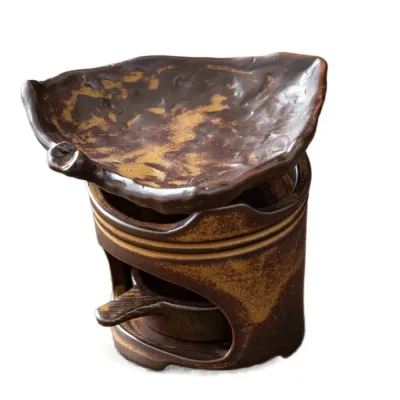
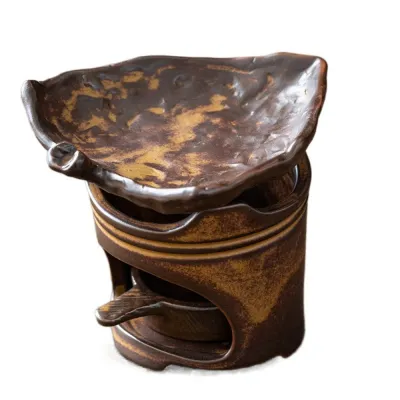
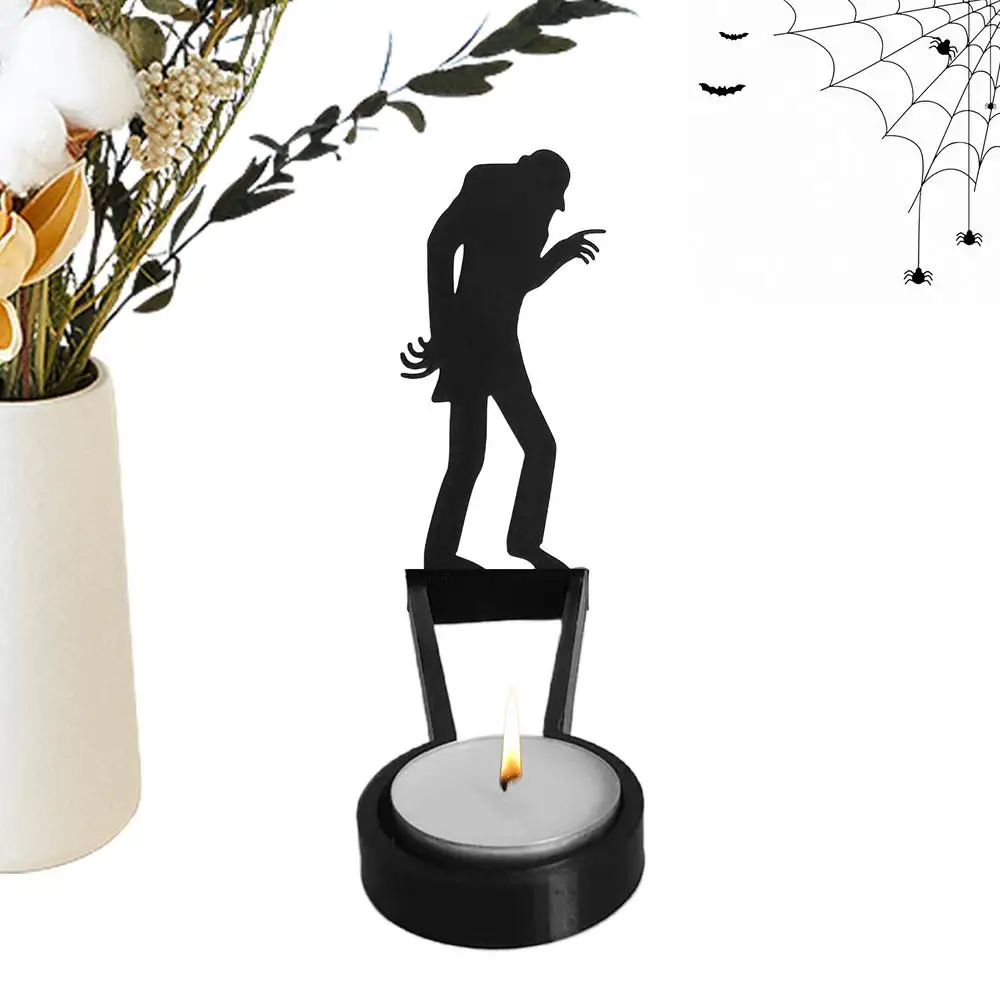
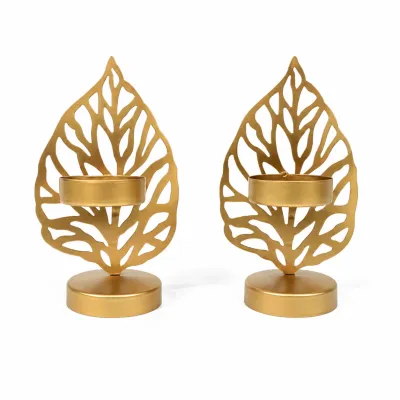
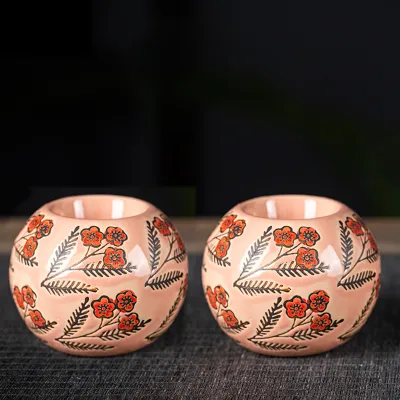
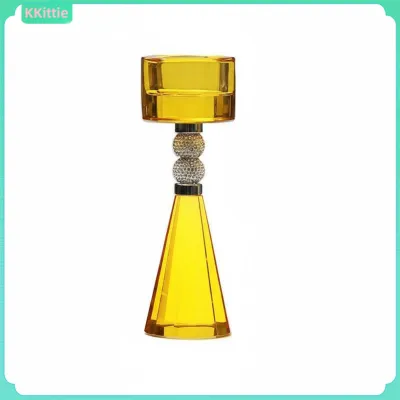
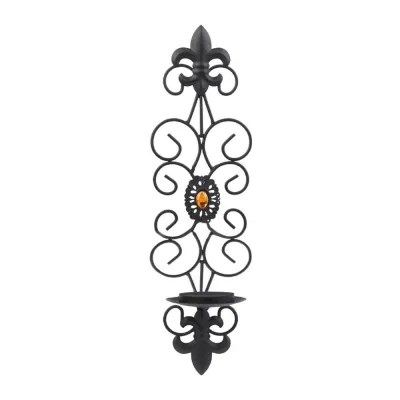
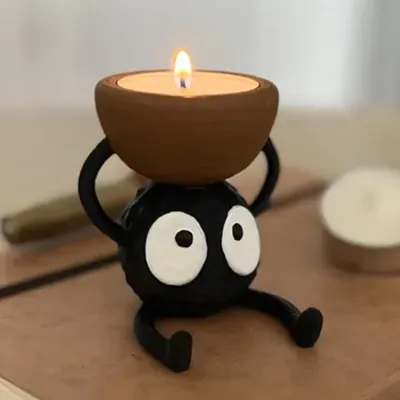
Prices are valid at publication and may change. Please refer to the product page for the latest price.
Conversely, materials with lower thermal conductivity, like thick ceramics, act as thermal buffers. They absorb heat slowly, distribute it evenly across the dish, and retain that warmth long after the flame is extinguished, leading to a more gradual and sustained scent release.
Beyond the material itself, the physical design of the tea light holder plays a critical role in heat distribution. The distance between the top of the tea light flame and the bottom of the wax dish is a key variable; if this gap is too narrow, the wax can overheat, scorching the fragrance oils and producing a burnt smell rather than a pleasant aroma.
The depth and surface area of the wax dish also matter, as a wide, shallow dish allows for faster evaporation of fragrance molecules, while a deeper, narrower dish concentrates the heat and slows down the scent release. This structural balance ensures that the wax reaches its optimal melting point without burning.
When selecting a burner, it is essential to check the manufacturer’s specifications regarding maximum wax capacity and recommended tea light sizes. Using a tea light that is too large or has a high flame can overwhelm a small burner, leading to excessive heat buildup, potential cracking of the holder, or even flashover of the wax.
Always ensure the burner is rated specifically for wax melts rather than just general decorative use. Decorative holders may not be engineered to withstand the sustained thermal stress of a burning candle directly beneath a shallow dish.
Comparing Common Tea Light Holder Materials
To make an informed decision, you must evaluate how different materials behave under constant thermal exposure. The three most common materials found in retail stores and online marketplaces are glass, ceramic, and metal, each offering a unique balance of aesthetic appeal, heat distribution, and durability.
While these materials are widely available, their performance is highly dependent on specific manufacturing details such as material thickness, the presence of protective glazes, and the overall structural design. A thin, unglazed ceramic burner will behave very differently from a thick, double-glazed stoneware piece, just as a delicate blown-glass holder will have different safety and heating profiles compared to heavy, pressed borosilicate glass.
Glass Tea Light Holders
Glass tea light holders are highly favored for their exceptional light transmission and modern, minimalist aesthetic. When a tea light is lit inside a glass burner, the flame casts a warm, flickering glow throughout the room, enhancing the visual ambiance of your living space.
This transparency allows you to monitor the flame height and the condition of the tea light easily, adding a layer of visual convenience to your home fragrance routine. It also makes it simple to see when the candle is nearing the end of its burn time.
However, glass is highly susceptible to thermal shock, which occurs when the material experiences rapid, uneven temperature changes. If a cold draft from an air conditioner hits a hot glass burner, or if you place a hot glass holder onto a cold marble countertop, the sudden contraction of the material can cause it to shatter or crack.
To prevent thermal shock, always operate glass burners in draft-free areas and allow them to cool completely to room temperature before cleaning or moving them. Avoid placing them on cold or damp surfaces while they are still warm.
Before every single use, it is crucial to perform a quick visual inspection of your glass tea light holder. Look closely for micro-cracks, deep scratches, or signs of heat stress, particularly around the areas closest to the flame and the bottom of the wax dish.
Even a tiny, barely visible crack can expand rapidly under the heat of a tea light, leading to a sudden structural failure. This can spill hot wax and create a serious safety hazard in your home.
Ceramic Tea Light Holders
Ceramic is the traditional and most popular material for wax melt burners, valued primarily for its excellent heat retention and steady warming speed. Because ceramic is a relatively poor conductor of heat compared to metal, it warms up gradually, allowing the wax melt to liquefy slowly and release its fragrance oils in a controlled, long-lasting manner.
The thickness of the ceramic walls and the type of glaze applied to the surface play major roles in this process. Thicker stoneware retains heat longer, keeping the wax molten even after the tea light has been extinguished, which extends the scent throw without consuming more fuel.
When shopping for a ceramic holder, you must verify that the item is explicitly rated for direct heat or candle use. Some decorative ceramic pieces are intended solely for holding dry items or LED lights; these may use low-fire clays or glazes that can crack, craze, or release unpleasant fumes when exposed to an open flame.
High-quality ceramic burners are typically made from stoneware or porcelain fired at high temperatures, ensuring they can safely withstand the localized heat of a tea light. Investing S$15 to S$30 in a dedicated ceramic burner ensures both safety and durability.
Additionally, inspect the physical construction of the ceramic burner, paying close attention to the stability of the base and the levelness of the wax dish. An uneven base can cause the burner to wobble or tip over easily, while a tilted wax dish will lead to uneven wax pooling.
When wax pools on one side of the dish, the shallower side can overheat and scorch, while the deeper side remains unmelted. This results in poor fragrance throw and inefficient use of your wax melts.
Metal Tea Light Holders
Metal tea light holders, often constructed from iron, brass, copper, or stainless steel, are known for their rapid heat transfer and exceptional durability. Because metals conduct heat highly efficiently, a metal burner will liquefy your wax melts much faster than glass or ceramic.
This rapid heating provides an almost instantaneous burst of fragrance that is ideal for quickly scenting a large room. This makes metal an excellent choice for those who prefer a strong, immediate scent throw rather than a slow, lingering aroma.
However, this high thermal conductivity means that the entire exterior surface of a metal burner can become extremely hot during use. To protect your furniture, shelves, or countertops from heat damage, warping, or discoloration, you must always place a metal holder on a heat-resistant base, coaster, or silicone pad.
Never attempt to touch, move, or adjust a metal burner while the tea light is lit. The intense heat can easily cause burns to your skin, so always wait for the metal to cool completely before handling.
Over time, repeated heating and cooling cycles can take a toll on metal burners, making regular maintenance inspections necessary. Check the burner periodically for signs of coating degradation, rust, or structural warping, especially if the burner is used in humid environments.
If the protective paint or powder coating begins to peel or blister, it can emit unpleasant chemical odors when heated. Warped metal can also compromise the stability of the wax dish, indicating that it is time to replace the holder.
Safety Boundaries and Maintenance for Wax Melt Burners
Operating any candle-based fragrance system requires strict adherence to safety boundaries to prevent accidental fires, burns, or property damage. One of the most critical skills for any wax melt enthusiast is recognizing the early signs of overheating.

If you notice thin wisps of white smoke rising from the wax dish, or if the wax begins to bubble vigorously, the wax has reached an excessively high temperature. This not only degrades the fragrance oils rapidly but also brings the wax closer to its flashpoint.
If this occurs, extinguish the tea light immediately using a candle snuffer and let the system cool. Consider switching to a taller burner or a smaller tea light to reduce the heat intensity.
When it comes to extinguishing a tea light or cooling down a hot burner, water must never be used. Pouring water onto hot wax can cause a violent reaction similar to a grease fire, where the water instantly vaporizes, splattering hot wax and steam in all directions.
Similarly, splashing cold water onto a hot ceramic or glass burner to cool it down quickly will almost certainly cause the material to shatter due to thermal shock. Instead, use a proper candle snuffer to extinguish the flame, and allow the wax and the holder to cool down naturally at room temperature.
Establishing clear stop conditions is vital for maintaining a safe home environment. You should immediately discontinue the use of and discard any tea light holder that shows visible signs of structural compromise.
This includes any cracks in glass or ceramic, deep crazing in ceramic glazes that allows wax to seep into the porous clay, severe warping or rust on metal frames, or a loose, unstable connection between the burner’s body and its base. Trying to squeeze a few more uses out of a damaged burner is a major safety risk that can easily lead to spilled wax, ruined furniture, or a household fire.
Matching the Holder to Your Fragrance Intensity Preference
To get the most out of your home fragrance collection, you can strategically match your tea light holder’s material and design to your desired scent intensity and the size of your room. For smaller, enclosed spaces like a home office or a compact bedroom, a tall ceramic burner with a deep dish is often the best choice.
The height of the burner keeps the flame further from the wax, resulting in a gentle, low-temperature melt. This releases a subtle, continuous aroma that won’t overwhelm the small space.
In contrast, if you want to fill a large, open-plan living area or a room with high ceilings, a shorter metal or thin glass burner is highly effective. These designs allow the heat to reach the wax quickly and maintain a higher temperature.
This creates a wide, fully liquefied wax pool that maximizes the evaporation of fragrance oils for a powerful, far-reaching scent throw. Keep in mind that while this approach delivers a highly intense aroma, it will also exhaust the fragrance oils in the wax melt much faster, requiring you to replace the melt more frequently.
You can also manage the heat output and scent profile by carefully selecting your tea lights and controlling your burn times. Standard four-hour tea lights are generally recommended for most burners, as they provide a predictable, moderate heat output.
Avoid using larger eight-hour tea lights or deep-cup tea lights unless your burner’s manufacturer explicitly states it is safe to do so. These can generate excessive heat over a prolonged period, potentially damaging both the burner and the delicate scent molecules in your wax.
By adjusting your setup based on the specific wax formulation—such as soy wax, which melts at a lower temperature, versus paraffin wax, which requires slightly more heat—you can fine-tune your home fragrance experience to perfection.
Frequently Asked Questions (FAQ)
Can I use a regular tea cup or bowl as a wax melt holder?
No, you should never use standard household tea cups, mugs, or bowls as wax melt burners. Everyday dinnerware is designed to hold hot liquids, but it is not engineered to withstand the intense, highly localized heat of an open candle flame burning directly beneath or inside it. Without proper thermal testing, a regular ceramic or glass cup can easily crack, shatter, or explode under the thermal stress, spilling hot wax and creating an immediate fire hazard. Always use holders specifically manufactured and rated for wax melt or candle use.
Does the color of the tea light holder affect the wax melting process?
While the color of a tea light holder can influence its aesthetic appeal, it has a negligible effect on the actual wax melting process. In theory, darker colors absorb slightly more radiant heat from the flame, while lighter colors reflect it, but in practice, this difference is entirely overshadowed by the physical properties of the material itself. The thickness of the burner walls, the distance between the flame and the dish, and the thermal conductivity of the material are the primary drivers of heat distribution and melting performance, making color a purely decorative choice.
How do I safely remove hardened wax from different holder materials?
To safely remove hardened wax without damaging your burner, avoid using sharp metal knives or scrapers, which can scratch glass, chip ceramic glazes, or strip protective coatings from metal. For glass and ceramic burners, the easiest method is to light a tea light underneath for about thirty seconds to a minute; this slightly warms the very bottom of the wax pool, allowing the hardened wax disc to slide out in one clean piece. For metal burners, you can often place the cooled dish in the freezer for ten minutes, causing the wax to contract and pop out easily, after which you can wipe the surface clean with a soft paper towel.

Community discussion
Share your experience or ask a question. Comments are reviewed before publication.