
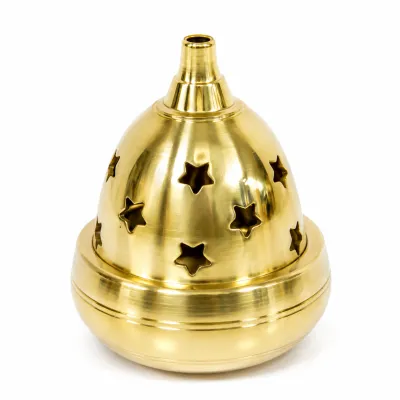
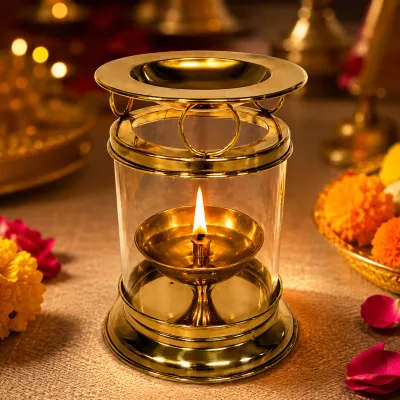
Covered diya lamp designs are highly suitable for Hungry Ghost Festival (7th Month) altar offerings because they protect the sacred flame from outdoor wind, sudden rain, and falling debris while maintaining a steady, respectful burn. In Singapore, where altars are often set up in outdoor common areas, HDB void decks, or roadside offering sites, choosing a lamp with a secure, ventilated lid ensures the flame remains lit throughout the offering period. These specialized lamps combine traditional spiritual significance with practical safety features, making them an essential addition to your festival preparations.
Why Covered Diya Lamps Suit 7th Month Altars
During the Hungry Ghost Festival, also known as the Seventh Lunar Month, families and businesses set up temporary altars to pay respects to wandering spirits. These altars are traditionally placed outdoors or near entrances to welcome and appease the spirits. However, Singapore’s tropical climate presents unique challenges for open-flame offerings. Sudden evening wind gusts and passing rain showers can easily extinguish a standard open diya lamp, disrupting prayers and requiring constant monitoring.
A covered diya lamp addresses these environmental factors directly. The protective cover acts as a physical shield against unpredictable drafts, ensuring that the flame remains stable and uninterrupted. This is particularly important because, in local traditions, maintaining a continuous light on the altar is a sign of respect and guidance for the spirits. A flame that constantly flickers or goes out is often seen as undesirable, making wind resistance a key functional need.
Products mentioned in this guide
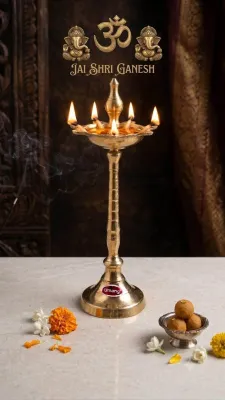
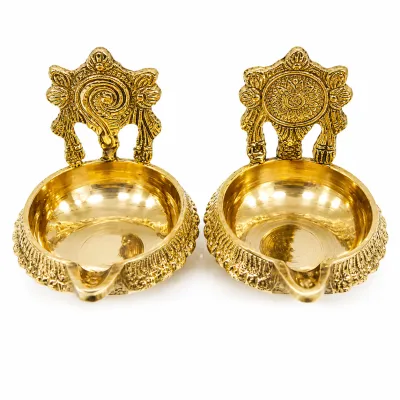
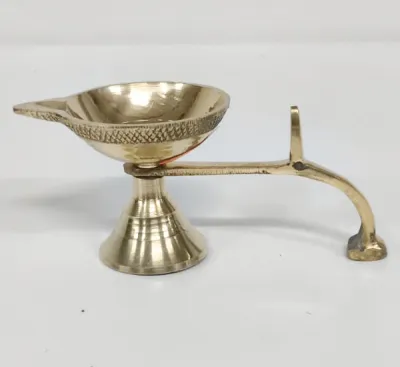
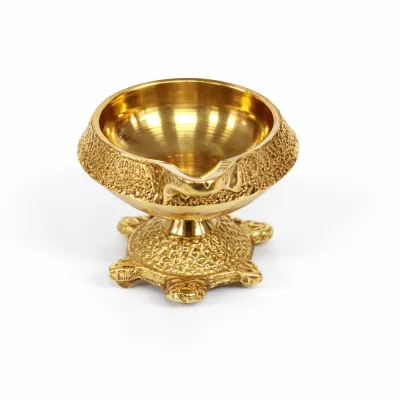
Prices are valid at publication and may change. Please refer to the product page for the latest price.
Furthermore, outdoor altars are often located near communal joss paper burners, where ash and embers drift through the air. An open oil lamp can easily collect falling debris, which can contaminate the oil or cause sudden flare-ups. A covered design prevents airborne particles and insects from falling into the hot oil reservoir. This keeps the fuel clean and ensures a safer, more predictable burn over extended offering periods.
Design Features to Check for Altar Suitability
When selecting a covered diya lamp, evaluating the physical design elements is crucial to ensure both safety and functionality on a crowded altar. The first feature to inspect is the lid and ventilation system. A proper cover must balance wind protection with adequate oxygen flow. Look for lids with dedicated ventilation holes or a raised dome structure that allows heat and smoke to escape while drawing in fresh air. If the vents are too small, the flame will suffocate from a lack of oxygen; if they are too large or poorly positioned, wind can still blow out the flame.

Base stability is another critical factor. Altar tables during the 7th Month are often packed with food offerings, incense burners, and stacks of joss paper. The tables themselves may be set up on uneven grass, pavement, or roadside gravel. A suitable covered diya must have a wide, heavy base that lowers its center of gravity, preventing it from tipping over if the table is accidentally bumped. Brass or heavy clay lamps generally offer superior stability compared to lightweight aluminum or thin glass alternatives.
Material durability and heat resistance are also vital. Traditional clay diyas are highly heat-resistant but can be porous; verify that clay options are glazed internally to prevent oil from seeping through the walls. Metal options, such as brass or bronze, are highly durable and heavy, but they conduct heat rapidly. If you choose a metal lamp, ensure it has an insulated handle or a design that allows you to lift the lid safely without burning your fingers. For glass covers, confirm they are made of borosilicate or tempered glass to withstand the intense thermal stress of a continuous flame.
If you prefer modern convenience, electrical or battery-operated covered diya lamps are also available. When choosing an electrical model, always verify the voltage compatibility and look for recognized electrical safety certifications, such as the Safety Mark, to prevent electrical hazards. For outdoor setups where fixed wiring is required, ensure all connections are rated for damp environments and that power-isolation switches are easily accessible. If you are running complex wiring or setting up temporary power boards outdoors, consult a qualified professional to handle the installation safely. Keep in mind that while traditional oil lamps offer a classic warm glow, electrical models allow you to customize the perceived color temperature and spatial effect to match your personal altar styling preferences.
Safe Placement and Flame Maintenance
Operating an open-flame covered diya lamp requires strict adherence to fire safety protocols, especially in public or shared spaces. Always place the lamp on a flat, non-combustible surface, such as a ceramic tile, a metal tray, or a concrete slab. Never place the lamp directly on paper tablecloths, plastic sheets, or wooden altar surfaces. Maintain a safe clearance of at least 30 cm from combustible offerings, paper joss, fabric decorations, and dry food packaging.
Weather conditions can change rapidly during Singapore’s monsoon seasons. While a covered diya lamp provides excellent protection against light breezes, it is not designed to withstand severe weather. During heavy downpours or intense windstorms, do not rely on the cover to keep the flame safe. Instead, temporarily move the altar setup to a sheltered area or safely extinguish the flame. Water entering a hot oil reservoir can cause the oil to splatter violently, creating a severe burn and fire hazard.
Refilling the oil reservoir requires careful handling to prevent thermal shock and spills. Never attempt to add oil to a burning lamp or one that has just been extinguished. Allow the lamp to cool completely for at least 10 to 15 minutes before removing the cover and refilling. Adding cold oil to a hot metal or glass reservoir can cause the material to crack or warp, leading to dangerous leaks. Use a small, dedicated funnel to pour the oil, and immediately wipe up any spills on the lamp or altar surface.
Supervision is the most critical aspect of flame maintenance. Never leave an active flame unattended, particularly in public housing estates, void decks, or shared corridors where children, pets, or passersby could accidentally come into contact with the hot lamp. If you must leave the altar area, ensure a family member is present to monitor the flame, or safely extinguish it before you depart.
Quick Checklist for Selection and Setup
To ensure a safe and successful setup for your Hungry Ghost Festival altar, use this quick checklist before and after your prayers:
- Pre-purchase verification: Confirm that the lid fits securely without wobbling, the base is heavy and stable, and there are no visible cracks or defects in the material.
- Pre-lighting setup: Trim the cotton wick to approximately 5mm to 8mm, fill the reservoir to no more than 80% capacity to prevent spills, and place the lamp on a stable, heat-resistant tray away from drafts.
- Post-festival care: Allow the lamp to cool completely, safely dispose of any remaining oil according to local waste guidelines (never pour oil down household drains), clean off any soot buildup, and store the lamp in a cool, dry place for future use.
Frequently Asked Questions (FAQ)
Can I use standard cooking oil instead of traditional lamp oil?
It is highly recommended to use dedicated, refined lamp oils, such as paraffin or vegetable-based lamp oils, rather than standard household cooking oil. Cooking oils have a higher viscosity and a lower smoke point, which can lead to poor wick absorption, a weak or flickering flame, and excessive soot production that quickly clogs the ventilation holes of a covered diya. Always check the manufacturer’s instructions for approved fuel types to ensure clean combustion and prevent fire hazards.
How do I prevent the lid from cracking due to heat?
Thermal shock is the primary cause of cracked lids, especially in glass or ceramic designs. Avoid exposing a hot lid to sudden temperature drops, such as placing it on a cold surface or allowing rain droplets to hit it while hot. Before lighting the lamp, inspect the lid for micro-fractures or hairline cracks; heat can cause these minor defects to expand rapidly, leading to structural failure during use.
What should I do if the flame keeps going out inside the covered diya?
If the flame repeatedly extinguishes, it is usually a sign of poor oxygen circulation or wick issues. First, verify that the ventilation holes on the lid are completely clear of soot, ash, or debris. Next, check the wick height; a wick that is too short may not draw enough oil, while one that is too long can produce excess soot that suffocates the flame. Ensure the lamp is placed in an area with gentle air circulation rather than a stagnant corner or a direct, high-velocity draft that overpowers the vents.

Community discussion
Share your experience or ask a question. Comments are reviewed before publication.