
To create a warm, inviting living room ambiance in Singapore, selecting the right floor lamp involves looking beyond aesthetics to evaluate technical specifications, material quality, and local electrical compatibility. While many international and local home decor brands offer stylish fixtures, achieving a truly cozy atmosphere depends on how effectively a lamp diffuses light, its compatibility with warm-toned bulbs, and its physical fit within typical local residential layouts. By focusing on established lighting manufacturers and authorized retailers that comply with local safety standards, homeowners can find reliable fixtures that elevate their interior design while ensuring long-term safety and performance.
The living room serves as the central hub for relaxation, entertainment, and family gatherings. Standard ceiling downlights often cast harsh, uniform shadows that can make a space feel sterile or overly bright in the evening. Introducing a well-positioned floor lamp allows you to layer your lighting, creating pockets of warmth that soften the room’s overall appearance. This guide outlines the essential features to prioritize, how to assess brand reliability, and how to adapt your lighting choices to the unique environmental and electrical conditions of Singapore homes.
Key Features to Look for in Ambient Floor Lamps
Achieving a cozy atmosphere requires a basic understanding of lighting metrics and physical design. The primary goal of ambient lighting is to mimic the soft, warm glow of natural evening light, which helps transition the mind and body into a state of relaxation. To achieve this, several technical and structural elements must work in harmony.
Products mentioned in this guide
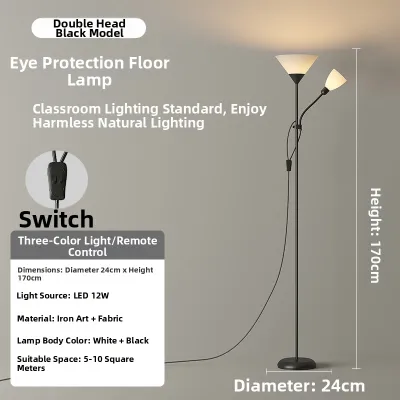
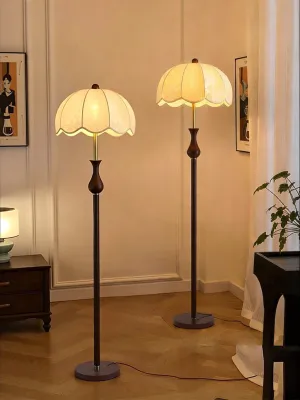
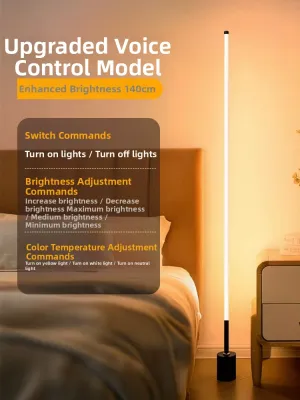
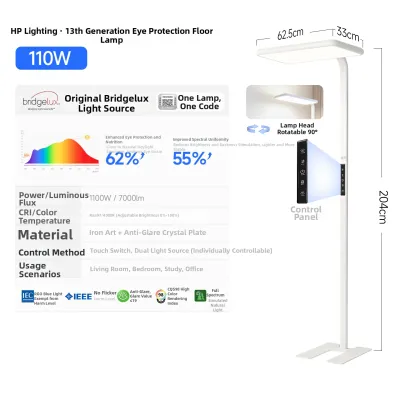
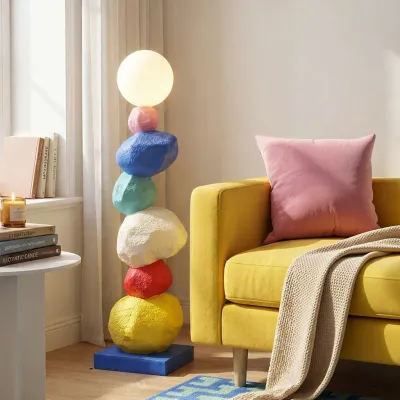
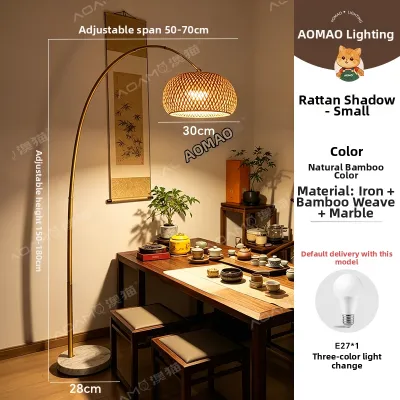
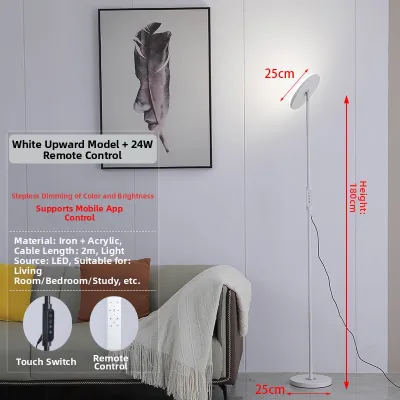
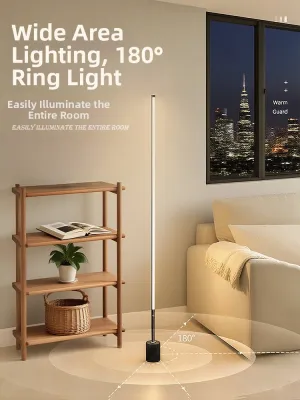
Prices are valid at publication and may change. Please refer to the product page for the latest price.
Color temperature is the most critical factor in determining the mood of a room. Measured in Kelvins (K), color temperature dictates whether a light source appears warm, neutral, or cool. For a cozy living room, look for bulbs or integrated light sources that fall within the 2700K to 3000K range, often labeled as warm white. Light in this spectrum emits a soft, golden hue that reduces eye strain and creates a welcoming environment. Avoid light sources above 4000K, which produce a cool, bluish-white light that can feel clinical and disrupt your natural sleep cycle when used late at night.
The design and material of the lampshade play a vital role in how light is distributed throughout the space. Direct, unshielded light sources create harsh glare and deep shadows, which are counterproductive to a relaxing ambiance. Shades made from natural fabrics like linen, cotton, or paper act as excellent diffusers, scattering light gently in all directions. Frosted glass or tinted acrylic shades also provide a soft, even glow. Additionally, consider the shape of the shade; drum and empire shades direct light both upward and downward, washing the walls and ceiling with soft illumination, while uplighter designs bounce light entirely off the ceiling to create an expansive, indirect glow.
Flexibility is another essential feature for modern living spaces. A floor lamp with dimming capabilities allows you to adjust the light intensity to suit different activities, from reading a book to watching a movie. If a fixture does not feature built-in dimming hardware, verify its compatibility with smart lighting systems. Many homeowners in Singapore opt to install smart LED bulbs that connect to home automation hubs via Wi-Fi or Zigbee protocols. This integration enables you to adjust brightness levels and even fine-tune the color temperature dynamically using a smartphone application or voice commands.
Finally, pay close attention to the bulb type and its Color Rendering Index (CRI). Light-emitting diode (LED) bulbs are the standard choice due to their energy efficiency, long lifespan, and low heat emission. When selecting an LED bulb, look for a CRI rating of 90 or higher. A high CRI ensures that the colors of your furniture, upholstery, and wall paint are represented accurately and vibrantly under artificial light. Low-CRI bulbs can make interior spaces look dull, gray, or unnaturally tinted, detracting from the warm aesthetic you wish to establish.
Evaluating Lighting Brands for Quality and Reliability
With a vast array of lighting options available on the market, distinguishing between high-quality fixtures and substandard products requires a structured evaluation framework. Rather than relying on unverified online rankings or brand popularity, buyers should focus on objective indicators of manufacturing quality, safety, and customer support.

One of the first distinctions to make is between dedicated lighting manufacturers and general home decor labels. Dedicated lighting brands typically invest heavily in optical engineering, thermal management, and electrical safety. Their fixtures are engineered to optimize light output, manage heat dissipation effectively, and ensure electrical components last for years. In contrast, general home decor brands may prioritize aesthetic trends over technical performance, sometimes utilizing cheaper internal wiring, lower-grade sockets, or inadequate shielding that can lead to premature product failure.
Warranty terms and after-sales support are strong indicators of a brand’s confidence in its products. Reliable manufacturers usually offer a comprehensive warranty of at least one to three years for residential lighting fixtures. Before purchasing, check whether the brand has an authorized local distributor or service center in Singapore. Having a local point of contact simplifies the process of claiming a warranty, sourcing replacement parts, or obtaining matching lampshades if the original components become damaged over time. Additionally, confirm whether the lamp uses standard, easily replaceable bulbs (such as E27 or GU10 bases) or if it relies on an integrated LED module that may require professional servicing to replace.
Customer feedback and long-term reviews provide valuable insights into the structural integrity and finish quality of a floor lamp. A high-quality floor lamp must feature a heavy, well-balanced base—often constructed from solid marble, cast iron, or dense steel—to prevent the fixture from tipping over easily. This is particularly important in active households with children or pets. Read reviews to assess whether other buyers have experienced issues with wobbly joints, stripping threads on adjustable poles, or finishes that peel, rust, or tarnish when exposed to indoor environments.
Lastly, consider the brand’s design consistency and product ecosystem. Reputable lighting brands often develop cohesive collections that share similar materials, finishes, and design languages. If you plan to expand your lighting setup in the future, choosing a brand with a diverse yet consistent catalog makes it easier to find matching table lamps, wall sconces, or pendant lights. This cohesive approach ensures a unified aesthetic throughout your living room, preventing a mismatched look that can disrupt the visual harmony of your home.
Adapting Your Choice to Singapore Living Spaces
Selecting a floor lamp for a home in Singapore requires careful consideration of local architectural styles, electrical standards, and environmental conditions. What works well in a spacious, high-ceilinged suburban home overseas may not be suitable for a typical local apartment.
Physical dimensions and visual weight must align with your living room’s layout. Many residential properties in Singapore, including Housing & Development Board (HDB) flats and private condominiums, feature standard ceiling heights ranging from 2.6 to 2.8 meters. A floor lamp that is excessively tall can make the ceiling feel lower and create an unbalanced visual effect. Similarly, large arc lamps with wide footprints require significant floor space and may obstruct walkways in compact living areas. For smaller rooms, opt for slender, vertical pole lamps or tripod designs with a compact footprint that can tuck neatly into corners or sit flush against the side of a sofa.
Electrical safety is paramount when introducing any new appliance into your home. In Singapore, household electrical appliances must comply with strict safety regulations managed by Enterprise Singapore. When shopping for a floor lamp, look for products that carry the recognized Safety Mark. This certification indicates that the product has undergone rigorous testing to ensure it meets local safety standards, reducing the risk of electrical short circuits, shocks, or fire hazards. Purchasing from authorized local retailers is the most reliable way to ensure your lighting fixtures carry this essential certification.
Voltage compatibility and plug configurations are critical technical details that cannot be overlooked. Singapore’s electrical grid operates on a nominal voltage of 230V at a frequency of 50Hz. Ensure that any imported floor lamp or bulb you purchase is rated for 220V-240V operation. Using a fixture designed solely for lower voltage systems (such as 110V systems common in North America) can damage the electrical components or cause a fire unless a heavy-duty voltage converter is used. Furthermore, the lamp should come fitted with a standard Type G three-pin plug that complies with local regulations. Avoid relying on cheap, uncertified travel adapters for permanent household fixtures, as they can overheat and pose safety risks.
Singapore’s tropical climate, characterized by high relative humidity and warm temperatures, also influences material selection. Many homes alternate between air-conditioned cooling and natural ventilation, creating temperature and moisture fluctuations indoors. Low-grade metals without proper rust-resistant coatings can corrode quickly, while untreated wood bases may warp or develop mold. Paper shades can sag or discolor over time due to ambient moisture. To ensure longevity, select floor lamps constructed from durable materials such as powder-coated steel, anodized aluminum, treated hardwoods, or high-quality synthetic fabrics that are resilient against humidity.
Step-by-Step Selection Checklist
To ensure you make a confident and practical purchase, follow this structured step-by-step checklist before finalizing your floor lamp selection.
First, measure your intended space carefully. Identify the exact location where the floor lamp will stand, such as a reading nook, a corner beside the television console, or adjacent to an armchair. Measure the available floor area to ensure the lamp’s base fits comfortably without protruding into walkways. Additionally, locate the nearest electrical outlet and plan your cord routing. Avoid stretching cords across high-traffic areas; instead, use discreet cable clips or cord covers along the baseboard to maintain a clean, trip-free environment.
Second, establish a realistic budget in S$ that accounts for all associated costs. While it is possible to find basic floor lamps for under S$100, high-quality fixtures with robust metal construction, certified electrical components, and refined finishes typically range from S$150 to S$400. Remember to factor in the cost of high-quality LED or smart bulbs, which can add S$15 to S$50 per bulb depending on their features. Additionally, check if there are delivery fees or assembly charges, especially for heavy or delicate fixtures that require careful handling.
Third, cross-reference the product specifications with the manufacturer’s official documentation. Verify the socket type (such as E27, E14, or GU10) to ensure you can easily purchase replacement bulbs locally. Check the maximum allowable wattage of the fixture to prevent overloading the socket, especially if you plan to use traditional halogen or incandescent bulbs instead of energy-efficient LEDs. Confirm that the physical dimensions, including the shade diameter and total height, match your spatial measurements.
Fourth, review the retailer’s policies and purchasing terms. Buy from authorized local distributors, official brand stores, or reputable online marketplaces that offer clear consumer protections. Read the return policy carefully to understand your options if the product arrives damaged, has missing parts, or does not match the description. Check the estimated delivery timeline and inquire whether the lamp requires self-assembly. If assembly is required, ensure that clear instructions and necessary tools are included in the package.
Frequently Asked Questions (FAQ)
What color temperature is best for a cozy living room?
For a warm and cozy living room ambiance, a color temperature between 2700K and 3000K is highly recommended. This range, often labeled as warm white, emits a soft, golden light that mimics the natural glow of sunset, helping to create a relaxing environment. If you also use the space for reading or tasks, you can pair a warm ambient floor lamp with a dedicated, directional reading light that uses a slightly cooler 3000K to 3500K bulb to reduce eye strain without disrupting the room’s overall warmth.
Do I need a dimmable floor lamp for ambient lighting?
While a dimmable floor lamp is not strictly mandatory, it offers significant flexibility in controlling the mood of your living room. Dimming allows you to lower the light levels for movie nights or raise them when hosting guests. If the floor lamp you prefer does not have built-in dimming hardware, you can achieve the same effect by installing a compatible smart LED bulb. This allows you to adjust the brightness and color temperature easily via a smartphone app or a compatible smart home remote.
How do I verify if a floor lamp is safe for use in Singapore?
To verify if a floor lamp is safe for use in Singapore, check if the product or its power adapter carries the official Safety Mark issued by Enterprise Singapore. This mark indicates that the appliance has been tested and certified to meet local electrical safety standards. Additionally, ensure the lamp is rated for 220V-240V voltage and comes with a standard Type G three-pin plug. To guarantee compliance, always purchase your lighting fixtures from authorized local distributors or reputable retail channels.

Community discussion
Share your experience or ask a question. Comments are reviewed before publication.