
To find the ideal 5R photo frame brand for wall display in Singapore, look beyond aesthetic appeal and focus on structural stability, glazing clarity, and integrated mounting hardware. Because Singapore homes feature diverse wall types—ranging from solid concrete in HDB flats to drywall partitions in newer condominiums—there is no single universal brand that suits every scenario. Instead, the right choice depends on matching the frame’s weight and backing material to your specific wall substrate and the room’s humidity levels.
Always verify that the brand’s “5R” designation matches the standard 12.7 x 17.8 cm photo size, and check whether the frame includes robust, pre-installed hanging hardware rather than relying on flimsy stand-alone clips. By evaluating these technical specifications, you can ensure your wall display remains secure, level, and visually striking over time.
Core Criteria for Assessing Photo Frame Brands
Evaluating the structural integrity of a photo frame brand requires looking closely at the manufacturing details. The corners, backing, and hanging hardware are the primary indicators of whether a frame can withstand the test of time on a wall.
Products mentioned in this guide
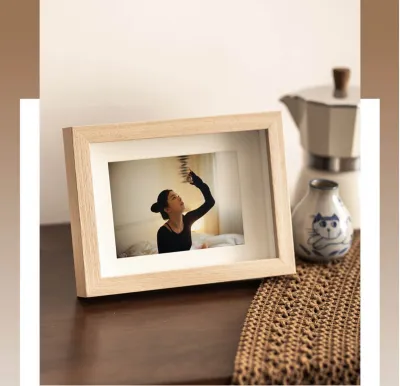
![SG Stock [Super Offer] Wooden Photo Frame Picture Frame 4R 5R 6R 8R A4 Frame Table Wall Display Photo Frame for Home Office Art Display Christmas Gift Teachers Day Gift](https://img.lazcdn.com/g/p/bb9e605bbbce2ca17e8b17e2edb1a478.jpg_400x400q80.jpg_.webp)
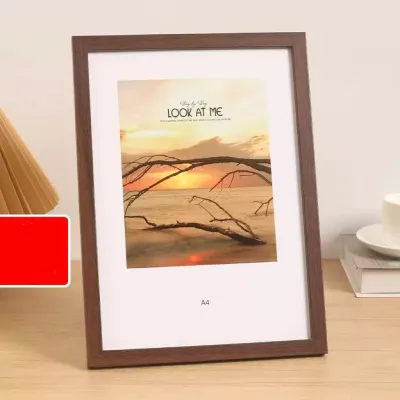
![[SG Stock]Simple classic Wooden photo frame 3R/4R/5R/8R/A4 For Table Display Birthday Gift Valentines Day Gift Christmas gift](https://img.lazcdn.com/g/p/9161cc234a6af3d66393f5124dc21143.jpg_400x400q80.jpg_.webp)
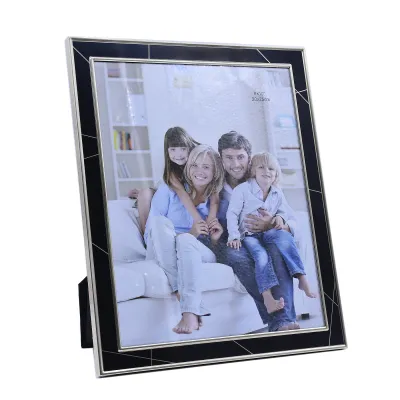
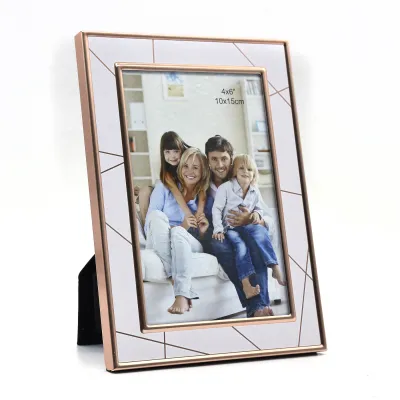

Prices are valid at publication and may change. Please refer to the product page for the latest price.
Frame Joinery and Corner Reinforcement
The strength of a photo frame lies in its corners. High-quality brands use precise miter joints reinforced with V-nails or internal corner brackets. When inspecting a frame, look for seamless corner seams without visible gaps or glue residue. Poorly joined corners can separate over time under the tension of wall mounting, especially when exposed to temperature fluctuations from air conditioning.
Backing Board Rigidity and Moisture Resistance
The backing board keeps the photo flat against the glazing. Look for rigid materials like dense MDF, hardboard, or plastic backing. In Singapore’s humid climate, untreated cardboard backing boards can absorb moisture, leading to warping, mold growth, and damage to your photographs. Ensure the securing mechanisms—such as metal flex tabs, turn buttons, or swivel clips—are securely riveted to the frame. Swivel clips and turn buttons are generally more durable than simple bendable metal tabs, which can snap after repeated opening.
Hanging Mechanisms and Wall Stability
For wall displays, the mounting hardware must be securely anchored to the frame itself. Avoid brands that rely solely on the backing board to support the weight of the frame. Look for D-rings or sawtooth hangers screwed directly into the wooden or metal frame profile. Wire setups offer the most flexibility for leveling but require secure D-ring anchors on both sides of the frame. Ensure the hardware is centered and level to prevent the frame from tilting on the wall.
Material and Glazing Choices for Wall Displays
The choice of frame material and glazing directly impacts the weight of the display, the safety of the installation, and how well the photograph is protected from environmental factors.

Structural Profiles
- Solid Wood: Offers classic warmth and natural grain patterns. It is structurally robust but heavier than synthetic alternatives. Ensure the wood is treated or sealed to resist humidity.
- MDF (Medium-Density Fibreboard): A cost-effective, highly stable material that does not warp easily. However, it must be fully wrapped or painted to prevent moisture absorption. It is moderately heavy.
- Aluminum: Lightweight, exceptionally strong, and completely impervious to humidity. Ideal for modern, minimalist designs and lightweight wall mounting.
Glazing Options
- Standard Glass: Provides excellent optical clarity and scratch resistance. However, it is heavy and fragile. If a frame falls, glass can shatter, posing a safety hazard.
- Acrylic (Plexiglass): Lightweight and highly shatter-resistant, making it safer for high-traffic areas or children's rooms. However, it scratches easily and can attract dust due to static electricity. High-quality acrylic offers clarity comparable to glass.
Specialty Coatings
- UV-Filtering: Essential if your wall display is exposed to direct or indirect sunlight. UV rays fade photographic prints over time.
- Anti-Reflective (Non-Glare): Reduces reflections from windows and indoor lighting, ensuring your photos remain visible from all angles. This is particularly useful in brightly lit living rooms or corridors.
Wall Mounting Hardware and Safety Boundaries
Mounting 5R frames safely requires matching the hanging hardware to the specific wall substrate of your home. Proper installation prevents damage to both the frame and the wall.
Matching Hardware to Wall Substrates
- Concrete and Brick: Common in Singapore HDB flats. Requires a hammer drill, masonry drill bits, and plastic wall plugs (anchors) with matching screws. Adhesive hooks often fail on painted concrete due to humidity and weight.
- Drywall: Common in partition walls. Requires specialized drywall anchors, such as self-drilling threaded anchors or toggle bolts, to distribute the weight safely.
- Tiled Surfaces: Requires diamond-tipped or carbide-tipped drill bits to drill through the grout lines or tiles without cracking them. Avoid drilling directly into tiles if possible.
Weight Distribution and Spacing
When planning a gallery wall of multiple 5R frames, calculate the total weight. Ensure wall anchors are rated for at least double the weight of the frame. Space frames consistently (typically 5 to 10 cm apart) to create a balanced visual layout and prevent localized wall stress.
Safety Boundaries
Always isolate power sources before drilling into walls to avoid hitting electrical conduits. Use a stud finder with live-wire detection. If you are mounting heavy frames, working at significant heights, or planning a complex multi-frame layout, stop DIY efforts and consult a qualified professional handyman. Never attempt to drill into walls if you are unsure of what lies behind the surface.
Where to Source and Verify Brands Locally
To find reliable 5R photo frames in Singapore, explore specialized home decor retailers, official brand boutiques, and reputable online marketplaces. Buying from established sellers ensures access to customer support and genuine product descriptions.
When browsing, always check the product specifications for the “insert size” or “rebate size” to ensure your 5R prints will fit without trimming. The standard 5R photo size is exactly 12.7 x 17.8 cm (approximately 5 x 7 inches). However, some generic or international brands use slightly different regional standards, so verifying these measurements is crucial.
Prioritize brands and retailers that offer clear return policies and warranties against manufacturing defects or transit damage. Glazing is particularly vulnerable to cracking during delivery. Ensure the seller provides secure packaging and hassle-free replacements for damaged items.
Condition-Based Shortlist: Matching Styles to Spaces
Selecting the right frame style involves matching the visual characteristics of the frame to the interior design of your room and the layout of your display.
Minimalist Metal Frames
- Suitable Spaces: Modern, industrial, or Scandinavian-style interiors.
- Key Features: Ultra-thin aluminum profiles, matte black, silver, or brushed gold finishes. These frames keep the focus entirely on the photograph and create a clean, sleek look on the wall.
Solid Wood or Ornate Frames
- Suitable Spaces: Traditional, rustic, or warm classic interiors.
- Key Features: Rich wood grains (like oak, walnut, or teak), carved details, or distressed finishes. These frames add texture and warmth, making them ideal for family portraits or vintage prints.
Gallery-Style Layouts
- Suitable Spaces: Large blank walls, hallways, or staircases.
- Key Features: Uniform frame profiles, consistent outer dimensions, and matching mat boards (passe-partouts). Look for brands that sell multi-packs or cohesive collections to ensure perfect visual alignment and color consistency across all frames.
Frequently Asked Questions (FAQ)
What are the exact dimensions of a 5R photo frame?
A standard 5R photo measures exactly 12.7 x 17.8 centimeters, which is equivalent to 5 x 7 inches. When purchasing a 5R photo frame, the internal opening (the rebate size) should match these dimensions to hold the photo securely. However, the overall outer dimensions of the frame will vary depending on the width of the border and whether the frame includes a mat board (passe-partout). Always verify both the internal insert size and the external footprint before finalizing your wall layout.
Can I use adhesive strips for hanging 5R frames on painted walls?
Yes, you can use high-quality adhesive strips for lightweight 5R frames, but you must follow specific precautions. First, verify the manufacturer’s weight rating on the adhesive packaging; a typical 5R frame with glass glazing weighs between 200 and 400 grams, which is well within the limit of most medium-duty strips. Second, ensure the wall surface is clean, dry, and free of dust or grease.
However, be cautious in Singapore’s humid climate, as moisture can weaken the adhesive bond over time, potentially causing the frame to fall. Avoid using adhesive strips on textured walls, delicate wallpaper, or freshly painted surfaces (allow paint to cure for at least 28 days). For maximum safety, especially with glass glazing, mechanical fasteners like wall plugs and screws remain the most reliable option.

Community discussion
Share your experience or ask a question. Comments are reviewed before publication.