
Displaying cherished memories, art prints, or photography on your walls adds personal character and warmth to any living space. Among the various framing materials available, wood remains a timeless favorite due to its organic textures, natural grain patterns, and structural rigidity. However, selecting the right wooden photo frame in Singapore involves more than simply matching the color to your furniture.
Our tropical climate presents unique challenges for natural wood products, as high humidity levels and ambient warmth can cause low-grade materials to warp, split, or develop mold over time. Additionally, the structural nature of local homes—often featuring solid concrete or masonry walls—demands careful consideration of frame weight and mounting hardware. To build a gallery wall that stands the test of time, you must know how to evaluate the physical construction of a frame before making a purchase.
Rather than relying on unverified brand claims, the most reliable way to find quality wooden frames is to understand their structural anatomy. By examining the joints, finishes, backing materials, and wood species, you can make informed decisions that protect your artwork and keep your walls looking pristine.
Products mentioned in this guide
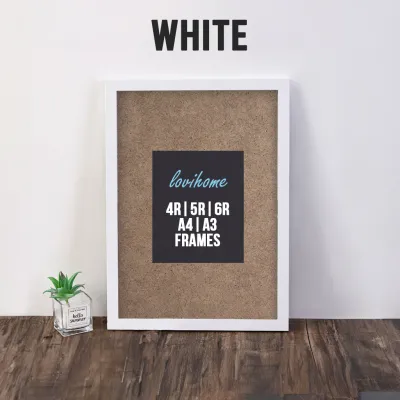
![[SG Stock]4R/5R/6R/A4 Wooden Photo Frame Picture Frame Wood White Black Simple Picture Frame Birthday Gift present Christmas gift](https://img.lazcdn.com/g/p/18a672b2ee155101dfd5e3af7b150d07.jpg_400x400q80.jpg_.webp)
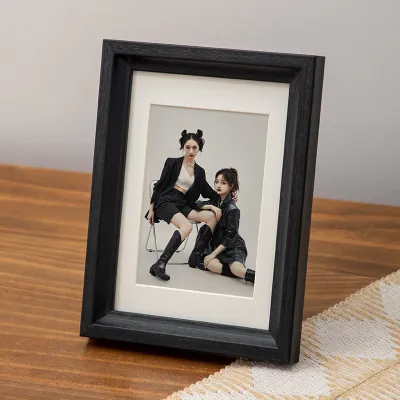

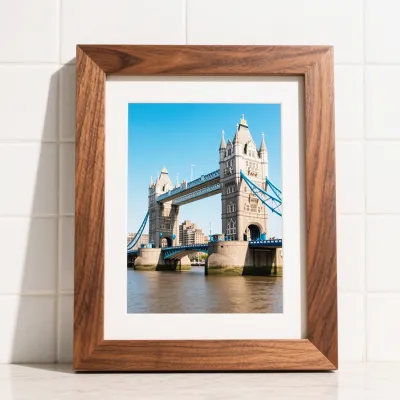
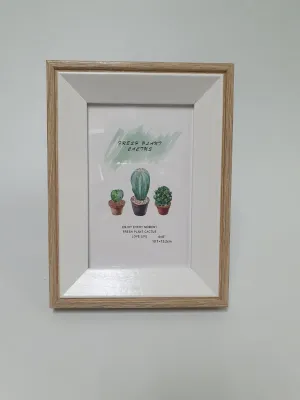
Prices are valid at publication and may change. Please refer to the product page for the latest price.
Key Quality Indicators for Wooden Wall Frames
The longevity of a wooden frame depends heavily on how its corners are joined. Standard budget frames often rely on simple butt joints held together by glue and basic V-nails driven into the back. While this method is cost-effective, it is highly susceptible to separating under the weight of the glass or due to wood expansion. For a more durable wall display, look for frames utilizing splined joints, where a contrasting slip of wood reinforces the corner, or robust dovetail construction. When inspecting a frame in person, run your fingers over the corners to ensure the mitered edges meet flush without any gaps, rough edges, or visible adhesive residue.
A frame’s finish does more than just enhance its visual appeal; it serves as the primary barrier against environmental moisture. In Singapore’s humid environment, an unsealed wooden frame will absorb water vapor from the air, leading to swelling and eventual warping. High-quality frames feature a consistent coat of sealant, lacquer, or polyurethane across all exposed surfaces, including the inner rabbet where the artwork rests. Avoid frames that feel rough or dry to the touch, as this often indicates insufficient sealing that will leave the wood vulnerable to the elements.
The backing board and the mechanisms that secure it are crucial for maintaining flat, unwarped artwork. Flimsy cardboard backings should be avoided, as they readily absorb moisture from the air and transfer it directly to your prints, causing unsightly rippling. Instead, opt for frames with moisture-resistant backing materials, such as high-density MDF or acid-free barrier boards. Furthermore, look for sturdy metal turn buttons or heavy-duty flex tabs to secure the backing. Flimsy metal points that require bending with a tool are prone to snapping over time, making it difficult to maintain a tight seal.
Glazing is another critical component that affects both the weight and protection of your display. Traditional float glass is scratch-resistant and provides excellent clarity, but it is heavy and fragile, making it less suitable for very large frames or high-traffic areas. Acrylic glazing, often referred to as plexiglass, is a lightweight, shatter-resistant alternative that significantly reduces the load on your wall anchors. When selecting acrylic, ensure it is of high optical quality to avoid distortion, and consider upgrading to UV-filtering options if your wall receives significant ambient light, as this prevents your photos from fading.
Wood Types and Their Suitability for Wall Displays
Solid hardwoods represent the pinnacle of durability and aesthetic appeal for wall framing. Species such as oak, walnut, and teak are highly dense, making them resistant to dents, scratches, and structural warping. Teak is particularly well-suited for tropical climates because its natural oils provide inherent resistance to moisture and pests. However, the density of hardwood means these frames are significantly heavier than their softwood counterparts. When planning a large-scale display with hardwood frames, you must account for this weight and ensure your hanging system is rated for the load.

For those looking to create extensive gallery walls without putting excessive strain on their walls, softwoods and engineered woods offer practical advantages. Pine is a popular softwood that is lightweight, easy to handle, and highly cost-effective, though its softer surface is more prone to minor dents. Alternatively, engineered woods like medium-density fibreboard (MDF) finished with a genuine wood veneer provide an excellent balance of aesthetics and stability. Because MDF is composed of compressed wood fibers and resin, it does not expand or contract with humidity changes in the same way solid wood does, making it highly stable in humid environments.
Reclaimed and rustic wood frames bring a unique, textured character to interior spaces, with each piece telling its own story through weathering and natural imperfections. However, using reclaimed wood requires careful inspection to ensure it is fit for indoor display. You must verify that the timber has been properly kiln-dried and treated to eliminate any wood-boring insects or deep-seated moisture. Additionally, ensure the rustic surface has been sealed with a matte protective coat to prevent splinters and make dusting easier without snagging your cleaning cloths.
Sourcing Reliable Wooden Frames in Singapore
If you have valuable artwork, limited-edition prints, or non-standard image sizes, custom framing studios are the gold standard. These specialized workshops allow you to select the exact wood species, profile width, and finish to complement your space. More importantly, professional framers use archival-quality, acid-free mounting boards and UV-protective glass to preserve your images for decades. While custom framing requires a higher upfront investment, the level of craftsmanship and material quality ensures your display remains secure and beautiful.
For standard photo sizes, ready-made frames from home decor and lifestyle retailers offer a convenient and accessible solution. When shopping at physical retail stores, take the opportunity to inspect the display models closely. Check the corner joints for gaps, test the sturdiness of the backing tabs, and feel the wood finish for smoothness. It is also wise to review the retailer’s return and exchange policies before purchasing, as natural wood products can exhibit variations in grain and color, and you want the option to swap a frame if it has minor defects.
Online marketplaces and specialized e-commerce platforms provide an extensive selection of wooden frames, often at competitive prices. However, shopping online requires extra diligence to ensure you receive a quality product. Always read customer reviews specifically looking for comments on packaging quality, material authenticity, and structural sturdiness. Request close-up photos of the frame’s back and corners from the seller if they are not provided in the listing, and double-check the product specifications to confirm whether the frame is made of solid wood or a synthetic laminate designed to look like wood.
Wall Mounting and Safety Considerations
The method you use to mount your wooden frames depends entirely on the construction of your walls. In Singapore, most residential walls are made of solid concrete or brick, which require a masonry drill bit, plastic wall plugs, and sturdy screws to support heavy wooden frames safely. Attempting to drive standard nails into concrete will only damage your walls and result in fallen frames. If you are mounting on drywall partition walls, which are common in newer condominiums and office renovations, you must use specialized hollow-wall anchors or toggle bolts to distribute the weight evenly across the plasterboard.
Before hanging any frame, evaluate the pre-installed hanging hardware on the back to ensure it can support the frame’s weight. For small, lightweight frames, a simple sawtooth hanger may suffice, but larger or heavier solid wood frames require more robust solutions. D-rings screwed directly into the left and right sides of the wooden frame provide a highly secure attachment point. You can thread a heavy-duty picture hanging wire through these rings, ensuring the wire is rated for at least double the actual weight of the fully assembled frame, including the glass and backing.
The environmental conditions of your room play a massive role in preserving both the wooden frame and the photograph inside. Avoid hanging wooden frames directly in the path of air conditioning vents, as the rapid temperature fluctuations can cause the wood to expand and contract rapidly, leading to joint separation. Similarly, keep frames away from walls that receive direct afternoon sunlight, as intense UV rays will fade your images and dry out the wood’s finish, causing it to crack. Finally, avoid hanging solid wood frames on damp walls or in high-humidity zones like bathrooms without adequate ventilation, as this invites mold growth and wood rot.
Frequently Asked Questions (FAQ)
How do I prevent wooden frames from warping in a humid climate?
To protect your wooden frames from Singapore’s high humidity, it is essential to maintain consistent indoor ventilation and use dehumidifiers in rooms where valuable art is displayed. Ensure that the wooden frame is completely sealed with lacquer or polyurethane on all sides, including the back, to prevent moisture from penetrating the wood fibers. Additionally, you can stick small adhesive felt pads or rubber bumpers to the bottom corners of the frame’s backing board. This creates a small air gap between the frame and the wall, allowing air to circulate freely and preventing moisture from getting trapped behind the display.
Can I use adhesive strips for heavy wooden photo frames?
While adhesive strips are highly convenient for rental properties where drilling is restricted, they are generally not recommended for heavy solid wood frames. The weight ratings provided by adhesive manufacturers apply under ideal conditions, but Singapore’s humidity can weaken the adhesive bond over time, leading to sudden failures. Furthermore, you must calculate the total weight of the display, including the heavy glass glazing and backing board, which often exceeds the safe limit of adhesive strips. For heavy or valuable wooden frames, always rely on mechanical fasteners like screws and wall plugs to ensure a secure, permanent hold that protects your investment and your safety.

Community discussion
Share your experience or ask a question. Comments are reviewed before publication.