
Preparing your Housing & Development Board (HDB) flat for unexpected emergencies requires a practical approach to home lighting. While Singapore benefits from a highly stable power grid, localized blackouts, electrical trips, or plumbing emergencies like burst pipes can still plunge your home into darkness. A reliable waterproof torch light is an indispensable tool for these situations, ensuring you can navigate your living space safely and handle repairs without slipping or damaging your belongings. Selecting the right torch involves understanding how different designs perform within the unique layout of modern apartments.
Assessing Your HDB Emergency Lighting Needs
HDB flats present specific spatial and structural characteristics that dictate your emergency lighting requirements. During a power outage, the immediate priority is general illumination to prevent trips and falls in dark hallways or compact kitchens. A torch light that can stand vertically on its tail cap allows you to bounce light off the white plaster ceilings common in HDB flats, creating a soft, ambient glow that illuminates an entire room. Conversely, localized flooding from a burst utility pipe or heavy rain ingress through windows requires a different tactical approach. In these wet scenarios, a highly water-resistant torch with a low-angle, focused beam is essential for spotting standing water, slippery tiles, or structural leaks along baseboards.
Storage space is another critical factor. Many Singapore homeowners utilize their household shelter or utility cabinet to store emergency gear. These spaces are often packed with household essentials, meaning your emergency light must be compact enough to fit into a designated, easily accessible grab-and-go kit without taking up valuable real estate. A bulky, heavy searchlight is rarely practical for apartment living; instead, a pocket-sized or medium-format torch that delivers high performance in a lightweight chassis is far more suitable.
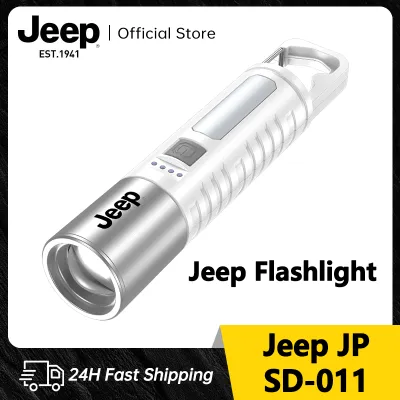
Products mentioned in this guide
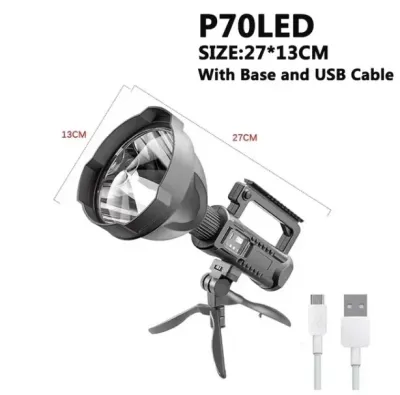
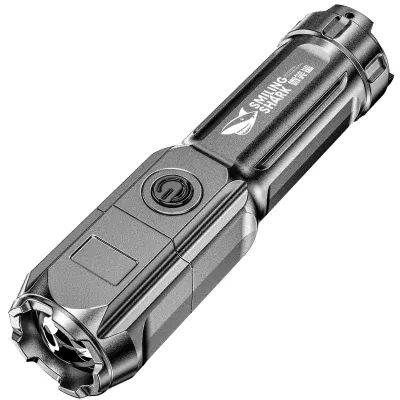
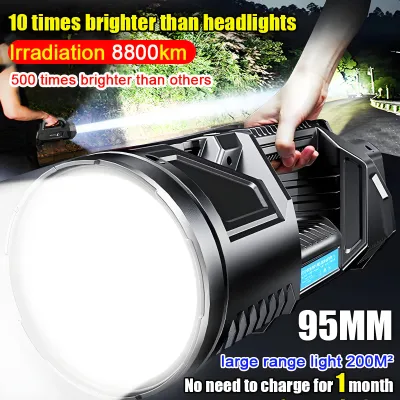
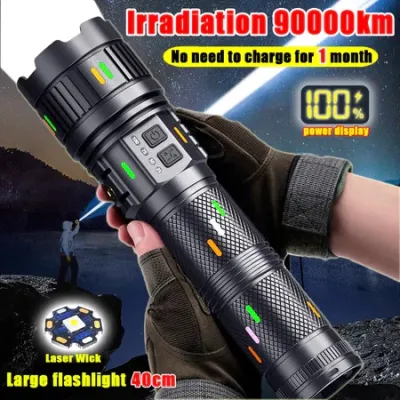
![[SG 🚚] Mini Portable Waterproof LED Flashlights/ Hunting Camping Lamp with AAA Battery/ Aluminum Pocket Night Fishing](https://img.lazcdn.com/g/p/f4b10cbb368986a2b232b6a3e82cd410.jpg_400x400q80.jpg_.webp)
Prices are valid at publication and may change. Please refer to the product page for the latest price.
You must also balance brightness with battery runtime based on local conditions. While major grid failures are rare in Singapore, localized electrical faults can take several hours for technicians to resolve. A torch that blasts thousands of lumens will quickly drain its battery and overheat in Singapore’s warm climate. For HDB emergency preparedness, prioritizing a moderate brightness level with an extended runtime of at least four to eight hours is far more practical than chasing extreme, short-lived peak brightness.
Essential Features to Check in Waterproof Torch Lights
When shopping for a waterproof torch light, understanding technical specifications prevents you from buying an inadequate tool. The first line of defense is the Ingress Protection (IP) rating, which measures a device’s resistance to dust and liquids. For basic splash protection against dripping pipes or light rain, an IPX4-rated torch is the bare minimum. However, for true emergency preparedness where a torch might be dropped into a filled sink, a flooded balcony, or a puddle, look for IPX7 or IPX8 ratings. An IPX7 rating ensures the torch can withstand accidental submersion in water up to one meter deep for 30 minutes, while IPX8 indicates protection against deeper, prolonged submersion.

The beam profile—determined by lumens, beam distance, and focus—must match your home’s layout. Lumens measure the total light output, while candela measures beam intensity. For navigating the relatively tight confines of an HDB flat, a torch with 100 to 300 lumens is generally more than sufficient. High-lumen torches can cause blinding glare when reflected off light-colored walls or mirrors in small bathrooms. An adjustable focus or a balanced beam that offers both a central hotspot and a wide spill allows you to transition smoothly from inspecting a dark electrical riser in the corridor to illuminating a bedroom.
The choice of power source significantly impacts long-term readiness. Integrated rechargeable lithium-ion batteries, typically charged via USB-C, are highly convenient and cost-effective for regular use. However, lithium-ion cells naturally self-discharge over time and can degrade if left completely flat in a drawer for years. Removable disposable cells, such as lithium AA or AAA batteries, have an exceptionally long shelf life of up to 10 to 15 years and do not suffer from the leakage issues common with cheap alkaline batteries. For a dedicated emergency kit that might sit untouched for long periods, a dual-fuel torch that accepts both rechargeable packs and standard disposable lithium batteries offers the ultimate flexibility.
How to Evaluate Torch Light Brands for Reliability
Evaluating torch light brands requires looking past flashy marketing claims and focusing on verifiable manufacturing standards. Reputable brands publish detailed specifications compliant with the ANSI/PLATO FL 1 standard, which defines how brightness, runtime, beam distance, and impact resistance are measured. Avoid brands that claim impossibly high outputs at suspiciously low prices, as these are often unregulated and prone to overheating or premature failure. Look for models constructed from aircraft-grade aluminum with Type III hard-anodized finishes, which provide excellent drop resistance and heat dissipation.
Local support and warranty terms are vital considerations for Singapore buyers. A high-quality torch is an investment, and having access to a local distributor or retailer who honors the manufacturer’s warranty ensures you can easily resolve any defects. Check if the brand offers replacement parts, such as spare O-rings, replacement tail caps, or lens covers. This modularity extends the lifespan of your light and ensures it remains waterproof over years of storage.
Before purchasing, analyze user feedback on major ecommerce platforms, paying close attention to long-term reviews. Look for patterns regarding switch failure, rubber port cover degradation, and rapid battery drain. In Singapore’s humid climate, cheap rubber seals can become sticky or brittle, compromising the torch’s waterproof integrity.
Budget-wise, expect to spend between S$15 and S$40 for a reliable, entry-level waterproof torch from a recognized manufacturer. Professional-grade tactical or search lights with advanced thermal regulation, superior waterproofing, and extended warranties typically range from S$50 to over S$150. For HDB emergency preparedness, a mid-range option around S$30 to S$60 usually strikes the perfect balance between build quality and value.
Storing and Maintaining Your Emergency Torch in an HDB
Proper storage and maintenance are what separate a functional emergency tool from a dead piece of plastic when the lights go out. Singapore’s tropical climate, characterized by high humidity and ambient warmth, can be harsh on electronic devices. Store your torch in a cool, dry place away from direct sunlight, which can degrade plastic lenses and rubber seals. Avoid storing torches in damp areas like under-sink cabinets or laundry yards. A sealed, airtight container with a few silica gel packets is an excellent storage solution for keeping moisture at bay inside your household shelter or main hallway cabinet.
Establish a simple, recurring maintenance schedule—such as checking your emergency kit every six months during seasonal cleaning. During these checks, turn the torch on to verify the switch functions smoothly and cycle through the brightness modes. Inspect the physical body for any signs of corrosion, especially around the battery contacts. If the torch uses a screw-on tail cap, check that the rubber O-ring is intact and lightly lubricated with silicone grease to maintain its waterproof seal.
Battery management is crucial for preventing catastrophic failures. If your torch uses alkaline batteries, never store them inside the device for extended periods, as they are highly prone to leaking corrosive potassium hydroxide, which can permanently ruin the torch’s internal circuitry. Store alkaline batteries in their original packaging alongside the torch, or switch to leak-resistant lithium disposables. For rechargeable torches, check the charge level during your bi-annual inspection and top it up to around 50% to 80% for optimal storage health, rather than leaving it completely drained.
Building a Practical Emergency Lighting Kit
A waterproof torch light is the cornerstone of your emergency lighting, but it should not be the only light source in your HDB flat. To build a truly resilient setup, complement your handheld torch with hands-free options. A lightweight headlamp is invaluable if you need to inspect a leaking pipe under a sink, reset a tripped circuit breaker, or administer basic first aid, as it keeps both hands free for tasks. Additionally, a compact area lantern or a diffuser cone that slips over your torch’s bezel can transform a focused beam into a soft, 360-degree light source suitable for family dining or waiting out an outage in the living room.
Organize these items in a dedicated, clearly labeled emergency kit or go-bag that is easily accessible to all family members. A durable, dust-proof plastic box or a brightly colored zippered pouch works best. Ensure every family member knows exactly where this kit is located—ideally near the main entrance or inside the household shelter.
Alongside your primary and secondary light sources, pack essential accessories to ensure continuous operation. Include a small stash of spare batteries matching the exact sizes required by your devices or a short USB-C charging cable paired with a fully charged power bank. A basic first-aid kit, a whistle, and a printed list of emergency contact numbers complete a highly practical, space-efficient HDB emergency kit.
Frequently Asked Questions (FAQ)
Can I use a standard waterproof torch light for both camping and HDB emergencies?
Yes, a high-quality waterproof torch light is highly versatile and can easily pull double duty for both outdoor camping and indoor HDB emergencies. However, the ideal beam characteristics differ slightly between these environments. Camping often requires a long-distance throw beam to illuminate distant trails or campsites, whereas indoor emergencies benefit more from a wide, diffused flood beam that lights up an entire room without creating harsh glare. If you plan to use one torch for both scenarios, look for a model with an adjustable focus or multiple brightness modes, allowing you to drop the output to a comfortable level indoors while retaining the ability to blast a powerful beam outdoors.
How often should I replace the batteries in my emergency torch light?
The replacement interval depends entirely on the battery chemistry you choose. Standard alkaline batteries should be replaced every one to two years, even if the torch has not been used, as they degrade and pose a high risk of leaking over time. High-performance lithium disposable batteries have an exceptional shelf life and can safely remain in storage for up to 10 to 15 years before needing replacement. For rechargeable lithium-ion torches, it is best to check the charge level every six months and top it up as needed; the physical battery itself typically lasts for three to five years of regular use before experiencing noticeable capacity loss.

Community discussion
Share your experience or ask a question. Comments are reviewed before publication.