
Selecting a window ledge cushion for a home in Singapore requires careful consideration of the local tropical climate. High humidity levels combined with intense, direct sunlight through glass panes create a challenging environment for textiles and fillings. To prevent issues like mold growth, rapid color fading, and structural sagging, you must evaluate how different materials handle moisture and ultraviolet (UV) exposure. Rather than looking for a single universal material, the key is matching the fabric and filling properties to the specific exposure level of your window ledge and your willingness to perform routine maintenance.
Understanding Your Window Ledge Environment
A window ledge is a unique microclimate within your home. In Singapore, ambient relative humidity often exceeds 80 percent, which means moisture can easily become trapped in dense fabrics and fillings. When warm, humid indoor air meets a window pane cooled by air conditioning, condensation can form along the glass and pool on the ledge, directly exposing your cushion to liquid water.
At the same time, window ledges receive prolonged exposure to direct sunlight. Ultraviolet rays penetrate standard window glass, breaking down chemical bonds in synthetic fibers and accelerating the fading of organic dyes. This constant solar radiation also generates significant heat accumulation on the ledge surface. Daily temperature fluctuations cause materials to expand and contract, which can weaken seams and cause low-quality foams to crumble or lose their elasticity over time.
Products mentioned in this guide
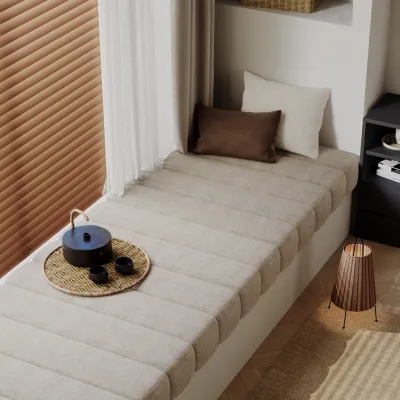
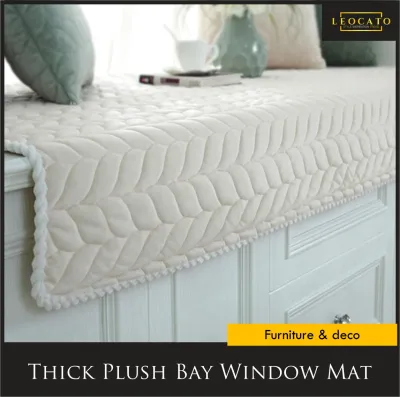
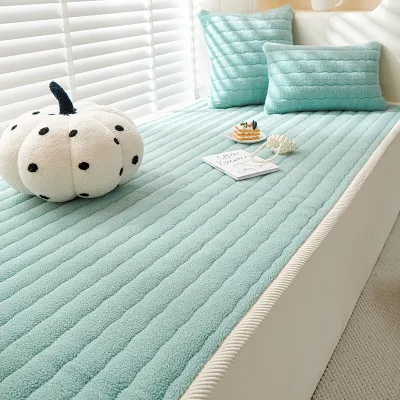
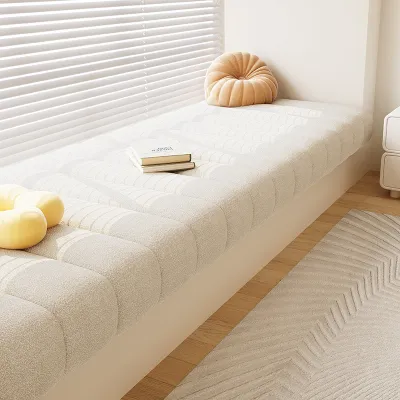
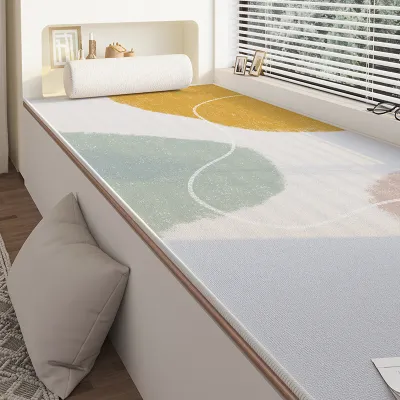
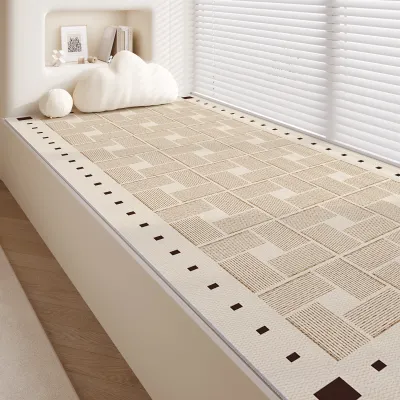
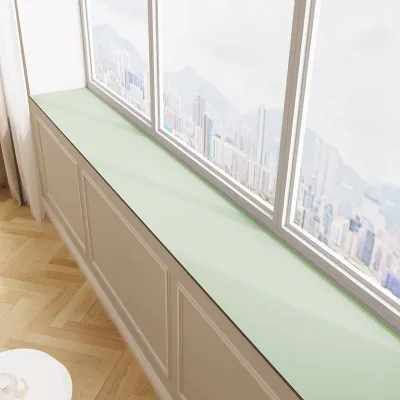
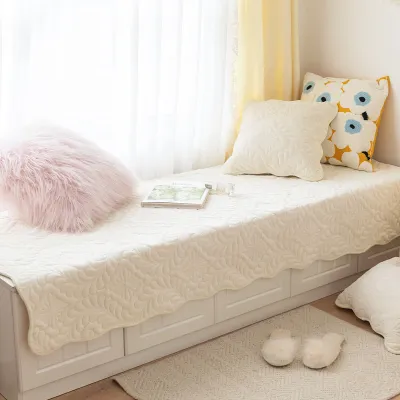
Prices are valid at publication and may change. Please refer to the product page for the latest price.
Key Material Properties to Evaluate for Humid Climates
To ensure your window ledge cushion remains comfortable and structurally sound, you must evaluate several performance criteria before making a purchase.

First, prioritize breathability and moisture-wicking capabilities. A breathable fabric allows air to circulate freely through the cushion, preventing dampness from settling deep within the filling. This circulation is essential for inhibiting the growth of mold and mildew, which thrive in dark, warm, and moist environments.
Second, assess the material’s UV resistance and colorfastness. Look for fabrics specifically treated or engineered to withstand solar exposure. Without adequate UV protection, vibrant colors can fade to dull shades within a few months, and the fibers themselves can become brittle and prone to tearing.
Third, consider the drying speed and ease of cleaning. A cushion on a window ledge will inevitably collect household dust, pollen, and occasional rain splashes from open windows. A quick-drying fabric allows you to wash or spot-clean the cover without leaving the inner filling damp for extended periods.
Finally, evaluate the structural retention of the filling. The internal material must resist clumping and sagging when exposed to ambient moisture. A filling that absorbs water vapor without releasing it will quickly lose its loft, turning a plush seating area into a flat, uncomfortable surface.
Evaluating Common Fabric and Filling Options
Choosing the right combination of outer fabric and inner filling is critical to balancing comfort, aesthetics, and durability.
Assessing Natural and Synthetic Fabrics
Natural fibers like cotton and linen are highly valued for their soft texture, classic appearance, and excellent breathability. They feel cool against the skin, making them comfortable for lounging. However, natural fibers are highly hydrophilic, meaning they readily absorb and retain moisture from the air. In a humid climate, this characteristic makes pure cotton or linen highly susceptible to mold and mildew if they are not dried regularly.
Synthetic fibers, such as polyester and acrylic, offer greater moisture resistance and quick-drying capabilities. Acrylic fabrics, especially those solution-dyed during manufacturing, provide robust UV resistance and retain their color far longer under direct sunlight. The trade-off is that some synthetic fabrics can feel less breathable and may trap body heat, leading to a warmer seating experience during hot afternoons.
Blended fabrics, which combine natural and synthetic fibers (such as a poly-cotton blend), attempt to balance these characteristics. When evaluating blends, check the product label for the exact composition ratio. A higher synthetic percentage generally improves durability and moisture resistance, while a higher natural fiber content enhances softness. Always verify the manufacturer’s care instructions to ensure the blend can withstand your preferred cleaning method.
Selecting the Right Cushion Filling
The internal filling determines how well the cushion supports your weight and how quickly it recovers from moisture exposure. Standard polyester fiberfill is a common, budget-friendly option that dries relatively quickly and resists mold. However, low-density fiberfill can clump and flatten over time, especially when subjected to daily use and ambient humidity.
Memory foam provides excellent pressure relief and comfort, but standard memory foam is highly dense and acts like a sponge, trapping moisture and heat. If you prefer foam, look for open-cell polyurethane foam or reticulated foam, which feature open pathways that allow water and air to pass through easily, facilitating rapid drying. Down and feather fillings should generally be avoided for sun-exposed, humid window ledges, as they absorb moisture heavily, clump easily, and are extremely difficult to dry thoroughly without professional equipment.
Regardless of the filling type, verify whether the cushion features a removable, water-resistant inner liner. A protective liner acts as a barrier, preventing sweat, condensation, and spills from reaching the core filling, while allowing you to wash the outer cover separately.
Verifying Product Specifications and Care Labels Before Buying
Before purchasing a window ledge cushion, carefully review the manufacturer’s specifications to ensure the product is suitable for your specific setup.
Start by checking the intended environment guidelines. Manufacturers often categorize cushions for indoor, semi-outdoor, or outdoor use. For a window ledge that receives intense sunlight or is frequently left open to the elements, an outdoor-rated or semi-outdoor cushion may offer the necessary UV and water resistance, even if used indoors. Review the warranty conditions, as some warranties do not cover fading or mold growth resulting from placement in high-exposure areas.
Next, interpret the care labels. Look for specific instructions regarding washing temperatures, machine-drying compatibility, and any applied anti-microbial or water-repellent treatments. Ensure these requirements align with your household cleaning routine. If a cushion requires dry cleaning or specialized care that you cannot easily perform, it may quickly become a maintenance burden.
Finally, confirm the design details of the cover. A high-quality window ledge cushion should feature a fully removable cover with a durable, rust-resistant zipper or secure closure. Avoid cushions with non-removable covers, as cleaning the entire cushion as a single unit often leads to trapped moisture inside the filling, creating an ideal breeding ground for mold.
Maintaining Your Cushion in Tropical Conditions
Even the most durable materials require regular maintenance to withstand Singapore’s demanding climate. Implementing a consistent care routine will significantly extend the lifespan of your cushion.
Establish a weekly schedule to rotate and flip the cushion. This simple action ensures even exposure to sunlight and physical wear, preventing localized fading and sagging. It also allows the underside of the cushion, which rests against the solid ledge surface, to breathe and release any trapped condensation.
Regularly inspect the cushion for early signs of mold, mildew, or musty odors. If you notice a faint smell or minor surface dust, take immediate, low-risk action. Vacuum the cover thoroughly using an upholstery attachment to remove organic dust particles that mold spores feed on. On dry, breezy days, place the cushion in a well-ventilated indoor area or under indirect sunlight to air out.
If you encounter persistent musty odors, visible mold colonies, or structural degradation of the filling, stop DIY cleaning attempts. Attempting to wash a heavily mold-infested filling at home can spread spores throughout your living space. In such cases, consult the manufacturer’s professional cleaning guidelines or replace the inner filling entirely to maintain a healthy indoor environment. If your window ledge is located at a height, always ensure the cushion is securely anchored or removed when windows are wide open to prevent it from falling.
Frequently Asked Questions (FAQ)
Do I need to buy outdoor-rated cushions for an indoor window ledge?
You do not strictly need outdoor-rated cushions, but they are highly beneficial if your window ledge receives intense, direct sunlight for several hours a day or if you frequently leave the window open. Outdoor fabrics are engineered to resist UV fading and repel water, making them highly durable in these conditions. However, they can sometimes feel stiffer or less soft than dedicated indoor fabrics. If your ledge is shaded or the window remains closed, a high-quality indoor fabric with good breathability and a removable cover is usually sufficient.
How can I safely remove a mild musty smell from my window ledge cushion?
To address a mild musty smell, first remove the outer cover and wash it according to the care label instructions. For the inner filling, sprinkle a light layer of baking soda over the surface, let it sit for several hours to absorb moisture and odors, and then vacuum it thoroughly using a clean upholstery brush. Place the filling in a well-ventilated room with active airflow or brief, indirect sunlight to dry completely. If the musty smell persists after these steps, or if you see dark spots indicating deep mold growth, discard the filling and replace it to avoid indoor air quality issues.

Community discussion
Share your experience or ask a question. Comments are reviewed before publication.