
Selecting the right Imalent flashlight for your Housing & Development Board (HDB) flat during an emergency requires balancing high-intensity illumination with practical indoor usability. While Imalent is renowned for producing some of the world’s brightest flashlights, an emergency in a compact residential space demands controllable brightness levels, manageable physical dimensions, and reliable battery maintenance rather than raw, blinding power. By evaluating your flat’s layout, understanding how to read manufacturer specifications, and checking for essential safety features, you can choose a model that serves as a dependable safeguard during unexpected power outages.
Understanding HDB Emergency Lighting Needs
HDB flats feature distinct architectural layouts, ranging from compact two-room Flexi units to larger executive apartments. These spaces consist of multiple partitioned rooms, narrow corridors, and concrete household shelters (bomb shelters) that lack natural light. During a localized power outage, navigating these tight, angular spaces safely requires a light source that can illuminate immediate pathways without creating harsh shadows.
The duration of power outages in Singapore is typically brief due to robust grid infrastructure, but emergency preparedness requires planning for extended scenarios. A reliable flashlight must be capable of running continuously for several hours on a single charge. This ensures your household can manage essential tasks, locate emergency supplies, and maintain communication without the fear of sudden darkness.
Products mentioned in this guide
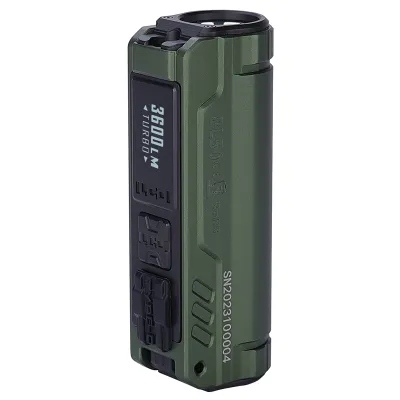
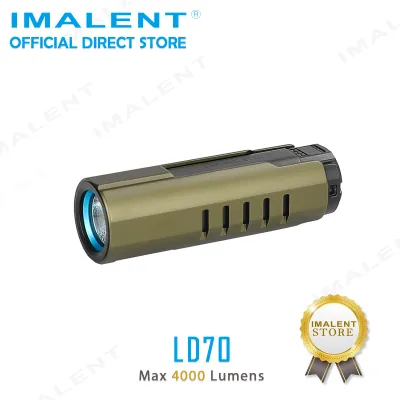
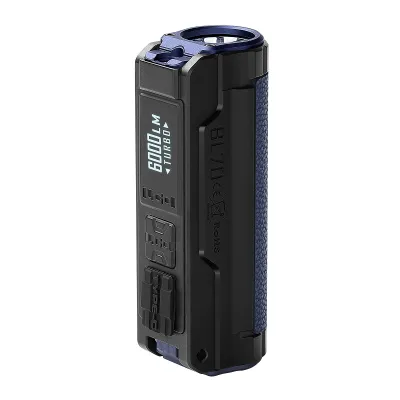
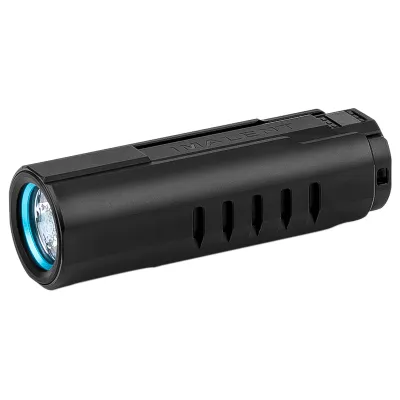
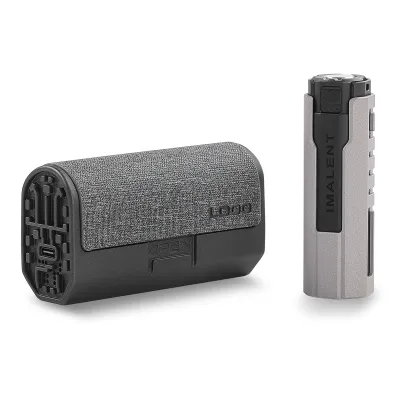
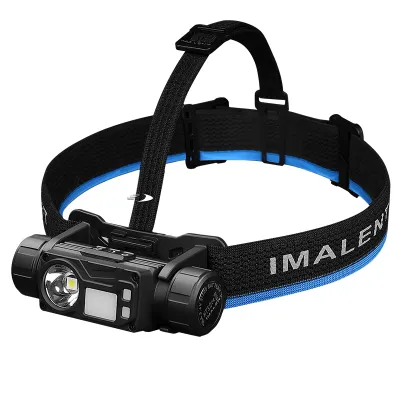
Prices are valid at publication and may change. Please refer to the product page for the latest price.
Storage constraints also dictate your choice of emergency gear. HDB flats often utilize dedicated utility closets, bomb shelters, or small entryway drawers for emergency kits. Your flashlight must fit comfortably within these designated spaces alongside other essentials like first-aid kits and bottled water, remaining easily accessible to all family members in complete darkness.
Matching Brightness to HDB Room Sizes
When evaluating Imalent flashlights, understanding the difference between flood and throw beams is crucial for indoor environments. A flood beam disperses light widely across a room, making it ideal for illuminating a living room or kitchen during a blackout. Conversely, a throw beam projects a narrow, concentrated spotlight over long distances, which is less effective in confined indoor spaces and can cause intense glare when reflected off light-colored HDB walls.

Manufacturer specifications list peak lumen ratings, but these high outputs are usually temporary “turbo” modes designed for short bursts. For indoor emergency use, you must check the sustained lumen output, which is the brightness level the flashlight can maintain without overheating or rapidly draining the battery. A sustained output of 100 to 500 lumens is generally more than sufficient to illuminate a standard HDB room comfortably.
Using excessive brightness in a compact room can lead to severe eye strain and temporary blindness from reflective surfaces like tiles, mirrors, and glossy paint. When selecting a model, verify that the user interface allows you to easily access lower brightness modes. A flashlight with a reliable low-power or “eco” mode ensures comfortable ambient lighting while significantly extending the operational runtime.
Balancing Size, Weight, and Storage
Imalent offers a diverse range of flashlight sizes, from compact everyday carry (EDC) models to heavy-duty searchlights. For an HDB household, a mid-sized or compact model is often the most practical choice. These smaller units are easy to store, quick to retrieve, and comfortable to hold for extended periods during an emergency.
Weight and ergonomics play a vital role in household usability. An emergency flashlight should be light enough for children or elderly family members to handle safely. Look for models with textured grips or knurling on the aluminum body, which prevents slipping if hands are wet or sweaty in Singapore’s humid climate.
Storage safety is another critical factor to consider. High-output flashlights can generate extreme heat if accidentally activated in a drawer or emergency bag. Ensure the model you select features a physical lockout mechanism, such as a tail-cap twist, or an electronic lockout mode to prevent accidental activation. Additionally, choose a design with a flat tail cap that allows the flashlight to stand vertically on a table, acting as an emergency candle to bounce light off the ceiling.
Evaluating Battery Life and Power Options
High-performance flashlights rely on advanced battery technology to deliver consistent brightness. Many modern models feature built-in rechargeable lithium-ion batteries, which offer convenient charging via standard USB ports. However, models with removable, standardized lithium-ion cells provide greater long-term flexibility, allowing you to swap in pre-charged spare batteries during a prolonged blackout.
Before purchasing, carefully review the manufacturer’s runtime charts in the user manual. Pay close attention to how quickly the flashlight steps down from its highest brightness levels to manage heat. Because high-output LEDs generate substantial heat, the flashlight’s thermal regulation system will automatically lower the brightness to protect the internal circuitry, which directly impacts the actual runtime you can expect.
To ensure your flashlight is always ready, verify its charging interface compatibility. Models that support universal USB-C charging allow you to recharge the flashlight using standard mobile phone chargers, laptop ports, or portable power banks. This compatibility is invaluable during extended outages when wall outlets are inactive.
Singapore’s warm, humid tropical climate requires careful battery storage to prevent premature degradation. Lithium-ion batteries should be stored in a cool, dry place away from direct sunlight and extreme heat sources. Regularly checking the battery charge level every few months and maintaining it at around 50% to 80% capacity during long-term storage will help preserve battery health and prevent deep discharge issues.
Building Your Emergency Flashlight Checklist
Before finalizing your purchase of an Imalent flashlight, compile a verification checklist to ensure the model aligns with your HDB emergency plan. Start by cross-referencing the physical dimensions and weight listed on the official product packaging or user manual with your designated storage space. Confirm that the package includes necessary accessories, such as charging cables, spare O-rings, and a lanyard for secure carrying.
Next, verify the presence of essential safety and usability features. Check the product specifications for a built-in low-battery indicator, which alerts you when power is running low. Ensure the flashlight has built-in thermal protection to prevent overheating during continuous use, and confirm that the electronic or physical lockout function is easy to operate.
Finally, review the manufacturer’s warranty terms and check for local after-sales support options. Purchasing from authorized local distributors ensures you have access to reliable customer service and genuine replacement parts if needed. Verify that the product carries recognized electrical and safety certifications to guarantee safe operation within your home.
Frequently Asked Questions (FAQ)
How should I store a high-lumen flashlight in an HDB flat to preserve battery health?
To maintain the lifespan of your flashlight’s lithium-ion battery in Singapore’s warm climate, store the device in a cool, dry cabinet away from windows and direct sunlight. Avoid storing the battery fully depleted or fully charged for long periods; keeping it at approximately 50% to 80% capacity is ideal for long-term storage. Additionally, utilize the physical lockout feature by slightly unscrewing the tail cap, or activate the electronic lockout mode, to prevent accidental activation and slow parasitic battery drain.
Can I use a high-output Imalent flashlight as a primary reading or task light during a blackout?
While high-output flashlights can be used during a blackout, using them at peak brightness for close-up tasks like reading will cause severe glare and eye fatigue. Instead, set the flashlight to its lowest brightness setting or position it vertically on a flat surface to bounce the light off a white ceiling, creating soft, indirect ambient light. For hands-free close-up work or reading, a dedicated low-lumen headlamp or a small lantern is generally more comfortable and practical than a high-intensity flashlight.

Community discussion
Share your experience or ask a question. Comments are reviewed before publication.