
Selecting the appropriate sutra for Hungry Ghost Festival worship at home depends on your primary spiritual intent, family lineage, and the physical setup of your home altar. Traditionally, households choose between texts focused on honoring ancestors and those aimed at offering blessings to wandering spirits. Sincerity and proper preparation of the physical space are essential to creating a respectful environment for recitation.
Identifying Your Worship Focus and Altar Tradition
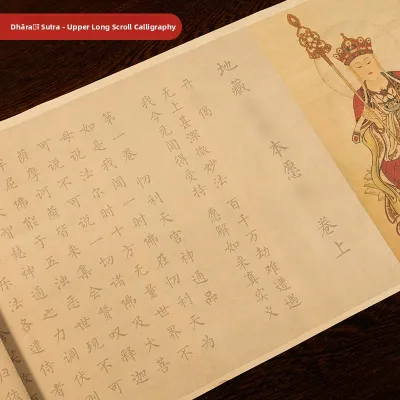
Before selecting a specific text, it is essential to determine the primary focus of your worship, as family lineages and traditions dictate different textual requirements. Ancestor veneration is rooted in filial piety, where families often recite scriptures such as the Ksitigarbha Bodhisattva Purvapranidhana Sutra or the Ullambana Sutra to dedicate merits to deceased relatives. In contrast, general offerings to wandering spirits focus on compassion and alleviating suffering. Reciting texts for wandering spirits at home requires careful consideration, as traditional practices often suggest performing these specific recitations at local temples or designated community altars rather than inside private living spaces.
Your existing home altar setup also plays a significant role in dictating your recitation protocols. If you have permanent deity statues, such as Guan Yin or Tua Pek Kong, it is customary to first pay respects, light incense, and seek permission or protection from these resident deities before commencing any recitations intended for ancestors or external spirits. The presence of ancestral tablets also influences the process, requiring a clear distinction between the space dedicated to family ancestors and any temporary setups for external spirits.
Products mentioned in this guide
Prices are valid at publication and may change. Please refer to the product page for the latest price.
While online resources and general literature provide a broad overview, they cannot replace the specific oral traditions of your family or the guidance of lineage leaders. If you are uncertain about which texts align with your family’s dialect group or spiritual lineage, consult family elders, temple authorities, or qualified monastics to ensure your practice respects established protocols.
Selecting Sutra Texts Based on Time and Familiarity
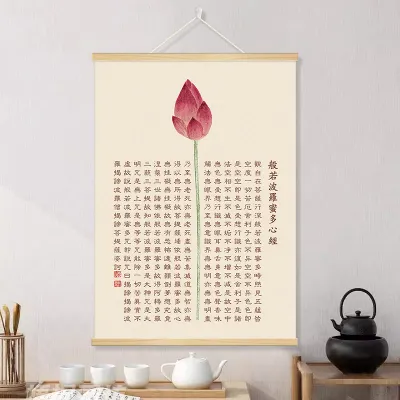
Evaluating your available time and personal familiarity with liturgical languages will help you select a text that you can recite accurately and sincerely. Full-length scriptures, such as the complete Ksitigarbha Sutra, are highly detailed and can take several hours to recite fully. For busy modern households, especially those balancing work commitments during the festival month, reciting an entire text in one sitting may not be practical. Instead, many practitioners opt for abbreviated versions, specific core chapters, or shorter, highly concentrated texts. The Heart Sutra and the Rebirth Mantra are widely chosen for daily home practice due to their concise nature, allowing for focused and mindful recitation within a manageable timeframe.

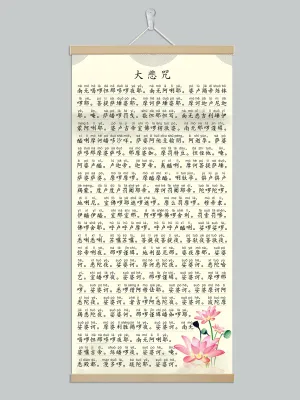
Sincerity and comprehension are far more important than mechanical repetition. If you are not fluent in classical Chinese characters, attempting to read complex liturgical texts can lead to frustration and distraction. It is entirely acceptable to use Romanised transliterations, such as Hanyu Pinyin, or translated editions in English or other languages you understand well. Understanding the meaning of the words fosters a deeper spiritual connection and ensures the recitation is conducted with genuine respect.
Treat commonly referenced texts found in general literature only as non-exhaustive starting points. Some lineages place greater emphasis on specific mantras, while others follow structured daily liturgies. Before purchasing or printing any texts, verify their suitability for home use with your spiritual community to avoid reciting texts that are traditionally reserved for monastic assemblies or specific temple rituals.
Optimizing Altar Decor and Lighting for Recitation
Configuring your physical worship space, lighting, and decorative elements supports a focused, comfortable, and respectful recitation environment. During the Hungry Ghost Festival, home altars are often laden with traditional offerings, including fruits, cakes, tea, and specialty vegetarian dishes. To facilitate a smooth recitation session, arrange these items so they do not obstruct your view of the sutra text or your physical movement. Keep liquid offerings, such as tea cups or water bowls, well away from physical sutra books or electronic reading devices to prevent accidental spills that could damage sacred texts.
Reading small liturgical print for extended periods can cause significant eye strain, particularly during early morning or late evening recitations. Ensure your altar area is equipped with adequate task lighting. While traditional red or warm yellow altar lamps contribute to the solemn atmosphere, they may not provide sufficient illumination for reading. Consider installing adjustable lighting with a color temperature of around 3000K (warm white) to 4000K (cool white) to balance traditional aesthetics with practical readability. Ensure the light source is positioned to minimize glare on the pages or screens.
In enclosed residential spaces, such as high-rise apartments in Singapore, excessive smoke from incense can quickly accumulate, affecting indoor air quality and leaving soot deposits on decorative finishes, walls, and ceiling fans. Ensure your recitation space is well-ventilated by opening windows and utilizing air purifiers or exhaust fans. Position incense burners near windows or semi-outdoor areas like balconies, keeping them clear of draft paths that could blow ash onto your sutra texts or altar decor.
Managing Fire and Electrical Safety During Worship
Establishing strict safety boundaries for open flames, incense, and electrical altar accessories protects your home, family, and religious items. Keep physical sutra books, paper scriptures, and flammable decorative items—such as artificial floral arrangements, table runners, and curtains—at a safe distance from open flames, including red candles and incense burners. A minimum clearance of at least thirty centimeters is recommended between any open flame and combustible materials. Never leave burning candles or incense unattended; extinguish them completely if you must leave the room.
Many households utilize continuous-use electrical altar lamps, such as LED lotus lights or pineapple lamps, to illuminate the altar throughout the festival month. Before plugging in these devices, verify that their voltage matches the local household standard (230V) and that they carry recognized electrical safety certifications. Inspect power cords for signs of wear, fraying, or damage, and avoid overloading electrical sockets by daisy-chaining multiple adapters. Ensure that any electrical accessories are rated for continuous operation to prevent overheating.
In households with young children, elderly family members, or active pets, open flames present a heightened safety risk. In these environments, consider transitioning to modern alternatives such as flameless LED candles and electronic incense burners. These devices replicate the warm, flickering glow of traditional candles without the associated fire hazard or smoke emission, allowing you to maintain a respectful and beautifully lit altar space while ensuring the safety of your household.
Frequently Asked Questions (FAQ)
Can I use a digital device to read sutras instead of a physical book?
Yes, using a tablet, smartphone, or e-reader to display sutra texts is widely accepted in modern practice, as the sincerity of your intent is the most important factor. When using a digital device, adjust the screen brightness to match the ambient lighting of your altar to prevent eye strain and glare. Place the device on a stable, elevated stand on the altar rather than holding it flat, ensuring it is kept at a safe distance from water offerings, incense ash, and open flames.
What should I do with physical sutra books after the festival?
Physical sutra books containing sacred texts should always be treated with respect. After the Hungry Ghost Festival, store them in a clean, elevated, and dry location, such as a dedicated bookshelf or a clean drawer above waist height; avoid storing them on the floor or in low-level cabinets. If a physical text becomes damaged beyond repair or is no longer needed, do not discard it with regular household waste. Instead, consult a local temple or Buddhist organization to learn about respectful disposal protocols, which may include ceremonial burning or recycling in accordance with traditional guidelines.

Community discussion
Share your experience or ask a question. Comments are reviewed before publication.