
Selecting the perfect small glass vase for a Singapore home involves balancing visual scale, light interaction, and the specific layout of your living space. In compact urban environments, such as typical HDB flats or modern condominiums, small decor items carry significant design weight. The right vase does not merely hold flowers; it acts as a micro-architectural element that captures natural light and softens hard surfaces.
To find the ideal match, homeowners can choose from three dominant design directions: minimalist clear geometrics, textured artisan glass, and tinted or smoked vessels. When sourcing these items locally, it is essential to prioritize retailers that offer robust fragile-goods shipping protections and clear return policies, ensuring your delicate decor arrives intact.
Popular Design Styles for Small Glass Vases
Decorating with small glass vases requires an understanding of how scale, proportion, and material transparency interact with your existing interior design. In smaller rooms or multi-use spaces, large, opaque ceramic vessels can sometimes feel heavy or obstructive, blocking sightlines and casting deep shadows. Small glass vases, by contrast, offer an elegant solution by allowing light to pass through, maintaining a sense of spatial openness while introducing organic forms.
Products mentioned in this guide
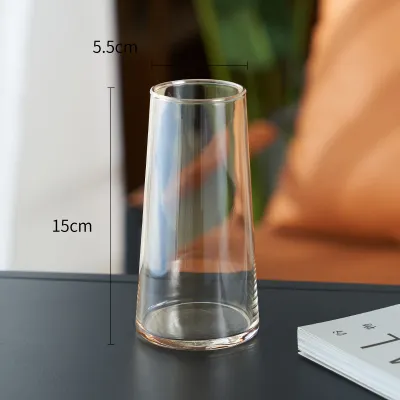
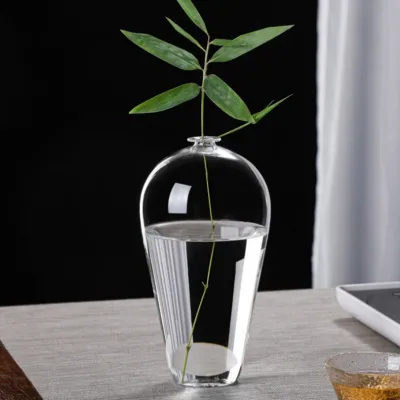
Prices are valid at publication and may change. Please refer to the product page for the latest price.
By carefully selecting the shape and finish of the glass, you can subtly influence the mood of a room without committing to a major redecoration project. The choice of style is a matter of personal preference, allowing you to tailor the visual temperature and tactile feel of your space to match your lifestyle.
When transitioning between different design styles in a single home—such as moving from a highly structured home office to a relaxed living area—small glass vases serve as excellent visual bridges. They can be grouped in odd numbers to create a curated, gallery-like display, or placed individually to draw attention to quiet corners like window sills, bedside tables, or bathroom vanities. The key to successful styling lies in matching the vase’s aesthetic category to the surrounding textures, whether you are aiming for the crisp lines of modern minimalism, the tactile warmth of rustic decor, or the moody sophistication of mid-century modernism.
Minimalist and Clear Geometric Shapes
Minimalist clear glass vases are celebrated for their clean lines, simple silhouettes, and absolute transparency. These vessels, often shaped as perfect cylinders, cubes, or delicate spheres, are designed to disappear into the background, allowing the botanical elements they hold to take center stage. This visual lightness makes them exceptionally well-suited for modern, Scandinavian, or industrial interiors where clutter is actively minimized and spatial openness is highly valued.
Because clear glass offers no concealment, the entire contents of the vase are on display. This makes them the perfect showcase for single, striking stems, delicate wildflowers, or architectural botanical cuttings like monstera leaves or eucalyptus branches. The water itself becomes a design element, reflecting ambient light and highlighting the natural, intricate structures of the submerged stems. To maintain this pristine aesthetic, regular water changes are necessary, as any cloudiness or debris will immediately detract from the clean, minimalist effect.
Textured, Ribbed, and Artisan Glass
For spaces that require more tactile depth and visual interest, textured and ribbed glass vases offer a compelling alternative to perfectly smooth surfaces. Techniques such as fluting, ribbing, or incorporating deliberate air bubbles into the glass create dynamic surfaces that catch and refract light in complex patterns. This refraction softens the light passing through the vessel, casting gentle, patterned shadows across your tabletops and shelves, which adds a layer of warmth to casual or eclectic interiors.
Beyond their aesthetic appeal, textured surfaces serve a highly practical purpose: they obscure the water line and any minor mineral buildup or stem decay that naturally occurs over time. This makes them an excellent choice for busy homeowners who may not have the time for daily water maintenance. When styling textured glass, consider pairing the vase with dried flowers, preserved seed pods, or thick-stemmed plants; the substantial visual weight of these botanicals balances the rich, tactile patterns of the glass, creating a harmonious and grounded arrangement.
Tinted, Smoked, and Colored Glass
Tinted, smoked, and colored glass vases allow you to introduce subtle hues and sophisticated color play into your home decor. Smoked grey, deep charcoal, and warm amber glass are staple elements of mid-century modern and moody, contemporary design, offering a refined, vintage-inspired aesthetic. On the other hand, soft pastel tints—such as blush pink, sage green, or pale sky blue—lend themselves to softer, more romantic, or bohemian spaces, adding a gentle wash of color without overwhelming the surrounding palette.
When selecting a colored glass vase, it is important to evaluate how the tint interacts with both natural and artificial light. High-quality colored glass should exhibit consistent color depth throughout the entire body of the vessel, with no patchy areas or thin spots. Additionally, consider how the opacity of the tint affects light transmission; darker, more saturated tones will act as stronger focal points and cast deeper shadows, while translucent pastels will maintain a lighter, airier presence. Checking the finish of the base is also crucial, as colored glass can sometimes reveal unevenness or rough edges where the color coating or glass mixture settled during manufacturing.
Navigating Brands and Retailers in Singapore
Finding the perfect small glass vase in Singapore involves exploring a diverse landscape of local boutiques, international showrooms, and online platforms. Because glass is inherently fragile, understanding the strengths and policies of different retail channels is key to a successful purchase.

Local Homeware Studios and Artisan Makers: For those seeking unique, one-of-a-kind pieces that tell a story, local independent homeware studios and artisan makers are an excellent starting point. These boutique retailers often curate small-batch collections sourced from regional glassblowers or independent designers. Shopping at these local establishments allows you to discover highly distinctive designs—such as hand-blown vessels with organic, asymmetrical shapes or unusual color swirls—that cannot be found in mass-production catalogs. Visiting these studios in person also gives you the opportunity to feel the weight of the glass and inspect its quality firsthand before committing to a purchase.
International Furniture and Lifestyle Showrooms: If you prefer a cohesive, coordinated look that aligns with global design trends, international furniture and lifestyle brands with physical showrooms in Singapore offer a reliable path. Located in major retail hubs across the island, these showrooms allow you to view complete styled rooms, helping you visualize how a specific small glass vase will look alongside contemporary sofas, shelving units, and lighting fixtures. These brands typically offer well-designed, highly durable glassware collections that are manufactured to strict quality standards, making it easy to find matching sets or complementary pieces for different rooms in your home.
Online Home Decor Platforms: For the widest possible variety of styles, shapes, and price points, online home decor platforms and digital marketplaces are invaluable resources. These platforms allow you to filter search results by material, size, color, and price, making it simple to locate highly specific designs like ultra-small bud vases or amber-tinted ribbed cylinders. However, shopping online requires extra diligence. Because you cannot physically inspect the item, you must rely heavily on detailed product descriptions, dimensions, and customer reviews to gauge quality.
Verifying Shipping Protections and Return Policies: Regardless of which retail channel you choose, verifying the seller’s shipping protections and return policies is a critical step when buying fragile glass items. When ordering online or arranging delivery from a local showroom, ensure the retailer guarantees safe arrival and offers a straightforward replacement or refund process for items damaged in transit. Look for sellers that utilize robust packaging materials, such as custom-fit foam inserts or thick bubble wrap, to cushion the glass against shocks during delivery. A clear, customer-friendly return policy provides peace of mind, ensuring that if your vase arrives with a hairline crack or structural flaw, you can easily resolve the issue without financial loss.
Practical Checks Before You Buy
Before finalizing your purchase of a small glass vase, conducting a thorough physical inspection will ensure the item is both beautiful and functional. Because small vases are often placed on narrow shelves, delicate side tables, or high-traffic entryway consoles, their physical stability and structural integrity are paramount.
Base Flatness and Stability: The most critical check is the flatness and weight of the vase’s base. Gently place the vase on a completely flat surface and give it a light tap near the rim. A well-designed vase should remain stable and resist tipping. If the base is slightly convex or unevenly finished, the vase will wobble, making it highly susceptible to falling over when filled with water and top-heavy floral arrangements. Look for designs with a thick, weighted bottom, which lowers the center of gravity and provides essential stability.
Glass Thickness and Weight: Evaluate the overall thickness and weight of the glass. While ultra-thin glass can look incredibly delicate and refined, it is also highly fragile and prone to cracking during routine cleaning or when holding heavier stems. For everyday use, choose a vase with a moderate, consistent wall thickness that feels substantial in your hand. This added weight not only improves durability but also prevents the vase from shifting or sliding on smooth surfaces.
Neck Width and Arrangement Compatibility: Consider the width and shape of the vase’s neck in relation to the types of plants you plan to display. A very narrow neck, often referred to as a bud vase, is perfect for supporting a single, delicate stem or a small cutting, keeping it upright and elegant. However, a narrow neck makes cleaning the interior significantly more challenging. Conversely, a wider neck accommodates small clusters of flowers but requires more stems to prevent the arrangement from splaying outward and looking sparse.
Inspecting for Structural Flaws and Sharp Edges: Carefully run your fingers along the rim and base of the vase to check for any sharp edges, rough spots, or uneven mold seams. High-quality glassware should have a smooth, fire-polished rim that is safe to handle and will not damage delicate flower stems. Additionally, hold the vase up to a light source to inspect the body for internal flaws, such as large air bubbles, hairline cracks, or deep scratches. While tiny, isolated bubbles are common in hand-blown artisan glass, large or elongated bubbles near the surface can weaken the structure of the glass, making it more vulnerable to temperature-induced cracking.
Frequently Asked Questions (FAQ)
How do I clean hard water stains from a small glass vase?
Hard water stains, caused by mineral deposits left behind as water evaporates, can quickly cloud the appearance of clear glass. To safely remove these stubborn spots without scratching the delicate surface, fill the vase with a mild acidic solution, such as equal parts warm water and white vinegar. Let the mixture sit for several hours to dissolve the mineral buildup.
For tight spaces or narrow necks where your fingers cannot reach, add a small handful of uncooked rice or coarse salt to the vinegar solution and gently swirl the vase; the mild abrasive action of the grains will help scrub away the loosened residue. Avoid using harsh chemical cleaners or abrasive metal scouring pads, as these can create micro-scratches that permanently dull the glass. Once clean, rinse the vase thoroughly with clean water and dry it immediately with a lint-free microfiber cloth to prevent new water spots from forming.
Can small glass vases be used for propagating plant cuttings?
Yes, small glass vases are excellent vessels for propagating indoor plant cuttings, such as pothos, philodendrons, or herbs. When selecting a vase for propagation, choose one with a neck that is narrow enough to support the stem and keep the cutting upright, while ensuring that the leaves remain completely above the water line to prevent rot.
It is crucial to monitor the water level closely, as the small volume of water in these vases can evaporate quickly, especially in warm climates. Change the water completely every few days to keep it oxygenated and to prevent the growth of algae, which can suffocate developing roots. Once the cutting has established a healthy, robust root system—typically several centimeters long—it should be carefully transitioned into a suitable potting soil mix to ensure its long-term growth and health.

Community discussion
Share your experience or ask a question. Comments are reviewed before publication.