
Choosing the right small glass vase style in Singapore depends on balancing its visual weight, shape, and transparency with your home’s design theme. In compact Singaporean apartments, where space is highly valued, these small accents serve as powerful design anchors that introduce nature and texture without cluttering a room. By understanding how different glass finishes, colors, and silhouettes interact with light and surrounding furniture, you can elevate your interior decor with minimal effort.
Quick Guide: Matching Glass Vases to Your Interior Style
Glass is an incredibly versatile medium, but its finish, color, and silhouette dictate how it integrates into a room. In Singapore’s high-density housing, such as HDB flats and condominiums, decorative elements must work twice as hard. A small glass vase is not merely a vessel; it is a tool to manipulate light, introduce subtle color, and establish focal points on narrow surfaces.
Matching a vase to your home’s aesthetic involves looking at three core design traits: shape, texture, and tint. Minimalist spaces favor geometric clarity and high transparency to maintain an airy feel. Scandinavian designs benefit from organic, tactile surfaces that bring a sense of warmth and craftsmanship. Modern luxury relies on rich jewel tones or heavy, light-refracting cuts that evoke sophistication. By identifying the dominant style of your room, you can select a vase that enhances the existing narrative rather than competing with it.
Products mentioned in this guide
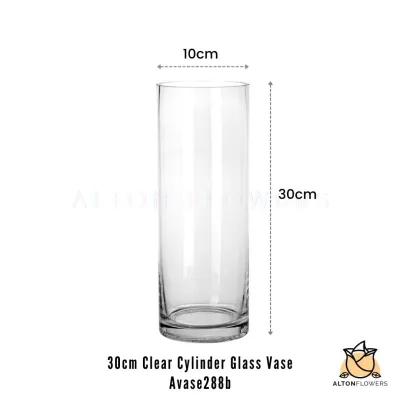
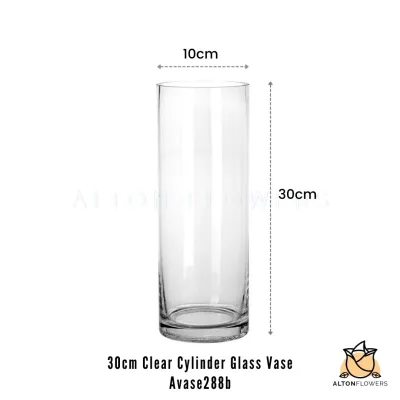
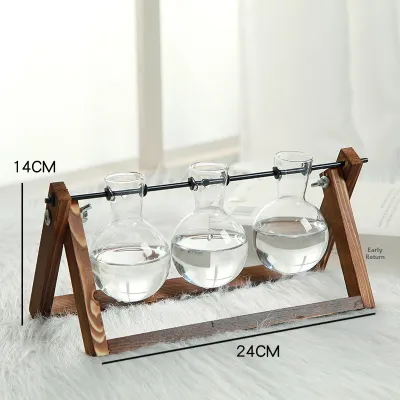
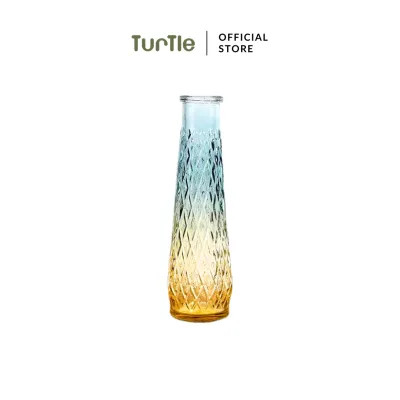
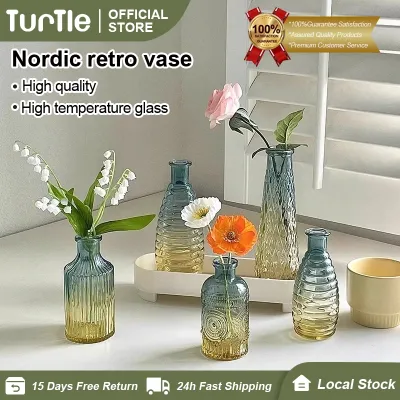
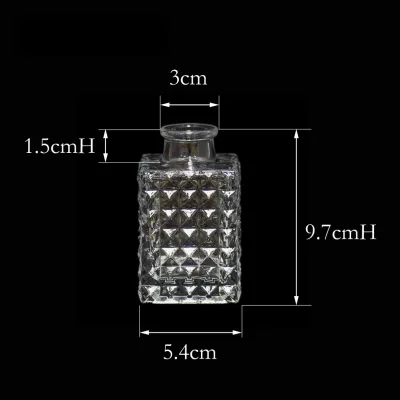
Prices are valid at publication and may change. Please refer to the product page for the latest price.
How to Choose the Right Small Glass Vase for Your Space
Selecting a vase goes beyond finding an attractive design; it requires a practical assessment of your physical space and how you plan to use the vessel.

Proportion and Scale
Before purchasing, measure the exact depth of your intended display surface. A shelf or console table in a compact hallway may only have 15 to 20 centimeters of depth. A small glass vase should ideally occupy no more than one-third of the surface depth to prevent accidental bumps and falls. Ensuring there is a safe clearance zone around the vase is crucial, especially in high-traffic zones like entryways, dining areas, or bedside tables.
Glass Finish and Texture
The finish of the glass determines how much light passes through it and how “heavy” it looks in a room. Clear glass offers maximum light transmission, making it almost invisible and highly suitable for tight, dimly lit corners where you want to maintain an open feel. Frosted glass diffuses light softly, obscuring messy flower stems while softening harsh shadows. Ribbed, fluted, or textured glass catches ambient light, creating dynamic reflections and adding physical texture to flat surfaces. Tinted glass acts as a subtle filter, casting colored shadows when kissed by natural sunlight.
Opening and Base
The diameter of the vase’s neck dictates the type of floral arrangements it can support. A narrow neck, often called a bud vase, is designed for a single stem or a delicate sprig, keeping the element upright and minimalist. A wider opening accommodates small, loose bouquets but requires more stems to look full and balanced. Crucially, check the base of the vase before buying. It must be perfectly flat and ideally weighted with a thicker glass bottom to lower the center of gravity, preventing top-heavy arrangements from tipping over.
Intended Use
Consider whether the vase will hold fresh water or remain dry. Vases meant for fresh flowers must feature wide enough openings or simple internal shapes to allow thorough cleaning with a brush or sponge. If you plan to use the vase solely for dried botanicals, faux stems, or as a standalone sculptural piece, you can opt for complex, narrow-necked, or highly textured designs where internal cleaning is less of a priority.
Small Glass Vase Styles for Popular Home Aesthetics
The design narrative of a home is built on small details. Selecting a vase style that aligns with your specific interior theme ensures a cohesive and polished look throughout your living space.
Minimalist and Japandi Interiors
Japandi and minimalist homes focus on simplicity, natural elements, and intentional functionality. For these spaces, choose small glass vases with clean, seamless lines and geometric shapes like cylinders, spheres, or soft cubes. Clear or subtly frosted glass works best, as it preserves visual lightness and lets the focus remain on the natural lines of a single branch or leaf.
However, clear glass comes with a practical trade-off. It easily reveals water lines, mineral deposits, and decaying stems. To maintain the pristine look required by minimalist aesthetics, you must commit to frequent water changes and regular cleaning. If daily maintenance is not feasible, a frosted or soft matte white glass vase offers a similar sense of calm while cleverly hiding water imperfections.
Scandinavian and Nordic Themes
Scandinavian design celebrates warmth, organic textures, and a deep connection to nature. Vases for these spaces should feature organic, slightly asymmetrical shapes, ribbed textures, or recycled glass with minor, intentional bubbles and imperfections. These tactile details add a handcrafted, cozy feel—often associated with the concept of hygge—without adding visual clutter.
When styling these irregular or textured vases, be mindful of their limitations. Highly asymmetrical silhouettes or narrow, twisted necks can make it challenging to arrange stiff, woody stems or thick-cut flowers. They are best suited for flexible, delicate wildflowers, eucalyptus sprigs, or soft grasses that drape naturally over the edges.
Modern Luxury and Contemporary Spaces
Modern luxury interiors thrive on rich textures, deep colors, and high-contrast elements. To complement this style, opt for small glass vases made of heavy cut-crystal, smoked glass, or deep jewel tones such as amber, emerald, sapphire, and charcoal. The way light refracts through thick, faceted glass or rich color adds instant depth, drama, and a sense of opulence to any tabletop.
Keep in mind that dark, tinted glass makes it difficult to monitor water levels and cleanliness from the outside. You will need to check the water level manually to prevent fresh flowers from drying out. Additionally, heavy crystal or thick-walled glass vases require sturdy, well-supported shelving; avoid placing them on delicate glass shelves or flimsy floating ledges without verifying weight capacities.
Bohemian and Eclectic Decor
Bohemian and eclectic spaces are vibrant, highly personalized, and layered with stories. For these rooms, look for colored, hand-blown glass, vintage-inspired apothecary bottles, or playful shapes with unique curves and patterns. Warm tones like terracotta, mustard, or olive green catch the sunlight beautifully and add a sense of history to the space.
These small glass vases are highly versatile because they function as standalone art pieces. Even when empty, they serve as charming focal points on a gallery shelf, a windowsill, or mixed-material console tables. You can easily mix and match different colors and shapes to create an artistic, collected-over-time look that reflects your personal journey.
Where to Place Small Glass Vases in Compact Homes
In Singapore’s compact apartments, every square centimeter counts. Small glass vases are ideal because they deliver a touch of nature without occupying valuable floor space.
Strategic Placements
An entryway console table is a prime location for a small vase, offering a welcoming touch as soon as you step through the door. Floating shelves in the living room or study allow you to display greenery at eye level without cluttering desk space. In the bathroom, a tiny glass vase on the vanity can instantly elevate the room into a spa-like retreat. For dining tables, a low-profile small vase ensures that guests can easily see and converse with one another over dinner without their view being blocked.
Grouping Techniques
To make a small vase look intentional rather than lost, use the “rule of three” or odd-number groupings. Combine a small ribbed glass vase with items of different heights and materials, such as a taller ceramic candle holder and a flat wooden tray. This contrast in textures—smooth glass, rough ceramic, and warm wood—creates a visually balanced and curated vignette. Keep the color palette cohesive to prevent the small arrangement from looking chaotic.
Climate Considerations
Singapore’s tropical, humid climate combined with indoor air conditioning presents unique challenges for fresh flora. Fresh-cut flowers can wilt rapidly when subjected to temperature fluctuations between air-conditioned rooms and natural humidity. To combat this, consider using small glass vases to display single, hardy tropical leaves (like monstera or palm fronds), air plants that require no soil, or high-quality dried botanicals like lavender, cotton stems, or pampas grass. These options thrive in air-conditioned spaces and require minimal upkeep, making them highly practical for busy urban lifestyles.
What to Check Before Buying and How to Care for Glass Vases
To ensure your small glass vases remain beautiful and safe to use, follow these practical quality checks and maintenance guidelines.
Pre-Purchase Checks
Before purchasing any glass vase, inspect its physical quality carefully. Run your finger gently along the inner and outer rim to ensure there are no sharp edges, chips, or rough seams that could slice flower stems or cut your fingers during cleaning. Place the vase on a completely flat surface and give it a gentle nudge to check for wobbling. A stable, flat base is essential, especially if you have pets or young children at home. Additionally, examine the thickness of the glass; ultra-thin glass is highly fragile and prone to cracking under minor impacts, whereas a thicker wall offers better durability.
Safe Cleaning
To keep your glass vases looking pristine, clean them regularly using low-risk, gentle methods. Wash the vase with warm, soapy water and a soft microfiber cloth or a non-abrasive sponge. Avoid using steel wool, harsh scouring pads, or abrasive powder cleaners, as these can create microscopic scratches that dull the glass and trap dirt over time. For narrow-necked vases that your hand cannot fit inside, use a flexible silicone bottle brush or fill the vase with warm soapy water and gently swirl it around.
Temperature Warnings
Glass is highly sensitive to thermal shock, which occurs when it experiences rapid temperature changes. Never pour boiling or extremely hot water into a cold glass vase, and avoid washing a chilled vase under hot tap water. Similarly, do not place a cold glass vase directly onto a hot, sun-drenched windowsill, as the uneven heat expansion can cause the glass to crack or shatter. Always refer to the manufacturer’s care instructions for specific temperature limits and washing recommendations. If instructions are unavailable or if you are unsure of the glass type, stick to lukewarm water and hand washing to preserve the item’s integrity.
Frequently Asked Questions (FAQ)
Can I use small glass vases for heavy or tall flowers?
It is generally not recommended to use small, lightweight glass vases for tall or heavy flowers, as the high center of gravity poses a significant tipping risk. If you wish to display a slightly taller stem, verify that the vase has a wide, heavily weighted base. To add extra stability, you can place clean decorative pebbles, glass marbles, or a metal floral frog at the bottom of the vase before adding water and stems.
How do I remove hard water stains from clear glass vases?
Hard water stains and mineral deposits can be safely removed using a gentle, reversible home remedy. Fill the vase with a mixture of equal parts white vinegar and warm water, and let it soak for a few hours to loosen the mineral buildup. Afterward, gently wipe the interior with a soft sponge and rinse thoroughly with clean water. Avoid using harsh chemical descalers or abrasive metal scrubbers, which can permanently scratch and cloud the glass.
Are tinted glass vases bad for fresh flowers?
No, tinted glass vases are not harmful to fresh flowers. In fact, colored or smoked glass blocks a portion of the ambient light, which can help slow down the growth of algae in the water, keeping it cleaner for slightly longer. However, the most critical factors for flower longevity remain regular water changes (ideally every one to two days), trimming the stems at an angle, and keeping the arrangement away from direct sunlight and air-conditioning drafts.

Community discussion
Share your experience or ask a question. Comments are reviewed before publication.