
Choosing the right small vase for a minimalist home requires a shift in perspective: instead of looking for an eye-catching centerpiece that dominates the room, you are searching for a quiet, intentional accent that harmonizes with its surroundings. The best small vase styles for minimalist decor are those that prioritize clean lines, organic textures, and structural simplicity over intricate patterns or loud colors. Specifically, matte ceramics, frosted or clear glass, sculptural geometric forms, and raw natural materials like wood or stone offer the perfect balance of visual interest and understated elegance. By focusing on how these pieces interact with light, space, and simple botanical elements, you can elevate your interior design without creating visual clutter.
Defining the Minimalist Vase Aesthetic
Minimalism in interior design is often misunderstood as a complete absence of decor, but it is actually the practice of curated intentionality. In a minimalist space, every object must justify its presence through either clear utility or exceptional aesthetic harmony. When selecting a small vase, the goal is to find a piece that respects the principles of clean lines, neutral color palettes, and functional design, while embracing the concept of negative space. Rather than drawing the eye with busy floral patterns or metallic embellishments, a minimalist vase relies on its silhouette and material texture to make a quiet statement.
To evaluate whether a small vase suits a minimalist aesthetic, you should analyze three primary design dimensions: silhouette, material finish, and color saturation. The silhouette should feature uncomplicated lines, whether they are strictly geometric or gently organic. The material finish dictates how the object interacts with light; matte, brushed, or transparent surfaces are generally preferred over high-gloss finishes that create distracting reflections. Finally, color saturation should remain low, leaning toward desaturated earth tones, soft greys, muted pastels, or classic monochrome shades.
Products mentioned in this guide
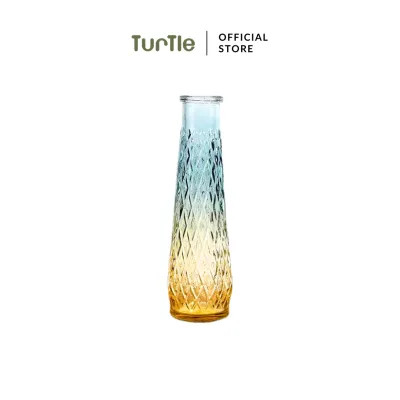
![[SG] Acrylic Vase Wooden Base Stand Ins Style DIY Ornaments Flower Decorative Vase](https://img.lazcdn.com/g/p/483e59029118f16afab83e1f7a3f44df.jpg_400x400q80.jpg_.webp)
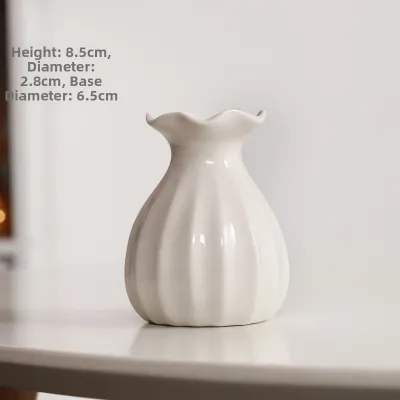
Prices are valid at publication and may change. Please refer to the product page for the latest price.
Ultimately, the success of a minimalist vase lies in its ability to blend into the background while rewarding closer inspection. It should act as a visual anchor that grounds a specific corner, shelf, or tabletop. By selecting a piece with a restrained visual weight, you ensure that the surrounding space feels open, airy, and calm. This careful balance allows your home to feel thoughtfully styled rather than crowded, transforming everyday functional items into subtle works of art.
Small Vase Styles That Elevate Minimalist Spaces
Selecting the right style of small vase depends heavily on the existing materials and lighting conditions in your home. Different styles offer distinct tactile and visual qualities, allowing you to customize the mood of each room. Here are the four primary design styles that integrate seamlessly into minimalist interiors.

Matte Ceramic and Stoneware
Matte ceramic and unglazed stoneware vases are celebrated for their tactile, organic appeal. Unlike glazed pottery, which reflects light and can create harsh glare in brightly lit rooms, matte surfaces absorb light. This light-absorbing quality creates a soft, diffused shadow profile around the vase, adding a sense of warmth and depth to your space. Common color palettes for this style include off-white, beige, soft taupe, charcoal, and warm terracotta, all of which evoke a sense of natural simplicity.
These vases often feature subtle, organic imperfections—such as tiny speckles in the clay or slight variations in the shape—that celebrate the beauty of handcrafted design. This makes them highly compatible with Wabi-Sabi and Japandi design philosophies, which value natural authenticity. When styling matte ceramics, consider placing them on open wooden shelves, concrete countertops, or matte-finished TV consoles. The contrast between the earthy clay and the smooth, flat surfaces of modern furniture creates an engaging sensory experience without relying on bright colors.
Clear and Frosted Glass
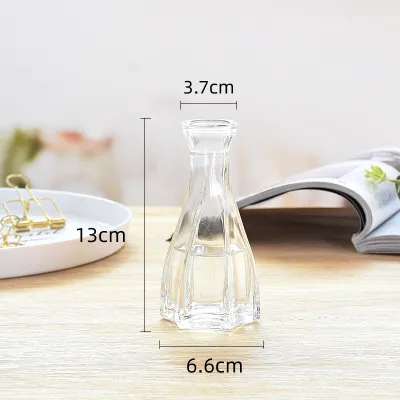
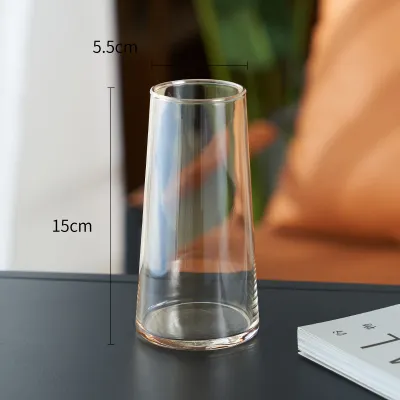
For spaces where you want to maintain absolute visual lightness, clear and frosted glass vases are exceptional choices. A clear glass small vase has virtually no visual weight, making it ideal for compact rooms, narrow windowsills, or small desks where a solid object might feel too heavy. When you use clear glass, the water and the botanical stem inside the vase become the primary design elements, emphasizing the raw beauty of nature.
Frosted, ribbed, or fluted glass offers a slightly different aesthetic by semi-obscuring the contents of the vase. This style diffuses light beautifully, creating a soft glow when placed near a window or under a warm light source. When choosing glass silhouettes, look for simple cylinders, delicate teardrops, or clean-lined geometric shapes. Avoid pieces with heavy, thick bases or highly decorative, cut-glass patterns, as these elements add unnecessary visual noise and detract from the clean, modern look.
Sculptural and Geometric Forms
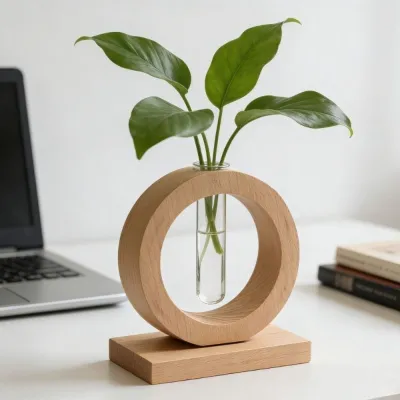
Sculptural and geometric vases function as standalone art pieces, relying entirely on their shape to create visual interest. These designs often feature abstract curves, hollow donut shapes, sharp architectural angles, or asymmetrical profiles. Because they do not rely on colorful patterns or ornate details, they maintain a strict sense of minimalist restraint while providing a modern, artistic edge to your home.
When choosing a sculptural small vase, look for materials like cast concrete, matte porcelain, or brushed metal. These materials highlight the structural lines of the design rather than drawing attention to the surface texture. Because these pieces have a strong artistic presence, they should be used sparingly. A single geometric vase placed on an entryway console or a floating shelf can serve as a sophisticated focal point, eliminating the need for additional decorative objects in that area.
Natural Wood and Stone
Incorporating small vases crafted from natural wood or stone is an excellent way to introduce grounding, organic elements into a stark or highly modern minimalist space. Solid stone vessels—such as those carved from travertine, marble, or limestone—bring a sense of permanence, weight, and architectural history. On the other hand, small wooden vases made from oak, teak, or walnut introduce rich grain patterns and a natural warmth that softens clean white walls and metal fixtures.
When selecting wood or stone pieces, prioritize raw, unpolished, or honed finishes over highly polished, glossy surfaces. These natural textures are highly effective at breaking up the monotony of smooth, synthetic materials. However, because Singapore features a highly humid tropical climate, you must ensure that raw wood vases are properly sealed by the manufacturer to prevent warping or mold growth. Additionally, verify if a wooden vase includes a glass or plastic liner inside if you plan to use it for live florals requiring water.
Room-by-Room Guide for Minimalist Vase Placement
To maintain spatial harmony and a functional flow throughout your home, you must be intentional about where and how you place your small vases. Each room serves a different purpose, and your decor choices should reflect and support those functions.
The Living Room In the living room, small vases are best placed on coffee tables, media consoles, or side tables. Because these are high-traffic areas where conversations take place, ensure that the height of the vase and its botanical pairing does not obstruct sightlines. A single, low-profile ceramic vase or a small pair of varying heights works beautifully on a coffee table. If you are placing a vase on a media console, position it slightly to one side of the television screen to balance the visual weight of the black box without causing a distraction while watching media.
The Bedroom Your bedroom should be a sanctuary dedicated to rest and relaxation. To support a calming atmosphere, avoid highly reflective glass or metallic vases on your nightstands. Instead, opt for soft matte ceramics or natural wood vessels in soothing, neutral tones. Keep the arrangement incredibly simple—perhaps a single dried stem or a small sprig of eucalyptus. Placing a small vase on a floating shelf above the bed or on a dresser creates a gentle, organic touch that promotes a peaceful mindset before sleep.
The Bathroom and Entryway Bathrooms and entryways are often the most compact spaces in a home, making them ideal candidates for small-scale decor. For the bathroom vanity, choose highly moisture-resistant materials like sealed ceramic, stone, or glass. Avoid unsealed wood or highly porous, unglazed stoneware, which can absorb humidity and harbor mold. In the entryway, space is at a premium; a single, elegant geometric vase on a narrow console table welcomes guests with a sense of calm and order, setting a minimalist tone for the rest of the home.
The Home Office A cluttered desk leads to a cluttered mind, so any decor in your workspace must be kept to a minimum. Placing a single small vase on the corner of your desk or on an adjacent bookshelf introduces a refreshing natural element without taking up valuable workspace. A clear glass bud vase with a single green leaf provides a soothing visual break from computer screens, helping to reduce eye strain and stress during long working hours.
Styling Rules to Maintain a Clutter-Free Look
Owning a beautiful small vase is only the first step; how you style it determines whether it enhances your minimalist decor or contributes to visual clutter. Adhering to a few core styling principles will help you maintain a clean, balanced, and intentional look throughout your home.
- The Rule of Negative Space: Always leave ample empty space around your vase. Do not crowd it with books, candles, and other trinkets. The emptiness surrounding the vase acts as a visual frame, allowing the eye to appreciate the clean lines and texture of the object. If a shelf feels bare, resist the urge to fill it; in minimalism, empty space is a deliberate design choice.
- Botanical Pairings: Skip the dense, multi-colored bouquets, which introduce chaotic shapes and colors. Instead, pair your small vase with a single, carefully chosen stem. A single monstera leaf, a dried palm spear, a branch of eucalyptus, or a single orchid stem (which thrives beautifully in Singapore's climate) works perfectly. The natural curve of a single stem becomes an extension of the vase's structural design.
- Grouping Techniques: If you prefer to display multiple small vases together, apply the "rule of three" with a minimalist twist. Choose three vases of varying heights but keep them within the same material family and color palette—for example, three off-white matte ceramic vases of different shapes. This creates visual interest through silhouette variation while maintaining a unified, clean aesthetic.
- Embracing Empty Vases: You do not always need to put flowers or stems in your vases. A well-designed sculptural, ceramic, or stone vase functions beautifully as a standalone decorative object. Displaying an empty vase highlights its form and texture, turning it into a mini-sculpture that celebrates pure design.
Material Comparison for Minimalist Vases
To help you make an informed decision based on your specific home environment and maintenance preferences, the table below compares the physical characteristics and care requirements of the most popular minimalist vase materials.
| Material | Visual Weight | Best Placement | Basic Maintenance Needs |
|---|---|---|---|
| Matte Ceramic | Medium | Open shelves, consoles, nightstands | Dust regularly with a dry microfiber cloth; wipe gently with a damp cloth for smudges. |
| Clear Glass | Very Light | Windowsills, small desks, bright rooms | Wash with mild soap and warm water; dry thoroughly with a lint-free cloth to prevent water spots. |
| Concrete/Stone | Heavy | Sturdy tables, entryways, bathrooms | Dust with a soft brush; ensure stone is sealed to prevent staining from water or plant oils. |
| Natural Wood | Medium-Warm | Dry living areas, study shelves | Dust with a dry cloth; keep away from high humidity and avoid standing water inside unlined wood. |
Note: Before placing any heavy stone or concrete vase on a floating shelf or wall-mounted ledge, always verify the manufacturer’s weight limits and ensure the shelf is securely installed to prevent accidental falls.
Frequently Asked Questions (FAQ)
Can I use colorful vases in a minimalist room?
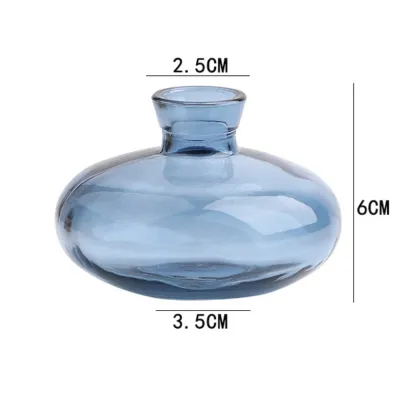
Yes, you can absolutely use color in a minimalist room, but it must be done with intention and restraint. Instead of bright, saturated primary colors, opt for muted, desaturated tones such as sage green, dusty blue, terracotta, or soft mustard. If you choose a vase with a distinct color, ensure its shape remains incredibly simple and unornamented. Use only one colorful small vase per room to serve as a quiet accent, keeping the surrounding decor neutral to maintain a balanced, cohesive look.
How do I clean and maintain matte ceramic vases?
To clean matte ceramic vases without damaging their delicate, light-absorbing finish, start by dusting them regularly with a soft, dry microfiber cloth or a clean makeup brush. For minor smudges or dirt, wipe the surface gently with a slightly damp cloth using water only. Avoid using abrasive scrubbing pads, steel wool, or harsh chemical cleaners, as these can permanently scratch the matte surface or leave shiny patches. If your ceramic vase is unglazed and porous, always check the manufacturer’s care instructions, as unglazed clay can absorb liquids and oils, potentially causing permanent discoloration.

Community discussion
Share your experience or ask a question. Comments are reviewed before publication.