
Refreshing your living space does not require a complete furniture overhaul. In Singapore, where urban apartments often serve as multi-functional sanctuaries, updating your sofa pillow covers is one of the most efficient ways to transform your interior aesthetic. A thoughtful selection of textiles can instantly shift a room’s mood from cool and minimalist to warm and inviting, while also protecting your underlying furniture investment.
However, finding the right cushion covers involves more than just picking an appealing pattern. The local tropical climate, characterized by high humidity and consistent warmth, demands careful consideration of material breathability, durability, and maintenance. By understanding how to evaluate brands, select appropriate fabrics, and coordinate styles, you can curate a sophisticated look that stands up to daily life.
How to Evaluate Cushion Cover Brands for Your Sofa
When searching for the appropriate sofa pillow cover, evaluating the brand’s manufacturing standards is the first step toward a lasting purchase. High-quality brands distinguish themselves through transparency, providing detailed specifications rather than relying on vague marketing terms. Look closely at the product descriptions for explicit details regarding fabric composition, weave density, and colorfastness ratings. A reputable manufacturer will specify whether a fabric is a pure natural fiber, a synthetic blend, or a specialized performance textile, allowing you to make an informed decision based on your household’s needs.
Products mentioned in this guide
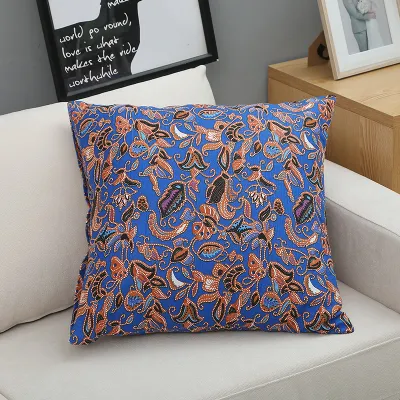
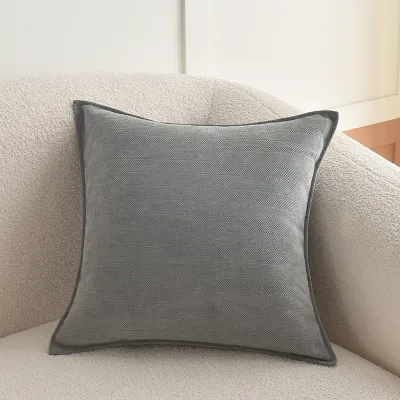
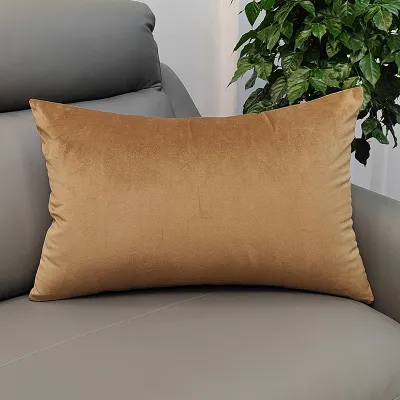
![New style sofa cushion color cushion living room modern simple cushion cover [does not include pillow core]](https://img.lazcdn.com/g/ff/kf/S3e7fbb6f414f47d49c6e0869f8e344c1W.jpg_400x400q80.jpg_.webp)
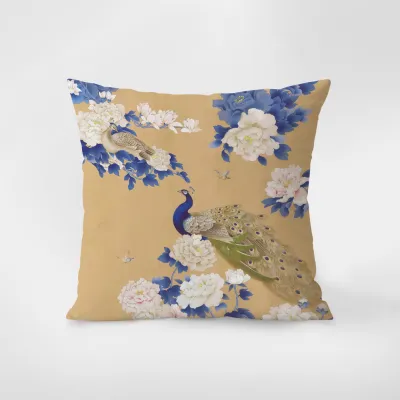
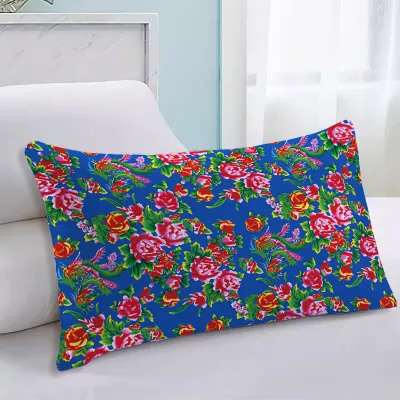
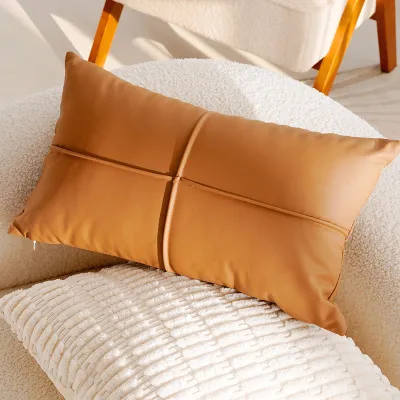
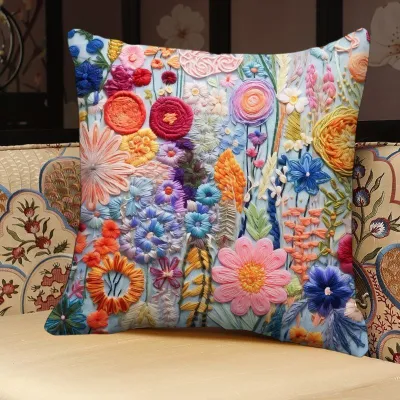
Prices are valid at publication and may change. Please refer to the product page for the latest price.
The construction quality of a cushion cover is often revealed by its closure mechanism. Examine the zipper type and placement; high-end brands typically utilize hidden or invisible zippers that are color-matched to the fabric and recessed into a seam. This design prevents the zipper from scratching your sofa upholstery or catching on clothing. Alternatively, some brands offer envelope closures, which eliminate hardware entirely but require a generous fabric overlap to prevent the cushion insert from peeking through. Check the stitching around these stress points, as double-stitched seams and overlocked edges are essential to prevent fraying during washing.
Customer-centric policies are another hallmark of a reliable home textile brand. Before finalizing your purchase, review the return and exchange conditions, particularly concerning custom-made or cut-to-size items. Because colors can appear differently under various lighting conditions—such as the warm LED bulbs common in Singapore living rooms versus the bright daylight of a showroom—a flexible exchange policy is highly valuable. Additionally, check if the brand offers any warranty against manufacturing defects, such as premature seam splitting or zipper failure, which reflects their confidence in product durability.
Finally, professional brands demonstrate their expertise by providing comprehensive care instructions and transparent sizing guides. A brand that lists precise dimensions, recommended insert sizes, and detailed washing parameters shows a commitment to customer satisfaction. Look for clear information regarding the origin of the textiles and the manufacturing process. Brands that share these details openly are generally more accountable for their material safety and environmental standards, giving you peace of mind as you introduce these products into your home.
Matching Cushion Cover Materials to Your Lifestyle and Decor
The choice of fabric for your sofa pillow cover directly influences both the comfort of your seating area and the longevity of the decor. In Singapore’s warm, humid climate, natural fibers like cotton and linen are highly favored for their high breathability and organic texture. Linen offers a relaxed, sophisticated drape that softens with every wash, while cotton provides a crisp, clean look that is easy to maintain. However, natural fibers can be prone to wrinkling and may require more delicate laundering to prevent shrinkage.

If your household includes young children, pets, or high-traffic entertaining areas, synthetic fibers and performance blends often provide a more practical solution. Modern polyester blends can mimic the look of natural linen or cotton while offering high stain resistance, color retention, and overall durability. These fabrics are engineered to withstand frequent washing and resist the daily wear and tear that can quickly degrade delicate natural fibers. When selecting synthetics, look for tight weaves that prevent dirt and pet hair from becoming deeply embedded in the fabric.
For those looking to add visual depth and a sense of luxury to their living room, tactile fabrics like velvet and chenille are excellent options. Velvet reflects light beautifully, creating subtle shifts in tone that can make a solid-colored cushion look dynamic and rich. Chenille offers a plush, textured surface that invites touch and adds warmth to air-conditioned spaces. While these materials are traditionally associated with cooler climates, they can be used effectively in Singapore homes as accent pieces, provided they are placed in well-ventilated or air-conditioned rooms to prevent a heavy, stifling feel.
Regardless of the material you choose, always cross-reference the fabric care label with your preferred maintenance routine. If you prefer the convenience of machine washing, avoid delicate silks, heavily embroidered fabrics, or structured wool blends that require dry cleaning. Selecting a fabric that aligns with your lifestyle ensures that keeping your sofa looking fresh does not become a burdensome chore. Additionally, consider the colorfastness of the material if your sofa is positioned near a window, as prolonged exposure to direct sunlight can cause certain dyes to fade unevenly over time.
Navigating Style Options for a Sofa Makeover
Achieving a cohesive look with your new sofa pillow covers requires a strategic approach to color, pattern, and texture. A reliable framework for balancing these elements is the classic 60-30-10 design rule. In a living room context, 60 percent of the space’s color is dominated by the walls and large furniture pieces like the sofa itself. Thirty percent is allocated to secondary textiles and furniture, such as rugs, curtains, and accent chairs. The remaining 10 percent is reserved for accent pieces, which is where your cushion covers can truly shine, allowing you to introduce bold colors or striking patterns without overwhelming the room.
To create visual interest and prevent your sofa from looking flat, aim to mix solid colors with varied patterns. If you have a neutral-colored sofa, you might pair two solid-colored cushions in a rich, contrasting hue with one patterned cushion that incorporates both the neutral sofa color and the accent shade. When selecting patterns, consider geometric prints for a modern, structured feel, or botanical and organic motifs to introduce a softer, more relaxed vibe. The key is to vary the scale of the patterns; pair a large-scale print with a smaller, more subtle pattern to avoid visual clutter.
Seasonal or thematic updates offer a flexible and cost-effective way to keep your home decor feeling current. Instead of replacing major furniture pieces, you can swap your cushion covers to reflect different times of the year or special occasions. For instance, you might opt for light, breezy linens in pastel shades during the brighter months, and transition to richer, deeper tones in velvet or heavy cotton during festive seasons. Storing off-season covers is incredibly space-efficient, as they can be folded flat and kept in a closet until needed.
Do not overlook the impact of edge detailing, which can elevate a simple cushion cover into a bespoke design statement. Piping or welting along the seams adds structure and a tailored, formal finish to the cushion. Tassels, fringe, or pom-poms introduce a playful, bohemian touch, while a wide flange border creates a relaxed, elegant frame. Matching these details to the overall design style of your home—whether it is sleek contemporary, rustic Scandinavian, or classic colonial—ensures a harmonious and polished result.
Where to Shop for Quality Sofa Pillow Covers in Singapore
Singapore offers a diverse retail landscape for sourcing high-quality sofa pillow covers, catering to different shopping preferences and budgets. Visiting local home decor boutiques and department stores is highly recommended if you prefer a tactile shopping experience. Feeling the weight of the fabric, assessing the true color under natural light, and examining the stitching in person can prevent the disappointment of online mismatches. Many local boutiques also offer personalized styling advice, helping you select coordinating pieces that complement your existing living room setup.
For a wider variety of designs and competitive pricing, online marketplaces and specialized e-commerce home goods platforms are excellent resources. These digital channels allow you to browse thousands of options from the comfort of your home, filtering by size, material, color, and price. When shopping online, it is crucial to read customer reviews carefully, looking for photos uploaded by previous buyers to verify how the colors and textures appear in real-world settings. Be sure to check the shipping origin and estimated delivery times, as some international sellers may take several weeks to deliver.
If you have a unique sofa size or a specific design vision that cannot be met by off-the-shelf options, consider engaging local custom upholstery services or independent textile makers. Custom services allow you to select from exclusive fabric books, choose your exact dimensions, and specify custom edge details. While this route typically requires a higher investment and a longer lead time, the result is a precisely fitted, one-of-a-kind product that is tailored precisely to your home’s aesthetic and functional requirements.
When purchasing from any digital platform, always verify the seller’s credentials and return policies. Look for platforms that offer secure payment gateways and clear dispute resolution processes. Checking the seller’s rating and responsiveness to customer inquiries can give you a good indication of their reliability. By combining online research with occasional in-store visits, you can build a curated collection of cushion covers that reflect your personal style while ensuring high standards of quality.
Measuring and Fitting Your New Cushion Covers
Achieving a professional, plump look for your sofa cushions depends heavily on accurate measurement and proper fitting. When measuring your existing cushion inserts, always measure from seam to seam along the outer edges while the insert is laid flat. Avoid measuring diagonally or across the center bulge, as this can lead to inaccurate dimensions. If your insert is old and has lost its shape, it may be beneficial to replace the insert entirely to ensure your new covers drape and fit correctly.
A common designer secret for achieving a full, luxurious appearance is to select a cushion cover that is slightly smaller than the insert itself. For standard polyester or fiber-filled inserts, choosing a cover that is approximately 2 to 5 centimeters smaller than the insert will pull the fabric taut, eliminating sagging corners and loose wrinkles. However, if you are using a firm foam insert, you should choose a cover that matches the exact dimensions of the foam to prevent the insert from buckling or warping inside the cover.
The fill material of your cushion insert also plays a significant role in how the cover fits and drapes. Down and feather inserts are highly malleable, offering a soft, luxurious sink-in feel that requires a slightly snugger cover to maintain structure. Polyester fiberfill is more resilient and bouncy, providing consistent support but requiring careful stuffing to avoid lumps. Understanding these material characteristics helps you determine the correct cover size and ensures that the finished cushion provides both aesthetic appeal and comfortable physical support.
Once you have inserted the cushion into the cover, carefully inspect the fit before placing it on your sofa. Check that the corners of the insert are pushed firmly into the corners of the cover to prevent sagging. Examine the zipper line to ensure the fabric is not caught in the teeth and that the seam is not under excessive tension, which could lead to premature tearing. If the cover appears overly strained or the zipper is difficult to close, it is safer to exchange the cover for a larger size rather than risking damage to the textile.
Frequently Asked Questions (FAQ)
How often should I wash my sofa pillow covers?
The frequency of washing your sofa pillow covers depends largely on your household’s daily habits and environment. For homes with pets, young children, or high daily usage, washing the covers every two to three months is generally recommended to maintain hygiene and freshness. In low-traffic households, a bi-annual wash is usually sufficient. Always refer to the manufacturer’s care label for specific washing instructions, as some delicate fabrics may require dry cleaning or gentle hand washing. To extend the time between full washes, spot clean minor spills immediately using a damp cloth and a mild, fabric-safe detergent.
Can I use outdoor cushion covers for my indoor sofa?
Yes, you can use outdoor cushion covers indoors, and they offer several practical advantages, particularly for high-traffic family rooms. Outdoor fabrics are engineered to resist stains, moisture, and fading from UV exposure, making them incredibly durable and easy to clean. However, these performance materials can sometimes feel stiffer or less breathable than traditional indoor textiles like cotton or linen. Before committing to outdoor covers for your primary indoor seating, test the fabric’s texture to ensure it meets your comfort standards. Additionally, ensure that any heavy-duty backing or rough zippers on the outdoor cover will not scratch or damage your indoor sofa’s upholstery.

Community discussion
Share your experience or ask a question. Comments are reviewed before publication.