
Choosing the right outdoor light solar fixtures requires understanding how well they can withstand the elements. The Ingress Protection (IP) rating on a solar light indicates its level of defense against solids like dust and liquids like rainwater. To select the correct rating, you must evaluate where the light will be installed, as a fixture placed under a covered porch requires far less protection than one embedded in a lawn prone to pooling water. Matching the IP rating to the specific microclimate of your garden ensures your lights remain functional without unnecessary overspending.
Understanding the IP Rating Scale for Outdoor Lighting
The IP rating system is an international standard that classifies the degrees of protection provided against the intrusion of solid objects and liquids. Every rating consists of the letters “IP” followed by two digits, each representing a distinct type of environmental resistance. Reading these numbers correctly allows you to verify whether a solar fixture can survive the specific conditions of your outdoor space.
The first digit ranges from 0 to 6 and measures protection against solid particles, including dust, dirt, and insects. For outdoor garden lights, a rating of 4 or higher is standard, ensuring that small insects and debris cannot easily enter the housing and disrupt the internal circuitry. A solid rating of 5 or 6 indicates complete protection against fine dust, which is particularly useful in dry, windy environments or coastal areas.
Products mentioned in this guide
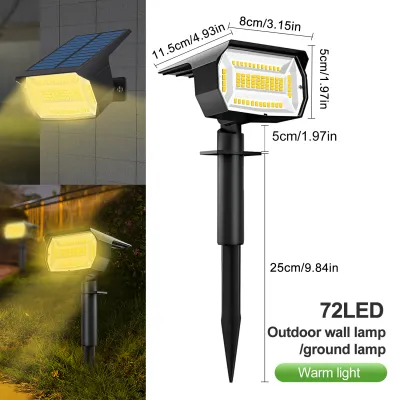
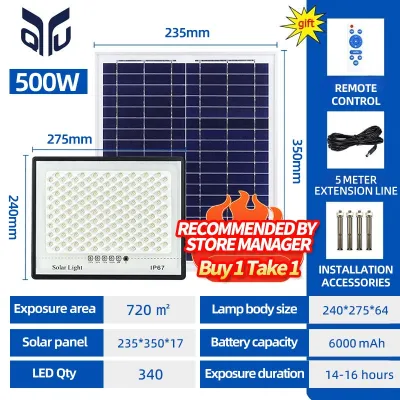
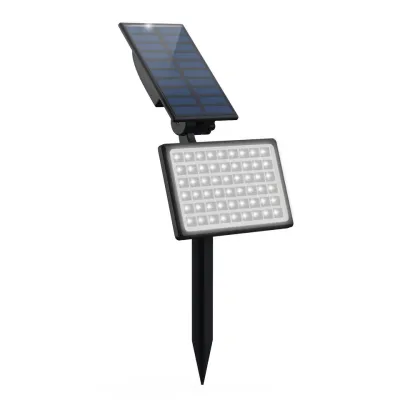
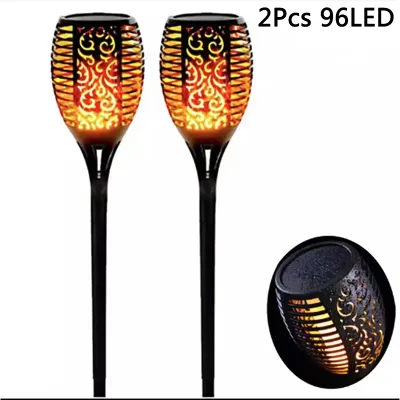
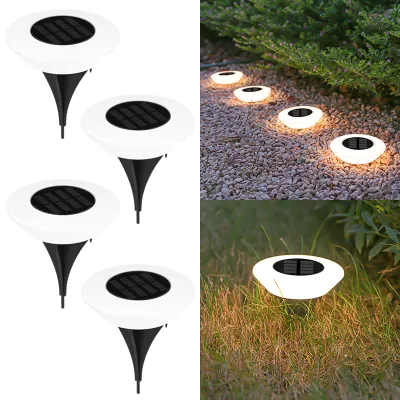
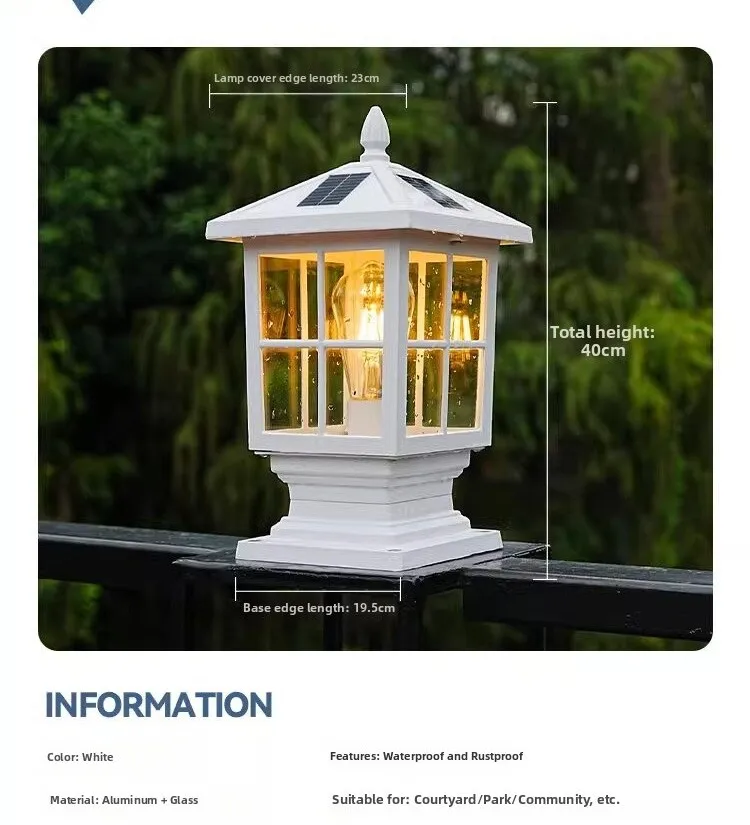
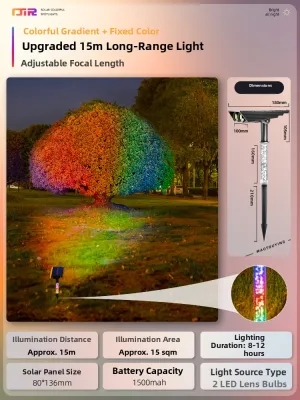
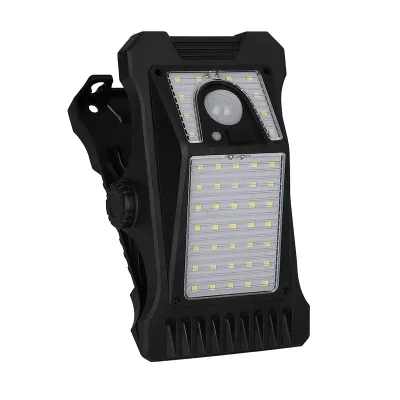
Prices are valid at publication and may change. Please refer to the product page for the latest price.
The second digit ranges from 0 to 9 and focuses entirely on liquid ingress, which is the primary concern for weather resistance. This number indicates how well the light’s housing prevents water from reaching the electrical components during rain, humidity, or watering cycles. While a higher number signifies a tighter seal against water pressure, you do not always need the maximum possible rating for every corner of your property.
Common IP Ratings for Solar Garden Lights and What They Protect Against
When shopping for an outdoor light solar system, you will primarily encounter three standard IP ratings. Each rating corresponds to a specific level of exposure to moisture and environmental stress, helping you determine where the fixture can safely be installed.

An IP44 rating indicates that the fixture is protected against solid objects larger than one millimeter and splashing water from any direction. This level of protection is highly suitable for sheltered outdoor areas, such as covered patios, balconies, or directly under roof eaves. While these lights can handle light moisture and humidity, they are not designed to withstand direct, heavy downpours or high-pressure water streams.
An IP65 rating offers a much higher level of defense, certifying that the light is completely dust-tight and protected against low-pressure water jets from any angle. This makes IP65 solar lights ideal for fully exposed areas of your garden, including open lawns, driveways, fence lines, and garden beds. They can reliably endure direct rainfall and the occasional spray from a standard garden hose without short-circuiting.
An IP67 rating provides complete protection against dust and allows the fixture to withstand temporary immersion in water, typically up to one meter of depth for a limited duration. This rating is essential for ground-level spike lights, path lights in low-lying garden zones, or fixtures installed near water features where puddling is common. If your garden experiences heavy tropical downpours that cause temporary localized flooding, IP67 lights offer the necessary security.
It is important to remember that these ratings only measure resistance to water and dust ingress. They do not guarantee protection against physical impacts, extreme temperature fluctuations, or degradation caused by prolonged ultraviolet (UV) exposure from the sun.
How to Match the IP Rating to Your Specific Placement
Selecting the right IP rating involves analyzing the exact physical environment where each outdoor light solar fixture will live. By matching the protection level to the exposure risk, you can build a reliable lighting setup while managing your budget effectively.
Begin by assessing the installation height and any overhead coverage. Wall-mounted sconces positioned under a deep awning or porch roof are shielded from the worst of the weather, making an IP44 rating perfectly adequate. Conversely, ground-level path lights or spotlight fixtures mounted on exposed posts have no overhead protection and must carry at least an IP65 rating to survive direct weather exposure.
Next, evaluate the local microclimate and nearby water sources. If your garden features an automated sprinkler system, the lights will regularly face pressurized water sprays, requiring an IP65 rating even if they are partially sheltered. For low-lying areas of the yard where rainwater tends to accumulate and form temporary puddles, ground-embedded lights must have an IP67 rating to prevent water from seeping into the battery compartment during heavy storms.
Balancing your practical needs against product specifications prevents over-specification. While it might be tempting to buy IP67-rated lights for the entire garden, reserving these high-protection models for vulnerable ground spots and using IP44 or IP65 models for sheltered walls and fences is a more cost-effective approach.
Installation and Maintenance Checks for Weatherproof Solar Lights
Even a high-quality IP-rated solar light can fail if it is installed incorrectly or if its protective seals are compromised over time. Performing basic checks during setup and routine maintenance preserves the factory-engineered weatherproofing.
Before installing any new solar light, carefully inspect the rubber seals, O-rings, and battery compartment latches. Ensure that the seals are lying completely flat in their grooves and that the battery cover is screwed down tightly and evenly. A pinched O-ring or a loose screw can easily create a gap that allows moisture to bypass the protective housing.
Verify the battery voltage, base interface, and electrical certification labels on the product packaging before deployment. If your outdoor lighting setup involves any fixed mains wiring—such as a hybrid solar system connected to a backup power source—always isolate the power before handling, follow the manufacturer’s installation instructions, and consult a qualified professional to manage the electrical connections safely.
Avoid opening the waterproof compartments or battery bays during wet, foggy, or highly humid conditions. Trapping humid air inside the sealed housing can lead to internal condensation when the temperature drops, which can slowly corrode the delicate circuitry.
Regularly clean the solar panels to remove dust, pollen, and bird droppings, ensuring optimal charging efficiency. Additionally, check that any built-in drainage holes on the bottom of the light housing remain clear of soil, mulch, or fallen leaves so that water can drain away freely rather than pooling around the base.
Frequently Asked Questions (FAQ)
Can I leave IP65 solar lights outside during heavy rainstorms?
Yes, IP65-rated solar lights are designed to withstand heavy rainstorms and low-pressure water sprays, making them safe for year-round outdoor use in most climates. However, if your area experiences an exceptionally severe storm with high winds, it is wise to inspect the fixtures afterward. Check for any physical damage, cracked housings, or loose seals that might have allowed water to penetrate the protective casing during the storm.
Does a higher IP rating mean the solar light will last longer?
A higher IP rating prevents water and dust damage, but it does not guarantee a longer overall lifespan for the entire fixture. The longevity of a solar light also depends on the quality of its internal rechargeable battery, the durability of the LED components, and how well the plastic housing resists UV degradation from the sun. Regular maintenance and choosing high-quality materials are just as important as the IP rating itself.

Community discussion
Share your experience or ask a question. Comments are reviewed before publication.