
Finding a reliable solar table lamp for daily use in Singapore does not come down to a single brand name, but rather how well a lamp’s technical specifications align with your home’s unique light exposure and environmental conditions. In Singapore’s tropical climate, where bright afternoon sun can quickly give way to sudden downpours and high humidity, a dependable solar lamp must balance efficient energy conversion with robust weatherproofing. Instead of relying on generic brand promises, evaluating key performance metrics—such as solar panel efficiency, battery chemistry, and ingress protection—allows you to select a durable model that delivers consistent light night after night.
Core Metrics for Evaluating Solar Table Lamps
To determine how a solar table lamp will perform in your home, you must first look at the solar panel technology integrated into the design. Monocrystalline silicon panels offer the highest energy conversion rates, making them the preferred choice for areas that receive indirect sunlight or partial shade, such as high-rise balconies or deep window sills. Polycrystalline panels, while often more budget-friendly, require longer exposure to direct, unobstructed sunlight to achieve the same charge, which may limit their utility in dense urban residential layouts.
The battery is the heart of the lamp, determining both how long the light stays on and how many years the unit will last. Lithium-ion (Li-ion) and lithium iron phosphate (LiFePO4) batteries are standard in modern, high-quality solar lamps due to their high energy density, lightweight profile, and ability to withstand hundreds of charge cycles without significant capacity loss. Older or lower-cost models may still use Nickel-Metal Hydride (NiMH) batteries, which generally have a shorter lifespan, lower energy density, and a higher susceptibility to memory effects that degrade performance over time.
Products mentioned in this guide
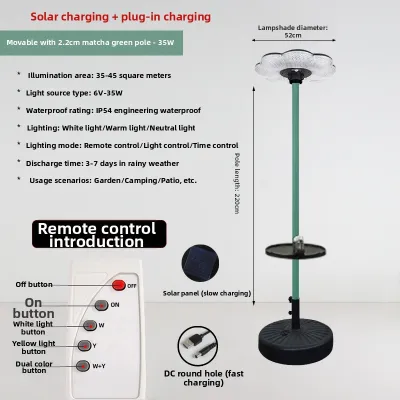
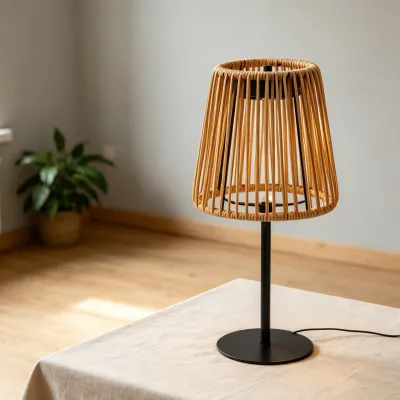
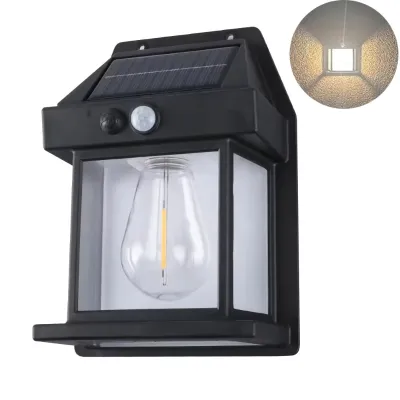
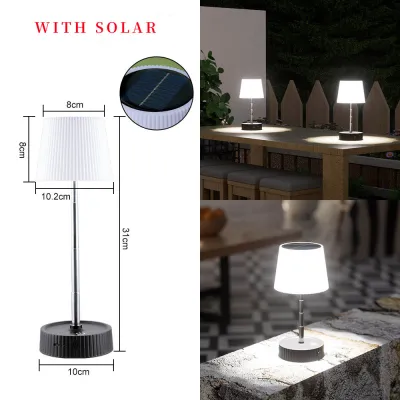
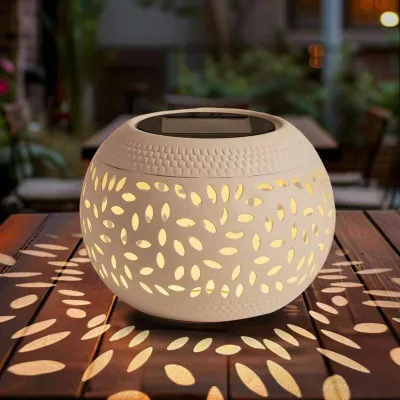
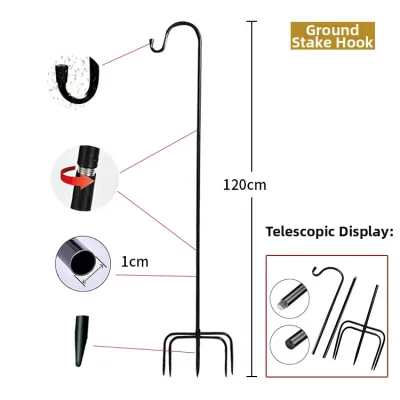
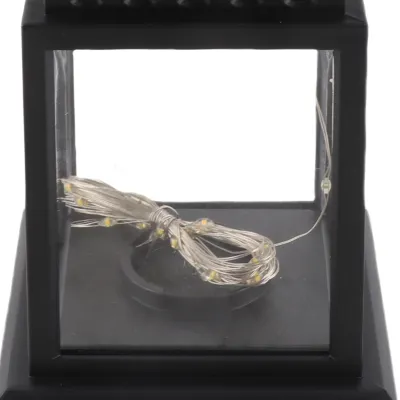
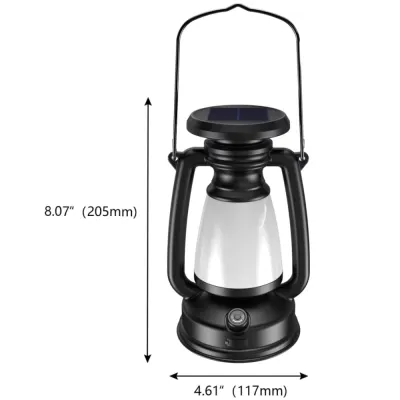
Prices are valid at publication and may change. Please refer to the product page for the latest price.
Finally, light output must be evaluated using lumens rather than wattage, as LED efficiency varies across different brands. For ambient evening relaxation on a patio, a soft output of 50 to 100 lumens is typically sufficient, whereas focused tasks like reading require a lamp capable of delivering 200 lumens or more. Color temperature, measured in Kelvin (K), also plays a crucial role in visual comfort; a warm white light of 2700K to 3000K creates a cozy, inviting atmosphere, while a cooler light of 4000K or higher is better suited for task-oriented spaces.
Comparing Build Quality and Durability
Daily use in a tropical environment demands materials that can withstand both intense ultraviolet (UV) radiation and high ambient humidity. Low-grade plastics tend to become brittle, yellow, and crack after prolonged exposure to sunlight, which can compromise the lamp’s internal electronics. When comparing models, look for UV-stabilized polycarbonate, powder-coated aluminum, or marine-grade stainless steel, which offer superior resistance to weathering and accidental drops.

Moisture protection is another critical factor, especially if you plan to use the lamp on an open balcony, patio, or near a window that might be left open during a sudden rain shower. Check the manufacturer’s specifications for an Ingress Protection (IP) rating, which consists of two numbers indicating dust and water resistance respectively. A rating of IP44 is generally the minimum required for sheltered outdoor areas, as it protects against splashing water from any direction, while an IP65 or higher rating ensures the lamp is completely dust-tight and protected against water jets.
Physical stability is often overlooked but remains vital for a portable table lamp. A top-heavy design with a lightweight plastic base is easily tipped over by strong corridor winds or accidental bumps. Opt for lamps that feature a weighted base, non-slip rubberized feet, and sturdy, adjustable joints if the lamp head is designed to tilt, ensuring the unit remains secure on various surfaces.
Assessing Charging Efficiency and Battery Longevity
Evaluating charging efficiency requires a realistic look at manufacturer specifications, as some brands advertise idealized performance figures that are difficult to replicate in daily domestic settings. To spot unrealistic claims, cross-reference the stated charging time with the solar panel’s wattage and the battery’s milliampere-hour (mAh) capacity. For example, a large 4000 mAh battery paired with a tiny, low-wattage solar panel will require many more hours of direct sunlight to fully charge than a model with a more balanced panel-to-battery ratio.
High-quality solar lamps incorporate sophisticated charge controllers within their circuitry to protect the battery from the harsh realities of daily solar cycling. Look for models that explicitly list overcharge protection, which prevents damage when the lamp sits in intense sun all day, and deep-discharge protection, which cuts off power before the battery drains to a level that could permanently damage its chemistry. These safety features are essential for extending the overall lifespan of the battery and maintaining consistent performance over several years.
Over time, all rechargeable batteries will exhibit signs of natural degradation, such as a rapidly decreasing runtime or an inability to hold a charge through the night. When choosing a solar table lamp, consult the product manual to verify if the battery is user-replaceable or if it is permanently sealed within the housing. If you ever observe physical swelling, warping of the lamp casing, or fluid leakage, immediately stop using the device, isolate it from flammable materials, and contact the manufacturer or a qualified recycling professional for safe disposal instructions.
Evaluating Light Output and Usability Features
When comparing the light output of different solar table lamps, it is important to distinguish between raw lumen ratings and effective illumination. A lamp with a high lumen count can still perform poorly if its lens or diffuser design causes harsh glare or casts uneven shadows across your tabletop. Look for models featuring frosted or milky diffusers that distribute light evenly, or adjustable shade designs that allow you to direct the beam precisely where it is needed without shining directly into your eyes.
Usability is significantly enhanced by flexible control options, such as step-less dimming or multiple pre-set brightness levels. This flexibility allows you to conserve battery power on overcast days by running the lamp on a lower setting, while still having access to maximum brightness when performing detailed tasks. Some advanced models also offer dual color temperature modes, allowing you to switch from a cool white light for daytime focus to a warm amber glow for evening wind-down routines.
Automated features can streamline your daily routine but should be chosen based on your specific placement. Dusk-to-dawn sensors automatically turn the lamp on as daylight fades, which is highly convenient for outdoor accent lighting but can be frustrating if you keep the lamp in a bedroom where you prefer complete darkness at night. Ensure the lamp features a manual override switch so you can completely turn off the light and the sensors whenever necessary.
Decision Framework: Matching Lamp Specs to Your Needs
To make an informed purchase, you should match the lamp’s technical profile to your primary intended use. If your goal is to have a dedicated reading or working light on a study desk or balcony table, prioritize high-lumen output (200+ lumens), adjustable color temperatures, and a high-capacity lithium battery. These specifications ensure you have bright, comfortable light that lasts for several hours of continuous focus, even if the lamp has to be positioned slightly away from direct sunlight during the day.
If you are primarily seeking decorative accent lighting to create a warm ambiance on a patio, dining table, or along a corridor, a different set of specifications is more appropriate. Look for compact, lower-lumen models (50 to 100 lumens) equipped with automated dusk-to-dawn sensors and a warm color temperature (2700K). These lamps require less power to run, allowing them to operate reliably on smaller batteries and more compact solar panels that blend seamlessly into your decor.
It is also crucial to recognize when a purely solar-powered lamp may not be the right fit for your space. If your intended placement is a windowless room, a deep interior hallway, or an apartment facing a narrow light well that receives virtually no natural light, a standard solar panel will not be able to charge. In these scenarios, verify if the manufacturer supports indoor ambient light charging, or opt for a hybrid model that features a USB backup charging port, allowing you to charge the lamp via a standard wall outlet when natural sunlight is insufficient.
Frequently Asked Questions (FAQ)
Can I charge a solar table lamp indoors without direct sunlight?
While some highly sensitive solar panels can draw a minimal charge from ambient indoor lighting or standard household light bulbs, this process is highly inefficient. Charging a solar table lamp under indoor ambient light typically takes several times longer than charging it under direct sunlight, and it rarely provides enough energy to fully power the lamp for daily use. Before purchasing, always verify the manufacturer’s specifications to see if indoor charging is explicitly supported, and consider placing the lamp on a sunny window sill or balcony during the day to ensure it receives adequate solar exposure.
How do I know when the battery in my solar lamp needs replacing?
The most common sign of battery degradation is a significant and sudden reduction in the lamp’s runtime, such as a light that used to last for eight hours now turning off after only one or two. Other indicators include flickering when the lamp is set to its highest brightness level, or a complete failure to turn on even after a full day of charging in direct sunlight. If you suspect battery failure, check the product manual to confirm if the battery is user-replaceable, and always use replacement cells that match the exact voltage, chemistry, and interface specifications recommended by the manufacturer to avoid safety hazards.

Community discussion
Share your experience or ask a question. Comments are reviewed before publication.