
Choosing the right material for a pooja altar in Singapore requires balancing spiritual significance with the practical realities of a tropical climate. There is no single “best” material for every home; instead, the ideal choice depends on how you balance humidity resistance, budget, maintenance willingness, and aesthetic preferences. Solid wood, medium-density fibreboard (MDF), and metal each offer distinct advantages and trade-offs when subjected to Singapore’s year-round warmth and high humidity.
Key Selection Criteria for Pooja Altars in a Tropical Climate
Singapore’s climate is characterized by high relative humidity, often exceeding 80% daily. This moisture-rich air can cause organic materials to swell, warp, or attract mold, while metals may face accelerated oxidation if left unprotected. Understanding how these environmental factors interact with different materials is the first step in selecting an altar that will endure for generations.
Weight and structural stability are critical, particularly in Singaporean apartments like HDB flats or condominiums. Wall-mounted altars must be securely anchored to the wall. Concrete walls offer excellent support, but drywall partitions require careful stud-finding and specialized anchors to prevent structural failure.
Products mentioned in this guide
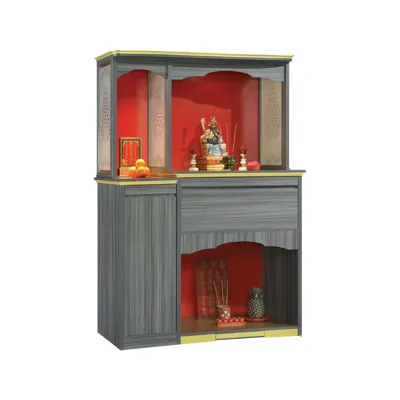
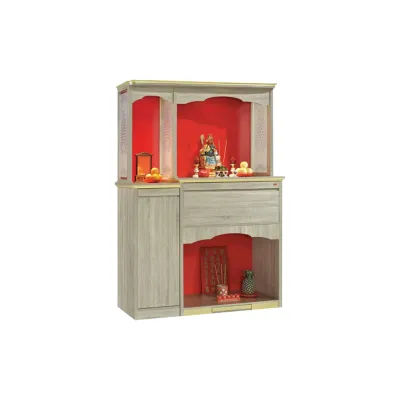
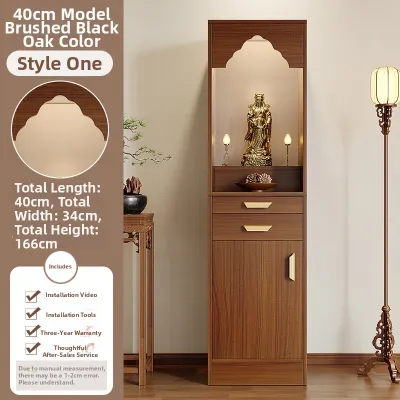
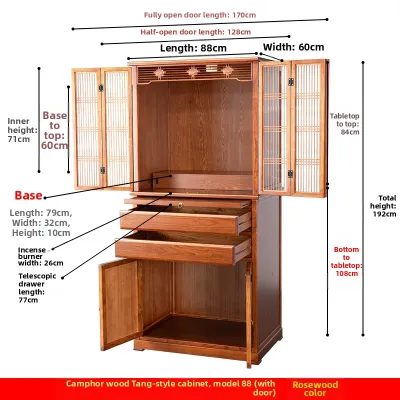
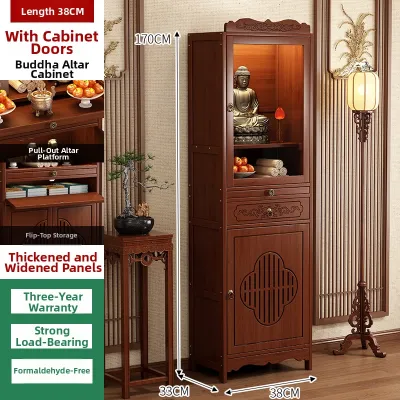
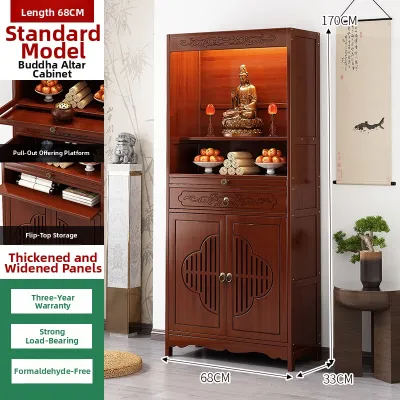
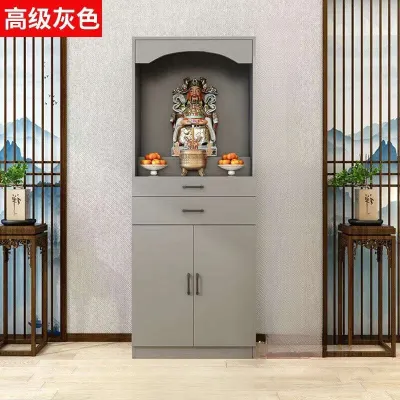
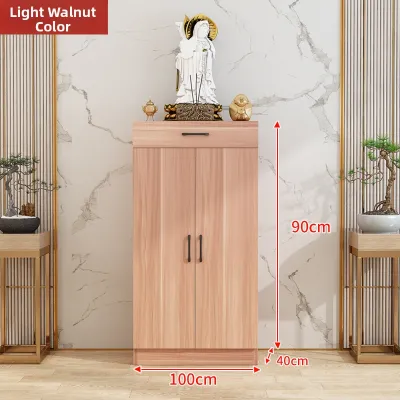
Prices are valid at publication and may change. Please refer to the product page for the latest price.
Daily rituals involve heat, oil, ghee, and incense. Soot and grease accumulate over time, meaning the altar surface must withstand regular wiping and mild cleaning agents without losing its finish.
Aesthetic integration is also key. Whether your home features a contemporary minimalist design or a highly traditional layout, the altar should complement your existing interior decor while respecting sacred traditions.
Solid Wood Pooja Altars: Traditional Appeal and Care
Solid wood remains the classic choice for a pooja mandir, prized for its natural grain, substantial weight, and traditional craftsmanship. Common varieties like teak, rosewood, or sheesham are highly sought after for their longevity and spiritual resonance.

However, natural timber is highly sensitive to moisture and temperature fluctuations. In Singapore’s humid environment, untreated wood can absorb moisture, leading to warping, cracking, or termite infestations. It is essential to verify that the wood has been properly seasoned, kiln-dried, and treated with a high-quality sealant or polyurethane finish to block moisture ingress.
Teak is often favored because its natural oils provide a baseline resistance to pests and moisture. However, even premium teak requires a protective topcoat to prevent the wood from drying out or cracking when exposed to the dry air of air-conditioned rooms followed by sudden shifts to natural tropical humidity.
Weight is a major factor for solid wood units. Floor-standing models are incredibly stable but require a dedicated footprint. If you opt for a wall-mounted solid wood altar, it constitutes a significant suspended load. For safety, always follow the manufacturer’s installation instructions and engage a qualified professional to mount the unit securely to concrete or structural studs.
Maintaining solid wood requires consistency. In homes that alternate between air-conditioning and natural ventilation, the rapid shifts in humidity can stress the wood. Regular dusting and occasional polishing with wood-safe oils are necessary, and you must avoid harsh chemical cleaners that strip the protective topcoat.
If your solid wood altar features integrated LED lighting, verify the voltage compatibility, wattage limits, and electrical safety certifications to ensure safe operation in your home.
MDF (Medium-Density Fibreboard) Altars: Budget and Design Flexibility
Medium-Density Fibreboard (MDF) is an engineered wood product made by breaking down hardwood or softwood residuals into wood fibres, combining them with a wax and resin binder, and forming panels under high temperature and pressure. It is a highly popular option for modern homes due to its affordability and smooth, uniform surface.
The primary vulnerability of MDF is its low tolerance for moisture. If water penetrates the protective outer layer—whether it is a laminate, veneer, or paint—the underlying fibres will absorb the liquid, swell, and permanently deform. This makes edge banding quality a critical point of inspection; any gaps or peeling can expose the core to Singapore’s humid air.
When shopping for engineered wood altars, check if the manufacturer uses High Moisture Resistant (HMR) MDF. While standard MDF swells easily when exposed to moisture, HMR boards are formulated with special resins that offer better stability in humid climates, though they still require proper edge sealing.
On the positive side, MDF is highly versatile. It allows for intricate, clean CNC-cut patterns, such as delicate jali screens or geometric motifs, which are difficult or expensive to carve in solid wood. It is also lighter than solid wood, making it easier to transport and mount.
MDF altars are best suited for dry, well-ventilated, or consistently air-conditioned spaces. If you plan to place your altar in an area prone to ambient moisture, ensure the unit is fully sealed on all sides, including the back and bottom edges that face the wall or floor.
For MDF units with built-in lighting fixtures, always check the wiring paths and ensure the electrical components are certified to prevent overheating risks within the enclosed engineered wood structure.
Metal Pooja Altars: Durability and Modern Aesthetics
Metal pooja altars, often crafted from stainless steel, brass, copper, or powder-coated iron, offer a highly durable and contemporary alternative. These materials are completely immune to termites, warping, and rot, making them exceptionally resilient in tropical climates.
While metal is highly durable, it is not entirely maintenance-free. In humid environments, iron-based metals can rust if their protective powder coating or paint is scratched, chipped, or worn away. Brass and copper do not rust in the traditional sense, but they will naturally oxidize and develop a patina over time unless polished regularly.
For maximum rust resistance, look for stainless steel options, particularly grade 304, which is highly resistant to corrosion. If opting for mild steel or iron, verify that the powder coating is thick and uniform, as any exposed metal will quickly oxidize in Singapore’s salty, humid air.
One of the greatest advantages of a metal altar is its superior heat resistance. Traditional rituals involving open flames from oil lamps (diyas) or hot incense burners pose no risk of scorching or igniting a metal surface, providing peace of mind during daily prayers.
Cleaning a metal altar is relatively straightforward, as soot and oil residue can be wiped away easily. However, you must avoid abrasive scrubbing pads or harsh acidic cleaners that can scratch the protective coatings or accelerate tarnishing. Soft microfiber cloths and mild, pH-neutral soapy water are recommended.
Pooja Altar Material Comparison Matrix
The following table summarizes the key trade-offs of each material to help you evaluate which option aligns best with your household’s environmental conditions and maintenance preferences.
| Material | Humidity Resistance | Maintenance Level | Weight | Aesthetic Style | Ideal Placement |
|---|---|---|---|---|---|
| Solid Wood | Moderate (Requires sealant) | High (Regular polishing) | Heavy | Traditional / Classic | Living room, dedicated prayer room |
| MDF | Low to Moderate (Vulnerable if unsealed) | Low to Moderate (Easy wipe, avoid wet spills) | Light to Medium | Modern / Minimalist / Jali | Air-conditioned living spaces, dry areas |
| Metal | High (Rust-resistant if coated) | Low to Moderate (Occasional metal polish) | Medium to Heavy | Contemporary / Industrial | Well-ventilated areas, spaces with active flame use |
Note: The performance and longevity of any pooja altar depend heavily on the manufacturer’s specific finishes, protective coatings, and build quality. Always inspect the product specifications before finalizing your purchase.
Decision Framework: Which Material Should You Choose?
To make the right choice for your Singapore home, evaluate your daily habits, budget, and living space:
Choose Solid Wood if you prioritize traditional aesthetics, value long-term durability, have a flexible budget, and are willing to perform regular maintenance to protect the timber from humidity fluctuations.
Choose MDF if you are working with a strict budget, prefer lightweight or highly customized CNC-cut designs, and can place the altar in a dry, climate-controlled room away from direct water exposure.
Choose Metal if you want a low-maintenance, highly fire-safe option that resists humidity and termites, especially if you prefer a modern or industrial aesthetic.
Verify First: Before purchasing any altar, check the manufacturer’s weight limits (especially for wall-mounted units), verify the type of protective coating used, and review the warranty terms to ensure it meets your household’s specific needs.
Frequently Asked Questions (FAQ)
Can I place a solid wood pooja altar in the kitchen?
Placing a solid wood pooja altar in the kitchen is generally not recommended due to the high levels of humidity, airborne grease, and heat generated during cooking. These environmental factors can accelerate the degradation of the wood’s protective sealant, leading to warping, staining, and deep-seated grease buildup that is difficult to clean. If space constraints require a kitchen placement, consult the manufacturer’s guidelines regarding heat and moisture exposure, or consider a metal altar which is much easier to degrease and clean.
How do I protect an MDF altar from humidity damage?
To protect an MDF altar from Singapore’s high humidity, ensure it is placed in a well-ventilated area, ideally one that benefits from regular air-conditioning to keep moisture levels low. Avoid using wet cloths for cleaning; instead, use a dry or slightly damp microfiber cloth and immediately wipe the surface dry. Regularly inspect the edges, joints, and laminate seams for any signs of peeling or cracking, and address any damage promptly to prevent ambient moisture from reaching the inner MDF core.
Is it safe to place oil lamps directly on a metal altar?
While metal is inherently heat-resistant and will not catch fire, placing hot oil lamps (diyas) directly on a metal surface can still cause issues. The intense heat can discolor or blister certain powder coatings, paints, or protective lacquers applied to the metal. To preserve the finish of your altar, check the manufacturer’s instructions regarding heat limits, and use heat-resistant coasters, brass plates, or stone mats under any active heat sources.

Community discussion
Share your experience or ask a question. Comments are reviewed before publication.