
Selecting the ideal stone diffuser brand for your home in Singapore requires looking beyond visual appeal to evaluate how the device disperses scent, fits your room’s dimensions, and handles the local tropical climate. Because different brands specialize in distinct technologies—ranging from completely silent, passive clay ornaments to high-output ultrasonic units encased in real marble or ceramic—your choice should align with your specific spatial needs and daily routines. By focusing on build quality, electrical safety certifications, and maintenance requirements, you can find a reliable model that seamlessly integrates into your living space.
How Stone Diffusers Work for Daily Use
Understanding the mechanism behind stone diffusers is the first step in choosing the right brand for your daily routine. Unlike standard plastic diffusers, stone models utilize natural or high-fired porous materials to disperse essential oils into the air. The term “stone diffuser” generally refers to two distinct categories: passive evaporative diffusers and active ultrasonic diffusers with stone casings. Each serves a different purpose depending on how much scent and moisture you want to introduce to your room.
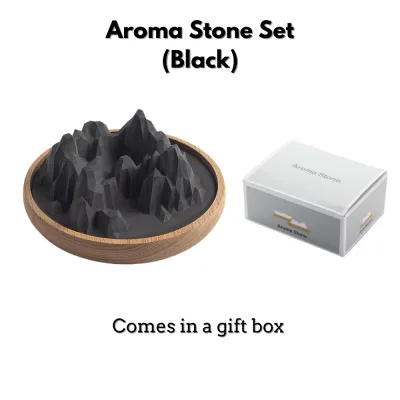
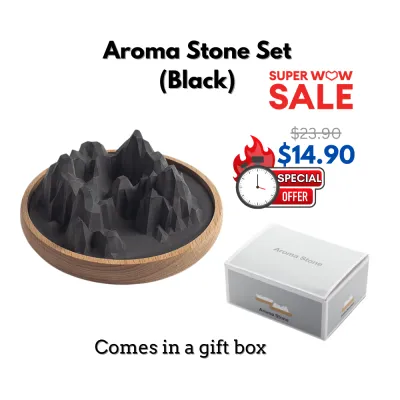
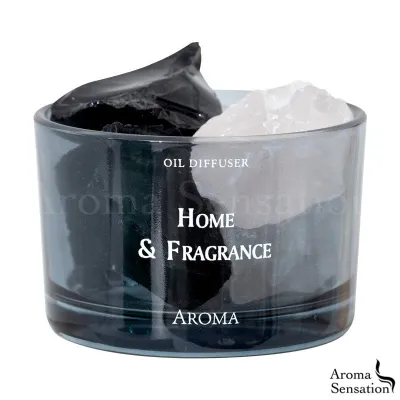
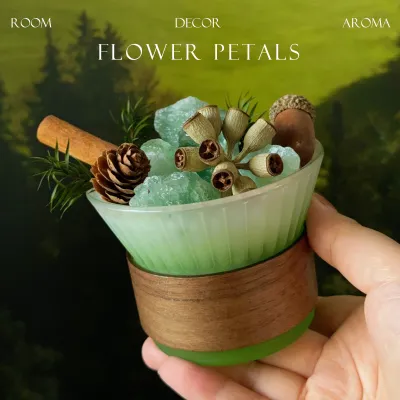
Passive stone diffusers rely entirely on natural evaporation. These are crafted from highly porous, unglazed materials such as volcanic lava rock, gypsum plaster, clay, or soft ceramic. You apply a few drops of essential oil directly onto the dry stone surface, which absorbs the liquid and slowly releases the aroma into the immediate surroundings over several hours. Because they require no electricity, water, or heat, passive diffusers are completely silent and do not increase the humidity of your room, making them incredibly low-maintenance.
Products mentioned in this guide
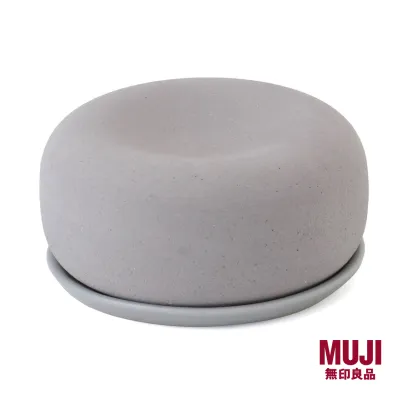
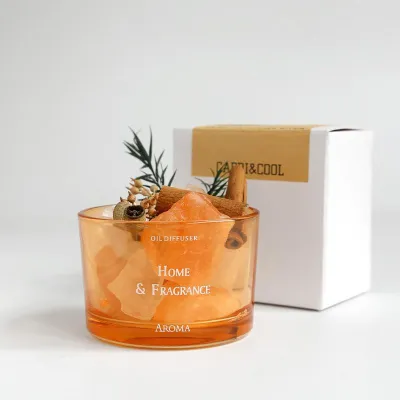
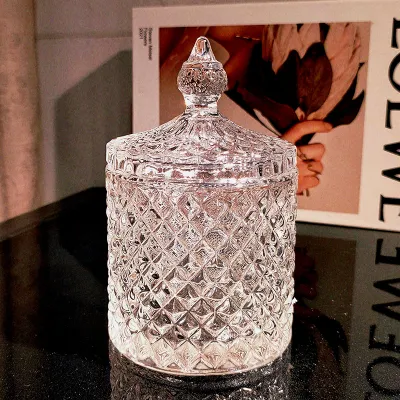
Prices are valid at publication and may change. Please refer to the product page for the latest price.
Active stone diffusers, on the other hand, are electrical appliances. They feature an internal water reservoir and an ultrasonic transducer plate, but they are shrouded in a heavy, decorative outer cover made of porcelain, ceramic, or carved marble. When turned on, the ultrasonic plate vibrates at a high frequency to break down water and essential oils into a fine, cool mist. This mist is then dispersed into the room, providing a much stronger scent throw and a mild humidifying effect.
For daily use in Singapore, passive stone diffusers are highly suited for localized areas like a bedside table, a study desk, or inside a wardrobe where you want a subtle, continuous scent without managing water levels. Active stone diffusers are better suited for open living areas or air-conditioned rooms where you want to actively control the scent intensity and enjoy the visual appeal of a rising mist.
Core Features to Compare When Evaluating Brands
When comparing different stone diffuser brands, having a structured checklist of specifications ensures you select a model that is both functional and durable. Because brands vary widely in their manufacturing standards, verifying these core features will help you avoid common performance issues.

First, evaluate the diffusion method and the manufacturer’s specified coverage area. If you are looking at active ultrasonic stone diffusers, check the water tank capacity, which typically ranges from 80ml to 200ml. A larger tank generally translates to longer run times, but the weight of the stone cover is also an important factor. Ensure the outer stone shroud is easy to lift off the base for refilling, yet heavy enough to sit securely without wobbling. For passive stones, look at the surface area of the porous material; a larger, more textured stone will hold more oil and provide a slightly wider scent radius.
Operational noise levels are another critical consideration, especially if you plan to use the diffuser while sleeping or working. Passive stone diffusers operate in absolute silence. For active ultrasonic brands, look for decibel (dB) ratings in the product specifications. High-quality brands typically design their internal fans and baffling systems to keep operational noise below 30 dB, which sounds like a quiet whisper. Be aware that some budget brands may have louder internal motors or produce a noticeable dripping sound as water condenses inside the stone cover.
Design aesthetics and material quality should also guide your comparison. Premium brands often use hand-crafted ceramic, solid travertine, or genuine marble, giving each diffuser a unique grain and a premium, tactile weight. Lower-cost brands may use composite resin mixed with stone powder, which can look similar from a distance but lacks the durability, heat resistance, and premium feel of natural stone. Additionally, consider the footprint of the device to ensure it fits comfortably on your shelves or side tables without crowding your decor.
Finally, examine the power consumption, timer settings, and safety features of electrical models. Look for brands that offer multiple timer intervals, such as one-hour, three-hour, or intermittent misting modes, which allow you to customize the scent delivery. Most importantly, verify that the active diffuser includes an automatic shutoff feature that instantly powers down the device when the water reservoir runs dry, protecting the ultrasonic plate from overheating and extending the lifespan of the appliance.
Decision Framework: Matching Brand Types to Your Space
To narrow down your choices, it helps to categorize stone diffuser brands into distinct profiles and match them to your specific lifestyle, spatial constraints, and experience level.
If your primary goal is interior integration and subtle, localized scenting, focus on minimalist lifestyle brands. These brands specialize in passive stone diffusers, often presenting them as sculptural art pieces, volcanic rock bowls, or compact clay spheres packaged in elegant metal tins. They are perfect for small bedrooms, home offices, or bathrooms. Because they do not require a power outlet, you can place them anywhere without worrying about unsightly cords or finding a nearby plug.
If you need to scent larger, open-concept spaces such as a combined living and dining area, prioritize premium wellness or appliance-focused brands that offer active ultrasonic stone diffusers. These brands invest heavily in high-output ultrasonic motors and durable, thick-walled ceramic or porcelain covers. The substantial weight of these covers helps dampen internal motor vibrations, resulting in a quieter operation that is ideal for spacious, high-traffic areas of your home.
For those who are new to aromatherapy and want to test the routine before committing to a premium piece, entry-level brands are a practical starting point. These brands typically offer basic ultrasonic diffusers with thin ceramic shells or faux-stone finishes. While they may lack the refined craftsmanship and longevity of high-end models, they allow you to experience daily oil diffusion and determine if you prefer active misting or passive scenting before investing in a more expensive, solid stone showpiece.
Regardless of the brand category you choose, always verify if the manufacturer or distributor provides accessible local customer support. Purchasing from a brand with a reliable local presence ensures you can easily source replacement parts, such as power adapters, internal silicone seals, or even a replacement stone cover if the original is accidentally dropped and cracked.
Safety and Compatibility Checks for Singapore Homes
Operating electrical appliances safely in Singapore requires attention to local utility standards and environmental conditions. When evaluating active stone diffusers, performing a few quick compatibility checks can prevent electrical hazards and protect your investment.
First, verify that the diffuser’s power supply is fully compatible with Singapore’s electrical grid, which operates on a standard voltage of 230V at a frequency of 50Hz. Ensure the device comes with a native Type G three-pin plug, or a high-quality, certified power adapter designed for local outlets. Avoid relying on cheap, unbranded travel adapters for daily-use appliances, as poor contact points can lead to overheating and pose a fire risk.
For added peace of mind, check if the active diffuser or its power adapter carries recognized safety certifications, such as the Enterprise Singapore Safety Mark. This mark indicates that the electrical components have undergone rigorous testing to meet local safety standards. If you are purchasing an imported stone diffuser online, double-check the input specifications on the power brick to confirm it can safely handle 230V input without requiring a voltage converter.
Singapore’s tropical climate, characterized by high relative humidity, also demands special consideration when using porous stone materials. Passive stone diffusers left in damp, unventilated spaces can absorb ambient moisture from the air alongside the essential oils. Over time, this trapped moisture can encourage mold growth or degrade the stone’s structure. To prevent this, place passive stones in well-ventilated areas or air-conditioned rooms, and allow them to dry out completely in a warm, dry spot periodically.
Lastly, confirm the warranty terms and service center locations before finalizing your purchase. A standard 12-month local warranty is highly desirable for active stone diffusers. Knowing there is a local service center means you can easily address any technical faults or component failures without the hassle and expense of shipping a heavy stone appliance back to an overseas manufacturer.
Maintenance Routines to Protect the Stone Surface
To keep your stone diffuser looking pristine and performing efficiently, establishing a gentle, regular maintenance routine is essential. Because natural stone and unglazed ceramics are porous, they require specific care to prevent staining and buildup.
For daily maintenance of both active and passive diffusers, start by dusting the exterior stone cover with a dry, soft microfiber cloth. Avoid using wet cloths or household cleaning sprays on unglazed stone surfaces, as these can seep into the pores and cause permanent discoloration. If the exterior of an active ceramic cover gets marked, a lightly damp cloth with water is usually sufficient to wipe it clean; always allow it to air dry completely before turning the device back on.
To clean the interior water reservoir of an active ultrasonic diffuser, empty any remaining water and wipe the tank with a soft cloth after every few uses. If you notice a buildup of essential oil residue or mineral scale on the ultrasonic plate, use a cotton swab dipped in a small amount of isopropyl alcohol or white vinegar to gently dissolve the residue. Never use harsh chemical detergents, bleach, or abrasive scrubbing pads on any part of the diffuser, as these can erode the delicate ultrasonic transducer and ruin the natural finish of the stone.
For passive stone diffusers, oil buildup is natural over time and can eventually clog the pores, reducing the scent throw. To refresh the stone, you can gently wipe the surface with a cotton pad soaked in isopropyl alcohol to help dissolve and lift the old oils. If your diffuser experiences a persistent clog, a drop in mist output, or an electrical fault, stop using the device immediately. Avoid attempting to disassemble the internal electrical housing yourself; instead, consult the manufacturer’s instruction manual or contact their customer service team for professional guidance.
Frequently Asked Questions (FAQ)
Can I use any essential oil in a stone diffuser?
Yes, you can use most essential oils, but prioritizing 100% pure essential oils is highly recommended for both passive and active stone diffusers. Avoid using thick carrier oils, such as jojoba, sweet almond, or coconut oil, as well as synthetic fragrance oils that contain heavy solvents. These thick liquids do not disperse easily and can permanently clog the microscopic pores of a passive stone or leave a stubborn, gummy residue on an active diffuser’s ultrasonic plate, which can eventually burn out the motor.
How long does the scent last in a passive stone diffuser?
In a passive stone diffuser, the scent typically lasts anywhere from a few hours to a couple of days after application, depending on several environmental factors. Because passive diffusion relies on natural evaporation, Singapore’s warm ambient temperatures can cause the top notes of essential oils to evaporate more quickly. Additionally, strong airflow from nearby ceiling fans, standing fans, or air conditioning units will disperse the aroma faster, meaning you may need to apply fresh drops of oil more frequently to maintain a consistent scent level.

Community discussion
Share your experience or ask a question. Comments are reviewed before publication.