
Choosing the right swaddle blanket involves balancing comfort, safety, and practicality. The ideal swaddle material depends on your baby’s skin sensitivity, the ambient temperature of the nursery, and your wrapping technique. There is no single fabric that suits every infant; instead, cotton, muslin, bamboo viscose, and synthetic blends each offer distinct physical properties. By understanding how these fibers behave, you can select a swaddle that keeps your newborn secure, comfortable, and safe from overheating. Rather than relying on marketing claims, parents can evaluate specific fabric characteristics to make an informed decision.
Key Fabric Properties to Evaluate Before Buying
Before purchasing any swaddle blanket, it is helpful to understand the physical criteria that determine how a fabric performs. The first factor is breathability, which refers to how easily air passes through the material. High breathability helps regulate your baby’s body temperature and reduces the risk of overheating during sleep.
Moisture-wicking capability is also essential. Babies frequently sweat or spit up, and a fabric that pulls moisture away from the skin helps keep them dry and comfortable, preventing skin irritation.
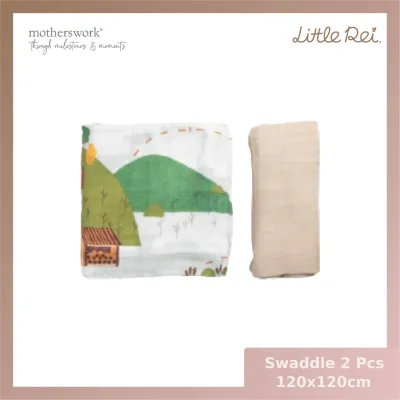
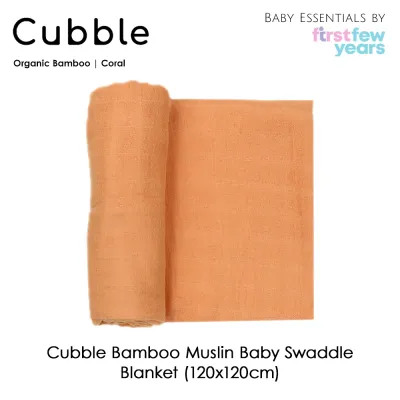
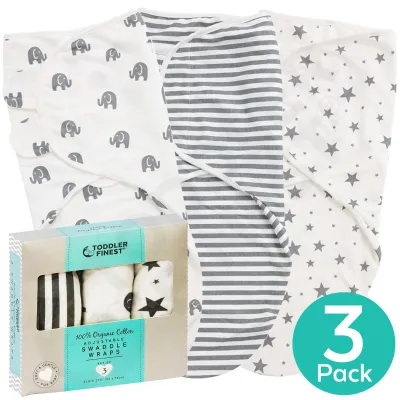
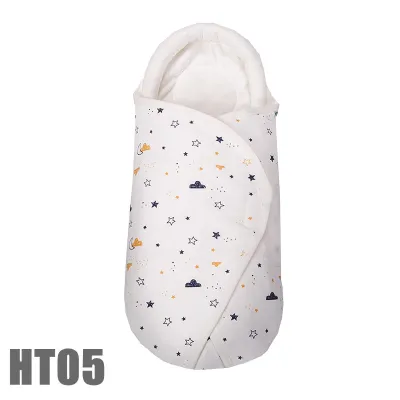
Products mentioned in this guide
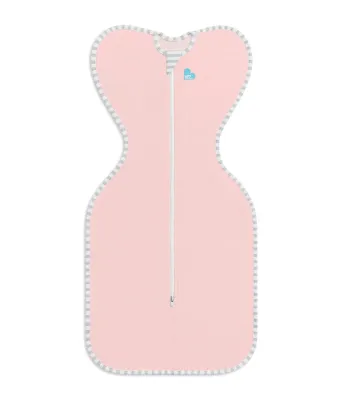
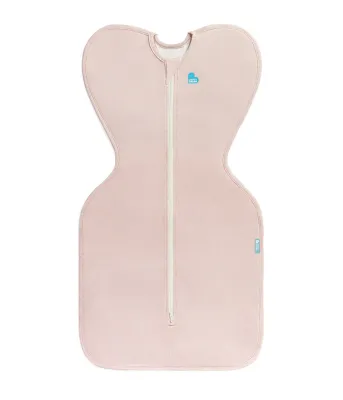
![[3 Sizes] Love To Dream Swaddle Up Original 1.0 TOG (Baby Zip Swaddle) Dusty Pink - 0M+| Baby Swaddle / Baby Swaddle Wrap / Swaddle / Swaddle For Newborn / Swaddle With Zip / Newborn Swaddle / Baby Blanket / Baby Zip Swaddle](https://img.lazcdn.com/g/p/56fcafaaed95fb8da030ebaea3e94feb.jpg_400x400q80.jpg_.webp)
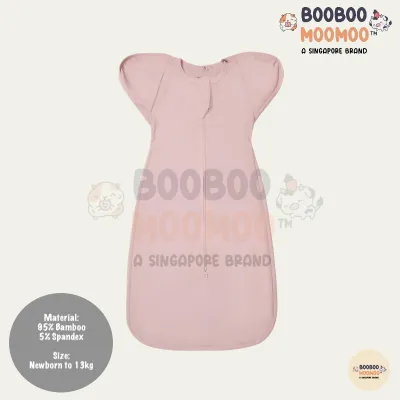
Prices are valid at publication and may change. Please refer to the product page for the latest price.
The physical structure of the fabric—specifically its stretch, drape, and friction—directly affects how secure the swaddle remains. A fabric with a slight diagonal stretch allows for a snug wrap that still permits natural chest expansion. Meanwhile, sufficient surface friction prevents the wrap from slipping loose, reducing the risk of loose fabric in the crib.
Finally, durability is a major practical consideration. Swaddle blankets require frequent washing, so a high-quality fabric must retain its shape and softness after dozens of laundry cycles.
Popular Swaddle Materials and Their Characteristics
When shopping for swaddles, it is easy to confuse the fiber content with the weave of the fabric. The fiber content refers to the raw material used, such as cotton or bamboo. The weave describes how those threads are constructed, such as a loose muslin weave. Understanding this distinction helps you evaluate the true characteristics of any blanket.

Cotton and Cotton Blends
Cotton remains a traditional choice for baby bedding due to its natural origin and reliable performance. Standard cotton fibers are strong, highly absorbent, and gentle on sensitive newborn skin. Cotton swaddles are available in various weights, from lightweight jersey knits to heavier flannel, making them highly adaptable to different temperatures.
One characteristic of pure cotton is its tendency to shrink slightly during the first few washes. To mitigate this, some manufacturers blend cotton with synthetic fibers or pre-shrink the fabric. Standard cotton jersey offers excellent stretch, which makes it highly forgiving for parents who are still mastering their swaddling technique, providing a cozy wrap that mimics the womb.
Muslin Weaves (Cotton or Bamboo)
Muslin is not a separate fiber, but rather a specific style of open, plain weave. This loose construction creates a lightweight, highly breathable fabric that allows heat to escape easily, making it an excellent option for warm climates. Muslin blankets are typically made from either cotton or bamboo viscose threads.
Cotton muslin is highly durable and becomes softer with every wash, developing a slightly crinkled texture that helps the swaddle stay securely tucked. Bamboo muslin offers a silkier feel and a more fluid drape, though it may require more careful handling to prevent snagging. Both options excel at keeping babies comfortable by preventing trapped heat.
Bamboo Viscose and Rayon
Bamboo-derived fabrics, often labeled as bamboo viscose or rayon, are popular due to their exceptionally smooth and silky texture. This material is highly suitable for babies with sensitive skin, as the smooth fibers minimize friction. Additionally, bamboo viscose has natural cooling properties and can absorb a significant amount of moisture.
However, bamboo fabrics require specific care to maintain their soft texture. They are prone to pilling if washed with rough items like zippers, and they often take longer to dry than cotton. Parents should check the care labels carefully, as many bamboo swaddles require cold washing on a gentle cycle and low-heat drying to prevent shrinkage.
Microfiber and Synthetic Blends
Synthetic fabrics, such as polyester microfiber or nylon blends, are frequently used in swaddle blankets to improve durability and reduce costs. These materials are highly resistant to wrinkling, dry very quickly, and retain their shape exceptionally well over time. They are also less prone to staining compared to natural fibers.
The primary trade-off with synthetic materials is their limited breathability. Polyester tends to trap heat and moisture close to the body, which can lead to discomfort in warm environments. If you choose a synthetic swaddle, it is best suited for air-conditioned rooms, and parents must monitor the baby closely to ensure they do not overheat.
Matching the Fabric to Your Environment and Baby
Selecting the right swaddle material requires looking at your specific living conditions and your baby’s unique needs. In a hot and humid climate like Singapore, managing heat is a primary concern. For homes without continuous air conditioning, lightweight and highly breathable fabrics like cotton muslin or bamboo muslin are ideal. These open-weave fabrics allow maximum airflow, helping to keep your baby’s body temperature stable during humid afternoons.
If your baby sleeps in an air-conditioned room, the environmental dynamics change. Air conditioning can create a cool, dry draft, which might make a single layer of thin muslin too cool. In these settings, a slightly heavier cotton jersey swaddle or a double-layered muslin blanket provides the necessary warmth while still allowing the skin to breathe. You can adjust the baby’s clothing underneath the swaddle to achieve the perfect balance of warmth.
Your baby’s skin type should also guide your material choice. If your newborn is prone to dry skin or heat rashes, prioritizing ultra-soft, smooth fibers like bamboo viscose or high-quality organic cotton is beneficial. Always verify the actual fabric content on the product tag rather than relying on front-of-pack marketing terms like “bamboo feel,” which may actually be synthetic polyester.
Finally, consider your own experience level with swaddling. Beginners often find stretchy fabrics, such as cotton jersey, easier to wrap securely because the material conforms easily to the baby’s body. More experienced parents may prefer the structured, non-stretch nature of cotton muslin, which relies on precise folding and friction to stay in place.
Care Instructions and Safety Verification
To maintain the safety and integrity of your swaddle blankets, proper care and verification are essential. Always follow the manufacturer’s washing and drying instructions printed on the care label. Using mild, fragrance-free detergents helps protect both the fabric fibers and your baby’s sensitive skin. Avoid fabric softeners, as they can leave a residue that reduces the absorbency and breathability of natural fibers like cotton and bamboo.
When purchasing swaddles, look past the prominent marketing claims on the packaging and inspect the actual fiber percentages on the care tag. Additionally, look for recognized textile safety certifications, such as the OEKO-TEX Standard 100 tag, which verifies that the fabric has been tested for harmful substances and is safe for infant use.
Regardless of the material you choose, safety monitoring is a continuous responsibility. Regularly check your baby for signs of overheating, such as damp hair, flushed cheeks, or a hot chest. If the swaddle fabric becomes worn, thin, or loses its elasticity, stop using it immediately, as loose threads or a failing wrap can pose a safety hazard in the crib.
Frequently Asked Questions (FAQ)
How many swaddle blankets do I actually need?
A practical starting point for most parents is to have three to five swaddle blankets on hand. This quantity allows for a manageable rotation: one in use, one in the laundry, and one clean backup ready for unexpected spit-ups or diaper leaks. If you do laundry less frequently, you may want to increase this number to six or seven. Having a mix of different weights, such as a couple of light muslin swaddles and a few stretchier cotton ones, ensures you are prepared for changing room temperatures.
Can I use a regular receiving blanket as a swaddle?
While you can technically use a receiving blanket, they are often less suitable for secure swaddling. Receiving blankets are typically smaller and made of thicker, less stretchy cotton flannel. The smaller size makes it difficult to wrap a growing baby securely, increasing the risk that the blanket will unravel during sleep. A loose blanket in the crib poses a safety hazard. Dedicated swaddle blankets are larger—usually at least 110 by 110 centimeters—and offer the specific stretch and drape needed for a secure, safe wrap.
When should I stop swaddling my baby?
You must stop swaddling your baby as soon as they show any signs of attempting to roll over. This developmental milestone typically occurs between two and four months of age, though it can happen sooner. Once a baby can roll, swaddling becomes dangerous because they need their arms free to adjust their position if they roll onto their stomach. When you see these signs, transition your baby to a wearable blanket, sleep sack, or transition suit that keeps their arms free while providing cozy comfort.

Community discussion
Share your experience or ask a question. Comments are reviewed before publication.