
Choosing the right cushion for swing chair setups requires balancing immediate tactile comfort with long-term durability against environmental wear. The ideal material is not a single universal winner; instead, it depends entirely on where your swing chair is placed and how much exposure it has to sunlight, humidity, and daily use. For indoor reading nooks, natural cotton offers exceptional breathability and softness. For sheltered balconies, polyester provides a resilient, budget-friendly middle ground. For fully exposed gardens or open patios, specialized outdoor fabrics like solution-dyed acrylics or treated synthetic blends are essential to withstand moisture and UV rays.
Because a swing chair cushion must conform to a curved or suspended frame, its material needs to be flexible yet supportive. Unlike standard sofa cushions that sit on flat, rigid bases, swing chair cushions dynamically support your body weight as the chair moves. This constant movement increases friction against both the chair frame and your clothing, making fabric selection critical for preventing premature wear. Understanding how cotton, polyester, and specialized outdoor fabrics perform under these conditions will help you make an investment that remains comfortable and attractive for years.
Understanding the Core Materials for Swing Chair Cushions
Cotton is a natural fiber celebrated for its exceptional softness and skin-friendly texture. It is highly breathable, allowing air to circulate freely around your body, which prevents heat buildup during long lounging sessions. However, cotton is highly absorbent, meaning it readily drinks in atmospheric moisture, sweat, and spills. Because it lacks inherent resistance to mold, mildew, and ultraviolet light, cotton cushions are best reserved for indoor spaces or fully shaded, climate-controlled environments.
Products mentioned in this guide
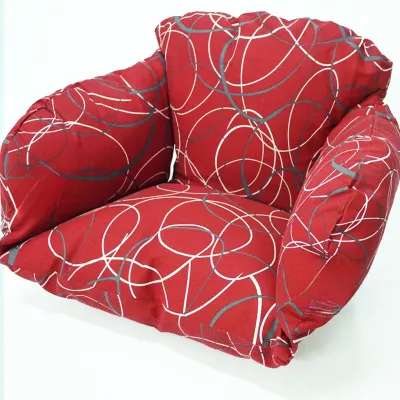
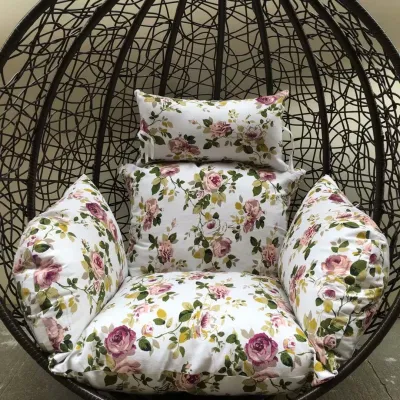
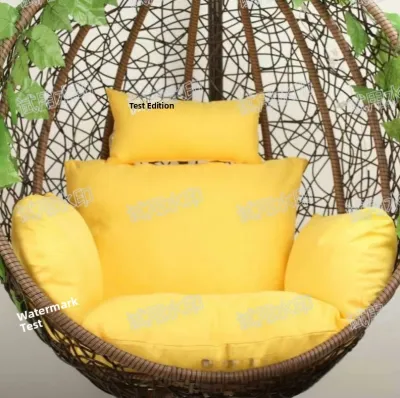
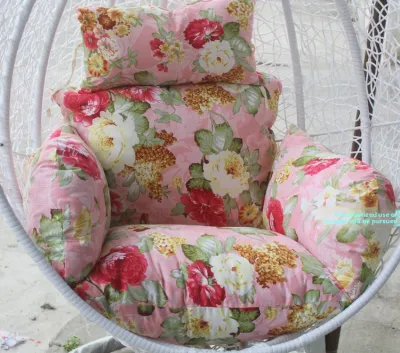
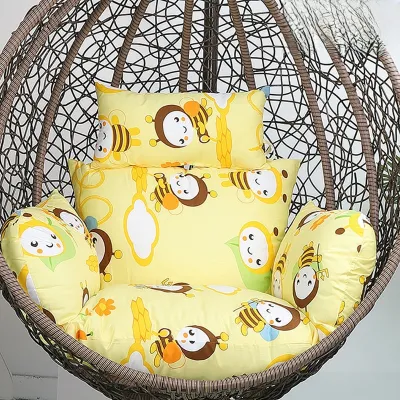
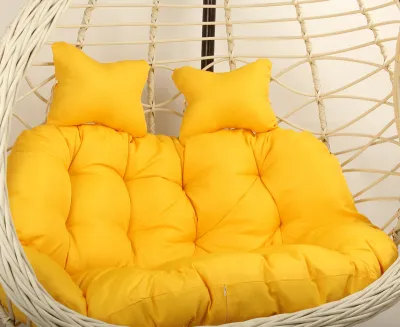
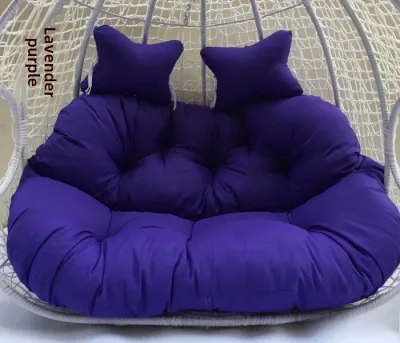
Prices are valid at publication and may change. Please refer to the product page for the latest price.
Polyester is a synthetic fiber known for its high resilience, wrinkle resistance, and cost-effectiveness. It is naturally hydrophobic, meaning it resists absorbing water and dries much faster than cotton. Standard polyester fibers are tough and hold their shape well under repeated compression, making them a popular choice for everyday household furniture. While standard polyester can trap heat more than natural fibers, its versatility and affordability make it an excellent option for indoor rooms and well-sheltered semi-outdoor spaces.
Outdoor fabric represents a category of specialized textiles engineered specifically to withstand harsh environmental exposure. This category includes solution-dyed acrylics, olefin, and heavily treated polyester blends designed to resist UV degradation and water penetration. In solution-dyed fabrics, the color pigments are added to the liquid polymer before the fibers are spun, ensuring the color runs all the way through the yarn rather than just sitting on the surface. This process prevents fading from intense sunlight and allows the fabric to tolerate robust cleaning methods, though you must always verify the manufacturer’s care label to confirm specific treatments.
Comparing Comfort, Durability, and Maintenance
Tactile comfort is highly dependent on the local climate, especially in warm and humid environments like Singapore. Cotton excels in these conditions because its natural fibers wick moisture away from the skin and allow excellent airflow, keeping you cool. Standard polyester can sometimes feel warm or sticky during extended use because synthetic fibers do not breathe as easily as natural ones. High-quality outdoor fabrics, particularly acrylics, are woven to mimic the soft feel of natural canvas while maintaining synthetic performance, offering a comfortable balance of softness and breathability.

Durability is determined by how well a fabric resists fading, pilling, and structural breakdown over time. Ultraviolet light from the sun is the primary enemy of cushion fabrics, as it breaks down chemical bonds, causing colors to fade and fibers to become brittle. Cotton degrades quickly under direct sunlight, losing its strength and vibrant color within a few months of outdoor exposure. Polyester offers moderate UV resistance, but untreated polyester will still fade and pill under consistent sun exposure. True outdoor fabrics are specifically engineered to resist UV rays and high-friction wear, maintaining their structural integrity and color brightness even when exposed to daily sunlight.
Maintenance requirements vary significantly based on the fiber type and any protective coatings applied to the fabric. Cotton cushions are generally easy to spot-clean, but they can shrink if machine-washed in hot water, and their high absorbency means they take a long time to dry, increasing the risk of internal mold. Polyester is highly practical for busy households because it resists shrinking, dries rapidly, and can often be machine-washed on gentle cycles. Specialized outdoor fabrics often feature water-repellent and stain-resistant surface treatments that cause liquids to bead up and roll off, making daily maintenance as simple as wiping the surface with a damp cloth.
Matching the Cushion Material to Your Swing Chair Setup
For indoor living rooms, bedrooms, or fully enclosed glass balconies, prioritizing tactile comfort and airflow is the best approach. Since these spaces are protected from rain and direct, unfiltered sunlight, you can freely choose natural cotton or soft polyester blends. These materials provide a cozy, inviting texture that enhances the relaxing experience of an indoor swing chair. They also allow you to match your interior decor with a wider variety of delicate weaves and intricate patterns that might not survive outdoors.
For semi-outdoor spaces like covered patios, sheltered balconies, or verandas, your cushion must handle fluctuating humidity and occasional wind-blown rain. In these environments, standard polyester or lightly treated outdoor fabrics offer the ideal balance of protection and comfort. Even in Singapore’s humid climate, a sheltered balcony can experience moisture buildup, so choosing a quick-drying polyester cushion prevents dampness from settling into the fibers. These materials resist occasional moisture while remaining soft enough for comfortable daily use.
For fully exposed outdoor setups, such as open gardens, poolside decks, or uncovered rooftop terraces, weather resistance must be your primary consideration. Here, high-performance outdoor fabrics are non-negotiable to prevent rapid fading, waterlogging, and mold colonization. These cushions are designed to shed rainwater and resist the bleaching effects of intense afternoon sun. To ensure your outdoor setup remains safe, always inspect the hanging hardware, ceiling anchors, chains, and stand stability of your swing chair regularly, as suspended loads require secure, rust-free support structures to prevent accidents.
If your household includes young children or pets, prioritizing abrasion resistance and easy cleaning is essential regardless of where the swing chair is located. Pets can easily snag delicate cotton weaves with their claws, and children’s spills can permanently stain untreated fabrics. Heavy-duty polyester or stain-resistant outdoor fabrics are highly resilient against scratches and allow you to wipe away spills before they sink into the cushion fill. Choosing a fabric with a high double-rub count ensures the cushion can withstand the friction of frequent climbing, playing, and washing.
Key Specifications to Verify Before Buying
Before finalizing your purchase, carefully measure the inner dimensions of your swing chair basket, taking into account the curve of the backrest and the depth of the seat. A cushion that is too small will slide around and fail to protect you from the hard frame, while an oversized cushion will bunch up and lose its shape. Look for practical attachment methods such as heavy-duty fabric ties, adjustable straps, or non-slip backing materials that keep the cushion securely anchored to the swing chair frame during movement.
While the outer fabric is crucial, the inner fill material determines the level of support and longevity of the cushion. Common fill options include polyester fiberfill, which offers a soft, fluffy feel but can compress permanently over time, and polyurethane foam, which provides firm, structured support. For outdoor or semi-outdoor setups, look for quick-dry foam or reticulated foam inserts. These specialized fills feature an open-cell structure that allows water to drain through rapidly rather than trapping moisture inside, which prevents mold growth and speeds up drying times.
Always read the manufacturer’s care label and product specifications to understand the limits of the material. Check whether the fabric has a specific UV resistance rating (often measured in hours of direct sunlight exposure) and verify the recommended cleaning methods. Some high-performance cushions carry warranties against fading and structural degradation, which can provide peace of mind if your swing chair is placed in a highly exposed area. Understanding these specifications ensures you select a cushion that matches both your comfort preferences and your maintenance routine.
Frequently Asked Questions (FAQ)
Can I use indoor cotton cushions outdoors if I bring them inside after use?
You can temporarily use indoor cotton cushions outdoors on dry, sunny days, but you must bring them inside immediately after use. Even if it does not rain, overnight humidity, morning dew, and damp air can easily penetrate cotton fibers. Once moisture is trapped inside a cotton cushion, it takes a long time to dry completely, creating an ideal environment for mold and mildew to develop. For permanent outdoor setups, it is always safer to use dedicated outdoor fabrics.
How do I clean mold or mildew from outdoor swing chair cushions?
To clean mold or mildew, start by checking the manufacturer’s care label, as harsh cleaning agents can strip away protective water-repellent coatings. For general cleaning, brush off loose mold spores outdoors, then spot-clean the affected area using a soft brush and a solution of mild soap and warm water. If the care label permits, a highly diluted bleach or vinegar solution can be used on solution-dyed fabrics, but you should always test this on a small, hidden area first. If mold has penetrated deep into the inner foam fill, the cushion may need to be professionally cleaned or replaced for safety.
Is it better to buy a cushion with a removable cover?
Yes, choosing a swing chair cushion with a zippered, removable cover is highly recommended for long-term maintenance. Removable covers allow you to wash the outer fabric easily without exposing the inner fill to the agitation and moisture of a washing machine, which can cause clumping or structural breakdown. Additionally, having a removable cover makes it simple to replace just the outer fabric if it becomes stained, damaged, or faded over time, saving you the expense of purchasing an entirely new cushion insert.

Community discussion
Share your experience or ask a question. Comments are reviewed before publication.