
Choosing between a traditional tealight aromatherapy oil burner and an electric alternative depends on how you balance sensory ambiance against safety and convenience. Tealight burners offer a classic, flickering flame and high initial heat that disperses scent quickly, making them popular for short, focused relaxation sessions. However, they require constant supervision due to the open flame. Electric burners, on the other hand, provide a controlled, flame-free heat source that is highly suited for busy households, offices, or homes with pets and children. By understanding how each heating method interacts with your living space, daily routine, and choice of essential oils, you can select the ideal system to safely and effectively fragrance your home.
Safety and Household Suitability
Evaluating fire risks and household compatibility is the most critical step when choosing an aromatherapy oil burner. In high-rise apartments or homes with active ceiling fans, drafts can cause candle flames to flicker unpredictably or flare up. This presents a clear hazard if the burner is placed near curtains, paper, or other flammable materials. Homes with active pets or young children face additional risks of accidental tipping, making open flames a constant source of worry.
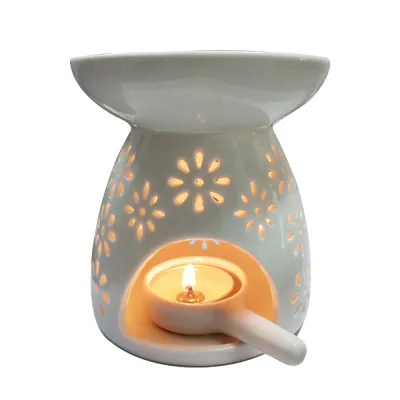
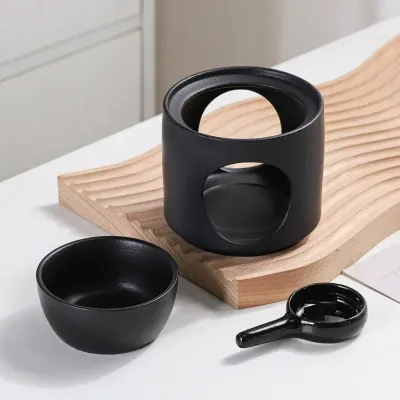
For tealight burners, stability and placement are paramount to prevent accidents. Always place the burner on a flat, heat-resistant surface that will not crack under thermal stress. Ensure there is ample vertical and lateral clearance—typically at least 30 to 50 centimeters of open space above and around the burner—to prevent heat buildup on surrounding shelves, cabinets, or walls. Never leave a burning candle unattended, even for a few minutes.
Products mentioned in this guide
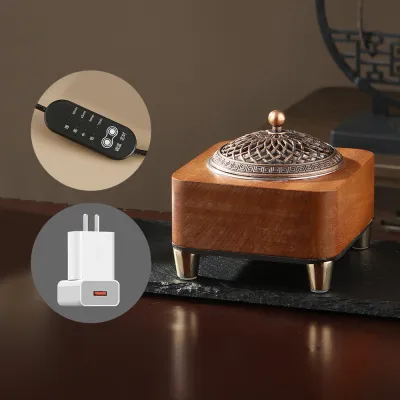
![[KIRONA SCENT] Aromatic Pond Electric Burner | 100% Pure Essential Oil | Flameless Aromatherapy Home Decor Gifts](https://img.lazcdn.com/g/p/83abaf5ffa1d3e11158ef36c8cd15d30.jpg_400x400q80.jpg_.webp)
Prices are valid at publication and may change. Please refer to the product page for the latest price.
Electric models eliminate the open flame but introduce electrical safety considerations that require careful verification. When shopping for an electric aromatherapy oil burner, verify that the device carries appropriate local electrical safety certifications to ensure it has been tested for household use. Look for built-in safety features like automatic shutoff mechanisms that trigger when the water bowl runs dry, as well as cool-touch exterior housings that prevent accidental burns if the unit is touched while operating. Additionally, ensure the device’s voltage matches your home’s electrical supply to prevent overloading.
Convenience and Daily Maintenance
The daily effort required to operate, clean, and maintain your burner will significantly impact how often you use it. Operating a tealight burner requires a steady supply of small wax candles. You must regularly monitor the candle’s burn time, extinguish it when leaving the room, and safely dispose of spent metal or plastic cups. This routine can feel tedious for those who prefer a low-maintenance fragrance solution.

Electric burners require proximity to a wall outlet, meaning you must manage power cords safely to avoid tripping hazards. Ensure the cord is routed away from high-traffic walkways and damp surfaces, especially in kitchens or bathrooms. While you do not have to worry about replacing candles, you must ensure the plug and cord remain dry and free from dust buildup.
Cleaning routines differ significantly between the two heating methods. Tealight burners often reach higher temperatures, which can cause water to evaporate completely, leaving behind stubborn, baked-on oil rings or scorched residue in the bowl. Cleaning these requires waiting for the ceramic to cool completely to avoid thermal shock, then scrubbing with mild dish soap and warm water. For electric models, maintenance involves checking the power cord regularly for signs of wear, cracks, or fraying. If your electric burner uses a halogen bulb as its heat source, you will need to periodically verify the bulb’s base type, voltage, and wattage limits before purchasing a replacement, ensuring you never exceed the manufacturer’s maximum rated wattage.
Scent Throw and Aromatherapy Experience
The way heat is applied directly affects how essential oils evaporate and how the fragrance fills your space. Tealight candles produce intense, direct heat that rapidly warms the water-and-oil mixture. While this creates a fast, powerful initial scent throw, the fluctuating temperature of a burning candle can sometimes overheat delicate oils. It is wise to check your essential oil manufacturer’s guidelines, as some volatile oils degrade or lose their aromatic profiles when exposed to excessive heat.
Electric burners generally offer a more consistent, lower-temperature heating profile. This steady warmth allows for a gradual, sustained release of fragrance over several hours, preventing the oil from burning or evaporating too quickly. Some advanced electric models even feature dimming switches or adjustable heat settings, allowing you to control the intensity of the scent throw based on your preference.
To estimate the scent radius, consider the room size alongside the burner’s bowl capacity and heat output. A small bowl heated by a strong tealight will empty quickly, making it suitable for rapid scenting in compact spaces like bathrooms or small study rooms. A larger electric burner with a higher water capacity can safely disperse scent across a spacious living room over a longer period without requiring constant refills.
Beyond functional performance, the visual element plays a significant role in the overall aromatherapy experience. The warm, flickering glow of a tealight candle provides a traditional, cozy aesthetic that many find indispensable for evening meditation or bath routines. This ambient effect is a subjective preference, but it remains a key reason why many users continue to choose classic ceramic burners despite the convenience of electric alternatives.
Evaluating Cost and Long-Term Value
When planning your budget, compare both the initial purchase price and the ongoing operational costs of each burner type. Basic ceramic or glass tealight holders are widely available in local home decor stores at very accessible, low upfront prices. In contrast, plug-in electric burners require a higher initial investment due to their internal heating elements, wiring, and safety components.
However, the long-term cost of ownership tells a different story. Tealight burners rely on a continuous supply of consumable candles. Purchasing packs of multi-hour tealights over months and years can accumulate a noticeable recurring cost, especially if you use your burner daily.
For electric burners, the ongoing cost is tied to electricity consumption and occasional bulb replacements. You can estimate the running cost by checking the device’s wattage rating on its product label. Most electric burners operate at low wattages, typically between 10W and 40W. Running a low-wattage electric burner for a few hours daily adds only a negligible amount to your monthly utility bill, often making it more cost-effective over time than burning multiple wax candles every week. Be sure to check the availability and price of replacement bulbs in S$ to ensure you can easily maintain the device over its lifespan.
Final Decision Framework: Which Burner Fits Your Lifestyle?
To make your final decision, evaluate your daily habits, household layout, and safety priorities. Your choice should align with how you plan to integrate aromatherapy into your daily routine.
Choose an electric aromatherapy oil burner if:
- You have young children, curious pets, or live in a drafty apartment where open flames are hazardous.
- You prefer a "set-and-forget" routine where you can enjoy continuous fragrance without monitoring a burning candle.
- You want a consistent, gentle heat that preserves the subtle notes of delicate essential oils over several hours.
- You want to avoid the recurring cost and waste of purchasing disposable tealight candles.
Choose a tealight aromatherapy oil burner if:
- You prioritize the traditional, cozy ambiance of a flickering candle flame for short relaxation rituals.
- You want a portable option that can be placed on dining tables, balconies, or shelves without worrying about cord lengths or proximity to wall outlets.
- You prefer a lower upfront cost and do not mind the routine of purchasing and replacing tealight candles.
- You enjoy the process of manually preparing and lighting the burner as part of your mindfulness practice.
Before purchasing either option, always verify the specific requirements of your favorite essential oils. Some premium or highly viscous oils may require precise temperature controls, while others perform beautifully with standard water-diluted heating. Ensure your chosen device aligns with both your physical space and your preferred aromatic ingredients.
Frequently Asked Questions (FAQ)
Can I use the same essential oils in both tealight and electric burners?
Yes, most standard essential oils and fragrance oils can be used in both burner types, provided they are properly diluted in water according to the burner’s instructions. However, because tealight burners often reach higher temperatures than electric models, highly volatile or delicate oils may evaporate much faster or experience altered scent profiles under an open flame. Always check the oil manufacturer’s guidelines regarding heat sensitivity to ensure the oil’s aromatic qualities are preserved.
Are electric oil burners safe to leave on overnight?
You must consult your specific electric burner’s instruction manual to verify if it is rated for unattended or overnight use. Many standard models are not designed for continuous overnight operation. If you plan to use a burner in a bedroom while sleeping, choose a model equipped with an automatic shutoff timer and a dry-bowl sensor. Always position the device on a stable, heat-resistant surface well away from flammable materials such as curtains, bedding, or paper.

Community discussion
Share your experience or ask a question. Comments are reviewed before publication.