
The MUJI aroma stone offers a minimalist, silent, and entirely passive way to introduce delicate scents into your living space. Crafted from unglazed ceramic, this compact decor piece relies on the natural process of evaporation rather than electricity, heat, or water to disperse essential oils. It serves as an unobtrusive fragrance solution designed for personal zones, making it a popular choice for those who appreciate functional simplicity and clean design.
Unlike active diffusers that disperse a continuous mist or use heat to volatilize oils, the aroma stone operates quietly in the background. It is designed to create a subtle, localized scent bubble rather than filling an entire home with fragrance. This makes it an excellent option for workspaces, bedside tables, or small, enclosed rooms where a gentle, close-range aroma is preferred over a heavy, room-wide scent throw.
What Is the MUJI Aroma Stone?
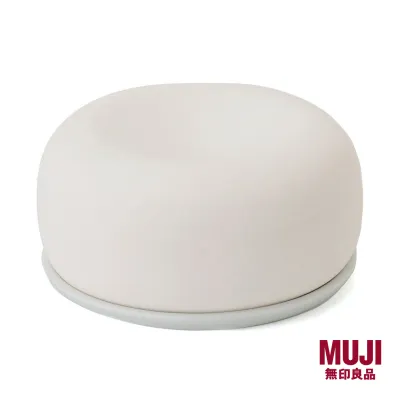
The MUJI aroma stone is a small, rounded, pebble-like object made of unglazed pottery or porous ceramic. Its design is intentionally understated, featuring a smooth, matte finish and a shallow indentation on the top surface where essential oils are applied. Because the clay is fired at a specific temperature without a glaze, it retains a highly porous structure that acts like a dense sponge, absorbing liquid oils and slowly releasing their aromatic compounds into the air.
Products mentioned in this guide
Prices are valid at publication and may change. Please refer to the product page for the latest price.
Typically sold as a standalone stone or accompanied by a small, matching glazed ceramic dish, the product is designed to blend seamlessly into any modern interior. The protective dish is a crucial component of the setup, as it catches any excess oil that might seep through the bottom of the porous stone, preventing potential damage or staining to wooden desks, laminate countertops, or painted bedside tables.
One of the primary appeals of the aroma stone is its completely electricity-free and flameless operation. With no power cords, batteries, water tanks, or open flames required, it offers a safe and continuous fragrance solution. You can place it on a shelf, inside a wardrobe, or on a desk without worrying about proximity to a power outlet, water spills, or fire hazards, making it a highly versatile addition to a minimalist home.
How Passive Diffusion Works
Passive diffusion is the scientific mechanism behind the aroma stone’s performance. When you drop essential oil onto the unglazed ceramic surface, capillary action draws the liquid deep into the microscopic pores of the stone. Once absorbed, the volatile organic compounds within the essential oil gradually transition from a liquid state to a gaseous state at room temperature, dispersing naturally into the immediate surrounding air.

Because this process relies entirely on ambient environmental conditions, several factors influence how quickly the scent evaporates and how far it travels. Airflow is a primary driver; placing the stone in an area with gentle air movement, such as near a window, a fan, or an air conditioning vent, will accelerate evaporation and help carry the scent further. However, this also means the oil will dissipate more quickly, requiring more frequent reapplication.
Temperature and humidity also play significant roles in passive diffusion. In a warm, dry room, essential oils evaporate at a faster rate, resulting in a more pronounced aroma. In contrast, in highly humid or cool environments, the evaporation process slows down, which can lead to a much subtler scent throw that lingers closer to the stone. Understanding these environmental variables helps you position the stone for optimal performance based on your room’s climate.
Additionally, the physical properties of the essential oils themselves affect how the stone absorbs and releases them. Light, volatile oils—such as citrus, eucalyptus, or peppermint—have smaller molecular structures and evaporate rapidly, providing an immediate but short-lived burst of fragrance. Heavier, more viscous oils—like cedarwood, patchouli, or sandalwood—absorb slowly into the pores and evaporate at a much calmer pace, offering a subtle, long-lasting scent profile.
MUJI Aroma Stone vs. Other Home Fragrance Methods
To determine if a passive aroma stone fits your lifestyle, it is helpful to compare it with active home fragrance alternatives. Each method has distinct advantages and trade-offs regarding coverage area, maintenance, safety, and how they interact with the essential oils.
Ultrasonic diffusers are highly popular active devices that use electricity and water to create a fine, cool mist of diluted essential oils. They are excellent for covering larger rooms and can add a touch of moisture to dry, air-conditioned spaces. However, they require regular refilling, access to a power outlet, and frequent cleaning to prevent mold, bacteria, and mineral buildup from hard water. The aroma stone, by contrast, requires no water, makes zero noise, and needs virtually no daily maintenance, though its scent coverage is strictly limited to a small personal radius.
Candle burners and wax melters use heat from a tea light or an electric heating element to vaporize fragrance. While heat-based methods offer a strong, rapid scent throw, high temperatures can alter the delicate chemical composition of pure essential oils, sometimes changing the character of the scent. They also introduce safety concerns, such as open flames, hot wax spills, and soot production. The aroma stone preserves the original, unheated profile of the essential oil and can be left completely unattended without any safety risks.
Reed diffusers provide continuous passive fragrance by drawing a liquid scent mixture up porous wooden reeds from a glass vessel. While convenient, reed diffusers rely on a constant volume of liquid solvent, which presents a spill hazard if knocked over by pets or children. They also offer limited control over scent intensity. The aroma stone allows you to control exactly when and how much oil you apply, and because the liquid is fully absorbed into the ceramic matrix, there is no standing liquid to spill if the stone is accidentally bumped.
Is the MUJI Aroma Stone Right for Your Space?
Deciding whether to purchase the MUJI aroma stone depends largely on the size of your room and your specific fragrance goals. Because passive diffusion is a gentle, localized process, the stone is ideal for small, enclosed environments. It performs exceptionally well on office desks, bedside tables, reading nooks, walk-in wardrobes, or compact bathrooms where you want a personal scent experience without overwhelming the entire room.
Conversely, the aroma stone is not suitable for large, open-plan living areas, rooms with high ceilings, or spaces with strong cross-ventilation. In these environments, the gentle scent molecules will disperse too quickly into the vast volume of air, rendering the fragrance virtually undetectable. If your goal is to scent a large living room or entryway, an active ultrasonic diffuser or a larger fragrance delivery system would be more effective.
For households with young children, curious pets, or elderly family members, the safety benefits of the aroma stone are a significant advantage. Because it does not use electricity, there are no trailing cords to trip over or electrical components that could short-circuit in damp environments like bathrooms. The absence of heat and open flames means there is no risk of accidental burns or fire, allowing you to enjoy a peaceful home environment with complete peace of mind.
How to Use, Clean, and Maintain the Stone
Using the MUJI aroma stone is incredibly straightforward, but following proper application and maintenance steps will ensure the stone remains clean and functions effectively over time. To begin, always place the stone securely on its matching glazed ceramic dish to protect your furniture from oil transfer.
Apply five to ten drops of your chosen pure essential oil directly onto the top indentation of the stone. Allow the liquid to sink completely into the porous ceramic before moving or handling the stone; this usually takes a few minutes depending on the viscosity of the oil. You can reapply more drops as the scent begins to fade, or experiment with blending different oils directly on the stone’s surface.
Over time, dust and oil residue can accumulate on the stone, which may clog the microscopic pores and reduce its absorption capacity. To clean the stone, wipe the surface gently with a soft, dry, lint-free cloth to remove dust. If you want to change scents or address oil buildup, wipe the stone with a cloth slightly dampened with warm water. Do not submerge the stone in water or wash it with dish soap, as the porous ceramic will absorb the soap residue, permanently affecting the scent of future oils. Always allow the stone to air dry completely in a well-ventilated area before applying new essential oils.
It is highly recommended to avoid using thick carrier oils (such as jojoba, sweet almond, or coconut oil) or synthetic fragrance oils containing heavy solvents on the stone. These substances do not evaporate cleanly at room temperature and will permanently clog the microscopic pores of the ceramic. Stick to 100% pure, undiluted essential oils to maintain the stone’s natural absorption and diffusion capabilities.
Frequently Asked Questions (FAQ)
Can I use any brand of essential oil with the MUJI aroma stone?
Yes, you can use any brand of essential oil with the stone, provided it is 100% pure and undiluted. The stone does not require proprietary oils to function. However, you should avoid synthetic fragrance oils, perfume oils, or pre-diluted massage oils that contain heavy carrier oils. These non-volatile carrier oils will not evaporate, leading to clogged pores and a permanent reduction in the stone’s ability to absorb future fragrances.
How long does the scent last on the stone?
The duration of the scent varies based on the type of essential oil used and the environmental conditions of your room. Light, volatile oils like citrus or peppermint typically provide a noticeable aroma for several hours before fading. Heavier, grounding oils like cedarwood, frankincense, or patchouli can linger on the stone and remain detectable for a day or more. Airflow, room temperature, and humidity will also accelerate or slow down this timeline.
What should I do if the stone stops absorbing oil?
If the stone stops absorbing oil efficiently, the microscopic pores are likely clogged with dust, environmental residue, or accumulated oil buildup. To troubleshoot, gently wipe the surface with a soft cloth dampened with warm water and allow it to air dry completely in a well-ventilated area. If the stone has been saturated with heavy carrier oils or synthetic fragrances, the clog may be permanent, and you may need to replace the stone to restore proper passive diffusion performance.

Community discussion
Share your experience or ask a question. Comments are reviewed before publication.