
Selecting the right wall lamp for your corridor in Singapore involves balancing spatial constraints, visual comfort, and aesthetic preferences. Corridors in Singaporean homes—whether in Housing & Development Board (HDB) flats, modern condominiums, or landed properties—often lack natural light and feature narrow layouts. Installing the correct wall fixtures not only ensures safe navigation but also transforms these transitional zones into visually appealing pathways. Identifying which brands provide the best combination of build quality, design, and local compatibility is the first step toward achieving a well-lit home.
To make an informed decision, you must evaluate brands based on their specific product offerings, physical dimensions, and electrical specifications. The ideal wall lamp should complement your home’s architectural layout, fit safely within your hallway’s physical limits, and comply with local electrical safety standards. By understanding the key selection criteria and comparing reputable practical, premium, and smart lighting brands, you can select the perfect fixtures to illuminate your corridors effectively.
Key Criteria for Choosing Corridor Wall Lamps
Before exploring specific brands, it is essential to understand the functional, spatial, and environmental requirements of corridor lighting. Hallways have distinct physical characteristics that dictate the types of fixtures you can safely and effectively install.
Products mentioned in this guide
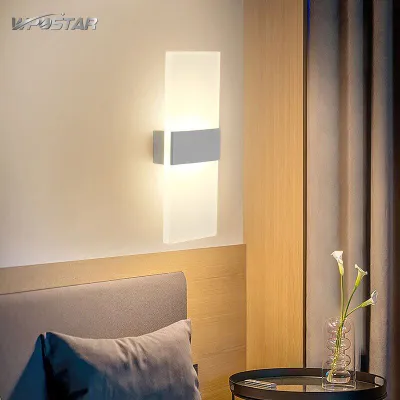
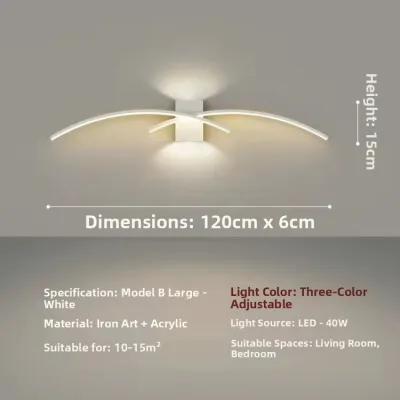
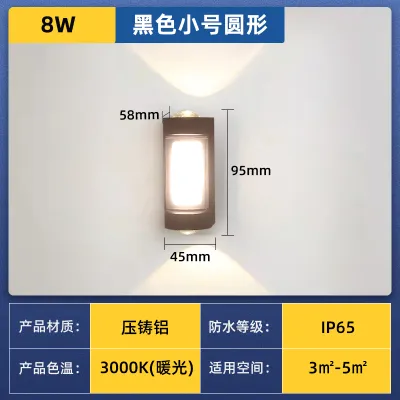
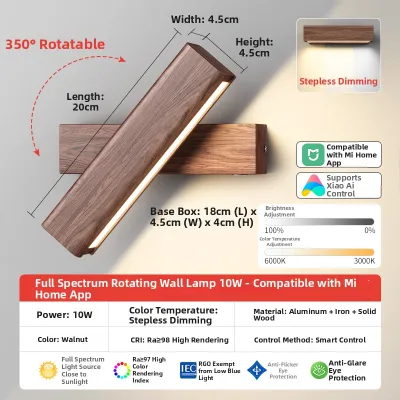
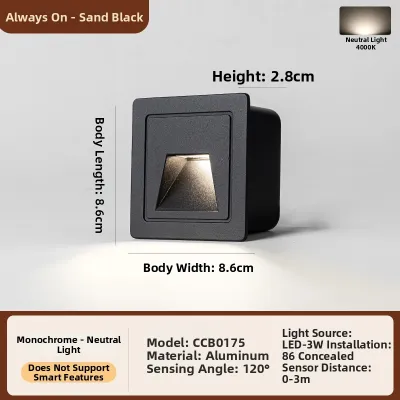
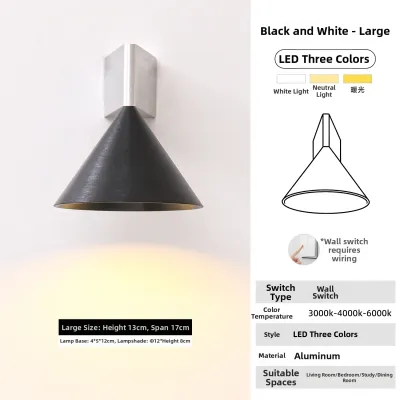
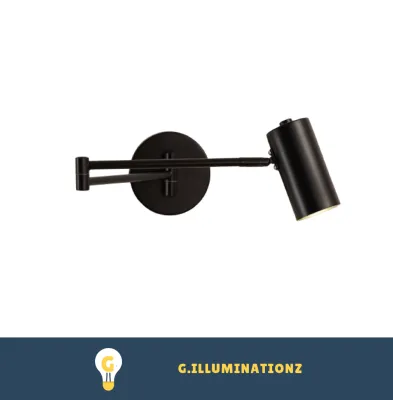
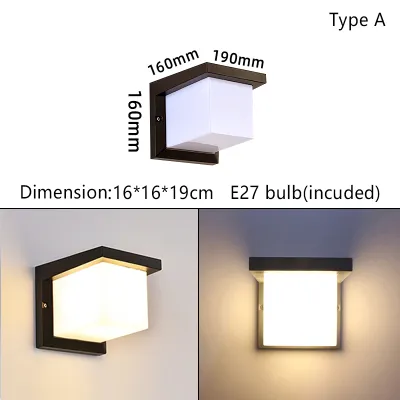
Prices are valid at publication and may change. Please refer to the product page for the latest price.
Space, Depth, and Proportion
Singaporean residential layouts, particularly standard HDB flats and contemporary apartments, typically feature narrow corridors where space is highly optimized. A wall lamp that protrudes too far from the wall surface creates a physical hazard. It can easily be bumped by family members, snagged on clothing, or damaged when carrying bulky items like groceries or furniture.
To maintain a clear and safe walkway, prioritize slim-profile, flush-mount, or semi-flush designs. Ideally, look for fixtures with a depth profile of less than 10 centimeters. This compact footprint ensures that the hallway remains unobstructed while still providing sufficient illumination.
Illumination and Glare Control
Corridors are transitional spaces where people are constantly in motion. Because of this, the light source should never shine directly into the eyes of someone walking down the hall. Direct, unshielded bulbs create harsh glare and intense, distracting shadows, which can make a narrow space feel even smaller and more confined.
To prevent visual discomfort, seek out wall lamps designed for indirect lighting. Fixtures featuring frosted glass, fabric diffusers, or opaque metal covers that direct light upward toward the ceiling or downward toward the floor (often called up/down lights) are excellent options. These designs wash the walls with a soft, uniform glow, creating an illusion of a wider, more open space while keeping the physical light source comfortably concealed.
Color Temperature and Visual Comfort
The color temperature of your corridor lighting heavily influences the mood and transition between different areas of your home. For residential hallways, warm white light—typically between 2700K and 3000K—is highly recommended. This range creates a cozy, inviting, and relaxing atmosphere that bridges active living areas and quiet bedrooms seamlessly.
Avoid cool white (4000K to 5000K) or daylight (6000K to 6500K) color temperatures in these areas. Cool light can feel clinical, sterile, and overly harsh, especially when navigating the corridor late at night or early in the morning. Warm white light is much gentler on the eyes during late-night hours.
Planning Your Corridor Lighting Layout
For a long hallway, a single wall lamp is rarely sufficient to provide balanced illumination. Spacing multiple fixtures approximately 1.5 to 2.5 meters apart ensures even light distribution and eliminates dark spots along the path.
If your corridor is exceptionally narrow, staggering the wall lamps on alternating sides of the hallway can create a more dynamic, spacious feel compared to lining them up directly opposite each other. Staggering helps distribute light more evenly across the entire length of the floor and walls.
Understanding Mounting and Wiring Styles
Wall lamps generally fall into two categories: hardwired and plug-in. Hardwired fixtures offer a clean, seamless look with all electrical wiring hidden behind the wall surface. This is the preferred choice for permanent installations, but it requires existing electrical points and professional installation.
Plug-in wall lamps are easier to install as they do not require internal wall wiring; however, they require a nearby electrical outlet. When opting for plug-in models, you must manage the visible cord carefully using cable covers or decorative clips to maintain a tidy appearance and prevent tripping hazards.
Material Selection for Singapore's Climate
Singapore’s high-humidity tropical climate can accelerate the wear and tear of lighting fixtures. Even in indoor corridors, choosing materials that resist corrosion is a wise long-term decision.
Look for wall lamps constructed from powder-coated aluminum, brass, stainless steel, or high-grade synthetic materials. These materials resist tarnishing, rust, and yellowing over time, ensuring your fixtures maintain their aesthetic appeal and structural integrity for years.
Top Wall Lamp Brands for Hallways in Singapore
Several reputable lighting brands are widely available in Singapore through local showrooms, official brand stores, and authorized online retailers. These brands can be categorized into practical mass-market options, premium designer brands, and smart sensor-integrated solutions.

Practical and Mass-Market Brands
For homeowners seeking reliable, energy-efficient, and straightforward lighting solutions, practical mass-market brands offer excellent value and widely available replacement parts.
- Philips (Signify): As a household name in Singapore, Philips is highly regarded for its exceptional reliability and safety standards. Their range of LED wall lamps features clean, minimalist, and modern designs that blend seamlessly into standard HDB and condominium corridor aesthetics. Philips fixtures utilize highly stable integrated LED drivers, which minimize flickering and offer a long operational lifespan. When purchasing, always check the product packaging or official specifications to verify the lumen output and physical dimensions.
- Panasonic: Renowned for high-quality Japanese engineering, Panasonic offers durable and highly functional wall lighting options. Their designs focus on geometric simplicity, utilizing materials that resist degradation over time. Panasonic's LED wall lamps are engineered with high Color Rendering Index (CRI) values, ensuring that your hallway decor, family photos, or wall paint colors look natural and vibrant. Their compact, low-profile designs are exceptionally well-suited for tight corridor spaces.
Premium and Designer Lighting Brands
If you want to make a design statement or integrate architectural lighting into your home, premium designer brands offer exceptional build quality, unique aesthetics, and precise optical performance.
- Flos: Available through specialized high-end showrooms and authorized interior design partners in Singapore, this iconic Italian brand is famous for collaborating with world-renowned designers. Models like the Flos Foglio or Flos IC Wall Light serve as stunning decorative pieces even when turned off. When illuminated, they utilize high-precision optics and premium materials like hand-blown glass and polished metals to cast beautiful, glare-free light patterns. Because these are imported premium items, it is essential to check lead times with local showrooms, verify local warranty terms, and ensure that the scale of the fixture matches your corridor's proportions.
- Artemide: Another legendary Italian brand, Artemide is celebrated for its "Human Light" philosophy, which focuses on creating lighting designs that enhance human well-being and interaction with spaces. Artemide's wall lamps, such as the Talo or Mesmeri series, feature sleek, architectural lines and exceptional build quality. These fixtures provide superior indirect illumination, washing the walls with a smooth, shadow-free glow that can make a narrow corridor feel significantly wider. Work closely with your interior designer or lighting specialist to verify the specific driver and dimming system requirements before purchasing.
Smart and Sensor-Integrated Brands
For those interested in building an automated, hands-free smart home ecosystem, smart lighting brands offer advanced controls, automated routines, and integrated sensors.
- Yeelight: A prominent player in the smart lighting market, Yeelight is highly popular in Singapore for its affordable, feature-rich, and user-friendly smart solutions. Yeelight's smart wall lamps and light strips can be easily integrated into major smart home platforms, including Google Home, Apple Home, and Xiaomi Home. This integration allows you to customize your corridor lighting with precision, adjusting the brightness and color temperature (from warm 2700K to cool 6500K) via a mobile app or voice commands. You can set up automated routines, such as scheduling the wall lamps to turn on at a dim 10% brightness during late-night hours.
- Aqara: If you are building a robust, automated smart home, Aqara is an outstanding brand to consider. While Aqara is widely known for its smart switches, sensors, and hubs, its ecosystem allows for highly advanced corridor lighting automation. By pairing Aqara's high-precision motion sensors or presence detectors with compatible wall lamps, you can create a completely hands-free lighting experience. The lights turn on automatically when you enter the hallway and turn off after a set period of inactivity. Because Aqara utilizes the Zigbee wireless protocol, these automations run locally on your smart hub, meaning they will continue to function reliably even if your home's Wi-Fi network experiences temporary downtime. Before purchasing, ensure you check the wiring requirements of your smart switches or hardwired fixtures, as many smart switches require a neutral wire behind the wall plate.
Comparing Wall Lamp Options for Your Hallway
To help you determine which brand category best aligns with your specific corridor needs, budget, and installation constraints, refer to the comparison table below.
| Brand Category | Best For | Key Features | Typical Price Positioning | Primary Availability |
|---|---|---|---|---|
| Practical & Mass-Market (e.g., Philips, Panasonic) | Everyday reliability, standard HDB/condo hallways, simple aesthetics | Energy efficiency, integrated LED drivers, compact profiles | Budget-friendly to Mid-range | Official online brand stores, local lighting shops |
| Premium & Designer (e.g., Flos, Artemide) | Statement pieces, luxury interiors, architectural indirect lighting | Exceptional build materials, iconic designs, precise optics | Premium | Specialized local showrooms, design partners |
| Smart & Sensor-Integrated (e.g., Yeelight, Aqara ecosystem) | Automated routines, hands-free navigation, smart home ecosystems | App control, motion sensors, adjustable color temperature | Mid-range | Authorized tech retailers, official online stores |
Note: Final pricing, stock availability, and lead times depend heavily on the specific model, selected retailer, and any ongoing promotional campaigns in Singapore.
When choosing between these categories, consider your long-term renovation goals. If you are doing a complete home renovation, integrating premium or smart hardwired fixtures is easier to coordinate with your contractor. For quick updates or minor improvements, practical mass-market fixtures or plug-in smart options offer a faster, more straightforward path.
Installation and Safety Guidelines for Singapore Homes
Installing electrical fixtures in Singapore requires careful attention to local regulations, safety certifications, and structural constraints. Adhering to these guidelines ensures a safe and compliant installation.
Safety Mark Compliance
Electrical safety is a critical consideration for any lighting installation in Singapore. When purchasing wall lamps, power adapters, or smart lighting controllers, always look for the Singapore Safety Mark.
This certification, issued by Enterprise Singapore, guarantees that the product has undergone rigorous testing and complies with local safety standards, significantly reducing the risk of electrical short circuits, shocks, or fire hazards in your home.
Voltage and Wiring Compatibility
Ensure that any wall lamp you choose is fully compatible with Singapore’s standard electrical grid, which operates at 230V and 50Hz. If you are importing designer fixtures from overseas, double-check that the built-in LED drivers or transformers are rated for this voltage. Using incompatible fixtures can lead to premature component failure, flickering, or severe electrical hazards.
Professional Installation and LEW Boundaries
Installing hardwired wall lamps is a complex task that involves working with live electrical circuits, drilling into walls, and potentially routing new wiring conduits. For safety and compliance, always hire a Licensed Electrical Worker (LEW) or a qualified, registered electrician to perform the installation.
DIY electrical work is highly discouraged in Singapore, as improper wiring can lead to severe safety risks and may void your home insurance policy. A professional installer will ensure that the fixtures are safely grounded, securely mounted, and integrated correctly with your existing switches or smart home hubs. Always isolate the power supply at the main circuit breaker before any electrical work begins.
Property Regulations and Guidelines
Before proceeding with any major electrical or structural modifications, check the regulations governing your specific property type. If you live in a condominium, consult your Management Corporation Strata Title (MCST) by-laws, especially if the installation involves walls adjacent to common corridors, lift lobbies, or shared structural boundaries.
For HDB flat owners, ensure that any drilling or wiring modifications comply with HDB renovation guidelines. Be particularly cautious when drilling into structural load-bearing walls or pre-cast concrete panels, as drilling into these areas is strictly regulated and may require prior approval. Additionally, drilling into HDB household shelters (bomb shelters) is strictly prohibited by law, so avoid planning any wall lamp installations on shelter walls.
Frequently Asked Questions (FAQ)
What is the ideal height to install wall lamps in a hallway?
Generally, wall lamps in corridors should be installed at or slightly above eye level to prevent direct glare from the light source. A standard recommendation is to mount the center of the fixture between 1.5 meters and 1.8 meters from the finished floor.
However, you should adjust this height based on your household’s average height, the height of your ceilings, and the specific light distribution pattern of the fixture. For instance, up-and-down light fixtures can be mounted slightly lower to maximize the wash effect on the walls, while fixtures with exposed bulbs should be mounted higher to keep the light source out of your direct line of sight.
Can I use outdoor-rated wall lamps in an indoor corridor?
Yes, outdoor-rated wall lamps (which feature higher Ingress Protection or IP ratings, such as IP44 or IP65) are completely safe for indoor use. Their dust- and water-resistant seals will function perfectly fine in a dry indoor environment.
However, high IP-rated fixtures are generally unnecessary and more expensive than standard indoor models. It is more practical to reserve outdoor-rated lamps for semi-outdoor spaces, such as private condominium lift lobbies, landed property walkways, or exposed balcony corridors that are subject to wind, rain, or high humidity.

Community discussion
Share your experience or ask a question. Comments are reviewed before publication.