
Choosing between a traditional ceramic incense burner pot and a modern electric version depends entirely on your living environment, ventilation, and aromatherapy goals. Traditional charcoal-heated ceramic pots offer an authentic ritual and deep scent release but require proper airflow and careful handling. Modern electric smokeless burners provide adjustable heat, minimal smoke, and set-and-forget convenience, making them ideal for compact apartments or bedrooms. This guide compares the core mechanisms, safety boundaries, and scent profiles of both types to help you select the right incense burner pot for your space.
In urban living environments, such as high-rise apartments in Singapore where air-conditioned spaces and closed windows are common, indoor air quality and safety are primary considerations. While the allure of traditional incense burning remains strong for cultural and relaxation purposes, the practicalities of daily use often prompt a closer look at modern alternatives. By understanding how each device operates, you can create a soothing home sanctuary without compromising on safety or comfort.
Core Differences in Heating Mechanisms and Smoke Output
To make an informed choice, it is essential to understand how each type of incense burner pot releases fragrance into your home. Traditional ceramic pots rely on direct combustion. This process requires lighting a specialized charcoal tablet, placing it inside the heat-resistant ceramic vessel, and resting raw incense materials—such as wood chips, resins, or powders—directly on top of the glowing coal. The charcoal burns at a high temperature, rapidly combusting the incense to release its aromatic compounds alongside visible smoke.
Products mentioned in this guide
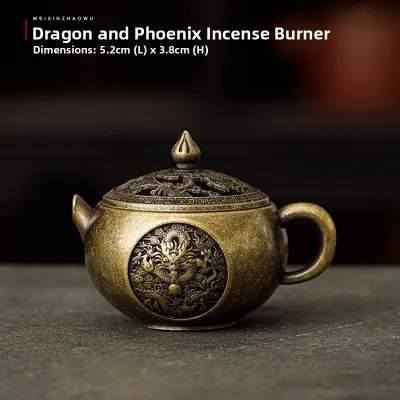
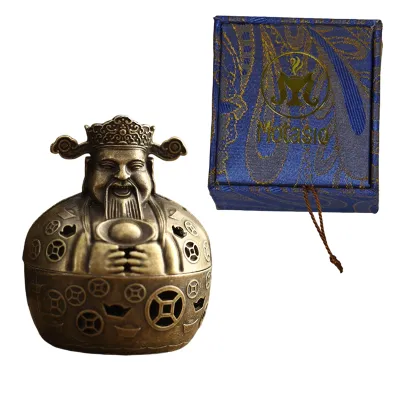
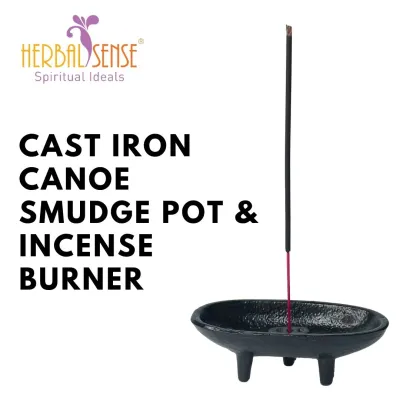
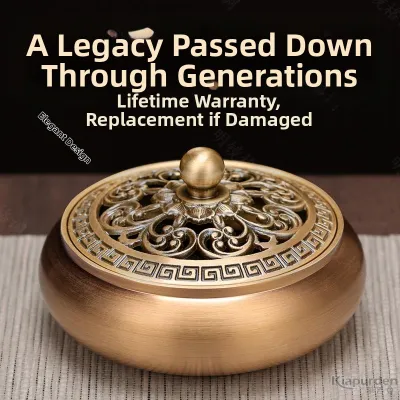
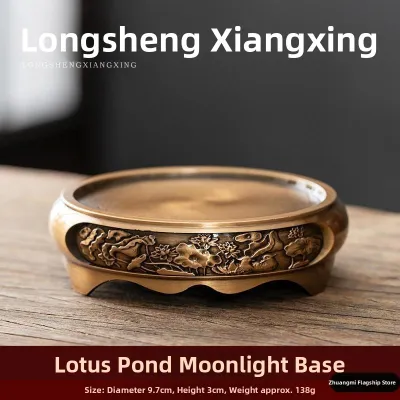
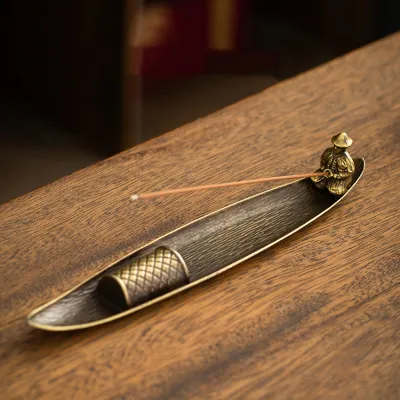
Prices are valid at publication and may change. Please refer to the product page for the latest price.
In contrast, modern electric incense burners utilize conductive heating. These devices feature an internal electric heating plate, usually made of ceramic or metal, which warms up when plugged into a power outlet. Instead of burning the incense, the electric plate heats the material to a specific, controlled temperature. This process gently bakes or vaporizes the essential oils contained within the wood or resin, releasing the fragrance into the air with minimal to no visible smoke or particulate output.
This fundamental difference in heating mechanisms directly impacts your indoor air quality and ventilation requirements. Because traditional charcoal burning involves active combustion, it consumes oxygen and produces smoke, soot, and carbon monoxide. Consequently, traditional ceramic pots must only be used in well-ventilated rooms with open windows to allow continuous airflow. Electric burners, being smokeless and combustion-free, do not deplete indoor oxygen or produce heavy smoke, making them highly suitable for enclosed, air-conditioned rooms or smaller living spaces where open ventilation is not always practical.
Safety, Maintenance, and Daily Convenience
Evaluating the daily effort and safety boundaries of each burner type is crucial for a seamless aromatherapy experience. Traditional ceramic incense burner pots carry inherent fire and burn risks due to the extreme heat of burning charcoal. The ceramic body of the pot can become exceptionally hot during use, requiring it to be placed on a dedicated heat-resistant surface, such as a stone coaster or metal tray, well away from flammable materials, curtains, children, and pets. Additionally, managing hot ash and glowing coals requires constant supervision to prevent accidental tipping or flying sparks.

Electric incense burners eliminate the hazards of open flames and hot charcoal, but they introduce standard electrical safety considerations. When selecting an electric model, you must verify that the device matches your home’s electrical specifications. In Singapore, this means ensuring the burner is rated for a 220V-240V power supply and features a compatible three-pin plug. It is also wise to check for built-in safety features, such as an automatic shutoff timer, overheat protection, and robust cord management to prevent the device from being accidentally pulled off a table.
Maintenance routines also differ significantly between the two styles. Traditional ceramic pots accumulate loose charcoal ash, unburnt incense residue, and oily soot over time. Cleaning these pots requires waiting for the ash to cool completely, disposing of it safely, and periodically scrubbing the ceramic interior with warm water and mild soap. Electric burners do not produce ash, but they do accumulate baked-on resin or oil residue on the heating plate. Maintenance typically involves letting the device cool down completely, then gently wiping the heating plate with a damp cloth or a specialized scraper tool to keep the surface clean for the next use.
Aroma Quality and the Aromatherapy Experience
The heating method you choose directly shapes the scent profile and longevity of your incense materials. Traditional charcoal heating delivers an intense, immediate, and robust aroma. The high heat of the charcoal quickly extracts the deep, smoky, and complex base notes of raw wood chips (such as agarwood or sandalwood) and natural resins (such as frankincense and myrrh). For many enthusiasts, this rich, smoky character is an indispensable part of the traditional incense ritual, creating a deeply atmospheric and ceremonial environment.
Electric incense burners offer a different sensory experience focused on precision and purity. Many electric models feature adjustable temperature dials, allowing you to customize the heat level based on the specific material you are using. By gently heating delicate powders, incense cones, or fragile botanicals at lower temperatures, you can prevent them from scorching. This controlled heating preserves the sweet, subtle top notes of the fragrance that are often lost or masked by the intense heat and smoke of charcoal combustion.
To help you match your preferred incense forms with the right burner type, consider this compatibility guide:
- Raw Wood Chips and Resins: Highly compatible with both types. Charcoal provides a traditional, smoky depth, while an electric burner (using a small foil cup to protect the heating plate) offers a clean, long-lasting, and smoke-free scent release.
- Incense Powders: Best suited for electric burners with adjustable temperature controls, as low heat prevents the fine powder from burning too quickly or scorching.
- Incense Cones and Coils: Can be used in traditional ceramic pots (often placed on a bed of non-combustible ash) or on electric burners designed with flat heating surfaces.
Decision Framework: Which Incense Burner Pot Fits Your Home?
To finalize your choice, assess your living conditions, household members, and personal preferences against these practical guidelines.
Choose a traditional ceramic incense burner pot if:
- You view incense burning as a mindful, tactile ritual and enjoy the process of preparing charcoal and tending to the embers.
- Your home has large, open living areas with excellent natural ventilation and consistent airflow.
- You primarily burn raw, high-grade wood chips or natural resins and prefer a robust, deeply layered, and traditional smoky aroma.
- You can safely supervise the burning process and keep the hot vessel out of reach of children and pets.
Choose a modern electric incense burner if:
- You live in a compact apartment, HDB flat, or room where windows remain closed or air conditioning runs frequently.
- You share your home with sensitive individuals, elderly family members, or pets who may be irritated by visible smoke and combustion byproducts.
- You prefer a convenient, "set-and-forget" aromatherapy experience with automated timers and adjustable temperature settings.
- You want to maximize the lifespan of delicate incense powders, botanical blends, or wax melts without scorching them.
Before making your purchase, remember to verify:
- The electrical safety certifications and voltage compatibility of any electric burner to ensure safe operation in your home.
- The availability of a stable, flat, and heat-resistant surface in your designated aromatherapy area.
- The specific heating requirements of your favorite incense materials to ensure they align with the temperature range of your chosen burner.
Frequently Asked Questions (FAQ)
Can I use liquid essential oils in a traditional ceramic incense burner pot?
No, traditional ceramic incense burner pots designed for charcoal or dry heat should not be used with liquid essential oils. Pouring liquid oils directly onto hot charcoal or a dry, superheated ceramic surface can cause the oil to vaporize violently, produce excessive smoke, or even flash-ignite, presenting a serious fire hazard. Additionally, liquid oils can seep into porous, unglazed ceramic, leaving permanent residue and damaging the pot. For liquid essential oils, always use a dedicated water-based ultrasonic diffuser, a tea light oil burner, or follow the manufacturer’s specific instructions for your device.
Do electric incense burners consume a lot of electricity?
Electric incense burners are highly energy-efficient and do not consume a significant amount of electricity. To verify the exact power consumption of a specific model, look at the wattage rating printed on the device’s specification label or user manual. Most household electric burners operate at a very low wattage, typically ranging between 5 watts and 40 watts. Running a 25-watt electric burner for two hours a day consumes a negligible amount of electricity, resulting in an imperceptible impact on your monthly household utility bill while providing hours of consistent fragrance.

Community discussion
Share your experience or ask a question. Comments are reviewed before publication.