
Choosing the right diffuser for your home involves more than just picking an attractive design. The technology powering the device determines how effectively it disperses scent, how much maintenance it requires, and how it interacts with your indoor climate. By understanding the mechanical differences between ultrasonic, nebulizing, and heat diffusers, you can select a system that matches your daily routine and living space.
Decoding the Core Technologies: How Each Diffuser Works
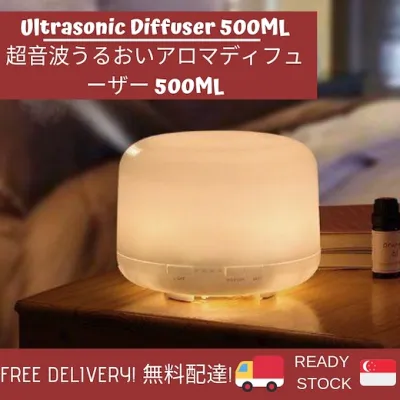
Ultrasonic diffusers rely on a small ceramic disc vibrating at an extremely high frequency. This vibration breaks down a mixture of water and essential oil into a fine, cool mist that is dispersed into the air by a tiny built-in fan. Because this method uses water as a carrier, it produces a highly visible plume of vapor. The operational noise is generally low, characterized by a gentle water-dripping sound and a soft mechanical hum, making it a popular choice for quiet environments.
Nebulizing diffusers, by contrast, use cold-air calibration to atomize pure essential oil without any water. Operating on Bernoulli’s principle, a pressurized air stream pulls the oil through a microscopic tube, breaking it into an incredibly fine, dry mist of pure oil particles. This mist is often so fine that it is barely visible to the naked eye, yet it delivers a highly concentrated aroma. Because of the powerful internal pump required to compress the air, nebulizers produce a noticeable, low-frequency buzzing sound during operation.
Products mentioned in this guide


Prices are valid at publication and may change. Please refer to the product page for the latest price.
Heat diffusers utilize thermal energy to evaporate essential oils. Simple models use a tea light candle, while more advanced electric versions use a low-wattage heating element to warm a metal or ceramic tray. This process is completely silent, as there are no moving parts or vibrating plates. However, applying direct heat can alter the delicate chemical profile of certain essential oils, potentially changing their therapeutic scent characteristics compared to cold-air methods.
Matching Diffuser Specs to Your Living Space and Routine
Selecting the right diffuser requires matching its technical specifications to the physical dimensions of your room. Nebulizing diffusers are highly efficient at covering large, open-plan living areas because they disperse undiluted oil particles that remain suspended in the air longer. Ultrasonic models are better suited for localized areas, such as a bedroom or a home office desk. When shopping, always verify the manufacturer’s rated coverage area in square meters rather than relying solely on aesthetic appeal.

Your local indoor climate also plays a critical role in this decision. In naturally humid environments, adding more moisture to the air can be counterproductive. Running a water-based ultrasonic diffuser in a closed, humid room can elevate moisture levels to a point where mold or dust mites thrive on soft furnishings. However, if you frequently run air-conditioning, the air can become uncomfortably dry. In these air-conditioned spaces, the light humidifying mist of an ultrasonic diffuser provides a dual benefit by gently restoring moisture while scenting the room. Nebulizers and heat diffusers do not introduce any moisture, making them highly versatile for both humid and dry spaces.
Consider your daily schedule and how long you want the device to run. Ultrasonic diffusers offer impressive runtimes, often operating continuously for 4 to 10 hours depending on the water reservoir capacity. They also feature automatic shut-off mechanisms that cut power when the water runs dry, making them safe for overnight use. Nebulizers, because they consume pure oil, are designed for shorter, intense bursts of scent and require more frequent refills. Electric heat diffusers can run for extended periods but require manual monitoring to ensure the oil tray does not dry out and bake.
Practical Limits: Maintenance, Safety, and Oil Compatibility
To keep your diffuser operating safely and efficiently, you must commit to a regular maintenance routine. Ultrasonic reservoirs must be cleaned every few days to prevent mineral deposits from tap water and to stop mold from growing in the damp environment. A simple wipe-down with a soft cloth and a few drops of white vinegar or rubbing alcohol is usually sufficient. Nebulizers require more specialized care; the microscopic tubes can easily clog with dried oil resin. Flushing the system periodically with high-percentage isopropyl alcohol keeps the pathways clear.
Safety considerations vary significantly across these technologies. Heat diffusers, particularly those utilizing open flames, present obvious fire hazards and must never be left unattended. Even electric heat models must be positioned carefully on stable, heat-resistant surfaces out of reach of children and pets. When installing any electric diffuser, verify that the voltage matches your household outlets and check for recognized electrical safety certifications. For any fixed-wiring installations or setups near water sources, always isolate the power and consult a qualified professional.
Oil compatibility is another critical factor that affects the lifespan of your device. Ultrasonic plates can handle a wide variety of essential oils and synthetic fragrance blends, provided they are thoroughly diluted in water. However, extremely viscous oils like vetiver or sandalwood can accumulate on the vibrating plate and damp its movement. Nebulizers are far less forgiving; thick carrier oils, such as jojoba or sweet almond oil, will clog the atomizing nozzle almost instantly. Always verify the manufacturer’s oil guidelines to avoid voiding your warranty.
Frequently Asked Questions (FAQ)
Do nebulizing diffusers consume essential oils faster than ultrasonic models?
Yes, nebulizing diffusers consume essential oils at a much faster rate because they disperse pure, undiluted oil directly into the air. While an ultrasonic model uses only a few drops of oil diluted in a large volume of water to scent a room for hours, a nebulizer can consume several milliliters of pure oil in a single session. To manage your oil consumption and control costs in S$, look for nebulizers equipped with built-in interval timers. Setting the device to run for short cycles, such as 10 seconds of diffusion followed by a 60-second pause, ensures a consistent aroma without depleting your oil supply too quickly.
Can I use thick carrier oils or synthetic fragrance oils in these diffusers?
You should avoid using thick carrier oils or heavy synthetic fragrance blends in both nebulizing and ultrasonic diffusers unless the manufacturer’s manual explicitly states they are compatible. Viscous carrier oils like coconut or avocado oil do not atomize properly in a nebulizer and will quickly clog the delicate internal glass or metal tubes. In ultrasonic models, heavy synthetic fragrances can leave a sticky residue on the ceramic plate that is difficult to clean and may cause the motor to overheat. Always check the product specifications for approved oil types, and perform a thorough cleaning cycle immediately if you accidentally use a heavy or non-standard blend.

Community discussion
Share your experience or ask a question. Comments are reviewed before publication.