
Choosing the right home diffuser depends on how you want to experience fragrance, the size of your room, and your willingness to perform regular maintenance. While ultrasonic diffusers are popular for their gentle mist and humidifying properties, nebulizers offer an intense, pure scent experience, and heat diffusers provide a silent, subtle alternative. Selecting the ideal device requires balancing these distinct technologies against your household’s daily routine, safety considerations, and spatial layout.
How Each Diffuser Technology Disperses Scent
To make an informed choice, it is essential to understand the mechanical processes that power these devices. Ultrasonic diffusers rely on a small, flexible ceramic disc or plate located at the bottom of a water reservoir. When electricity passes through this plate, it vibrates at an extremely high ultrasonic frequency. These rapid vibrations create sound waves that break down a mixture of water and essential oils into an incredibly fine, cool mist, which is then dispersed into the air by a tiny built-in fan.
Nebulizing diffusers operate on a completely different mechanical principle, utilizing fluid dynamics known as the Bernoulli effect. An internal air pump forces pressurized air through a narrow tube, creating a vacuum that draws pure essential oil up from an attached bottle or reservoir. As the oil meets the high-velocity stream of air, it is atomized into a cloud of microscopic dry particles. Because this process uses neither water nor heat, the resulting mist consists entirely of pure, undiluted essential oil droplets suspended in the air.
Products mentioned in this guide
![[KIRONA SCENT] Lumiere Aroma Diffuser (Wood) 600ml | Minimalistic Style Ultrasonic Humidifier | Auto Shut-off Function | Aromatherapy LED Night Lamp](https://img.lazcdn.com/g/p/00b20c3769892ddc25a31afeaeddd2c2.png_400x400q80.png_.webp)
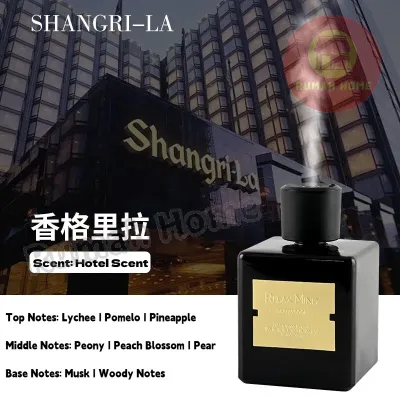
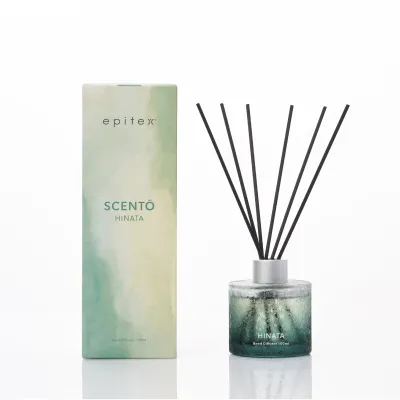
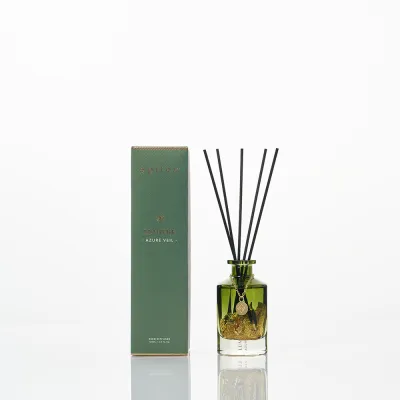
Prices are valid at publication and may change. Please refer to the product page for the latest price.
Heat diffusers employ the simplest mechanism of the three, relying on thermal energy to encourage evaporation. These devices feature a small tray, dish, or pad positioned above a gentle heating element, which can be powered by electricity, a USB connection, or even a small candle. When essential oil is placed on the surface, the gradual rise in temperature accelerates the natural evaporation rate of the volatile compounds. This process releases the fragrance into the immediate surrounding air without any mechanical agitation or pressurized dispersion.
Scent Strength and Essential Oil Integrity
The method of dispersion directly dictates the potency of the fragrance and how well the therapeutic properties of the essential oils are preserved. Nebulizing diffusers are widely regarded as highly powerful options because they disperse oil in its purest, most concentrated form. Because the oil is not diluted by water, the scent throw is immediate, robust, and highly aromatic, making it easy to fill large spaces quickly. Furthermore, because nebulizers do not use heat, the delicate chemical structure of the essential oil remains completely unaltered, ensuring you experience the exact aromatic profile intended by the distiller.

Ultrasonic diffusers deliver a much more moderate and consistent scent profile over an extended period. Because the essential oil is diluted in a relatively large volume of water, the fragrance is released gradually as the mist evaporates into the room. This makes ultrasonic models highly suitable for creating a subtle, continuous background aroma rather than an intense burst of fragrance. While the cool mist preserves the integrity of the oil compounds by avoiding thermal degradation, the overall scent strength is naturally milder due to the water-to-oil ratio.
Heat diffusers offer the most subtle and localized scent output of the three technologies. The fragrance tends to be gentle and intimate, making it ideal for personal workspaces or small bedside tables rather than entire rooms. However, the use of thermal energy introduces a critical variable regarding oil integrity. Excessive heat can alter or degrade the delicate chemical constituents of certain essential oils, particularly lighter citrus oils. When selecting a heat diffuser, it is vital to check the manufacturer’s temperature specifications to ensure the heating element operates within a gentle, low-temperature range that preserves the oil’s natural qualities.
Daily Maintenance, Noise, and Room Coverage
Practical daily ownership involves evaluating how much effort you want to spend on upkeep, how much ambient sound you can tolerate, and the physical size of the space you need to scent. Ultrasonic diffusers require regular, diligent cleaning because their water reservoirs are prone to mineral buildup and mold growth. To maintain hygiene, you must empty the tank, wipe it down with a soft cloth, and occasionally clean the ultrasonic plate with diluted white vinegar or rubbing alcohol according to the manufacturer’s instructions.
Nebulizing diffusers do not suffer from water-related mold, but they are highly susceptible to clogging. Because they process pure, undiluted oil through microscopic glass or metal tubes, heavier or more viscous oils can easily dry and block the pathways. Preventing this requires regular flushing with high-percentage rubbing alcohol or a specialized diffuser cleaning solution. In terms of acoustics, nebulizers are the loudest option; the internal air pump produces an audible, rhythmic humming or buzzing sound that might be distracting in a silent bedroom. Ultrasonic models are much quieter, producing only a soft, watery hum and occasional bubbling sounds, while heat diffusers are completely silent due to their lack of moving parts.
Room coverage also varies significantly across these technologies. Nebulizers excel at covering expansive, open-concept living areas because their pressurized micro-particles remain suspended in the air longer and travel further. Ultrasonic diffusers are best suited for medium-sized rooms, such as standard bedrooms or enclosed home offices, where the mist can circulate evenly. Heat diffusers have the smallest coverage footprint, making them effective only for immediate personal zones, small desks, or compact bathrooms where a localized scent is preferred.
Safety, Moisture, and Placement Constraints
Integrating a diffuser into your home requires careful consideration of safety boundaries, environmental moisture, and placement limitations. Ultrasonic diffusers introduce active moisture into the air, which can be a double-edged sword. In naturally humid climates like Singapore, adding extra moisture to an enclosed, air-conditioned room can inadvertently encourage mold or mildew growth on walls and soft furnishings. Furthermore, you must never place an ultrasonic diffuser directly next to sensitive electronics, power outlets, or on untreated wooden surfaces where settling mist can cause condensation and subsequent damage.
In contrast, nebulizers and heat diffusers do not add any moisture to the air, making them excellent choices for humid environments or rooms where humidity control is a priority. However, heat diffusers introduce their own set of physical safety considerations. Because they rely on elevated temperatures to evaporate the oil, the heating plate or dish can become hot to the touch. This presents a minor burn risk, meaning these devices must be kept strictly out of reach of curious pets and small children, and placed on stable, heat-resistant surfaces away from flammable materials.
Respiratory safety and pet health are also paramount when using highly concentrated dispersion methods. Because nebulizers release pure, undiluted essential oil micro-particles directly into the breathing zone, the concentration of airborne compounds is exceptionally high. Certain essential oils contain compounds that are highly toxic to cats and dogs, or irritating to individuals with asthma or sensitive respiratory tracts. Before operating a high-output nebulizer, always consult veterinary resources and manufacturer safety guidelines, and ensure the room is well-ventilated so pets can easily leave the space if the scent becomes overwhelming.
Which Home Diffuser Fits Your Lifestyle?
To choose the best device for your home, align the characteristics of each technology with your specific lifestyle priorities and spatial needs. An ultrasonic diffuser is the ideal choice if you want a versatile, budget-friendly option that provides a gentle, continuous background scent for a bedroom or living room. It is particularly appealing if you enjoy a soft visual mist and do not mind performing quick, regular water-tank cleanings to keep the device running hygienically.
A nebulizing diffuser is the preferred option if you prioritize maximum scent throw, pure oil integrity, and rapid fragrance dispersion in larger, open-concept spaces. This technology is perfect for aromatherapy enthusiasts who want the unadulterated benefits of pure oils and are willing to invest in a premium device, accommodate a slightly higher oil consumption rate, and tolerate the gentle hum of an active air pump.
A heat diffuser is best suited for those who require a completely silent, low-maintenance, and highly portable option for a desk, bedside table, or travel. It is an excellent choice for small, personal spaces where a subtle, non-intrusive fragrance is preferred over a heavy scent throw, and where the simplicity of wiping down a single warm tray outweighs the need for high-tech features.
Before finalizing any purchase, always verify the technical specifications of the specific model. Ensure the device’s voltage is fully compatible with your home’s electrical system (such as Singapore’s standard 230V supply) and check for essential safety features like programmable timer settings and an automatic shutoff function that cuts power when the water reservoir is empty or the heating cycle is complete.
Frequently Asked Questions (FAQ)
Can I use any essential oil in a nebulizing diffuser?
No, you cannot use all types of essential oils in a nebulizing diffuser without taking precautions. Thick, highly viscous, or resinous oils—such as patchouli, vetiver, sandalwood, or absolute extractions—can easily clog the delicate micro-tubes of a nebulizer as they dry. It is highly recommended to check the manufacturer’s guidelines regarding oil viscosity before use. If you do choose to use thicker oils, consider blending them with thinner citrus or herbal oils, and perform a thorough cleaning cycle with rubbing alcohol immediately afterward to prevent stubborn blockages.
Do ultrasonic diffusers damage wood furniture?
Yes, ultrasonic diffusers can potentially damage wood furniture if they are placed incorrectly. Because these devices release a continuous cool mist of water and oil, the moisture can settle on nearby surfaces. Over time, this localized condensation can penetrate untreated wood, causing water spots, warping, or damage to protective varnishes and finishes. To protect your furniture, always place your ultrasonic diffuser on a waterproof coaster, tray, or non-porous surface, and ensure it is positioned on an elevated shelf with plenty of open air space around it to allow the mist to disperse fully before settling.

Community discussion
Share your experience or ask a question. Comments are reviewed before publication.