
Choosing the right aroma diffuser for home environments involves balancing scent preferences, maintenance routines, and long-term operating costs. While both ultrasonic and nebulizing diffusers are popular choices for home aromatherapy, they rely on entirely different technologies to disperse essential oils into the air. Selecting the ideal system depends on whether you prefer a subtle, moisture-rich fragrance or a highly concentrated, pure scent experience. By understanding how these devices operate, you can make an informed decision that complements your living space, local climate, and lifestyle.
Understanding the Core Mechanisms
To choose the best aroma diffuser for home use, it is essential to understand how each technology processes essential oils. Ultrasonic diffusers utilize a small ceramic disc located at the bottom of a water reservoir. When powered on, this disc vibrates at an ultrasonic frequency, creating rapid oscillations that turn the water and essential oil mixture into a fine, cool mist. This mist is then dispersed into the air by a small internal fan, providing a gentle scent alongside a light stream of moisture. Because the oil is mixed with water, the fragrance is naturally diluted.
In contrast, nebulizing diffusers operate without water or heat, relying instead on pressurized air and fluid dynamics. These devices typically feature a built-in air pump that forces a high-velocity stream of air through a set of specialized micro-tubes. This airflow creates a vacuum effect that draws pure essential oil upward from an attached bottle or glass reservoir. The high-speed air stream shears the oil into microscopic particles, releasing a highly concentrated, dry vapor directly into the room. This process preserves the original chemical profile of the essential oil without dilution.
Products mentioned in this guide
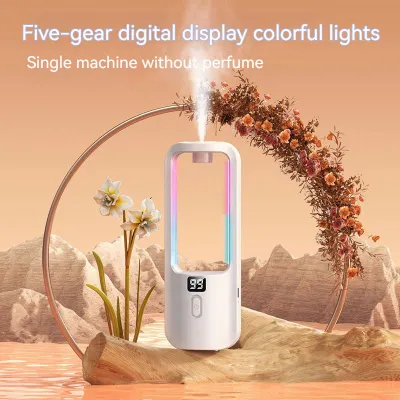
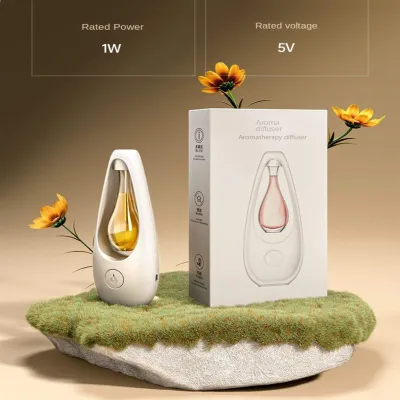

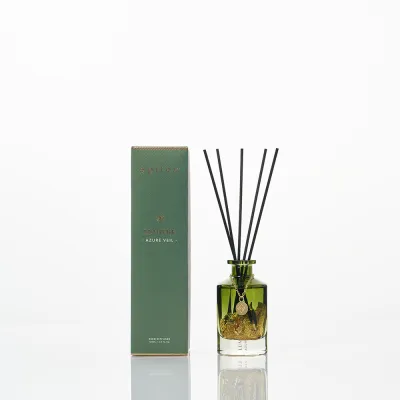
Prices are valid at publication and may change. Please refer to the product page for the latest price.
The structural differences between these two systems directly impact daily use. An ultrasonic model requires you to manually fill a water tank and add a few drops of oil before each use. A nebulizing model, however, often allows you to screw an essential oil bottle directly into the base, eliminating the need for constant water refills.
Comparing Scent Intensity and Room Coverage
Scent intensity is one of the most significant differentiators when comparing these two technologies. Nebulizing diffusers are designed for those who prefer a robust, immediate, and uncompromised fragrance. Because they disperse pure, undiluted essential oil, the scent throw is exceptionally strong and can quickly fill large, open-plan living areas or high-ceilinged rooms. If you want to mask persistent household odors or create a highly aromatic environment, a nebulizer provides the necessary power to distribute scent across expansive spaces.

Ultrasonic diffusers offer a much more subtle and localized fragrance experience. The mist released by these devices consists primarily of water vapor, with only a small percentage of essential oil suspended within it. This makes ultrasonic models highly suitable for smaller to medium-sized spaces, such as bedrooms, home offices, or study areas, where an intense scent might become overwhelming. The localized output allows you to enjoy aromatherapy in your immediate personal space without heavily scenting the entire household.
When selecting an aroma diffuser for home use, always check the manufacturer’s specifications for recommended room coverage. Manufacturers typically list coverage in square meters or cubic meters, which helps you match the device to your specific room dimensions.
You can easily customize the scent strength of both devices to suit your comfort levels. For ultrasonic models, adjusting the scent is as simple as changing the ratio of oil drops to water in the tank. For nebulizing models, many feature adjustable timer settings, mist intensity dials, or intermittent diffusion modes that cycle the device on and off.
Evaluating Oil Consumption and Running Costs
The long-term cost of operating an aroma diffuser for home use is heavily influenced by how quickly it consumes essential oils. Nebulizing diffusers have a significantly higher oil consumption rate because they process pure, undiluted oil. A bottle of essential oil that might last several weeks in an ultrasonic device can be depleted much faster in a nebulizer if run continuously. To manage your budget, check the manufacturer’s specifications for the milliliter-per-hour consumption rate before purchasing.
Ultrasonic diffusers are highly economical when it comes to oil usage. Because you only need to add three to ten drops of essential oil to a full tank of water, a single bottle of oil can last for months of regular use. This makes ultrasonic technology the preferred choice for those who use expensive, high-grade essential oils and wish to conserve their collection. The water acts as a carrier, stretching the utility of every drop.
Beyond oil consumption, you should also evaluate the availability and cost of replacement parts. Ultrasonic diffusers rely on a ceramic disc that can wear out over time due to mineral buildup, especially if you use hard tap water. Nebulizing diffusers, on the other hand, feature delicate glass micro-tubes or specialized nozzles that can clog or break if mishandled, requiring specific replacement parts from the manufacturer.
Electricity usage is generally minimal for both types of devices, but their internal components differ. Nebulizing diffusers utilize mechanical air pumps to create the necessary pressure, which may draw slightly more power than the simple ultrasonic vibrators. Always verify the wattage limits and electrical specifications on the product label.
Assessing Maintenance, Cleaning, and Noise Levels
Regular maintenance is crucial to keep your aroma diffuser for home use operating safely and efficiently. Ultrasonic diffusers require frequent cleaning of the water reservoir to prevent the growth of mold, bacteria, and mineral scale. Because standing water can quickly become a breeding ground for microbes, you should empty and wipe down the tank after every few uses. Gently cleaning the ultrasonic ceramic plate with a soft cloth or cotton swab dipped in white vinegar helps remove stubborn mineral deposits.
Nebulizing diffusers require a different cleaning approach to prevent thick, viscous oils from clogging the delicate internal micro-tubes. Instead of water and soap, nebulizers are typically cleaned by flushing the system with rubbing alcohol. Pouring a small amount of high-percentage isopropyl alcohol into the reservoir and running the device for a few minutes helps dissolve residual oil buildup. This routine maintenance is essential to keep the narrow air passages clear and maintain consistent vapor output.
Acoustic comfort is another important factor to consider, especially if you plan to use the device while sleeping or working. Nebulizing diffusers produce an audible mechanical hum or vibration caused by the internal air pump. Ultrasonic diffusers operate almost silently, with the only audible sounds being a faint hum from the small fan and the occasional gentle dripping of water inside the tank.
Regardless of the technology you choose, always prioritize electrical safety during maintenance. Always unplug the device from the wall outlet before cleaning, refilling, or moving it. Never submerge the electronic base of an ultrasonic or nebulizing diffuser in water, as this can damage the internal circuitry and pose a serious electrical hazard.
Decision Guide: Which Aroma Diffuser Fits Your Home?
To make your final decision, evaluate your home’s layout, your personal sensitivity to fragrance, and your willingness to perform regular maintenance. A nebulizing diffuser is the ideal choice if you want a powerful, immediate scent throw that can easily cover large, open-plan living areas. This technology is perfect for those who appreciate the pure, unaltered properties of essential oils and do not mind a higher oil consumption rate or the gentle hum of an air pump.
An ultrasonic diffuser is better suited for those who prefer a subtle, localized fragrance and a quiet environment. It is an excellent option for bedrooms, nurseries, or home offices where silent operation is essential. Additionally, if you want to conserve your essential oils and enjoy a light, cool mist that adds a touch of moisture to the air, the ultrasonic method is highly cost-effective.
Before purchasing, verify if your favorite essential oils are compatible with your chosen device. Thick, resinous oils like sandalwood, vetiver, or patchouli can easily clog the micro-tubes of a nebulizer, whereas they are easily dispersed when diluted in an ultrasonic water tank. You should also consider your local climate; if you live in a highly humid environment like Singapore, the added moisture from an ultrasonic diffuser might be unnecessary, making a dry nebulizer a more appealing option for maintaining indoor comfort.
Finally, always perform a quick safety and compatibility check before completing your purchase. Verify that the device’s voltage matches your home’s electrical system (such as 220V-240V) and that it comes with the correct plug type. Look for recognized electrical safety certifications, such as the Safety Mark, to ensure the device has been tested and approved for safe home use.
Frequently Asked Questions (FAQ)
Can I use thick essential oils in a nebulizing diffuser?
Thick, resinous essential oils like vetiver, patchouli, and sandalwood are generally not recommended for direct use in nebulizing diffusers. These viscous oils can easily clog the extremely narrow glass micro-tubes, reducing mist output or stopping the device from working entirely. Always check the manufacturer’s guidelines regarding oil viscosity limits. If you wish to use these scents in a nebulizer, try blending them with thinner carrier oils or lighter essential oils like citrus, or opt for an ultrasonic diffuser which handles thicker oils much more effectively due to water dilution.
Do ultrasonic diffusers actually humidify the room?
While ultrasonic diffusers do release a visible water mist, their humidifying effect is minimal compared to a dedicated room humidifier. The water tank capacity is typically too small to significantly alter the relative humidity of a medium or large room. In naturally humid climates like Singapore, this minimal moisture output is unlikely to cause issues, but you should still ensure proper room ventilation. Avoid placing the diffuser directly next to moisture-sensitive surfaces, electronics, or wooden furniture to prevent localized condensation buildup.

Community discussion
Share your experience or ask a question. Comments are reviewed before publication.