
Choosing the right aroma oil diffuser for your home depends on how you prefer to experience fragrance and how much maintenance you are willing to perform. Ultrasonic diffusers use water and high-frequency vibrations to create a fine mist, offering a gentle scent and slight localized humidity, while nebulizing diffusers use pressurized air to atomize pure essential oils, delivering maximum scent intensity without water. Choosing an ultrasonic model is ideal if you have larger spaces, prefer near-silent operation, and want budget-friendly oil usage. Conversely, a nebulizer is the better choice for potent, undiluted aromatherapy in smaller to medium rooms where pure oil efficiency and strong scent throw are your top priorities.
To make an informed decision, you must look beyond the aesthetic design of these devices and examine how their internal technologies disperse essential oils. Each method alters the concentration of the scent, the speed at which you consume your oils, and the daily upkeep required to keep the device running smoothly. By understanding these differences, you can select a system that matches your lifestyle, budget, and home environment.
Understanding the Core Mechanisms
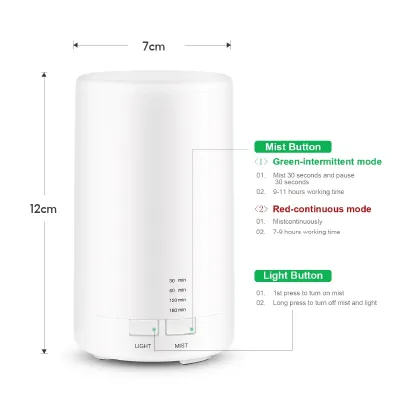
To understand why these two types of diffusers perform so differently, it helps to look at the physics behind their operation. Ultrasonic diffusers rely on a small, flexible electronic disc—usually a piezoelectric transducer—located at the bottom of a water reservoir. When electricity passes through this disc, it vibrates at an incredibly high frequency, often over one million times per second. These rapid vibrations break down the mixture of water and essential oil into microscopic droplets, which are then dispersed into the air as a cool, visible mist. Because this process relies on water as a carrier, the essential oil is highly diluted, resulting in a subtle, gradual release of fragrance.
Products mentioned in this guide
Prices are valid at publication and may change. Please refer to the product page for the latest price.
Nebulizing diffusers, on the other hand, operate on a completely waterless and heatless system that utilizes the Bernoulli principle. Inside a nebulizer, an electric air pump forces compressed air through a narrow nozzle, creating a high-velocity stream. This rapid airflow generates a vacuum that pulls the pure essential oil up through a set of glass micro-tubes. When the oil meets the high-speed air stream, it is instantly atomized into an incredibly fine vapor of pure, undiluted oil micro-droplets. A built-in baffle or glass chamber filters out the larger droplets, sending only the finest, lightest particles out into the room while returning the rest to the reservoir for recycling.
This fundamental mechanical difference changes how the oils interact with your living space. The ultrasonic method introduces a steady stream of moisture alongside the scent, acting as a very mild, localized humidifier. The nebulizing method introduces nothing but pure, concentrated essential oil directly into the air. This means the chemical composition of the oil remains completely unaltered, preserving its original aromatic profile without dilution.
Scent Intensity and Essential Oil Efficiency
The difference in mechanics directly dictates the strength of the aroma and how quickly you will empty your oil bottles. Nebulizing diffusers are unmatched when it comes to scent intensity and throw. Because they disperse pure, undiluted oil, the fragrance is immediate, rich, and highly concentrated. The scent profile is also more complex, as all components of the essential oil are atomized simultaneously. In contrast, ultrasonic diffusers deliver a much lighter, water-diluted fragrance. The scent is released gradually as the water evaporates, which can result in a more subtle background aroma rather than a dominant sensory experience.

However, this high performance comes with a trade-off in oil consumption. Nebulizing diffusers consume essential oils at a significantly faster rate because they do not use water to stretch the liquid. A standard 10ml bottle of essential oil that might last several weeks in an ultrasonic diffuser can be depleted in a fraction of that time in a nebulizer if left running continuously. If you are purchasing premium essential oils that cost S$30 to S$60 per bottle, the ongoing operating cost of a nebulizer can become a major consideration for your household budget.
To manage this high consumption, it is crucial to check the manufacturer’s specifications for adjustability features before buying. Many modern nebulizers include built-in intermittent timers and output controls. These features allow you to program the device to run for short bursts—such as 10 seconds of diffusion followed by 50 seconds of rest—and to automatically shut off after an hour or two. Utilizing these controls is essential for preventing sensory overload and keeping your oil expenses manageable. Ultrasonic diffusers also offer timer settings, but because they naturally stretch a few drops of oil across a full tank of water, they are inherently more budget-friendly for daily, long-term use.
Room Size, Noise, and Maintenance Requirements
When integrating an aroma oil diffuser into your daily routine, practical living factors like room size, acoustic comfort, and maintenance effort will determine whether you enjoy using the device long-term. While nebulizers deliver a highly concentrated scent, their effective coverage area is often best suited for small to medium, enclosed spaces like bedrooms, home offices, or dedicated study areas. The heavy, pure oil droplets tend to settle more quickly than water mist. Ultrasonic diffusers, by contrast, generate a lightweight, buoyant water mist that can travel further and remain suspended longer, making them highly effective for larger, open-plan living rooms or dining areas where a gentle, lingering scent is desired.
Acoustic performance is another key differentiator, especially if you plan to use the device while sleeping or working. Ultrasonic diffusers are generally near-silent, producing only a soft, rhythmic water-dripping sound and a faint hum from a tiny internal fan. This makes them excellent companions for bedside tables. Nebulizing diffusers, however, rely on an internal mechanical air pump to compress the air. Even high-quality models will produce a low, continuous mechanical hum or vibration. While many users find this sound easy to ignore as white noise, those who are highly sensitive to sound may find it distracting in a quiet bedroom.
Maintenance routines also vary significantly between the two technologies. Ultrasonic diffusers require frequent, simple cleaning. Because they hold standing water, mineral deposits from tap water and organic residues can quickly build up, leading to mold or bacterial growth if left unchecked. You will need to empty the tank, wipe it down with a soft cloth, and occasionally clean the ultrasonic disc with a cotton swab dipped in white vinegar. Nebulizing diffusers do not suffer from water-related mold, but they are highly susceptible to clogging. Over time, heavy oil residues can dry and block the delicate glass micro-tubes. To prevent this, you must periodically flush the system by running a small amount of high-percentage isopropyl alcohol through the diffuser, or soak the glass components to dissolve stubborn clogs.
Decision Framework: Choosing the Right Aroma Oil Diffuser
To finalize your choice, evaluate your home environment, budget, and sensory preferences against this practical decision framework.
You should choose an ultrasonic aroma oil diffuser if:
- You prefer a subtle, background fragrance rather than an intense, immediate scent.
- You want to minimize ongoing costs by stretching a few drops of essential oil over many hours.
- You plan to use the device in a large, open-concept living area where a buoyant mist can disperse widely.
- You require near-silent operation for a bedroom, nursery, or quiet workspace.
- You welcome a very slight, localized humidifying effect in air-conditioned rooms.
You should choose a nebulizing aroma oil diffuser if:
- You prioritize maximum scent intensity and want to experience the pure, unaltered profile of your essential oils.
- You are using the device in a small to medium-sized room where the concentrated vapor can fill the space quickly.
- You prefer a completely waterless system to avoid any risk of mold, mildew, or localized humidity.
- You do not mind a low, mechanical hum from the internal air pump.
- You are comfortable with a higher ongoing budget for essential oils and a more meticulous cleaning routine.
Before making your final purchase, verify the placement of your device. If you choose a nebulizer, ensure it is placed on a stable, easy-to-clean surface away from delicate fabrics or polished wood finishes, as microscopic oil droplets can occasionally settle nearby. If you choose an ultrasonic model, check your local water hardness; hard water can lead to white dust deposits around the machine, which may require you to switch to distilled or filtered water. Additionally, always verify that the device carries the appropriate electrical safety certifications for your region and matches your home’s voltage requirements before plugging it in.
Frequently Asked Questions (FAQ)
Can I use carrier oils or thick blends in a nebulizing diffuser?
No, you should avoid using carrier oils (such as jojoba, sweet almond, or coconut oil) or highly viscous, thick essential oil blends in a nebulizing diffuser. Nebulizers rely on incredibly narrow glass micro-tubes to atomize the liquid. Thick, heavy oils cannot be easily drawn up by the vacuum pressure and will quickly clog the delicate tubes, potentially causing permanent damage to the pump mechanism. Always use thin, pure, single-note essential oils or blends specifically formulated for waterless diffusion. If you are unsure about a specific oil’s viscosity, check the manufacturer’s guidelines before adding it to your device.
Do ultrasonic diffusers actually humidify the room?
While ultrasonic diffusers do release a visible water mist into the air, their humidifying effect is extremely localized and minimal. They typically hold between 100ml and 500ml of water and disperse it slowly over several hours, which is not enough to significantly alter the relative humidity of an entire room. If you are trying to combat dry air from air conditioning or dry climates, an ultrasonic diffuser should not be used as a replacement for a dedicated, large-capacity room humidifier. Instead, view it as an aromatherapy device that provides a very minor, localized moisture benefit to the immediate area surrounding the unit.

Community discussion
Share your experience or ask a question. Comments are reviewed before publication.