
Choosing the right aromatherapy device depends on how you prefer to experience fragrance, the size of your living space, and your willingness to perform regular maintenance. If you prefer a subtle, lingering scent accompanied by a gentle mist that adds light moisture to a room, an ultrasonic diffuser is generally your ideal choice. Conversely, if you seek a highly concentrated, pure aroma that quickly fills a room without altering the ambient humidity, a waterless nebulizing diffuser is the more suitable technology. Understanding how these two distinct systems operate will help you select a device that matches your lifestyle, home environment, and budget.
Core Mechanisms: Water-Based vs Waterless Diffusion
An ultrasonic diffuser relies on a mixture of water and essential oils to disperse fragrance. At the base of the water tank sits a small ceramic disc that vibrates at an extremely high frequency. These rapid vibrations break the water and oil mixture down into a fine, cool mist. This mist is then pushed upward and outward into the room by a small built-in fan, carrying the suspended essential oil molecules along with it.
Because water is the primary medium, the essential oil is highly diluted during this process. The mist released from an ultrasonic device is cool to the touch, making it a popular choice for households with children or pets where hot steam vaporisers might pose a safety hazard. However, because it continuously releases moisture, it will slightly influence the immediate air quality, which is an important consideration depending on your local climate.
Products mentioned in this guide
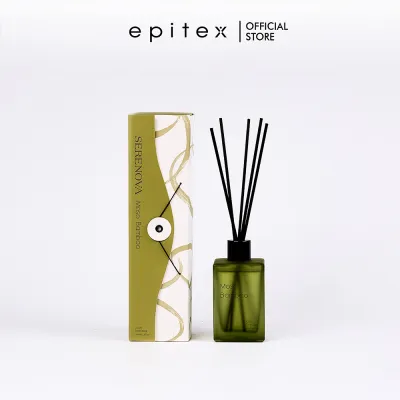
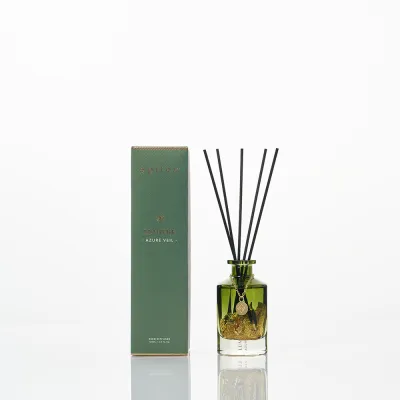
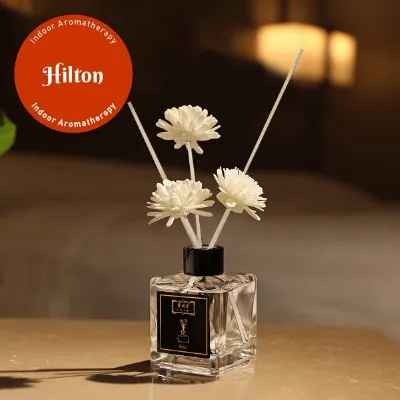
Prices are valid at publication and may change. Please refer to the product page for the latest price.
A nebulizing diffuser operates on a completely waterless principle, utilizing fluid dynamics often referred to as the Venturi effect. The device contains an electric air pump that forces a high-velocity stream of pressurized air through a narrow tube. This rapid airflow creates a vacuum that pulls pure essential oil up from an attached bottle. When the oil meets the high-speed air stream, it is instantly atomized into an incredibly fine mist of pure, undiluted micro-particles.
These micro-particles are so small that they can remain suspended in the air for extended periods without settling on furniture. Because there is no water tank, a nebulizer does not add any moisture to the air, nor does it dilute the chemical composition of the essential oils. This results in a highly concentrated, pure aromatic experience that represents the true profile of the botanical extract.
Comparing Scent Intensity and Oil Purity
Scent intensity is one of the most noticeable differences when comparing these two technologies. Because a nebulizing diffuser disperses undiluted essential oil, the resulting aroma is exceptionally strong, rich, and true to the original plant source. This makes nebulizers highly favored by aromatherapy enthusiasts who use essential oils for therapeutic purposes, as the chemical properties of the oils remain completely unaltered by heat or water dilution.

However, this high concentration means you must carefully assess whether a strong, potent aroma suits your personal sensitivity and the comfort of others in your household. In smaller, enclosed spaces, the scent from a nebulizer can quickly become overwhelming if the device is left running continuously. Many users find they need to operate nebulizers on a strict timer, running them for only a few minutes at a time to maintain a comfortable level of fragrance.
Ultrasonic diffusers offer a much lighter, more subtle scent throw because the essential oil is suspended within a large volume of water. As the mist disperses, the fragrance is released gradually, creating a gentle background aroma rather than an intense sensory experience. This milder output is often preferred for daily, continuous use in living areas, home offices, or bedrooms where a strong scent might cause headaches or sensory fatigue.
When using either device, you must pay close attention to the viscosity of the essential oils you choose. Nebulizing diffusers are highly sensitive to the thickness of the oil because they rely on microscopic glass or metal tubes to atomize the liquid. Thick, viscous oils—such as vetiver, patchouli, sandalwood, or absolute extractions—can easily clog these delicate tubes, stopping the diffusion process entirely. Always check the manufacturer’s guidelines on oil viscosity limits, especially for nebulizers, to prevent clogging from thick oils.
Evaluating Room Size and Coverage Claims
When selecting a diffuser, matching the device’s output to your specific room size and ventilation is crucial for achieving the desired fragrance effect. Nebulizing diffusers are highly efficient at covering larger open-plan areas because they output concentrated, lightweight micro-particles. These tiny oil droplets disperse rapidly through the air, carrying the scent across expansive living rooms, open kitchens, or high-ceilinged spaces far more effectively than a water-based mist.
To ensure optimal performance, always check the manufacturer’s specifications for the exact square meter coverage of a nebulizer. Because the scent is so concentrated, proper room ventilation is essential. In a well-ventilated space, the air currents help distribute the micro-particles evenly, preventing the aroma from pooling in one corner or becoming too intense in the immediate vicinity of the device.
Ultrasonic diffusers, by contrast, rely on a visible water mist to carry the fragrance. The coverage area of an ultrasonic model is largely determined by the size of its water tank and the power of its internal fan. While some larger ultrasonic models claim to cover substantial areas, the actual scent throw is often limited by how far the water mist can travel before the droplets evaporate or settle.
In rooms with high ventilation, air conditioning, or open windows, the light mist from an ultrasonic diffuser can quickly dissipate, reducing the perceived strength of the fragrance. Therefore, ultrasonic models are typically best suited for medium to small enclosed spaces, such as bedrooms, study rooms, or compact office cubicles where the air is relatively still. Avoid assuming that one technology universally covers larger spaces; always cross-check product labels and user manuals.
Maintenance Requirements and Daily Upkeep
Keeping your diffuser clean is essential not only for the performance of the device but also for your health and safety. Ultrasonic diffusers require regular, hands-on maintenance because they hold standing water. If water is left in the tank for several days, it can become a breeding ground for bacteria, mold, and mineral deposits, which are then dispersed into the air when the device is turned on.
To maintain a hygienic environment, you should plan to empty and wipe down the water tank of your ultrasonic diffuser after every few uses, or at least every three days. Use a soft cloth or cotton swab dipped in a mild dish soap or white vinegar to gently clean the ceramic transducer plate at the bottom of the tank. This prevents mineral buildup from tap water, which can otherwise degrade the ultrasonic vibrations and reduce mist output over time.
Nebulizing diffusers do not have a water tank, which eliminates the risk of standing water and mold growth. However, they require a different type of maintenance to prevent the delicate glass or metal micro-tubes from becoming clogged with dried oil residue. Over time, essential oils can oxidize and thicken inside the narrow passages, blocking the airflow and stopping the atomization process.
To keep a nebulizer running smoothly, you must perform periodic flushing. This typically involves filling an empty oil bottle with a small amount of rubbing alcohol (isopropyl alcohol) and running the diffuser for a few minutes in a well-ventilated room. The alcohol dissolves any stubborn oil buildup inside the micro-tubes, keeping the pathways clear. This cleaning routine should be performed weekly or whenever you plan to switch to a different essential oil scent.
Noise levels are another practical aspect of daily upkeep and comfort. Because nebulizing diffusers rely on an electric air pump to create high-velocity airflow, they naturally produce a mechanical hum or vibration during operation. While many modern nebulizers feature insulated casings to dampen this sound, they are still generally louder than ultrasonic models. Ultrasonic diffusers operate with a very gentle hum and the soothing sound of trickling water, making them much quieter and highly suitable for bedside use or quiet meditation spaces.
Upfront Costs and Ongoing Oil Consumption
When evaluating the financial commitment of each diffuser type, you must consider both the initial purchase price and the long-term operational costs. Nebulizing diffusers generally carry a higher upfront retail price than ultrasonic models. This price difference is primarily due to the complex engineering required for the internal air pump and the high-quality materials, such as hand-blown glass or solid wood, often used in their construction.
Ultrasonic diffusers are widely available at a variety of price points, making them highly accessible for those who want to try aromatherapy without a significant initial investment. The simpler plastic construction and mass-produced electronic components allow manufacturers to offer these devices at very budget-friendly prices, though premium models with ceramic or wood covers are also available.
However, the initial purchase price is only one part of the financial equation; ongoing essential oil consumption is often the more significant long-term expense. Because nebulizers disperse pure, undiluted essential oil, they consume oil at a much faster rate than ultrasonic models. A small bottle of essential oil that might last for weeks in an ultrasonic diffuser can be depleted in a matter of days in a nebulizer if run continuously.
To manage these ongoing costs, users of nebulizing diffusers often rely on built-in timers and interval settings, running the device for only 10 to 15 minutes per hour. This controlled usage helps conserve oil while still maintaining a pleasant aroma in the room. With an ultrasonic diffuser, a few drops of oil added to a full tank of water can provide a steady, subtle fragrance for up to eight to ten hours, making it highly cost-effective for daily, long-duration use.
Additionally, you should factor in the cost and availability of replacement parts. Nebulizing diffusers often feature delicate glass atomizers that can easily chip or break during cleaning. Before purchasing, check if the brand offers replacement glass parts and verify their cost. Ultrasonic diffusers rarely require replacement parts, though the ceramic disc may eventually wear out after several years of heavy use, at which point the entire unit is typically replaced.
Decision Matrix: Matching Technology to Your Needs
To finalize your decision, it is helpful to weigh your personal priorities against the distinct characteristics of each technology. Your choice should align with how you plan to use the device, the size of your room, and your willingness to perform regular cleaning.
Choose an ultrasonic diffuser if you prefer a subtle, gentle fragrance that builds up slowly over time. This technology is ideal if you want to add a touch of ambient moisture to dry, air-conditioned rooms, or if you prefer a quiet device for a bedroom or study. It is also the most cost-effective option if you want to minimize your ongoing essential oil consumption and prefer a lower upfront purchase price.
Choose a nebulizing diffuser if you prioritize a powerful, immediate, and pure aromatic experience. This waterless technology is perfect for larger, well-ventilated living spaces where you want the scent to disperse quickly and evenly. It is the ideal choice for those who want to experience the full therapeutic benefits of pure essential oils without any dilution, and who do not mind a slightly higher upfront cost and more frequent oil purchases.
Before making your final purchase, always verify that the device matches the local electrical standards of your home. In Singapore, electrical appliances must be compatible with a 230V supply voltage and a 50Hz frequency, and they should feature a compatible three-pin plug. Ensuring the device holds relevant safety certifications, such as the Safety Mark, provides peace of mind that the electrical components have been tested for safe operation in your household.
Frequently Asked Questions (FAQ)
Can I use synthetic fragrance oils or carrier oils in a nebulizing diffuser?
Nebulizing diffusers are designed exclusively for pure, low-viscosity essential oils. You should avoid using synthetic fragrance oils, as they often contain heavy chemical binders and synthetic compounds that are too thick for the delicate micro-tubes to atomize. Similarly, carrier oils—such as jojoba, sweet almond, or coconut oil—are far too viscous and will quickly clog the glass atomizer, potentially causing permanent damage to the air pump. Always check the manufacturer’s specific oil compatibility list before using any new liquid in your nebulizer.
Do ultrasonic diffusers significantly increase room humidity?
While ultrasonic diffusers do release a visible water mist into the air, they are not designed to act as replacements for dedicated humidifiers. The volume of water dispersed by a standard diffuser is relatively small, typically ranging from 20 to 50 milliliters per hour, which is insufficient to significantly raise the humidity levels of a medium or large room. The actual impact on humidity is highly dependent on room size and ventilation; in a small, closed room, you may notice a slight increase in moisture, whereas in a large or air-conditioned space, the effect will be negligible.

Community discussion
Share your experience or ask a question. Comments are reviewed before publication.