
Choosing between an ultrasonic and a nebulizing diffuser depends entirely on your priorities for scent intensity, room size, and daily maintenance. If you prefer a subtle fragrance with added moisture and lower essential oil consumption, an ultrasonic diffuser is the practical choice for larger spaces. Conversely, if you seek pure, undiluted aromatherapy with a strong scent throw in a smaller area and do not mind more frequent cleaning, a nebulizing diffuser will better serve your needs.
In tropical climates like Singapore, where homes alternate between natural humidity and dry, air-conditioned air, the way a diffuser disperses fragrance can significantly affect your indoor comfort. An ultrasonic model introduces a light mist that can soften dry air in an air-conditioned bedroom. Meanwhile, a waterless nebulizing model delivers a crisp, unaltered scent profile without adding extra moisture to already humid living areas. Understanding how these technologies operate helps you select a device that aligns with your home environment and lifestyle.
How Ultrasonic and Nebulizing Diffusers Deliver Fragrance
To make an informed choice, it is essential to understand the mechanical processes that drive these two distinct devices. Ultrasonic diffusers rely on a small, flexible electronic transducer located at the bottom of a water tank. This transducer vibrates at an extremely high frequency, creating ultrasonic waves that agitate the water. This agitation breaks the water and added essential oil drops into a microscopic mist, which is then pushed into the air by a small internal fan. Because the oil is suspended in water, the resulting fragrance is diluted, offering a gentle and gradual release.
Products mentioned in this guide
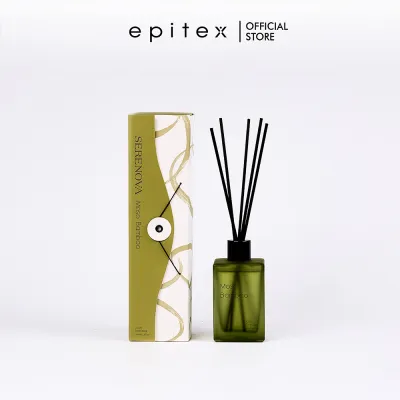
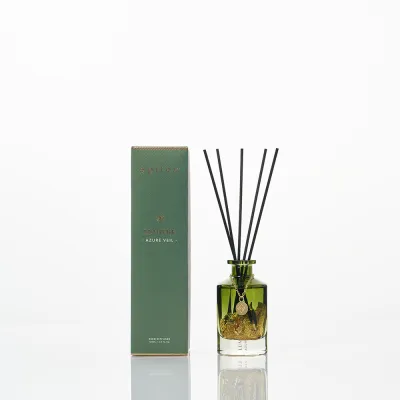
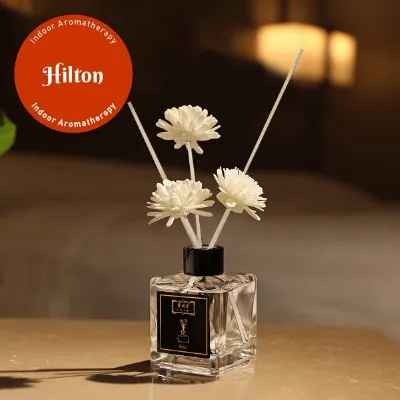
Prices are valid at publication and may change. Please refer to the product page for the latest price.
Nebulizing diffusers, on the other hand, operate on a completely waterless mechanism based on fluid dynamics. A high-pressure air pump forces a stream of air through a narrow nozzle, creating a vacuum that draws pure essential oil up through a set of delicate micro-tubes. When the oil meets the high-velocity air stream, it is atomized into an incredibly fine vapor of pure oil micro-particles. This vapor is released directly into the room without any dilution, preserving the exact chemical profile of the oil.
These mechanical differences directly shape your immediate sensory experience. The mist from an ultrasonic diffuser rises slowly and disperses softly, making it ideal for creating a subtle, background aroma. In contrast, a nebulizer delivers an immediate, robust burst of fragrance that can quickly fill a space with a true-to-bottle scent. If you appreciate the complex top, middle, and base notes of premium essential oils, a nebulizer preserves these layers perfectly, whereas an ultrasonic model may release them more uniformly due to the water-binding process.
Matching Diffuser Technology to Your Room Size
Selecting the right technology requires a realistic assessment of your room layout and spatial volume. Ultrasonic diffusers excel in larger, open-concept living areas or high-ceiling rooms. Because the water mist acts as a carrier, the fragrance particles can travel further when carried by natural indoor air currents. However, because the scent is diluted, you may need to add more drops of oil to maintain a noticeable aroma in expansive spaces.

Nebulizing diffusers are highly efficient but incredibly concentrated, making them best suited for small to medium enclosed spaces such as home offices, bedrooms, or dedicated study areas. In a compact room, a nebulizer can establish a rich scent profile within minutes. However, running a nebulizer continuously in a small, unventilated space can easily lead to sensory overload or scent fatigue. To prevent this, most high-quality nebulizers feature built-in interval timers that cycle the device on and off.
When shopping, always check the manufacturer’s specified coverage rating, which is typically listed in square meters or cubic volume. Avoid relying solely on broad marketing claims like “whole-house coverage.” Instead, match the device’s output capacity to your specific room dimensions. For open-plan layouts, look for ultrasonic models with larger water tank capacities to ensure continuous operation without constant refills. For smaller, enclosed rooms, a compact nebulizer with adjustable output levels offers the most precise control.
Maintenance, Cleaning, and Daily Upkeep
Your willingness to perform routine maintenance is often the deciding factor in long-term satisfaction with either device. Ultrasonic diffusers require frequent, simple upkeep to remain hygienic. Because they hold standing water, they can quickly become breeding grounds for mold, bacteria, and pink yeast if left uncleaned. You should empty the water tank daily, wipe it dry, and perform a deeper descaling clean with white vinegar once a week to remove mineral deposits left behind by tap water.
Nebulizing diffusers do not carry the risk of bacterial growth from standing water, but their maintenance is more mechanically demanding. The micro-tubes and glass reservoirs can easily become clogged by thick, viscous essential oils like patchouli, vetiver, or sandalwood. To keep a nebulizer running smoothly, you must perform regular cleaning cycles by running a small amount of high-percentage isopropyl alcohol through the system. If neglected, dried oil residue can permanently block the narrow tubes, rendering the atomizing nozzle useless.
When comparing the two, ultrasonic maintenance is highly frequent but requires no specialized cleaning agents—just a quick rinse and wipe. Nebulizer maintenance is less frequent but requires careful handling of delicate glass parts and the regular use of rubbing alcohol. If you prefer a low-effort routine where you can simply pour in water and go, the ultrasonic model is generally more forgiving, provided you do not let water sit stagnant for days.
Key Specifications to Verify Before Purchasing
Before finalizing your purchase, a thorough check of technical specifications ensures safety, compatibility, and convenience. First, evaluate the operational noise levels. Ultrasonic diffusers are exceptionally quiet, producing only a gentle hum and the occasional soothing sound of dripping water. Nebulizing diffusers contain an active mechanical air pump, which naturally produces a noticeable vibrating hum. If you plan to use the device on a bedside table while sleeping, verify the decibel rating or look for models with vibration-dampening rubber feet.
Electrical safety is paramount, especially for devices operating near water or running unattended for hours. In Singapore, ensure the power adapter carries the local Safety Mark, indicating it has been tested and certified for safe domestic use. Additionally, verify that the device features an automatic shut-off mechanism. For ultrasonic models, this safety feature must trigger instantly when the water reservoir runs dry to prevent the transducer from overheating.
Material compatibility is another critical factor. Pure essential oils can be highly corrosive to certain plastics. Ensure that any plastic components in a nebulizer or ultrasonic tank are made from medical-grade, oil-resistant materials like high-density polypropylene (PP). Finally, review the control interface. Look for models that offer flexible timer settings, intermittent misting options, and adjustable output dials. These controls allow you to customize the fragrance intensity to match your comfort level and conserve your essential oils.
Decision Framework: Choosing Your Ideal Fragrance Diffuser
To guide your final decision, consider how each technology aligns with your daily habits and home environment. An ultrasonic diffuser is your ideal match if you want a gentle, lingering fragrance, appreciate a slight humidifying effect in dry, air-conditioned rooms, and prefer a quiet device for overnight use. It is also the more economical choice regarding oil consumption, as a few drops in a large water tank can last for several hours.
A nebulizing diffuser is the superior choice if you prioritize pure, therapeutic-grade aromatherapy, demand an immediate and powerful scent throw, and prefer a waterless system that does not add moisture to your home. It is perfect for quick, intense scenting sessions before guests arrive or during focused meditation. However, be prepared for higher oil consumption and the necessity of handling delicate glass components during cleaning.
Before setting up any diffuser, verify that your chosen room has adequate ventilation to prevent the buildup of concentrated airborne particles. If you share your home with household pets, particularly cats or dogs, research which essential oils are safe, as many common oils are highly toxic to animals when vaporized. Lastly, check the physical layout of your space; ensure the electrical outlet placement supports the device’s cord length without creating a tripping hazard or requiring unsafe extension cord setups.
Frequently Asked Questions (FAQ)
Can I use synthetic fragrance oils in a nebulizing diffuser?
No, you should never use synthetic fragrance oils, carrier oils, or thick perfume blends in a nebulizing diffuser. These liquids have a much higher viscosity than pure essential oils and will quickly clog the delicate micro-tubes of the atomizing nozzle. Using unauthorized liquids can strain the internal air pump, lead to permanent mechanical failure, and void the manufacturer’s warranty. Always stick to 100% pure, therapeutic-grade essential oils.
Do ultrasonic diffusers significantly increase room humidity?
While ultrasonic diffusers emit a visible plume of mist, they do not release enough water volume to act as a substitute for a dedicated room humidifier. The humidifying effect is highly localized and temporary. In a typical room, especially one with active ventilation or air conditioning, the moisture disperses rapidly, resulting in a negligible change to the overall relative humidity of the space.

Community discussion
Share your experience or ask a question. Comments are reviewed before publication.