
Choosing the right essential oil diffuser depends on balancing your scent preferences, room size, and household environment. If you prioritize a pure, highly concentrated aroma that fills a large space quickly, a nebulizing diffuser is the premier choice. For those seeking a quieter device that adds a subtle touch of moisture to dry, air-conditioned rooms, an ultrasonic diffuser offers an excellent middle ground. Meanwhile, a heat diffuser provides a silent, low-maintenance, and flameless option best suited for small, localized spaces. By understanding how these three distinct technologies operate, you can select a device that aligns with your lifestyle, safety requirements, and aesthetic goals.
Evaluating these options requires looking beyond aesthetics to the core technology driving each device. Each method of dispersion alters how the oil behaves, how quickly it fills a room, and how much maintenance the device requires over time. Whether you are setting up a relaxing bedroom sanctuary in a high-rise apartment or scenting a spacious open-concept living area, matching the technology to your specific environment ensures a seamless and enjoyable aromatherapy experience.
How Ultrasonic, Nebulizing, and Heat Diffusers Work
Ultrasonic diffusers rely on a small, flexible membrane or transducer located at the bottom of a water reservoir. This component vibrates at an incredibly high frequency, creating ultrasonic sound waves that agitate the water. This rapid vibration breaks the water and essential oil mixture down into microscopic droplets, transforming the liquid into a fine, cool mist. A small, built-in fan then pushes this water-diluted mist upward and out into the room, dispersing both moisture and scent simultaneously.
Products mentioned in this guide
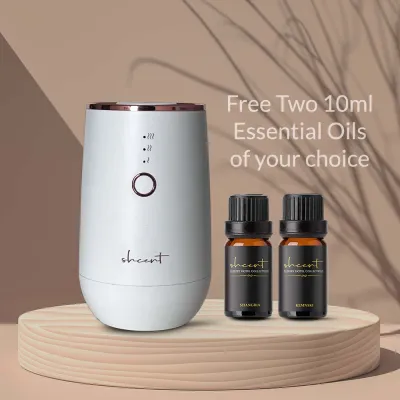
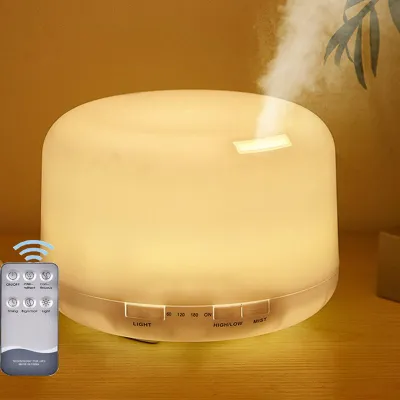
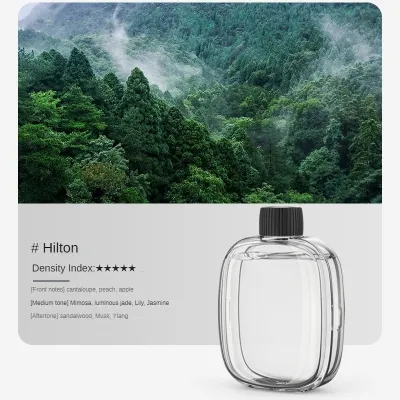
Prices are valid at publication and may change. Please refer to the product page for the latest price.
Nebulizing diffusers operate on a completely different mechanical principle, utilizing high-velocity air pressure rather than water. A pressurized air pump forces a stream of air through a narrow tube, creating a vacuum that draws the essential oil upward from its reservoir. As the oil meets the high-speed air stream, it is atomized into an extremely fine, dry mist of pure, undiluted oil droplets. This mist is released directly into the air without any dilution or temperature alteration, preserving the original molecular structure of the botanical extracts.
Heat diffusers utilize a quiet thermal element to gently warm a small tray, pad, or reservoir containing the essential oil. As the temperature of the oil rises, the volatile aromatic compounds naturally evaporate into the surrounding air. This method does not use a fan, a pressurized pump, or high-frequency vibrations, relying entirely on natural thermal convection to spread the scent. Because there is no open flame, it represents a modern, controlled alternative to traditional candle-lit ceramic burners.
Key Comparison Dimensions for Your Aromatherapy Goals
Scent intensity and purity vary dramatically across these three technologies due to how they handle the essential oil. Nebulizers deliver the most robust and unaltered scent profile because they disperse pure, undiluted oil directly into the air. This makes them highly favored by purists who want to experience the full depth of an oil’s therapeutic properties immediately. Ultrasonic diffusers produce a much lighter, more subtle aroma because the oil is suspended within water droplets, which is often preferred for continuous, non-overwhelming background scenting. Heat diffusers offer a gentle, localized scent that builds slowly as the oil warms, though prolonged exposure to heat can sometimes alter the delicate top notes of highly sensitive oils.

Room coverage and oil consumption rates are closely linked to these dispersion methods. Nebulizers excel in larger, open-concept living spaces or well-ventilated rooms because the pure micro-droplets remain suspended in the air longer and travel further. However, this high performance comes at the cost of rapid oil consumption, as they can deplete a bottle of oil much faster than other models. Ultrasonic diffusers are highly efficient with oil usage, requiring only a few drops in a full tank of water to run for several hours, making them ideal for standard bedrooms or study rooms. Heat diffusers have a limited coverage area, typically scenting only the immediate vicinity, but they are highly efficient for personal desk spaces.
Noise levels and power requirements are crucial considerations for bedrooms, offices, and quiet relaxation zones. Ultrasonic diffusers produce a gentle, rhythmic humming sound accompanied by a soft trickling of water, which many users find soothing for sleep. Nebulizers contain an internal air pump that creates a noticeable mechanical hum or buzzing sound, which might prove distracting in a completely silent room. Heat diffusers are entirely silent since they have no moving parts, fans, or vibrating plates. In terms of power, all three typically run on low-voltage DC adapters or USB connections, but it is essential to verify that any plug-in model matches local electrical standards and carries appropriate safety certifications.
| Dimension | Ultrasonic Diffuser | Nebulizing Diffuser | Heat Diffuser |
|---|---|---|---|
| Scent Purity | Diluted (water-based mist) | Pure (undiluted oil mist) | Pure (evaporated via warmth) |
| Scent Intensity | Mild to moderate | High and immediate | Soft and localized |
| Noise Level | Low (soft hum/water trickle) | Moderate (mechanical pump hum) | Silent (no moving parts) |
| Oil Consumption | Low (few drops per tank) | High (direct bottle/reservoir) | Low to moderate |
| Room Coverage | Medium rooms (check specs) | Large spaces (check specs) | Small personal zones (check specs) |
| Power & Safety | Low voltage; auto shut-off | Low voltage; auto shut-off | Low heat; verify auto-off |
Safety, Placement, and Household Considerations
Evaluating the physical environment of your home is just as critical as assessing scent performance when choosing a diffuser. High concentrations of pure essential oils dispersed by nebulizers can be overwhelming for pets, particularly cats and dogs, who possess highly sensitive respiratory systems. Ultrasonic diffusers dilute the oil, but pet owners must still ensure proper ventilation and use pet-safe botanical varieties. Heat diffusers present a physical contact hazard; even though they do not use open flames, the warming plate can become hot to the touch, posing a minor burn risk for curious children or pets. Water reservoirs in ultrasonic models can also be easily knocked over, leading to spills that could damage wooden furniture or electrical outlets.
In naturally humid tropical climates, adding extra moisture to the air might not always be desirable, especially in rooms without active air conditioning. However, in air-conditioned bedrooms where the air becomes dry and cool, the mild humidifying effect of an ultrasonic diffuser can be a welcome benefit. For nebulizers, the use of pure, undiluted oils means the liquid comes into direct contact with the device’s components. If these components are made of low-grade plastics, the highly concentrated essential oils can chemically degrade and melt the plastic over time. It is essential to choose nebulizers made with glass, ceramic, or specialized oil-resistant materials.
Placement rules vary based on the specific dispersion method to protect your home’s interior and electronics. Because ultrasonic diffusers emit a wet mist, they should be kept away from delicate wood veneers, paper products, and sensitive electronics to prevent moisture damage. Nebulizers should be placed in well-ventilated areas and not directly next to fabrics or upholstery, as the concentrated oil micro-droplets can settle and leave oily residues over time. Heat diffusers must be kept clear of flammable materials and placed on stable, heat-resistant surfaces where they cannot be easily bumped or covered.
Decision Framework: Which Essential Oil Diffuser Should You Choose?
You should choose an ultrasonic diffuser if you want a versatile, budget-friendly device that serves as both a light humidifier and a gentle scent coordinator. It is perfect for bedrooms, home offices, or yoga spaces where a quiet, soothing ambiance and long, continuous runtimes are preferred. This technology is highly accessible and offers a wide variety of decorative designs to match your home decor.
You should choose a nebulizing diffuser if you are an aromatherapy enthusiast who demands the purest, most potent scent experience without any dilution. It is the ideal choice for large living rooms, open-plan apartments, or professional wellness spaces where you want to quickly mask odors or create an intense sensory environment. It is also highly suited for those who wish to avoid adding any extra moisture to their indoor air.
You should choose a heat diffuser if you require absolute silence, minimal maintenance, and a compact footprint. It is excellent for a bedside table, a small office cubicle, or a powder room where you want a subtle, localized aroma without dealing with water tanks, cleaning complex pumps, or adding humidity to the air.
Before making your final purchase, verify the compatibility of your preferred essential oils with the chosen mechanism. Thick, viscous oils like vetiver, patchouli, or sandalwood can easily clog the delicate glass nozzles of a nebulizing diffuser. For these heavier oils, an ultrasonic diffuser or a heat diffuser with an easy-to-clean warming tray is much more practical. Always check the manufacturer’s guidelines regarding oil viscosity and cleaning protocols to ensure your device remains functional and efficient over its lifespan.
Frequently Asked Questions (FAQ)
Can I use thick carrier oils in a nebulizing diffuser?
No, you should avoid using thick carrier oils, such as jojoba, sweet almond, or fractionated coconut oil, in a nebulizing diffuser. Nebulizers rely on extremely narrow glass or metal tubes to atomize the liquid. Viscous carrier oils or heavy essential oils will quickly clog these delicate components, rendering the pump ineffective and potentially damaging the motor. Always use pure, thin essential oils, and consult the manufacturer’s manual for specific viscosity limits and cleaning instructions if a clog occurs.
Do ultrasonic diffusers significantly increase room humidity?
While ultrasonic diffusers do release a visible water mist, their moisture output is generally too low to significantly alter the overall humidity of a large room. They cannot replace a dedicated humidifier. However, in a small, closed, air-conditioned bedroom in Singapore, the localized mist can provide a slight, comfortable relief from dry air. If your primary goal is to manage room-wide humidity levels, you should invest in a dedicated, high-capacity humidifier rather than relying solely on an essential oil diffuser.
Are heat diffusers safe to leave on overnight?
Leaving a heat diffuser on overnight is only safe if the specific model is equipped with an automatic shut-off timer and overheating protection. Because heat diffusers rely on thermal elements to evaporate the oil, a device without these safety features could continue to heat up after the oil has completely evaporated, posing a fire hazard or damaging the warming pad. Always read the product manual to verify its safety certifications and built-in shut-off mechanisms before operating any heat-based appliance unattended.

Community discussion
Share your experience or ask a question. Comments are reviewed before publication.