
Choosing the right home aroma diffuser depends on balancing scent intensity, room size, and daily maintenance. There is no single technology that serves every household perfectly; instead, ultrasonic, nebulizing, and heat diffusers each offer distinct advantages. Your choice will depend on how you prioritize fragrance strength, noise levels, and upkeep.
In modern residential layouts, such as compact apartments or open-plan condominiums, the way scent travels can vary significantly. Air-conditioned environments, common in tropical climates like Singapore, also influence how moisture and fragrance disperse. If you prioritize a powerful, room-filling fragrance and do not mind higher oil consumption, a nebulizing diffuser is the standard choice. For a balanced, moderate scent with ambient features and a gentle mist, ultrasonic models are highly popular. Meanwhile, if you require a completely silent, low-maintenance option for a small personal desk, a heat diffuser is often the most practical fit.
Understanding the Core Mechanisms and Trade-Offs
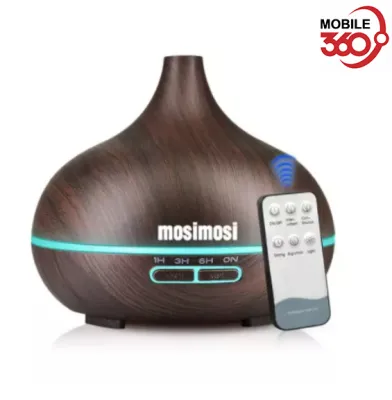
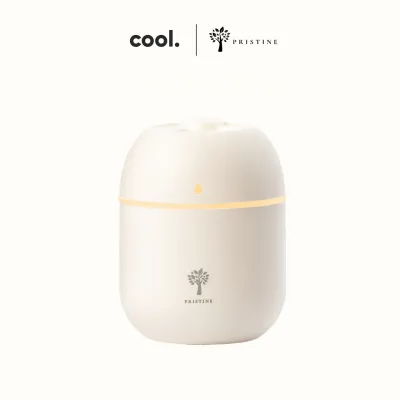
Ultrasonic diffusers rely on a small ceramic disc at the bottom of a water reservoir. When powered on, this disc vibrates at high frequencies, creating a fine, cool mist from a mixture of water and essential oil. Because this process relies on water, the oil is diluted before entering the air. This results in a softer, more subtle scent profile while adding a minor amount of moisture to the immediate vicinity.
Products mentioned in this guide
![[KIRONA SCENT] Luna Aroma Nebulizer (Beige) | Pure Essential Oil | Waterless Diffuser | Flameless & Heatless | Timer Option | Home Office Shop Aromatherapy Solutions](https://img.lazcdn.com/g/p/d7bba8062345b7943b9cd208cbeb8369.jpg_400x400q80.jpg_.webp)
![[KIRONA SCENT] Tower Nebulizer (Black) | Waterless Diffuser | FREE 100ml Pure Essential Oil](https://img.lazcdn.com/g/p/662b3b481e9c6b7a9fb3d4a2c7a21983.png_400x400q80.png_.webp)
![[KIRONA SCENT] Dreams Aroma Diffuser 300ml | Minimalistic Design Ultrasonic Humidifier | 7 LED Mood Lights | Home Decor Fragrance Gifts](https://img.lazcdn.com/g/p/576cba30efdbae57aaf772acf532810b.png_400x400q80.png_.webp)
Prices are valid at publication and may change. Please refer to the product page for the latest price.
Nebulizing diffusers operate on a completely different mechanical principle, utilizing pressurized air to pull pure, undiluted essential oil from an attached bottle or reservoir. As the oil reaches the stream of high-velocity air, it is atomized into a dry, ultra-fine vapor of micro-particles. Because this process uses no water and no heat, the chemical integrity of the essential oil remains entirely unaltered, delivering a highly concentrated and pure aromatic experience.
Heat diffusers utilize a gentle, controlled heat source to facilitate the evaporation of essential oils. These devices typically feature a small metal or ceramic dish where the oil is placed, warmed either by a low-wattage electrical element or a simple tea light candle. As the temperature of the dish rises, the volatile compounds within the oil evaporate naturally into the surrounding air. Because there are no moving parts, this method is entirely silent, though heat can slightly alter the delicate chemical profile of certain oils.
Comparing Scent Intensity and Room Coverage
Nebulizing diffusers deliver the highest scent intensity and widest coverage. Because they disperse pure, undiluted oil particles directly into the air, they can quickly fill large, open-plan living rooms or spaces with high ceilings. The dry micro-particles are lightweight, remaining suspended in the air longer and traveling further before settling. This makes nebulizers highly effective for open layouts where water-based diffusers might struggle.

Ultrasonic diffusers provide a moderate, highly adjustable scent throw that is well-suited for small to medium-sized rooms, such as bedrooms or enclosed study areas. The intensity of the fragrance is easily controlled by adjusting the ratio of essential oil drops to the volume of water in the tank. However, because the scent is carried by a heavy water mist, the fragrance particles tend to settle more quickly onto nearby surfaces, limiting their effective coverage area.
Heat diffusers offer a subtle, highly localized scent throw, making them ideal for personal zones rather than entire rooms. Because they rely on natural thermal convection rather than pressurized air or fans to disperse the aroma, the scent remains concentrated close to the device. This makes heat diffusers excellent for bedside tables or office desks where you want to enjoy aromatherapy without affecting others in the same room.
Actual coverage and scent performance depend heavily on environmental factors. Room ventilation, ceiling height, active air conditioning, and natural airflow patterns will all influence how quickly a scent disperses. Additionally, the specific volatility of the essential oil used—whether it consists primarily of light top notes or heavy base notes—will affect how far the fragrance travels.
Maintenance, Cleaning, and Daily Upkeep
Ultrasonic models require regular and diligent cleaning to prevent hygiene issues. Because water sits in the reservoir, these devices can easily become breeding grounds for mold, bacteria, and mineral deposits, particularly if you use tap water. To maintain optimal performance, empty and rinse the water tank after every few uses. Periodically, perform a deeper descaling by wiping the tank with a soft cloth dipped in diluted white vinegar or citric acid, paying close attention to the delicate ultrasonic ceramic disc at the bottom.
Nebulizing units require careful, frequent maintenance to prevent mechanical blockages. Because they process pure, undiluted essential oils, they are highly susceptible to clogging, especially when using thick, viscous, or resinous oils. The delicate glass reservoirs and micro-tubes can easily become obstructed if oil residue is allowed to dry inside. To prevent this, regularly run a small amount of high-percentage isopropyl alcohol or a specialized diffuser cleaner through the system to dissolve any lingering oil buildup.
Heat diffusers generally require the least mechanical maintenance of the three types. Because they lack complex water reservoirs, fans, or pressurized tubes, there are very few parts that can fail or clog. Upkeep typically involves waiting for the device to cool completely, then wiping the ceramic or metal dish clean with a damp cloth or a paper towel moistened with rubbing alcohol. If your heat diffuser uses disposable absorbent pads, maintenance is as simple as swapping out the pad when changing to a new scent.
Noise, Power, and Placement Constraints
Ultrasonic diffusers are relatively quiet, but they are not completely silent. They typically produce a soft, rhythmic humming sound from the small internal fan, accompanied by occasional gentle bubbling or dripping water noises. In terms of placement, ultrasonic models must be positioned on flat, water-resistant surfaces. Because they emit a wet mist, placing them on delicate solid wood furniture or close to sensitive electronic equipment can lead to localized condensation damage over time.
Nebulizing diffusers are generally the loudest option due to the mechanics of their design. The internal air pump must generate sufficient pressure to atomize the oil, which produces a noticeable pulsing, vibrating, or buzzing sound. Although high-quality models often feature rubberized feet to dampen these vibrations, the noise can still be a distraction in quiet environments. Nebulizers also tend to consume slightly more electrical power during operation and must be placed where the concentrated dry mist will not directly spray onto fabrics or polished surfaces.
Heat diffusers are completely silent, making them an excellent choice for light sleepers or quiet meditation spaces. They are highly portable and have very low power requirements, with some models operating on batteries or USB power. However, safety is a primary placement constraint. Because these devices rely on heat, electric models must be placed on heat-resistant surfaces away from flammable materials. If you use a traditional candle-lit heat diffuser, it must never be left unattended, and all heat-based models must be kept strictly out of reach of children and pets.
Decision Guide: Which Home Aroma Diffuser Fits Your Space?
Choose a nebulizing diffuser if your primary goal is maximum scent intensity and you want to fragrance a large, open-plan living area. This option is ideal for those who prefer pure, unadulterated essential oils and do not mind a soft mechanical hum, higher oil consumption, or the need for regular alcohol-based cleaning.
Choose an ultrasonic diffuser if you prefer a balanced, moderate scent throw for a standard bedroom, living room, or study. This type is highly suitable if you enjoy multi-functional decor, as many models feature built-in ambient LED lighting with customizable color temperatures. However, you must be willing to commit to regular water-tank cleaning to prevent mold and mineral buildup.
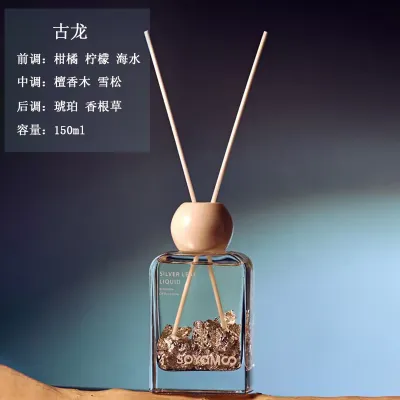
Choose a heat diffuser if you require a completely silent, low-maintenance device for a small personal space, such as an office desk or bedside table. It is an excellent option for those who prefer a subtle, localized aroma and want a highly portable device with minimal cleaning requirements.
Before purchasing any home aroma diffuser, always verify the technical specifications and safety certifications. For electric models, ensure the voltage is compatible with your home’s electrical system (typically 220-240V in Singapore) and check for recognized electrical safety marks. If you are installing a diffuser in a damp environment like a bathroom, ensure the device is rated for such conditions. Finally, if you have specific respiratory sensitivities, asthma, young children, or pets, exercise caution. High concentrations of certain pure essential oils can be irritating or toxic, particularly to cats and dogs. Always consult manufacturer guidelines and seek professional veterinary advice to ensure a safe aromatherapy experience.
Frequently Asked Questions (FAQ)
Can I use any essential oil in a nebulizing diffuser?
No, you cannot use all types of essential oils in a standard nebulizing diffuser. These devices require thin, pure essential oils to function correctly. Thick, highly viscous, or resinous oils—such as vetiver, patchouli, sandalwood, or myrrh—can easily clog the delicate glass micro-tubes and strain the internal air pump. Additionally, you must never use essential oils that have been pre-diluted with heavy carrier oils, such as jojoba, sweet almond, or coconut oil, as these will permanently clog the atomizing mechanism. Always check the manufacturer’s viscosity guidelines and stick to thin, pure single oils or specially formulated nebulizer blends.
Do ultrasonic diffusers increase room humidity significantly?
While ultrasonic diffusers emit a visible plume of water mist, their water tank capacity is far too small to act as an effective room humidifier. A typical diffuser holds between 100ml and 500ml of water and disperses it over several hours, which is insufficient to alter the overall humidity of an entire room. In naturally humid, tropical climates like Singapore, this minor addition of moisture is completely negligible. However, because the mist is cool and heavy, it can settle nearby. To prevent localized dampness, surface condensation, or potential mold growth, avoid placing the device directly against walls, under wooden cabinets, or near sensitive electronics.
Are heat diffusers safe to leave on overnight?
The safety of leaving a heat diffuser on overnight depends entirely on its specific design, heating mechanism, and safety features. Electric heat diffusers equipped with low-wattage heating elements, automatic shutoff timers, and recognized electrical safety certifications are generally safe to run while you sleep. However, you must never leave a candle-powered heat diffuser burning unattended or overnight, as open flames present a severe fire hazard. Regardless of the model, always consult the product manual, verify that the device is placed on a stable, heat-resistant surface, and ensure it is kept clear of loose bedding, curtains, and pets.

Community discussion
Share your experience or ask a question. Comments are reviewed before publication.