
Selecting the ideal aromatherapy diffuser requires balancing your physical space, scent preferences, maintenance habits, and local environmental conditions. With several technologies available, finding the right fit involves understanding how each device disperses essential oils into your home. The three primary technologies—ultrasonic, nebulizing, and heat—each offer distinct advantages and trade-offs in terms of aroma strength, oil consumption, noise, and humidity impact.
Ultrasonic diffusers are highly popular for bedrooms, offering a gentle mist and mild humidification that works exceptionally well in air-conditioned environments. Nebulizing diffusers deliver a powerful, undiluted scent profile suitable for large open areas, though they consume oil more rapidly and produce a slight mechanical hum. Heat diffusers provide a completely silent, low-maintenance, and budget-friendly alternative for localized personal spaces, such as a study desk. By evaluating your room size, noise tolerance, and willingness to perform regular cleaning, you can select the technology that seamlessly integrates into your daily routine.
How Ultrasonic, Nebulizing, and Heat Diffusers Actually Work
To make an informed decision, it is essential to understand the mechanical processes behind each diffuser type. These engineering differences directly dictate how the essential oils are dispersed and how the devices interact with your indoor air quality.
Products mentioned in this guide
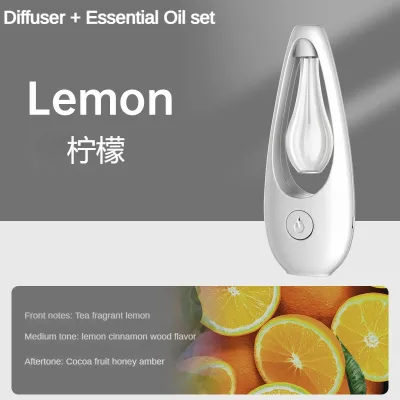
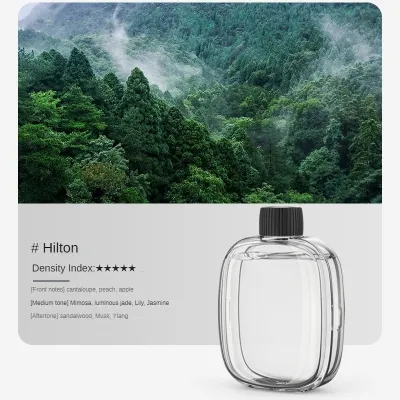
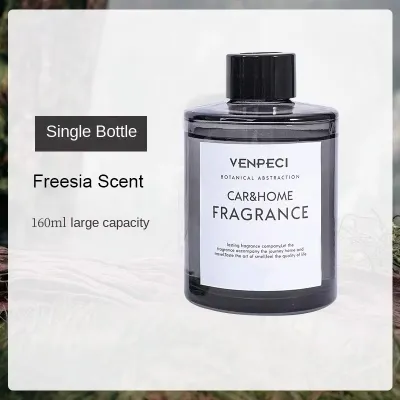
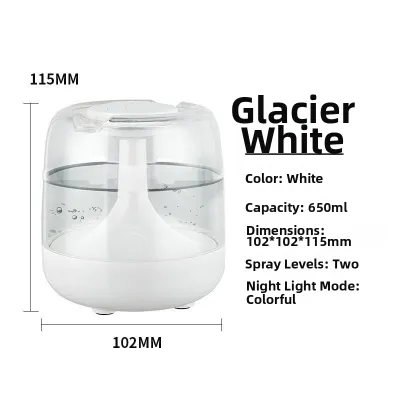
Prices are valid at publication and may change. Please refer to the product page for the latest price.
Ultrasonic diffusers operate by utilizing electronic frequencies to vibrate a small ceramic disk located at the bottom of a water tank. This rapid vibration creates microscopic water droplets that carry the essential oil upward. The device then releases this mixture into the air as a fine, cool mist. Because this process relies on water as a carrier, the essential oil is diluted, resulting in a subtle and steady release of fragrance over several hours. These units typically require a low-voltage power source, often utilizing a USB cable or a standard wall adapter.
Nebulizing diffusers bypass the need for water entirely, relying instead on fluid dynamics to atomize pure essential oils. An internal air pump forces pressurized air through a narrow nozzle, creating a vacuum that pulls the oil up from a reservoir. As the oil meets the high-velocity air stream, it is broken down into an extremely fine vapor of microscopic, undiluted particles. This vapor is then released directly into the room. Because no water or heat is introduced, the chemical integrity of the essential oil remains completely unaltered, delivering a highly concentrated aroma.
Heat diffusers utilize a gentle thermal element to encourage the natural evaporation of essential oils. Rather than using mechanical movement or high-frequency vibrations, these devices feature a small tray or pad positioned above a low-wattage heating element or bulb. As the temperature of the tray rises, the volatile compounds within the essential oil warm up and evaporate into the surrounding air. This method relies entirely on thermal convection to circulate the scent, making it the simplest mechanical design among the three technologies.
Key Comparison Dimensions for Your Living Space
When integrating an aromatherapy device into your home, practical daily performance matters far more than theoretical mechanics. Evaluating how these technologies compare across key operational dimensions—such as scent throw, noise, maintenance, and environmental impact—will help you identify the most practical option for your specific living conditions.

Scent Throw and Oil Consumption
The rate at which a diffuser disperses fragrance and consumes your essential oil supply is a primary consideration for long-term satisfaction. Nebulizing diffusers offer the most powerful scent throw of all three technologies, capable of rapidly filling large, open-concept living spaces with a rich aroma. However, this high performance comes at the cost of rapid oil consumption, as the device atomizes pure, undiluted oil directly from the bottle.
Ultrasonic diffusers provide a moderate, highly controllable scent throw that is well-suited for medium-sized rooms, such as standard bedrooms or home offices. Because the essential oil is diluted in a water tank, a few drops can last for several hours, making this technology highly economical for daily use. The scent is lighter and more gradual, which prevents the indoor air from becoming overwhelmingly saturated with fragrance.
Heat diffusers offer a subtle, highly localized scent throw that is best reserved for personal zones. The thermal evaporation process does not project the aroma across large distances, making it ideal for a small desk setup where you want to enjoy a scent without affecting others in the room. Oil consumption is exceptionally low, as a small amount of oil on a warming pad can gently release a mild fragrance over an extended period.
Noise Levels and Maintenance Needs
Acoustic comfort and cleaning routines are critical factors that influence how often you will actually use your diffuser. Ultrasonic units are relatively quiet, producing only a faint, rhythmic bubbling sound from the water movement and a soft internal fan hum. While the noise is minimal and often serves as pleasant white noise for sleeping, these devices require frequent maintenance. The water tank must be emptied and wiped down regularly to prevent mineral buildup, mold growth, and bacterial accumulation, particularly in warm or humid climates.
Nebulizing diffusers generate a more noticeable mechanical sound due to the integrated air pump. This rhythmic pumping noise can be distracting in a silent bedroom, though many modern units incorporate rubber dampening feet to minimize vibrations on hard surfaces. In terms of maintenance, nebulizers do not suffer from mold issues since they do not use water, but the delicate glass or metal nozzles can easily clog if resinous oils dry inside them. Regular flushing with rubbing alcohol is necessary to keep the micro-tubes clear.
Heat diffusers are completely silent, as they contain no moving parts, fans, or pumps. This makes them an excellent choice for workspaces requiring absolute concentration or for light sleepers who cannot tolerate mechanical noise. Maintenance is incredibly simple and low-effort, usually requiring nothing more than wiping down a ceramic tray with a damp cloth or replacing a disposable cotton pad once the oil has fully evaporated.
Safety, Heat, and Humidity Impact
The physical changes a diffuser introduces to your indoor environment can affect both your home’s comfort levels and the safety of its occupants. Ultrasonic diffusers release a continuous cool mist, which adds moisture to the air. In naturally humid climates, such as Singapore’s tropical environment, adding extra humidity to a closed, non-air-conditioned room can lead to a damp feeling and encourage dust mites or mold. However, if you frequently run air conditioning, which strips moisture from the air, the mild humidifying effect of an ultrasonic diffuser can help soothe dry skin and nasal passages.
Heat diffusers introduce warmth to evaporate the oils, which presents minor safety considerations. While modern electric heat diffusers operate at low, controlled temperatures, the heating plate can still become warm to the touch, posing a minor burn risk for curious pets or young children. Additionally, excessive heat can alter the delicate chemical structure of certain therapeutic essential oils, potentially reducing their aromatic quality, though simple ambient fragrancing remains unaffected.
Nebulizing diffusers do not alter the chemical composition of the oils because they use no heat, nor do they add any moisture to the air. This makes them highly suitable for naturally humid environments where extra moisture is undesirable. However, because they disperse highly concentrated, microscopic oil droplets, care must be taken with placement. If positioned too close to polished wooden furniture, delicate fabrics, or electronic devices, the settling oil residue can accumulate over time, requiring regular dusting of the surrounding area.
Decision Framework: Which Diffuser Fits Your Routine?
To choose the right technology, you must match the strengths of each diffuser with your lifestyle, room characteristics, and personal sensitivities. A structured decision framework can guide you toward the option that fits seamlessly into your daily routine.
You should choose an ultrasonic diffuser if you are looking for a versatile, budget-friendly device for a bedroom or moderate living space. This technology is ideal if you enjoy a visual mist, appreciate a soft bubbling sound as background white noise, and want to maximize your essential oil budget through water dilution. It is also the practical choice if you regularly spend time in air-conditioned rooms where a touch of added humidity improves personal comfort.
A nebulizing diffuser is the correct choice if your primary goal is to experience the pure, uncompromised aroma of essential oils across a large, open-plan living area. This option is best for those who prioritize scent strength over oil economy and do not mind a low mechanical hum in exchange for a highly efficient, waterless dispersion method. It is particularly well-suited for humid climates where adding extra moisture to the air is undesirable.
Opt for a heat diffuser if you require a completely silent, compact, and virtually maintenance-free device for a small desk, bedside table, or travel kit. This technology is perfect for individuals who prefer a subtle, non-intrusive background scent and want to avoid the hassle of cleaning water tanks or flushing delicate glass nozzles.
Before finalizing your choice, it is crucial to consider any specific respiratory conditions or sensitivities within your household. Because nebulizing diffusers disperse highly concentrated, undiluted oil particles directly into the air, they can quickly become overwhelming in poorly ventilated spaces. If you or your family members have asthma, allergies, or sensitive airways, a milder, highly diluted option like an ultrasonic diffuser—or ensuring your space is well-ventilated—is a safer approach to daily aromatherapy.
Essential Specs to Verify Before You Buy
Once you have decided on a technology, verifying specific product specifications on the manufacturer’s label will ensure the device performs safely and effectively in your home.
First, check the manufacturer-stated room coverage area, usually listed in square meters or square feet. Selecting a device with a coverage rating that matches or slightly exceeds your room’s dimensions ensures the scent will circulate effectively without underperforming or overwhelming the space.
Second, review the oil viscosity compatibility limits, especially if you plan to purchase a nebulizing diffuser. Thick, resinous essential oils—such as vetiver, patchouli, sandalwood, or myrrh—can easily clog the micro-nozzles of a nebulizer. Ensure the product manual explicitly states whether it can handle heavier oils or if it is restricted to thin, citrus-based and herbal oils.
Third, examine the power specifications and control options. Verify if the device operates via a standard wall plug, a USB connection, or a rechargeable battery. For wall-powered units, ensure the voltage matches your local electrical standards (such as 220V-240V for Singapore) and look for recognized safety certifications, such as the Safety Mark, to guarantee the electrical components are safe for unattended operation. Additionally, look for units featuring intermittent timers and automatic shut-off functions, which allow you to control scent intensity, conserve oil, and ensure the device turns off safely when empty.
Finally, inspect the material composition of the water tank or oil reservoir. Essential oils are highly corrosive to certain plastics over time. Ensure the product specifications state that the water tank is made from high-quality, BPA-free plastics (such as polypropylene) or that the reservoir utilizes glass or ceramic materials to prevent chemical degradation and ensure long-term durability.
Frequently Asked Questions (FAQ)
Can I use carrier oils or synthetic fragrances in these diffusers?
Ultrasonic and nebulizing diffusers are engineered strictly for pure, low-viscosity essential oils. Carrier oils, such as jojoba, sweet almond, or coconut oil, are far too dense and greasy; using them will quickly clog the ultrasonic ceramic disk or block the delicate glass tubes of a nebulizer, potentially causing permanent mechanical failure. While synthetic fragrance oils can technically be used in heat diffusers or diluted in ultrasonic water tanks, they do not offer any therapeutic aromatherapy benefits. Furthermore, synthetic oils often contain heavy chemical binders that leave sticky, hard-to-clean residues inside the water tank or on the heating tray.
How often should I clean an ultrasonic or nebulizing diffuser?
To maintain optimal performance and prevent the growth of bacteria or mold, regular cleaning is essential. For ultrasonic diffusers, you should empty and wipe out the water tank after every few uses, or at least once a week. Use a soft cloth and a mild solution of white vinegar and water to gently dissolve any mineral deposits or oil buildup on the ceramic vibrating disk, then rinse thoroughly and let it air dry. For nebulizing diffusers, it is recommended to perform a quick flush every few days or whenever you switch between different essential oils. Simply pour a small amount of high-percentage rubbing alcohol into the glass reservoir, run the device for a few minutes in a well-ventilated room to clear any residue from the nozzles, and allow it to dry completely before adding new oil.

Community discussion
Share your experience or ask a question. Comments are reviewed before publication.