
Selecting a suitable home fragrance system requires understanding how different diffusion technologies interact with your living space, air circulation, and sensory preferences. Your choice depends on whether you prioritize a strong, pure scent throw, a gentle mist that adds light moisture to air-conditioned rooms, or a completely silent, low-maintenance option. By comparing ultrasonic, nebulizing, and heat diffusers, you can select a system that matches your room size, budget, and lifestyle.
In modern homes, especially those utilizing air conditioning or facing tropical humidity, the way fragrance disperses is highly dependent on the device’s mechanical process. Some systems dilute essential oils in water, while others atomize pure oil or use gentle warmth to release aromatic compounds. Evaluating these mechanisms ensures you invest in a device that delivers consistent performance without damaging your furniture or wasting expensive oils.
How Ultrasonic, Nebulizing, and Heat Diffusers Work
Ultrasonic diffusers operate using a small, flexible ceramic disc situated at the bottom of a water reservoir. When electricity passes through this disc, it vibrates at an extremely high frequency, typically between 1.7 and 2.4 million cycles per second. These ultrasonic vibrations break down a mixture of water and added essential oils into an incredibly fine, cool mist. This mist is then pushed upward into the room by a small built-in fan, carrying the fragrance along with water vapor.
Products mentioned in this guide

![Hooga Black Series Diffuser [Refill 500ml]](https://img.lazcdn.com/g/p/e2b5159470b1a0e72efe039c34941e95.jpg_400x400q80.jpg_.webp)
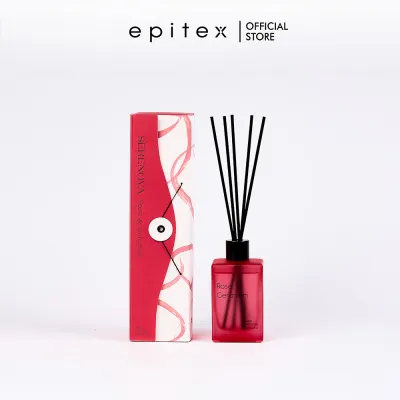
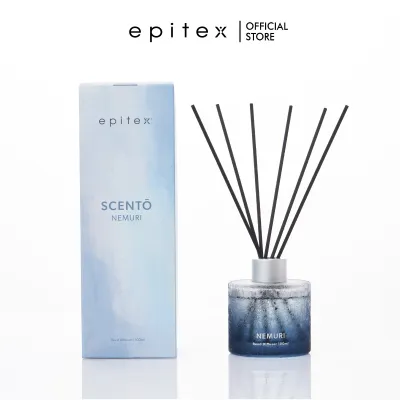
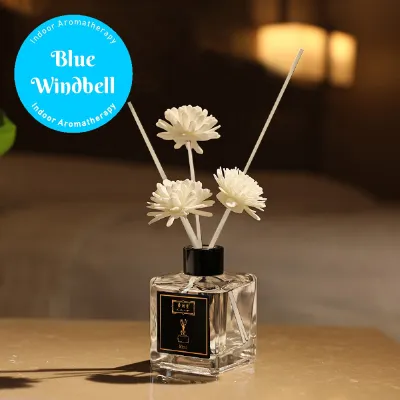
Prices are valid at publication and may change. Please refer to the product page for the latest price.
Nebulizing diffusers, on the other hand, rely on fluid dynamics, specifically Bernoulli’s principle, to disperse fragrance. A high-velocity stream of pressurized air is forced through a narrow tube, creating a vacuum that draws pure essential oil up from an attached bottle or reservoir. When the oil meets the high-speed air stream, it is atomized into a micro-fine dry mist of pure, undiluted oil particles. Because this process uses neither water nor heat, the chemical structure of the essential oil remains entirely unaltered as it enters the air.
Heat diffusers utilize a straightforward thermal process to release fragrance into the surrounding environment. These devices feature a small tray or well where essential oil is placed, which is then gently warmed by either an electric heating element or a small tea light candle underneath. As the temperature of the oil rises, its volatile aromatic compounds begin to evaporate, releasing a subtle scent into the immediate vicinity. This method relies entirely on natural air currents to circulate the fragrance, making it the most mechanically simple of the three technologies.
Scent Strength and Room Coverage Compared
Nebulizing diffusers typically deliver a higher scent intensity and wider coverage area compared to other technologies. Because they disperse pure, undiluted essential oil particles directly into the air, the resulting fragrance is highly concentrated and immediate. This makes nebulizers well-suited for large, open-plan living areas, high-ceilinged rooms, or spaces where you want to quickly mask strong odors. The dry mist remains suspended in the air longer, allowing the scent to travel further across expansive layouts.

Ultrasonic diffusers offer a more moderate scent strength and localized coverage profile. Because the essential oil is diluted in a relatively large volume of water, the fragrance is released gradually as part of the water vapor mist. The scent tends to be strongest in the immediate path of the mist plume and becomes more subtle as it disperses throughout the room. This makes ultrasonic models suitable for medium-sized spaces, such as bedrooms, home offices, or study areas, where a gentle, non-overwhelming background fragrance is preferred.
Heat diffusers provide a very subtle, highly localized scent experience that is well-suited for small personal spaces. The warmth coaxes the fragrance out gently, creating a soft aromatic zone rather than filling an entire room. However, it is important to note that the heat source can sometimes alter the delicate top notes of certain essential oils, particularly citrus oils, which have lower boiling points and can degrade under high temperatures. For a consistent experience, electric models with low, regulated temperatures are generally preferred over candle-lit units that can overheat the oil.
When selecting a device for a specific room, always check the manufacturer’s technical specifications for exact square footage or cubic meter coverage claims. General category assumptions can be misleading, as actual performance depends heavily on the fan power, nozzle design, and water tank capacity of the specific model. Comparing these rated specifications against your actual room dimensions ensures you achieve the desired fragrance density without over-saturating the space.
Essential Oil Usage, Runtime, and Maintenance
The ongoing cost and daily upkeep of a diffuser are heavily influenced by its oil consumption rate. Nebulizing diffusers consume essential oils at a much faster rate because they atomize pure, undiluted oil directly from the bottle. A standard bottle of oil will deplete far more quickly in a nebulizer than in other systems, making this a higher-cost option over time. In contrast, ultrasonic diffusers are highly oil-efficient, requiring only three to ten drops of oil mixed into a full tank of water to provide several hours of continuous fragrance. Heat diffusers also use minimal oil, but the small reservoir requires frequent manual top-ups as the liquid evaporates.
Cleaning requirements vary significantly across the three types and are crucial for maintaining device longevity. Ultrasonic water tanks require regular descaling and thorough drying to prevent mineral buildup from tap water and to stop mold or bacteria from growing in the damp reservoir. Nebulizing diffusers do not suffer from water mold, but their micro-fine glass or metal atomizer tubes can easily clog as essential oils dry and oxidize. To prevent this, nebulizers require periodic flushes with high-percentage isopropyl alcohol to dissolve sticky residue. Heat diffusers are the easiest to maintain, requiring only a quick wipe with a damp cloth or alcohol pad to remove any sticky, baked-on oil residue from the heating tray.
Operational noise is another key factor to consider for daily comfort. Ultrasonic units produce a very gentle, low-frequency hum from the internal fan, often accompanied by the soothing sound of trickling water, which many find pleasant for sleeping. Nebulizing diffusers are generally the loudest, as they require an internal air pump that produces a distinct, intermittent buzzing or vibrating sound during operation. Electric heat diffusers operate in complete silence, making them an excellent choice for quiet bedrooms, meditation spaces, or professional home offices where any mechanical noise would be a distraction.
Decision Framework: Matching the Diffuser to Your Needs
To choose the right technology, evaluate your primary home fragrance goals against the unique strengths of each system. A nebulizing diffuser is a practical choice if your priority is strong scent throw, rapid aroma dispersion, and experiencing the pure, unaltered benefits of essential oils across a large living area. It is a suitable option for those who want a strong, immediate sensory impact without dealing with water refills.
An ultrasonic diffuser is often recommended if you prefer a softer, more gradual scent release combined with a visual mist effect. This type is particularly beneficial in air-conditioned rooms where the air can become dry, as the cool mist adds a touch of ambient moisture to the immediate environment. It is also a highly cost-effective choice for long, continuous runtimes, allowing you to enjoy hours of fragrance from just a few drops of oil.
Heat diffuser models are well-suited for those who prioritize absolute silence, minimal maintenance, and a subtle, localized background fragrance. Their compact, often cordless design makes them highly portable, allowing you to move them easily from a bedside table to a reading nook. They are a practical entry-level option for small spaces where a powerful scent throw is unnecessary.
Before finalizing your purchase, verify if any household members have specific respiratory sensitivities, asthma, or allergies, as highly concentrated oil particles from nebulizers can sometimes trigger reactions. Additionally, certain essential oils are toxic to pets, particularly cats and dogs, when inhaled or contacted. Always consult veterinary and pediatric safety guidelines regarding concentrated oil exposure to help keep your chosen fragrance method safe for all occupants of your home.
Safety, Placement, and Electrical Checks
Supporting the safe operation of your diffuser involves several critical electrical and physical placement checks. When purchasing an electric diffuser, always verify that the voltage is compatible with your home’s electrical system (such as 230V) and that the device features a certified plug type, such as a Type G plug. Look for recognized safety marks on the packaging or device body to ensure it has undergone rigorous electrical safety testing, reducing the risk of short circuits or electrical fires.
Physical placement is equally important for preventing damage to your home’s interior. Ultrasonic and nebulizing units should never be placed in direct sunlight, near sensitive electronics, or on moisture-reactive surfaces like solid wood, veneer, or delicate paper laminates. The fine mist from ultrasonic units can settle on nearby surfaces, potentially causing wood to warp or electronic components to corrode over time. Place these devices on water-resistant trays or non-porous surfaces with plenty of open air space above them to allow the mist to disperse freely.
For heat diffusers, safety precautions depend heavily on the heat source. If you are using a candle-based ceramic burner, maintain strict clearances of at least 30 centimeters from flammable materials like curtains, books, or dried decor, and never leave an open flame unattended. For electric heat diffusers, verify that the unit features an automatic shutoff function that cuts power once the oil reservoir is dry or after a set number of hours to prevent overheating.
If you plan to integrate your diffuser with smart home plugs or automation systems, or if you are considering a whole-home scenting system connected to your HVAC ducting, stop and consult the manufacturer’s installation guides. Modifying electrical connections or introducing moisture and oils into ventilation systems without professional guidance can void warranties, damage equipment, or create indoor air quality hazards.
Frequently Asked Questions (FAQ)
Can I use synthetic fragrance oils in a nebulizing diffuser?
Nebulizing diffusers require specific fluid viscosities to function correctly without damaging the delicate internal components. Synthetic fragrance oils or essential oils mixed with thick carrier oils (such as jojoba, sweet almond, or coconut oil) are often too viscous for the micro-fine atomizer tubes. Using these heavy liquids can quickly clog the nozzle, strain the air pump, and potentially void your device’s warranty. Always check the manufacturer’s fluid guidelines and stick to pure, undiluted essential oils to ensure consistent performance and longevity.
Do ultrasonic diffusers actually humidify a room?
While ultrasonic diffusers do release water vapor into the air, their primary function is fragrance dispersion rather than environmental humidification. The water tank capacity of a typical diffuser is relatively small, and the mist output rate is minimal compared to a dedicated room humidifier. While it can provide a very localized, minor moisture boost to the air immediately surrounding the device, it will not significantly alter the overall humidity levels of a medium or large room. For noticeable humidification, check the specific water tank capacity and milliliter-per-hour mist output settings, or invest in a dedicated humidifier.

Community discussion
Share your experience or ask a question. Comments are reviewed before publication.