
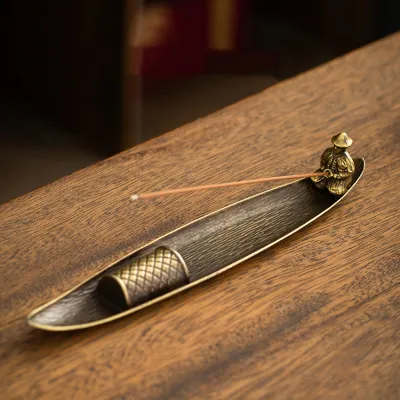
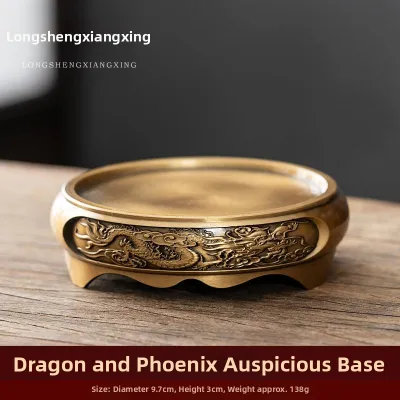
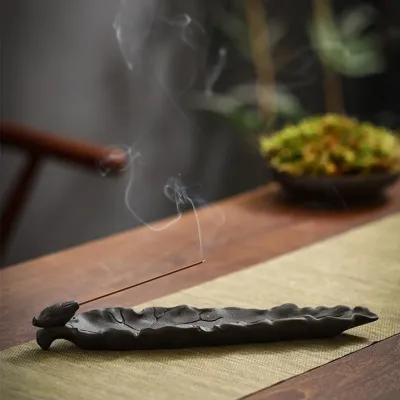
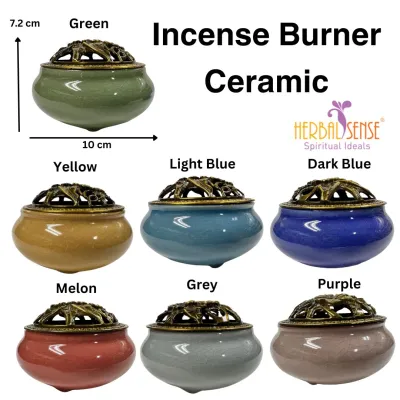
Choosing the right method to disperse fragrance throughout your living space depends on how you balance scent intensity, operating noise, and daily maintenance. While traditional scent vessels like the classic incense burner have long provided ambient aroma through direct combustion, modern electronic diffusers offer controlled, flameless alternatives. Today, the three primary technologies dominating the market are ultrasonic, nebulizing, and heat diffusers. Each operates on distinct mechanical principles, resulting in vastly different experiences regarding mist output, oil consumption, and cleaning requirements. Understanding these differences allows you to select a device that aligns with your home’s humidity levels, spatial layout, and lifestyle preferences.
Understanding the Core Technology Behind Each Diffuser
To make an informed choice, look beneath the decorative exterior of these devices to examine how they interact with essential oils. The mechanical process used to disperse the scent dictates both the potency of the aroma and how quickly you consume your oil collection.
Ultrasonic diffusers rely on a small, flexible piezoelectric ceramic disc at the bottom of a water reservoir. When electricity passes through this plate, it vibrates at an extremely high frequency, creating microscopic waves that turn the water-and-oil mixture into a fine, cool vapor swept out by a small internal fan. Because the essential oil is suspended in water, the output is a diluted, humidifying mist.
Products mentioned in this guide

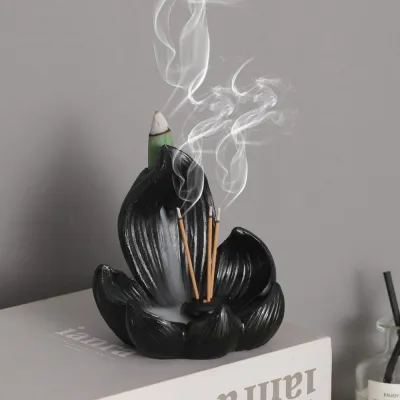
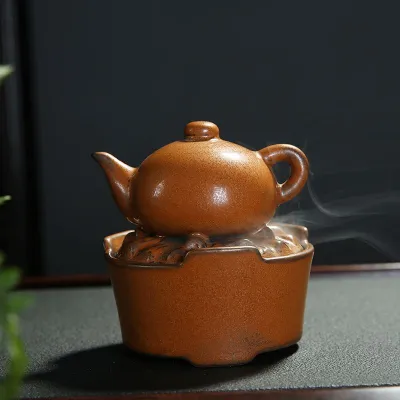
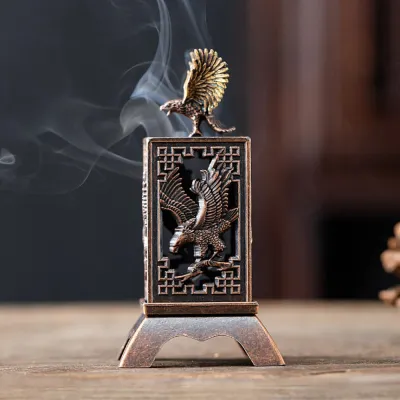
Prices are valid at publication and may change. Please refer to the product page for the latest price.
Nebulizing diffusers operate on a waterless mechanism driven by fluid dynamics. Utilizing Bernoulli’s principle, an internal air pump forces compressed air through a narrow nozzle, creating a high-velocity stream that draws pure essential oil up a micro-tube. The oil is shattered into an ultra-fine, undiluted mist and dispersed directly into the room.
Heat diffusers, or electric aroma burners, represent a modern evolution of the traditional incense burner. Instead of an open flame, they use an electric heating element to gently warm a tray or absorbent pad containing the oil. This reduces the oil’s viscosity, accelerating its natural evaporation rate passively and silently.
Performance Showdown: Scent Throw, Mist Output, and Noise
Evaluating how these three technologies perform in a real-world living space requires looking at three key performance metrics: scent potency, visible mist, and acoustic footprint. Always verify the exact room coverage, power consumption, and decibel levels on the individual product specification sheets before purchasing.

Ultrasonic Diffusers: Balanced Mist and Quiet Operation
Ultrasonic diffusers are highly favored for creating a subtle, relaxing atmosphere. Because the essential oil is mixed with water, the resulting scent throw is gentle and gradual, making these models ideal for continuous, all-day use in bedrooms. The ultrasonic plate operates almost silently, though you may hear a soft, rhythmic trickling of water or a faint hum from the internal fan. The visible cool mist adds visual ambiance. However, in high-humidity environments, such as Singapore’s tropical climate, adding extra moisture requires careful management. If used in poorly ventilated spaces, the continuous mist can contribute to localized condensation on nearby wooden furniture or walls.
Nebulizing Diffusers: Maximum Scent Potency and Audible Hum
For those who prioritize immediate, therapeutic-grade aromatherapy, nebulizing diffusers deliver unmatched performance. Because they disperse pure, undiluted essential oil, the scent throw is incredibly potent and can quickly fill large, open-concept spaces. However, this high performance comes with a trade-off in oil consumption, as nebulizers atomize oil directly from the bottle at a faster rate than other systems. Additionally, the mechanical air pump produces an audible humming or pulsing sound. While modern designs dampen this vibration, a nebulizer is rarely completely silent. On the positive side, because nebulizers do not use water, they produce no visible wet mist and add zero humidity to your indoor air.
Heat Diffusers: Silent Release and Scent Alteration
Heat diffusers offer a completely silent, low-profile option for personal spaces. Lacking fans, pumps, or vibrating plates, they generate absolutely no noise, making them ideal for office desks or bedside tables. The primary limitation of heat-based dispersal is its localized scent throw. Without an active fan or pressurized stream, the aroma relies on natural air currents to circulate, limiting the effective radius to the immediate vicinity of the device. Furthermore, continuous warmth can alter the delicate chemical profile of certain essential oils. Citrus oils and other top-note-heavy fragrances have low boiling points and can degrade or change in character when exposed to continuous heat.
Maintenance and Cleaning: What to Expect Over Time
The long-term convenience of any home fragrance device depends heavily on its upkeep requirements. Neglecting regular cleaning compromises scent purity and can lead to mechanical failure. Always consult the manufacturer’s instruction manual for specific cleaning protocols to ensure you do not void the warranty.
Descaling and Wiping Ultrasonic and Nebulizing Tanks
Water-based ultrasonic diffusers require frequent maintenance to prevent mold, bacteria, and mineral buildup. Empty and wipe down the water tank after every few uses. Mineral deposits from tap water can accumulate on the ultrasonic plate, dampening its vibrations. To clean this, gently wipe the reservoir with a soft cloth dipped in a mild citric acid or white vinegar solution, taking care not to scratch the ceramic disc. Never submerge the electronic base in water.
Nebulizing diffusers face a different challenge: oil clogging. Over time, heavy or resinous essential oils can dry and block the microscopic tubes inside the glass reservoir. To prevent this, run a short cleaning cycle using a small amount of rubbing alcohol (isopropyl alcohol) through the device once or twice a week. If a clog occurs, soak the glass components in rubbing alcohol to dissolve the stubborn residue. Avoid using harsh abrasive brushes or metal needles to clear the tubes.
Replacing Pads and Managing Residue in Heat Diffusers
Heat diffusers are generally the easiest to maintain, but they are not entirely maintenance-free. Models that utilize absorbent pads require you to swap out the pads periodically, especially when switching between different essential oil blends to prevent scent cross-contamination. Check the availability and cost of these replacement pads before purchasing. For heat diffusers featuring a reusable metal or ceramic tray, the primary task is managing baked-on oil residue. As the heat evaporates the volatile compounds, a sticky residue can build up on the tray’s surface. If left uncleaned, this residue will bake further, creating an unpleasant burnt undertone. To clean these trays, disconnect the power supply, allow the unit to cool completely, and wipe the surface with a cloth dampened with rubbing alcohol or warm, soapy water.
Decision Matrix: Matching the Diffuser to Your Home Needs
To help you select the ideal device for your living space, compare their key technical specifications and operational limits side by side. When shopping, always verify that the product matches your local electrical standards and features the appropriate safety certifications.
| Diffuser Type | Dispersal Method | Scent Intensity | Noise Level | Humidity Impact | Key Maintenance Task |
|---|---|---|---|---|---|
| Ultrasonic | Water mist + vibration | Mild to Moderate | Very Low (soft water sounds) | Increases humidity slightly | Frequent tank wiping & descaling |
| Nebulizing | Pressurized air (waterless) | High (pure oil) | Moderate (audible pump hum) | None | Alcohol rinse to prevent tube clogs |
| Heat | Thermal evaporation | Mild (localized) | Silent | None | Wiping tray residue or replacing pads |
To finalize your decision, apply this straightforward framework based on your primary household needs:
- Choose an Ultrasonic Diffuser if you prefer a gentle, continuous fragrance, enjoy the visual appeal of a soft mist, and want a device that operates quietly in a bedroom or living room.
- Choose a Nebulizing Diffuser if you demand maximum scent potency, want to cover larger open areas quickly, prefer waterless operation, and do not mind a low mechanical hum.
- Choose a Heat Diffuser if you require absolute silence for a small desk, bedside table, or personal workspace, and prefer a low-maintenance device with no water tanks to fill.
Before completing any purchase, perform these essential safety and compatibility checks. First, verify the local voltage compatibility; in Singapore, electronic devices must be compatible with a 220-240V, 50Hz electrical supply. Look for recognized electrical safety certifications, such as the SAFETY Mark, on the product label or packaging. Additionally, check for built-in safety features like an automatic shutoff timer, which turns the device off when the water reservoir is empty or after a set period, preventing overheating and conserving energy.
Frequently Asked Questions (FAQ)
Can I use thick carrier oils or synthetic fragrances in a nebulizing diffuser?
No, you should avoid using thick carrier oils (such as jojoba, sweet almond, or coconut oil) and heavy synthetic fragrances in a nebulizing diffuser. Nebulizers rely on extremely narrow glass micro-tubes to atomize the liquid. Viscous oils or synthetic formulations containing heavy solvents will quickly clog these delicate tubes, rendering the pump ineffective and potentially damaging the motor. Stick to pure, thin, therapeutic-grade essential oils for nebulizing models.
Do ultrasonic diffusers increase room humidity significantly?
While ultrasonic diffusers do release water vapor into the air, their overall moisture output is relatively low compared to a dedicated room humidifier. In most cases, they will not significantly alter the humidity of a well-ventilated room. However, if you live in a naturally humid climate or operate the device in a small, closed space for extended periods, it is wise to monitor the room for condensation. Utilizing the device’s built-in auto-shutoff timers and ensuring adequate ventilation will help prevent any unwanted dampness.

Community discussion
Share your experience or ask a question. Comments are reviewed before publication.