
Choosing the right method to disperse room fragrance depends on your specific space, desired scent intensity, and lifestyle preferences. For those seeking the strongest, most concentrated aroma that quickly fills a large area, a nebulizing diffuser is generally the most effective choice. If you prefer a balanced scent accompanied by a gentle mist that adds light moisture to dry, air-conditioned spaces, an ultrasonic diffuser offers an excellent middle ground. For small, intimate zones requiring absolute silence and subtle scenting, a heat diffuser is the most suitable option.
Scent intensity, room size, oil consumption rate, and noise tolerance are the primary decision factors when selecting a device. Each technology approaches scent dispersal differently, affecting how long the fragrance lasts, how far it travels, and how much maintenance the device requires. Understanding these mechanical differences is key to selecting a device that aligns with your daily routine and home layout.
Ultrasonic diffusers utilize a small, rapidly vibrating ceramic disc or transducer located at the bottom of a water reservoir. When activated, this disc vibrates at ultrasonic frequencies, creating high-frequency sound waves that break the water and essential oil mixture into an ultra-fine, cool mist. This mist is then pushed out into the room by a small internal fan. Because the essential oil is diluted in a relatively large volume of water, the resulting scent throw is softer and more gradual, making it highly suitable for continuous, gentle scenting.
Products mentioned in this guide
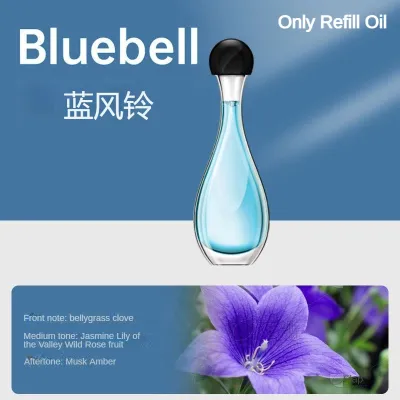
![(80+ Selections) Shangri-La Hotel/ Hilton Hotel/ Westin Hotel/ Lavender/ Jasmine/ Gardenia/ Ocean/ Bluebell/ Rose/ Osmanthus/ English Pear Freesia scent Premium Home Fragrance Reed Diffuser (50ml/ 180ml) / Reed Refill (60ml) Essential Oil [Re.D]](https://img.lazcdn.com/g/p/3531ee3b6bef554bf3880b269eb596d5.jpg_400x400q80.jpg_.webp)
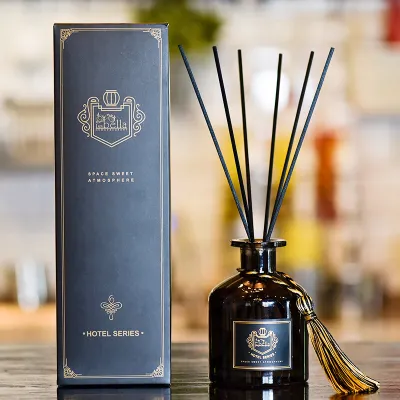
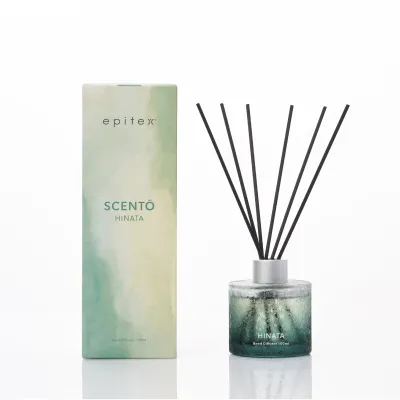
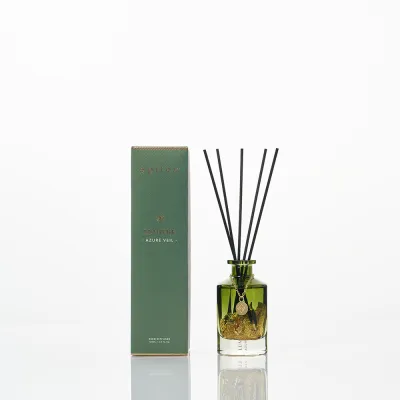
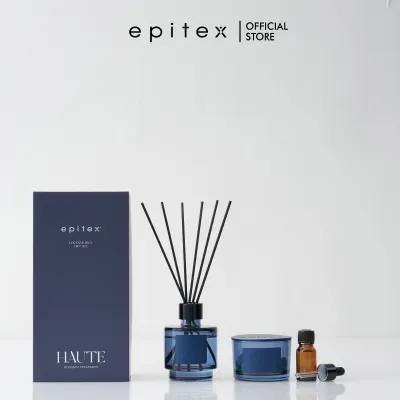
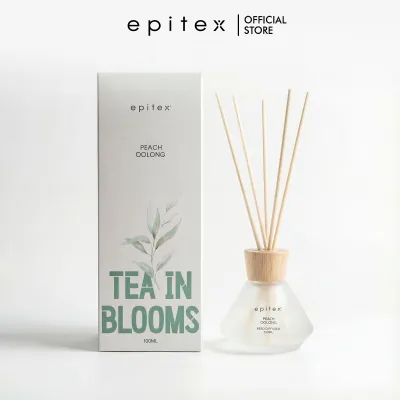
Prices are valid at publication and may change. Please refer to the product page for the latest price.
Nebulizing diffusers operate on a completely waterless and heatless principle, utilizing pressurized air to atomize pure essential oil. A high-velocity stream of pressurized air is forced through a narrow nozzle, creating a vacuum that pulls pure essential oil up from a reservoir or directly from an attached bottle. The high-speed air stream shears the oil into microscopic, dry particles, which are then dispersed into the air as a highly concentrated vapor. Because the oil is not diluted by water or altered by heat, the fragrance particles remain incredibly potent and suspended in the air for extended periods.
Heat diffusers rely on thermal energy to accelerate the natural evaporation process of essential oils. These devices typically feature a small tray or dish positioned above a heat source, which can be an electric heating element, a low-wattage bulb, or a traditional candle tea light. As the dish warms, the temperature of the oil rises, causing the volatile aromatic compounds to evaporate into the surrounding air. While this method is incredibly simple and silent, the application of heat can sometimes alter the delicate chemical composition of certain oils, potentially shifting the fragrance profile over time.
Comparing Scent Strength, Coverage, and Consistency
When it comes to sheer scent throw and intensity, nebulizing diffusers are unmatched. Because they disperse pure, undiluted essential oil micro-particles, the concentration of fragrance in the air is exceptionally high. These tiny, dry droplets are lightweight enough to remain suspended in the air and drift across expansive, open-plan living areas or high-ceilinged rooms. Ultrasonic diffusers, on the other hand, disperse water droplets that carry only a tiny fraction of essential oil. As the water mist evaporates or settles, the scent throw diminishes, making these devices better suited for medium-sized bedrooms or enclosed offices where a highly concentrated aroma might feel overwhelming. Heat diffusers offer the most localized scent throw, as they rely entirely on passive air currents to carry the evaporated molecules, making them effective only within a small, immediate radius.
The consistency of the room fragrance also varies significantly between these technologies. Ultrasonic diffusers often experience a distinct scent curve. When you first turn the device on, the lighter, more volatile top notes of the essential oil tend to disperse rapidly, creating a strong initial burst of fragrance. As the water level depletes over several hours, the remaining mist carries a much weaker scent, requiring you to add more oil to maintain the initial intensity. Heat diffusers face a similar challenge, as the heat source evaporates the lighter citrus and floral notes quickly, leaving behind the heavier, less volatile base notes, which can alter the overall scent profile as the session progresses. In contrast, nebulizing diffusers provide a highly consistent fragrance profile from start to finish. Because they atomize the oil directly without fractional evaporation or water dilution, the scent remains uniform throughout the entire operation.
Achieving maximum fragrance strength comes with a clear trade-off in oil consumption. Nebulizing diffusers consume essential oils at a much faster rate than other types because they disperse pure, undiluted oil. A standard bottle of essential oil can be depleted in a matter of days if a nebulizer is run continuously on a high setting. Ultrasonic diffusers are far more economical; because you only need to add a few drops of oil to a large reservoir of water, a single bottle of oil can last for weeks or even months of daily use. Heat diffusers are also highly economical, requiring only a small amount of oil to provide a subtle scent, though the fragrance output is correspondingly lower.
| Diffuser Type | Dispersal Mechanism | Relative Scent Strength | Coverage Potential | Oil Consumption Rate |
|---|---|---|---|---|
| Nebulizing | High-pressure air atomization | Very High | Large, open spaces | High |
| Ultrasonic | High-frequency water vibration | Medium | Medium-sized rooms | Low to Medium |
| Heat | Thermal evaporation | Low | Small, localized zones | Low |
Practical Trade-Offs: Noise, Maintenance, and Room Environment
Daily usability is heavily influenced by the operating noise of each device. Nebulizing diffusers require an internal mechanical air pump to generate the pressure needed for atomization. This pump produces a noticeable, low-frequency hum or vibration during operation. While many modern nebulizers feature insulated casings to dampen this sound, it can still be distracting in a completely silent bedroom, study, or meditation space. Ultrasonic diffusers are significantly quieter, producing only a soft, rhythmic water-dripping sound and a faint whir from the internal fan, which many users find to be a soothing form of white noise. Heat diffusers operate in absolute silence, as they have no moving parts, pumps, or fans, making them the perfect choice for bedside tables or quiet reading corners.

Maintenance requirements differ greatly depending on whether water is involved. Ultrasonic diffusers require frequent, regular cleaning to prevent mold, mildew, and mineral buildup from tap water. If the water reservoir is left uncleaned, the ultrasonic plate can become coated in mineral scale, reducing its misting efficiency, and the device may disperse airborne bacteria. Nebulizing diffusers do not carry the risk of water-borne mold, but their micro-nozzles are highly susceptible to clogging, particularly when using thick, resinous essential oils. Cleaning a nebulizer typically involves running a small amount of rubbing alcohol through the device to dissolve any dried oil residue. Heat diffusers are by far the easiest to maintain, requiring only a quick wipe-down of the warming dish with a damp cloth or a bit of rubbing alcohol to remove any sticky residue left behind after evaporation.
The choice of diffuser can also interact with your indoor climate. In tropical regions like Singapore, indoor spaces are frequently air-conditioned to combat the heat, which can strip moisture from the air and lead to dry skin or irritated nasal passages. Ultrasonic diffusers provide a minor, localized humidifying effect that can make these air-conditioned rooms feel slightly more comfortable. However, in naturally humid rooms without air conditioning, adding extra moisture to the air may not be desirable, as it can contribute to a damp feeling. Nebulizing and heat diffusers do not alter the room’s humidity levels at all, making them highly versatile options that can be used in any indoor environment without affecting the ambient moisture.
Decision Framework: Which Diffuser Fits Your Space?
To select the ideal device for your home, consider how each technology aligns with your specific room size, lifestyle, and fragrance priorities:
- Choose Nebulizing if: You want an immediate, high-intensity room fragrance for a spacious living room, dining area, or open-plan home. You do not mind the gentle hum of a pump and are willing to invest more in essential oils to achieve a premium, pure scent experience.
- Choose Ultrasonic if: You want a balanced, budget-friendly fragrance solution for a medium-sized bedroom or home office, particularly one that is regularly air-conditioned. You prefer a quiet device that also adds a touch of visual comfort through a soft mist.
- Choose Heat if: You need a completely silent, low-maintenance option for a small, localized area like a bathroom, a work desk, or a bedside table, where a subtle scent is preferred over a heavy aroma.
Before making a final decision, it is essential to verify the manufacturer’s specifications for any device you are considering. Pay close attention to the recommended coverage area, which is typically listed in square meters or square feet, to ensure the unit is powerful enough for your intended space. Additionally, check the electrical requirements, voltage compatibility, and safety certifications to ensure safe operation in your home. Always review the manufacturer’s instructions regarding compatible oil viscosities, as using unsupported oil types can clog or permanently damage the internal components of waterless or ultrasonic devices.
Frequently Asked Questions (FAQ)
Can I use thick essential oils in a nebulizing diffuser?
Highly viscous essential oils, such as sandalwood, patchouli, vetiver, or absolute extractions, can easily clog the delicate micro-nozzles of a nebulizing diffuser. Because these waterless devices rely on narrow tubes to atomize pure oil, thick liquids struggle to pass through, which can strain the pump or stop dispersal entirely. To prevent clogging, check the manufacturer’s guidelines for compatible oil types. If permitted by the device instructions, you can blend thicker oils with lighter carrier oils or thinner essential oils (like citrus or lavender) to reduce viscosity before running them through the nebulizer.
Do ultrasonic diffusers actually improve room humidity?
While ultrasonic diffusers do disperse a visible water mist into the air, their moisture output is relatively small compared to a dedicated room humidifier. An ultrasonic diffuser typically holds between 100ml and 500ml of water and disperses it over several hours, which is only sufficient to provide a minor, localized humidifying effect in the immediate vicinity of the device. In a dry, air-conditioned room, this subtle moisture can help soothe dry nasal passages or skin nearby, but it should not be relied upon as a primary solution for whole-room humidity control.

Community discussion
Share your experience or ask a question. Comments are reviewed before publication.