
Choosing the right aromatherapy diffuser (香薰炉) can transform your living space, but the ideal choice depends heavily on your environment, lifestyle, and personal preferences. The three primary technologies—ultrasonic, nebulizing, and heat—each offer distinct advantages and trade-offs in how they disperse essential oils. If you want a gentle scent accompanied by a subtle, cool mist that softens dry, air-conditioned air, an ultrasonic diffuser is your best option. For those who prioritize maximum scent purity and intensity without adding any moisture to the room, a nebulizing diffuser delivers unmatched performance. Meanwhile, if you seek a completely silent, low-maintenance device for a small personal desk or bedside table, a heat diffuser provides a simple and reliable solution. Understanding these core differences will help you select a device that aligns perfectly with your home layout and wellness goals.
Understanding How Each Diffuser Technology Works
Ultrasonic diffusers rely on a small, flexible electronic plate or transducer located at the bottom of a water reservoir. This plate vibrates at an incredibly high ultrasonic frequency, typically millions of times per second. These rapid vibrations create microscopic waves in the water-and-oil mixture, breaking the liquid down into an extremely fine, cool mist. A small internal fan then pushes this mist upward and out into the room, carrying the essential oil particles along with it. Because the oil is suspended in water, the scent is dispersed gradually and gently.
Nebulizing diffusers operate on a completely different mechanical principle, utilizing fluid dynamics to atomize pure essential oils. They contain an internal air pump that forces a high-velocity stream of pressurized air through a narrow nozzle. This rapid airflow creates a vacuum effect that pulls the pure essential oil up a thin capillary tube from the reservoir. When the oil meets the high-speed air stream, it is instantly shattered into a highly concentrated micro-mist of pure oil particles. This dry mist is then released directly into the air without any water dilution, providing an immediate and potent aroma.
Products mentioned in this guide
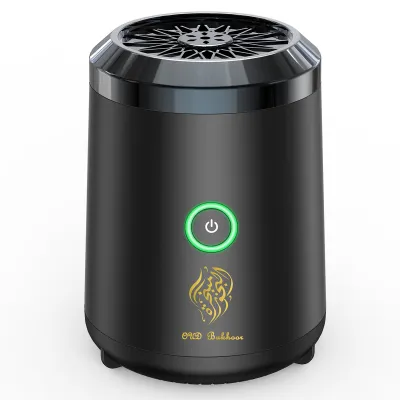
Prices are valid at publication and may change. Please refer to the product page for the latest price.
Heat diffusers, often referred to as traditional scent warmers or electric oil burners, use thermal energy to evaporate essential oils. These devices feature a small heating element beneath a metal, ceramic, or glass tray where the oil is placed. As the tray gently warms up, the heat accelerates the natural evaporation process of the volatile compounds within the essential oil. Because there are no fans, pumps, or vibrating plates, the scent rises naturally and drifts into the immediate surrounding air. Some models use a low-wattage electrical heating element, while others rely on a simple tea light candle, though electrical models offer much greater safety and temperature control.
Comparing Scent Throw, Noise, and Daily Upkeep
Scent intensity and coverage vary dramatically among the three types. Nebulizers are the undisputed champions of scent throw, capable of rapidly filling large, open-concept living rooms or high-ceilinged spaces with a rich, unaltered aroma. Ultrasonic diffusers offer a moderate, pleasant scent throw that is highly effective for standard-sized bedrooms, home offices, or dining areas. Heat diffusers provide a much more localized, intimate scent profile, making them best suited for personal desks, small bathrooms, or reading nooks where you want a subtle background fragrance rather than an overwhelming aroma.

Operational noise is another critical factor that can influence your comfort, especially during sleep or focused work. Nebulizing diffusers, because they house a mechanical air pump, produce a distinct, low-frequency humming or vibrating sound during operation. While many modern designs incorporate dampening materials, the sound is still noticeable in a quiet room. Ultrasonic diffusers are significantly quieter, emitting only a soft, rhythmic whirring from the small internal fan and the occasional soothing sound of water dripping inside the tank. Heat diffusers are completely silent, making them the ultimate choice for light sleepers or those who require absolute quiet for meditation or deep focus.
Daily maintenance and oil consumption rates also differ based on the technology. Ultrasonic diffusers require frequent cleaning because standing water can quickly become a breeding ground for mold, bacteria, and mineral scale, especially if you use tap water. You must empty and wipe down the water tank every few days and periodically descale the ultrasonic plate with citric acid or vinegar. Nebulizers do not deal with water buildup, but they are highly prone to clogging if thick, viscous oils (like patchouli, vetiver, or sandalwood) are used. They require regular flushing with high-percentage rubbing alcohol to keep the micro-nozzles clear. Heat diffusers are by far the easiest to maintain, requiring only a quick wipe with a damp cloth or alcohol pad to remove sticky oil residue from the warming tray once it has cooled down.
The impact on indoor humidity is a crucial consideration, particularly in tropical climates like Singapore where ambient humidity is already high. Ultrasonic diffusers continuously release a cool water mist, which can be highly beneficial in dry, air-conditioned rooms to help soothe dry skin and nasal passages. However, in naturally ventilated rooms that are already humid, adding more moisture can make the air feel heavy and encourage mold growth on nearby walls or fabrics. Nebulizers and heat diffusers do not use water, meaning they deliver pure scent without altering the room’s relative humidity, making them highly versatile across different indoor environments.
Matching the Right Diffuser to Your Space and Lifestyle
Choose an ultrasonic diffuser if you want a multi-functional lifestyle device that combines gentle aromatherapy with a light humidifying effect. This type is perfect for air-conditioned bedrooms, study rooms, or medium-sized living spaces where you enjoy the visual appeal of a rising mist and built-in LED mood lighting. It is also highly economical, as it requires only a few drops of essential oil diluted in a large volume of water, making your oil collection last much longer.
Choose a nebulizing diffuser if you are a dedicated aromatherapy enthusiast who demands the purest, most potent scent experience possible. It is the ideal choice for large, open-plan homes, professional spa environments, or spacious living areas where standard diffusers fail to project the scent effectively. While it consumes essential oils at a much faster rate and produces a mild pump hum, the therapeutic benefits of inhaling undiluted, unheated oil particles are unmatched.
Choose a heat diffuser if your primary requirements are absolute silence, minimal maintenance, and a compact footprint. It is exceptionally well-suited for office desks, bedside tables, or small personal sanctuaries where you want a subtle, non-intrusive scent. Because it has no moving parts to wear out or water tanks to scrub, it represents a highly reliable, set-and-forget option for busy individuals.
Before making your final decision, always verify your specific household constraints. If you have pets, particularly cats or dogs, you must exercise extreme caution as many common essential oils are highly toxic to them when dispersed into the air. If anyone in your household suffers from asthma, severe allergies, or other respiratory sensitivities, the intense, concentrated output of a nebulizer may trigger a reaction, making a milder ultrasonic or heat diffuser a safer choice. Additionally, assess your room’s natural ventilation and humidity levels to ensure you do not inadvertently create a damp environment.
Essential Safety, Placement, and Electrical Checks
Operating any electrical appliance in the home requires strict adherence to safety protocols. Always verify that the diffuser’s voltage matches your household electrical outlets and check for local safety certifications, such as the Safety Mark in Singapore, to ensure the device has undergone rigorous testing. Keep all electrical cords, plugs, and power adapters completely dry, and never fill or empty an ultrasonic diffuser’s water tank while it is still plugged into the wall.
Proper placement is vital to prevent accidental damage to your home decor and electronics. Place your diffuser on a flat, stable, and water-resistant surface, well away from the edges of tables where it could be easily knocked over by children or pets. Avoid placing ultrasonic diffusers directly underneath wooden shelving, near electrical outlets, or close to sensitive electronic equipment, as the settling mist can cause moisture damage over time. Heat diffusers must be kept clear of drafty areas, curtains, and any flammable materials to eliminate fire hazards.
Keep all diffusers and essential oil bottles completely out of reach of children and pets to prevent accidental ingestion or skin contact. Research the safety profiles of your chosen oils, and ensure the room is always well-ventilated so pets have an easy way to leave the space if the scent becomes too overwhelming for their sensitive olfactory systems.
Always prioritize safety and know when to take immediate action. If your diffuser ever becomes excessively hot to the touch, begins to leak water or oil onto electrical components, makes unusual grinding noises, or emits a burning smell, unplug it immediately from the power source. For any device involving heating elements or water reservoirs, always isolate the power supply before performing any cleaning, maintenance, or refilling tasks to prevent electrical shocks or short circuits.
Frequently Asked Questions (FAQ)
Can I use synthetic fragrance oils in these diffusers?
It is highly recommended to avoid using synthetic fragrance oils in ultrasonic and nebulizing diffusers unless the manufacturer explicitly states it is safe to do so. Synthetic oils often contain heavy carrier oils, solvents, or alcohol-based compounds that do not vaporize cleanly. In nebulizers, these thick carriers can permanently clog the microscopic glass or metal nozzles, rendering the device useless. In ultrasonic diffusers, synthetic chemicals can chemically degrade the plastic water tank or leave a stubborn, sticky residue on the delicate ultrasonic plate that impairs its ability to vibrate. Always check your device’s instruction manual and warranty terms, as using unauthorized oils will typically void your coverage.
Do I need to dilute essential oils before using them?
Dilution requirements depend entirely on the specific diffuser technology you are using. Nebulizing diffusers require pure, completely undiluted essential oils; adding water to a nebulizer will damage the pump mechanism and prevent it from atomizing. Ultrasonic diffusers, on the other hand, must have the essential oils diluted in water to function properly, typically requiring only 3 to 10 drops of oil per 100 milliliters of water depending on your desired scent strength. Heat diffusers vary by design; some models feature a deep dish that requires a small amount of water to dilute the oil and prevent it from burning or scorching, while other dry-heat models utilize specialized pads or direct-drop trays designed for pure oil. Always consult your specific model’s user manual to verify the correct preparation method.

Community discussion
Share your experience or ask a question. Comments are reviewed before publication.