
Choosing the right room diffuser for your Singapore home depends on how you balance scent intensity, maintenance effort, and your specific living environment. If you want a gentle fragrance accompanied by a light mist, an ultrasonic diffuser is an excellent option for air-conditioned spaces. For a strong, immediate scent throw without adding any moisture to the air, a nebulizing diffuser is the more effective fit. If you prefer a continuous, subtle background aroma with zero daily upkeep, a classic reed diffuser is the most practical choice. Use the comparison below to match the right technology to your space and daily routine.
How Scent Delivery and Maintenance Compare
To make an informed decision, it is essential to look at how each room diffuser operates. The three main types—ultrasonic, nebulizing, and reed diffusers—rely on completely different physical mechanisms to disperse fragrance molecules into your living space. These mechanisms directly influence the strength of the scent, how quickly it fills a room, and the type of routine maintenance required to keep the device functioning safely.
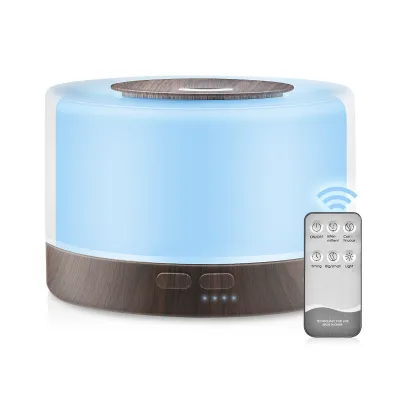
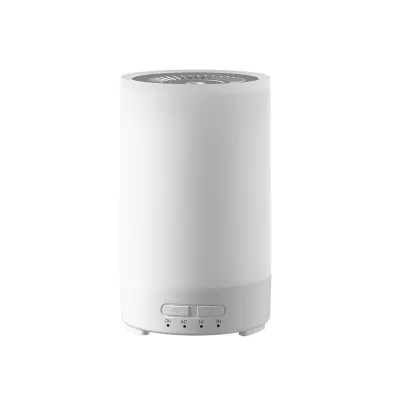
Ultrasonic diffusers use a small, vibrating ceramic disc at the bottom of a water tank. This disc vibrates at ultrasonic frequencies, creating a fine mist of water and essential oil droplets that is dispersed into the air by a tiny fan. Because the oil is diluted in water, the resulting scent throw is typically gentle and subtle. Maintenance involves regularly emptying the tank, wiping down the interior to prevent mineral buildup from tap water, and cleaning the ultrasonic plate to ensure consistent mist production.
Products mentioned in this guide


![[6 NEW SCENTS] Hooga Black Series Reed Diffuser 200ml](https://img.lazcdn.com/g/p/1ffd8c3f6be39df0f302c26adff3be23.jpg_400x400q80.jpg_.webp)

Prices are valid at publication and may change. Please refer to the product page for the latest price.
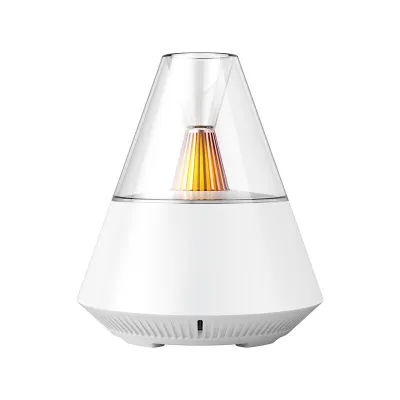
Nebulizing diffusers, on the other hand, do not use water or heat. Instead, they rely on pressurized air to force pure essential oil through a narrow tube, atomizing the oil into an extremely fine dry mist of microparticles. Because the oil is undiluted, the scent throw is highly concentrated and immediate. However, this mechanical process requires regular cleaning with rubbing alcohol to prevent the delicate glass or metal nozzles from clogging, especially when using thicker oils.
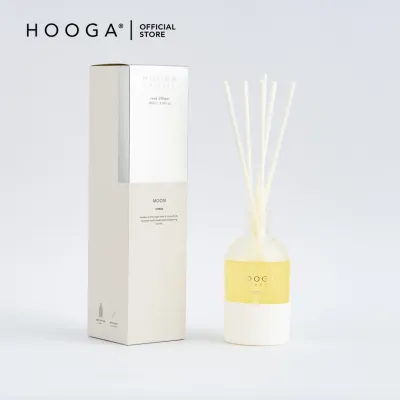
Reed diffusers operate on a completely passive system of capillary action. Natural reeds or synthetic pore sticks are placed directly into a vessel filled with fragrance oil. The liquid slowly travels up the channels of the reeds and evaporates into the surrounding air at room temperature. This provides a continuous, low-intensity background scent that requires no electricity or active monitoring. Maintenance is minimal, requiring only an occasional flip of the reeds to refresh the scent or replacing the reeds entirely when they become saturated with dust or oil residue.
Matching the Diffuser to Your Room and Routine
Selecting the right room diffuser is not just about the technology; it is about how that technology fits into your daily habits and the specific climate of your home. Singapore’s warm, humid environment, often balanced by dry air-conditioned interiors, plays a significant role in how fragrance behaves. Matching the device to your room size and routine ensures you get the best performance without unnecessary hassle.

Ultrasonic Diffusers for Gentle Ambience
Ultrasonic models are highly practical for spaces where you want a subtle, relaxing atmosphere, such as bedrooms or home offices. The light mist they emit can provide a comforting visual element alongside the fragrance. In air-conditioned rooms where the air can become dry and uncomfortable over time, the slight moisture added by an ultrasonic diffuser can offer a mild, localized humidifying effect that makes the space feel more comfortable.
When choosing an ultrasonic room diffuser, always verify the manufacturer’s guidelines regarding oil compatibility. While most models work well with pure essential oils, some synthetic fragrance blends or heavier carrier oils can degrade the plastic water tank or clog the ultrasonic disc. Using the correct oil type ensures the longevity of the device and prevents premature breakdown of the internal components.
Routine upkeep is a critical factor for ultrasonic models. Because standing water can quickly become a breeding ground for bacteria and mold, the water tank must be emptied and wiped dry after every few uses. In Singapore’s tropical climate, organic growth can occur rapidly if water is left sitting in the reservoir. Regular cleaning with a soft cloth and mild soap or diluted vinegar prevents mineral scale buildup and keeps the mist clean and fresh.
Nebulizing Diffusers for Strong, Fast Scent
For larger, open-plan living areas, high-ceilinged rooms, or spaces with active ventilation, a nebulizing diffuser is often the most effective choice. Because it disperses pure, undiluted oil particles, it can quickly overcome competing odors and fill a large space with a rich, true-to-bottle fragrance. This makes it ideal for hosting guests or quickly refreshing a living room after cooking.
It is vital to check the product specifications for oil requirements, as nebulizers are highly sensitive to oil viscosity. They strictly require pure, thin essential oils; using thick carrier oils, water, or synthetic blends with heavy additives can permanently damage the internal pump mechanism. Since there is no water dilution, the rate of oil consumption is significantly higher than in ultrasonic models, which is an important consideration for your ongoing budget.
Additionally, because nebulizers use an active air pump to atomize the oil, they do produce a soft, mechanical humming sound during operation. Before placing a nebulizer in a quiet zone like a bedroom or study, check the manufacturer’s stated noise rating (usually measured in decibels). Many modern units feature adjustable mist controls or intermittent timers that help manage both the noise level and the rate of oil consumption.
Reed Diffusers for Zero-Maintenance Background Scent
If you prefer a set-and-forget fragrance solution, passive reed diffusers are unmatched in convenience. They are exceptionally well-suited for smaller, high-traffic zones such as entryways, powder rooms, or walk-in wardrobes where active electronic devices are impractical due to a lack of power outlets. A reed diffuser provides a constant, welcoming scent signature the moment you step into the room, without requiring you to turn it on or refill a tank daily.
To manage the scent strength and longevity of a reed diffuser, pay close attention to the product instructions regarding reed flipping and oil evaporation. Flipping the reeds once a week or every fortnight draws fresh oil to the top, temporarily boosting the scent throw. If the fragrance becomes too intense in a small space, you can easily reduce the strength by removing a few reeds from the vessel, which also slows down the evaporation rate and extends the life of the oil.
Safety and placement are key considerations for passive diffusers. Because they contain a liquid oil mixture in an open or semi-open glass vessel, they must be placed on a stable, flat surface completely out of reach of children and pets. It is also wise to avoid placing them in direct sunlight or near air conditioning vents, as excessive heat and rapid airflow can cause the oil to evaporate too quickly. Always use a coaster or tray underneath the vessel to protect polished wood, varnished surfaces, or delicate fabrics from accidental oil drips or spills.
Essential Specifications to Verify Before Buying
Before purchasing any active electronic room diffuser, it is crucial to verify several technical and safety specifications to ensure it is suitable for your home. First and foremost, check the electrical certification and voltage compatibility. In Singapore, electronic appliances should be compatible with a 230V supply and feature appropriate safety marks to guarantee they have been tested for electrical safety and fire prevention.
For electronic models, look closely at the control features listed on the product packaging or online specifications. Features such as an automatic shutoff timer, a low-water sensor, and customizable intermittent mist settings are highly valuable. An auto-shutoff function ensures the device powers down safely when the water tank is empty, preventing the heating or vibrating elements from burning out. Intermittent settings allow the device to cycle on and off, which conserves both water and essential oils while preventing the scent from overpowering the room.
The materials used in the construction of the diffuser’s reservoir are also an important quality indicator. Pure essential oils, particularly citrus oils, are highly corrosive to certain types of plastic. Look for diffusers that feature oil reservoirs made of high-quality, corrosion-resistant materials such as medical-grade polypropylene (PP) plastic, glass, or ceramic. Checking these material specifications beforehand prevents the plastic from degrading over time, which could otherwise release unwanted chemical residues into the diffused mist.
Final Decision Framework
To finalize your choice, consider your primary lifestyle constraints, the physical characteristics of your space, and how much time you want to dedicate to device maintenance. If you are looking for a gentle, relaxing scent for a bedroom, enjoy the visual appeal of a soft mist, and do not mind a quick daily routine of refilling water and wiping down a tank, an ultrasonic diffuser is an excellent match.
If your priority is a powerful, immediate fragrance that can easily fill a large living room or open-concept space, and you prefer the purity of undiluted essential oils without any added humidity, a nebulizing diffuser is the superior option. Just be sure to verify the noise level and prepare for a slightly higher oil consumption rate.
For those who want a continuous, subtle background aroma in smaller spaces like bathrooms or hallways with absolutely zero daily maintenance, no electrical cords, and no safety worries regarding heating elements, a classic reed diffuser is the most practical and elegant solution.
Finally, always take into account any specific household dynamics before making your purchase. If you have pets, young children, or family members with respiratory sensitivities, research which essential oils are safe to diffuse in their presence. Additionally, ensure that any surface where you place your room diffuser is properly protected with a non-porous tray or coaster to prevent oil damage to your furniture or flooring.
Frequently Asked Questions (FAQ)
Can I use synthetic fragrance oils in a nebulizing diffuser?
It is generally not recommended to use synthetic fragrance oils in a nebulizing diffuser unless the manufacturer explicitly states it is safe to do so. Synthetic fragrance oils are often formulated with heavy carrier oils or solvents to help them last longer, making them significantly thicker and more viscous than pure essential oils. Because nebulizers rely on extremely narrow glass or metal tubes to atomize the liquid, these thick carrier oils can easily clog the nozzle and strain the air pump, potentially voiding your warranty or permanently damaging the device. Always check the product’s instruction manual for compatible oil types before use.
Do reed diffusers work well in air-conditioned rooms?
Yes, reed diffusers can work well in air-conditioned rooms, but the dry, cool air will affect how they perform. Air conditioning lowers the humidity and increases air circulation, which can cause the fragrance oil to evaporate at a faster rate than it would in a naturally ventilated room. While this can temporarily result in a stronger scent throw, it also means the oil reservoir will empty more quickly. To manage this, check the oil level regularly, start with fewer reeds to slow down the evaporation, and adjust the placement of the vessel away from direct drafts or air conditioning vents to ensure a steady, long-lasting fragrance.

Community discussion
Share your experience or ask a question. Comments are reviewed before publication.