
A 36W LED downlight represents a highly powerful light source in modern residential and commercial spaces. While traditional incandescent bulbs used wattage as a direct indicator of brightness, LED technology separates power consumption from light output. Understanding what a 36W LED light delivers requires looking beyond the wattage to evaluate actual light output, beam angles, and physical installation requirements.
In Singapore’s diverse housing landscape, from compact apartments to spacious landed properties, selecting the right lighting power is crucial for both comfort and energy efficiency. A 36W LED downlight is on the higher end of residential power ratings, making it essential to understand its performance characteristics before installation. This guide breaks down how wattage translates to actual brightness, how to estimate coverage, and how to ensure a safe and compatible fit for your home.
Understanding 36W: Power Consumption vs. Actual Brightness
Wattage measures the electrical power a fixture consumes, not the amount of light it produces. When you install a 36W LED downlight, you are looking at a fixture that draws 36 watts of electricity from your home’s electrical system. The actual brightness of the light is measured in lumens, which represents the total amount of visible light emitted by the source.
Products mentioned in this guide
![DFS LED LIGHT Local Warranty ☀ Super Slim☀ Ceiling Light 24W/36W with Premium LED Magnetic Plate [Complete Set ]](https://img.lazcdn.com/g/p/62db896127d54cb8dd50b18bb12f278e.jpg_400x400q80.jpg_.webp)
Prices are valid at publication and may change. Please refer to the product page for the latest price.
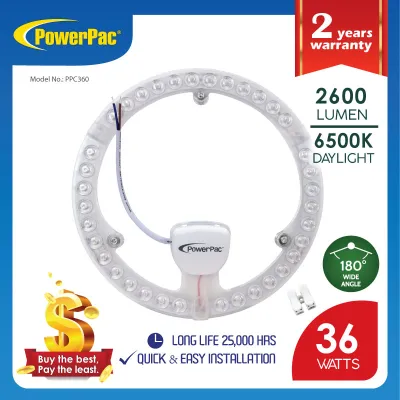
To understand how bright a specific 36W LED downlight will be, you must check its luminous efficacy, measured in lumens per watt (lm/W). This ratio indicates how efficiently the fixture converts electricity into visible light. For example, a highly efficient 36W LED downlight might produce over 3,000 lumens, whereas a less efficient model of the same wattage might only produce 2,500 lumens.
These differences often stem from the quality of the LED chips and the design of the internal driver. When shopping, always locate the lumen rating and efficacy on the product packaging or manufacturer specification sheet. Comparing these metrics ensures you do not assume two different 36W fixtures will deliver identical brightness levels in your living space.
Estimating Light Coverage and Beam Spread
The physical spread of light from a 36W downlight depends heavily on its beam angle and the height of your ceiling. The beam angle, measured in degrees, determines whether the light is concentrated in a narrow spot or distributed as a wide flood. A narrow beam angle creates a focused pool of light, while a wide beam angle disperses the light across a larger surface area.

Ceiling height plays a critical role in how this light behaves in your room. In typical Singapore apartments with standard ceiling heights of 2.6 to 2.8 metres, a wide-angle 36W downlight will cover a broad floor area but may lose some intensity by the time it reaches the ground. Conversely, higher ceilings in landed properties or double-volume spaces require careful beam selection to ensure the light remains bright enough at floor level.
To avoid dark spots between fixtures, you must plan the spacing based on the beam spread. Checking the manufacturer’s photometric data or specific coverage guidelines for your chosen 36W model is essential. This data helps you calculate the exact diameter of the light pool on the floor, allowing you to space multiple downlights evenly.
Matching the 36W Downlight to Your Room's Needs
A 36W LED downlight is a high-output fixture, making it highly suitable for spaces that require intense, functional illumination. Identifying the primary function of your room is the first step in determining if this wattage is appropriate. Task-heavy areas like kitchen prep zones, home offices, or retail displays benefit greatly from the high lux levels a 36W light can provide.
For general living areas or bedrooms, a single 36W downlight might feel overwhelming unless the space is exceptionally large or the fixture is dimmable. You can calculate the total number of fixtures required by assessing your room’s square footage and the desired lux level. For instance, a large living room might require a combination of multiple lower-wattage lights or a few strategically placed high-output 36W fixtures to achieve balanced illumination.
Color temperature and spatial effects are conditional preferences that depend on your personal style and room design. Choosing a dimmable driver allows you to dial back the intense brightness of a 36W light when transitioning from active tasks to evening relaxation. Additionally, selecting a warmer color temperature can soften the visual impact of such a powerful light source, while cool white is ideal for productivity-focused zones.
Verifying Ceiling Fit and Electrical Compatibility
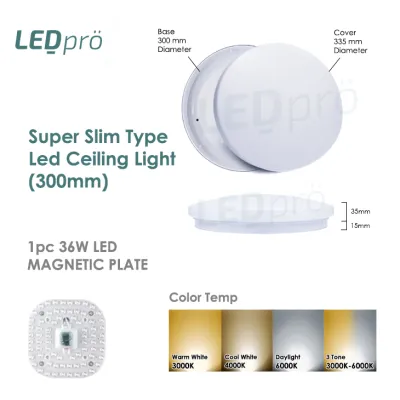
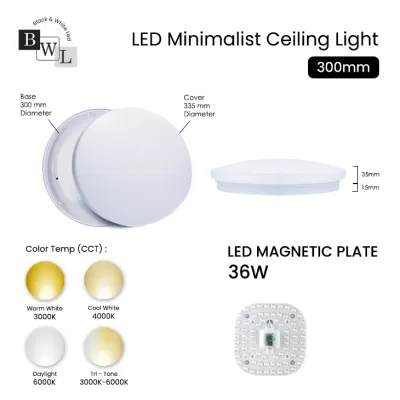
Before purchasing a 36W LED downlight, you must verify that the physical fixture is compatible with your ceiling structure and electrical system. You must check the specific voltage requirements, base or interface type, wattage limits, physical dimensions, dimming method, and electrical certifications of the fixture. High-wattage LED downlights often feature larger heat sinks to dissipate heat safely, which can increase the overall depth of the fixture and require a deeper ceiling cavity.
You must measure your ceiling cavity depth and the existing cut-out hole dimensions against the fixture’s physical housing specifications to ensure a secure fit. Electrical compatibility is equally critical; you must ensure that your circuit breaker can safely handle the cumulative load of multiple 36W fixtures. While a single 36W light draws minimal current, installing several of these fixtures on a single circuit requires calculating the total wattage to prevent overloading.
For any fixed wiring installations, working at heights, or mounting fixtures in damp environments like bathrooms and outdoor balconies, safety is paramount. Always isolate the power supply at the main distribution board before attempting any inspection or installation. Because of the electrical risks involved, you should consult a licensed electrician in Singapore to handle the installation and ensure compliance with local safety standards.
Frequently Asked Questions (FAQ)
Is a 36W LED downlight too bright for a bedroom?
A 36W LED downlight can easily overwhelm a standard-sized bedroom if it is run at full capacity without proper controls. Because a 36W LED typically produces a high lumen output, it is generally too bright for a space dedicated to rest and relaxation. If you choose to use a fixture of this power in a bedroom, ensure it is paired with a compatible dimmable driver and a warm color temperature to allow for adjustable, softer lighting levels.
Can I replace an older, higher-wattage halogen downlight with a 36W LED?
Yes, you can replace an older halogen downlight with a 36W LED, but you must carefully verify compatibility first. A 36W LED is highly efficient and will likely produce significantly more light than even a 100W halogen bulb, so you should compare the lumen ratings to ensure the brightness level is appropriate. Additionally, you must check the physical cut-out dimensions, ensure the existing transformer is compatible with LED drivers, and verify that there is adequate ventilation space in the ceiling cavity for heat dissipation.

Community discussion
Share your experience or ask a question. Comments are reviewed before publication.