
An IP (Ingress Protection) rating measures how effectively an outdoor garden light’s enclosure seals against solid particles and moisture. When planning your outdoor lighting, choosing the correct IP rating ensures your fixtures can withstand environmental exposure without short-circuiting or corroding. Matching the rating to the specific micro-climate of your garden—whether it is a sheltered patio or a fully exposed lawn—is essential for long-term safety and performance.
How the IP Rating System Works
The IP rating system uses a standard two-digit code to define the exact level of protection a fixture offers. The letters “IP” are always followed by two numbers, each representing a different type of environmental resistance. This international standard allows consumers to compare the sealing effectiveness of different products without relying on vague marketing terms.
The first digit ranges from 0 to 6 and indicates protection against solid objects, such as fingers, tools, wires, and fine dust particles. A rating of 4 means the light is protected against solid objects larger than 1mm, while a rating of 6 represents a completely dust-tight seal that prevents any airborne particles from entering.
Products mentioned in this guide
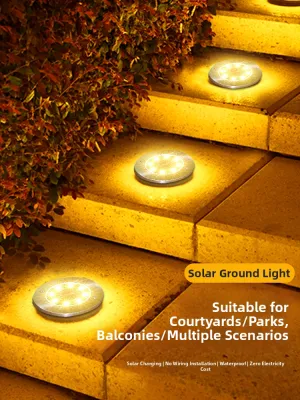
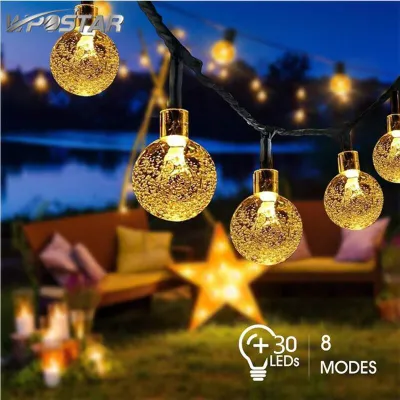
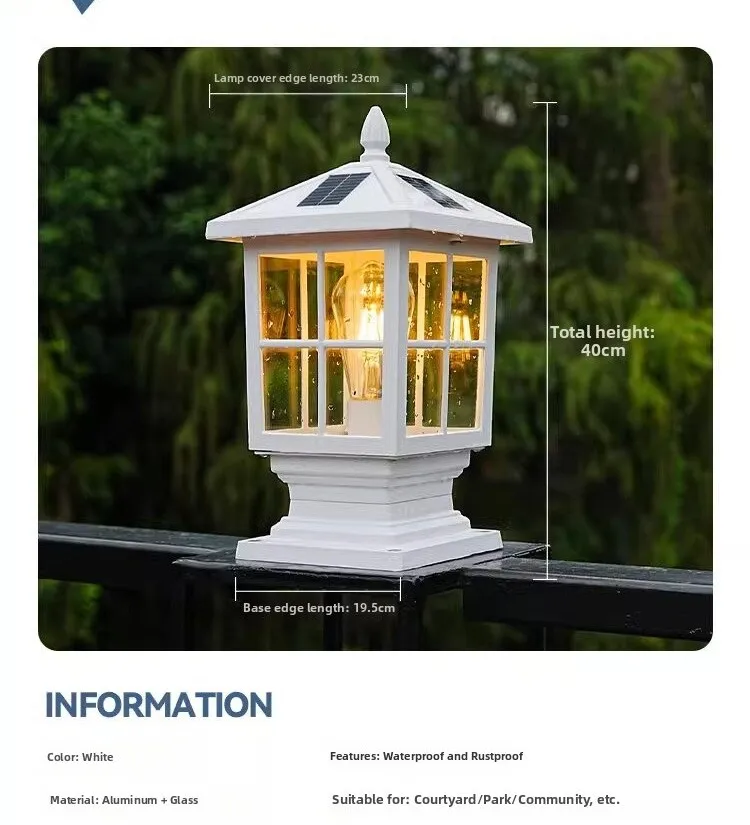
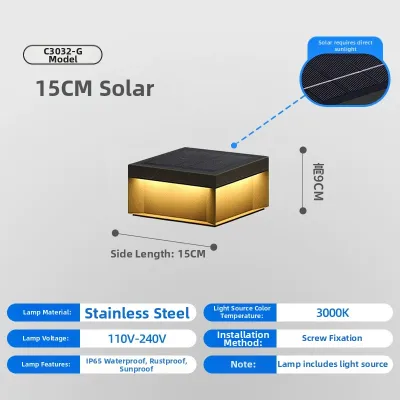
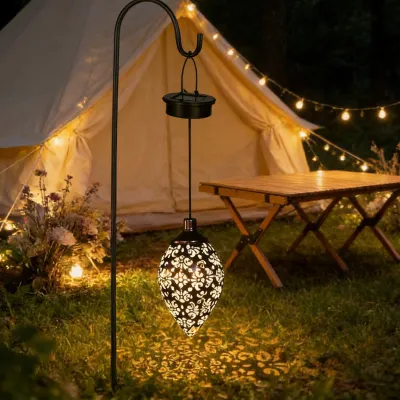
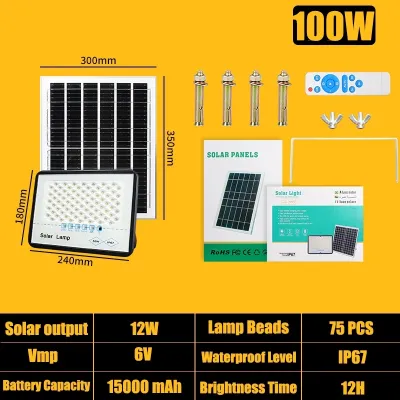
Prices are valid at publication and may change. Please refer to the product page for the latest price.
The second digit ranges from 0 to 9 and measures liquid ingress protection, starting from no protection up to high-pressure water jets and continuous submersion. For standard residential garden lights, this digit typically ranges from 4 (protection against splashing water) to 7 or 8 (protection against temporary or continuous immersion).
These ratings are determined under controlled laboratory conditions using brand-new fixtures. They do not serve as permanent guarantees against extreme weather events, physical impacts, or the natural degradation of rubber seals and gaskets over time. Regular maintenance and inspection of the seals are still necessary to ensure the fixture remains watertight throughout its lifespan.
Common IP Ratings and Their Practical Applications
Most residential outdoor lighting fixtures fall into three primary categories: IP44, IP65, or IP67. Selecting the right one depends entirely on where the light will be installed and how much water exposure it will face.

Before purchasing any fixture, always verify the exact IP rating printed on the manufacturer’s specification sheet or product packaging. Relying on generic marketing terms like “waterproof” or “weather-resistant” can lead to purchasing an inadequate light for your specific setup.
IP44: Sheltered and Semi-Outdoor Areas
An IP44 rating means the fixture is protected against solid objects larger than 1mm, such as small wires or insects, and can resist water splashing from any direction. This is the minimum rating recommended for any light used outside the main walls of your home.
These fixtures are ideal for semi-outdoor spaces that receive some overhead protection. Covered patios, deep porches, balconies, and areas directly under wide roof eaves are excellent locations for IP44-rated wall sconces or ceiling lights.
However, IP44 lights are not designed to handle direct, heavy rainfall or pooling water. Installing them on open lawns, exposed garden pathways, or low-lying ground areas can lead to water ingress and electrical failure during severe weather.
IP65: Standard Exposed Garden Areas
An IP65 rating offers a much higher level of protection, featuring a completely dust-tight enclosure (indicated by the 6) and resistance to low-pressure water jets from any angle (indicated by the 5). This makes it the standard choice for most fully exposed outdoor lighting.
You can safely install IP65 fixtures in open garden beds, along driveways, and on exposed pathways where they will face direct rain and wind. They are built to withstand typical weather patterns and regular watering from garden hoses or sprinkler systems.
Despite their robust build, IP65 lights are not waterproof against high-pressure power washers or prolonged flooding. Avoid placing them in deep depressions where water pools, and never submerge them in garden ponds or water features.
IP67 and Above: Water Features and High-Risk Zones
Fixtures rated IP67 or higher are engineered for temporary or continuous submersion in water. An IP67 rating ensures the light remains sealed even when submerged in water up to a depth of one meter for a limited duration, usually around 30 minutes.
These highly sealed fixtures are necessary for ground-level well lights, deck lights flush with the floor, or any low-lying pathway lights in areas prone to temporary flooding. For lights installed inside garden ponds, swimming pools, or active water fountains, an IP68 rating is required to support continuous underwater operation.
When planning an underwater installation, always consult the manufacturer’s manual to verify the exact depth and duration limits of the fixture. Even high-rated lights have specific installation boundaries that must be respected to maintain their seal.
Matching IP Ratings to Your Garden Layout
To choose the right lights, walk through your garden and identify the distinct micro-climates of your outdoor space. In tropical environments like Singapore, sudden heavy downpours and high humidity are common, meaning exposed areas require robust protection. Consider how close the light will be to automatic lawn sprinklers, which can spray water at high velocity from various angles.
Physical mounting height and angle also play a significant role in water exposure. Ground-level lights face intense splashback from soil and pooling water during heavy rain, demanding at least an IP65 or IP67 rating. Conversely, wall-mounted lights positioned higher up under an overhang are shielded from the worst of the weather and can often utilize an IP44 rating safely.
While opting for a higher IP rating than necessary provides peace of mind, it is not always cost-effective. Using an expensive IP67 fixture inside a fully covered, dry veranda adds unnecessary expense without offering any practical performance benefit over a standard IP44 light.
Beyond IP Ratings: Electrical Safety and Installation
An IP rating only addresses physical ingress; it does not guarantee overall electrical safety or compatibility. Before purchasing, you must verify the fixture’s operating voltage, base or interface type, wattage limits, and local electrical safety certifications. Ensuring the light matches your existing power supply is critical to prevent electrical overloads.
The installation process varies significantly depending on the power source. Low-voltage landscape systems (typically 12V or 24V) and plug-in solar lights are generally safe for DIY setup, as they carry minimal risk of severe electrical shock. Always follow the manufacturer’s instructions regarding cable routing and transformer placement to keep these low-voltage systems running safely.
For any projects involving fixed mains wiring (such as 230V systems), underground trenching, or installations near water features, you must isolate the power source before handling any components. All high-voltage outdoor wiring must be installed by a qualified electrician to ensure compliance with local building codes and safety standards.
Frequently Asked Questions (FAQ)
Can I use an IP44 light outdoors if it is under a roof?
Yes, you can generally use an IP44 fixture outdoors if it is installed under a roof, balcony, or deep eave that provides adequate shelter. The overhead structure must block direct, wind-blown rain from reaching the light. Always check the manufacturer’s installation guidelines to confirm the minimum clearance and exposure limits for semi-sheltered use.
Does a higher IP rating mean the light will last longer?
Not necessarily. An IP rating only measures how well the enclosure prevents dust and water from entering; it does not indicate resistance to ultraviolet (UV) radiation, physical impacts, or chemical corrosion. For long-term durability in sunny and humid climates, you should also check the housing material, such as marine-grade aluminum or brass, and look for UV-stabilized lenses.

Community discussion
Share your experience or ask a question. Comments are reviewed before publication.