
When choosing a soft spot swaddle, understanding the exact fabric composition is the first step to ensuring your baby stays comfortable, cool, and safe. Because different production batches, seasonal collections, and specific styles of these swaddles may utilize varying fabric blends, you should always verify the exact material breakdown directly on the product’s physical care label. By learning how to interpret these fabric tags and understanding the properties of common textiles like cotton, open-weave muslin, and bamboo-derived viscose, you can make an informed decision tailored to your home’s climate and your baby’s sensitive skin.
How to Identify the Exact Fabric Composition of Your Soft Spot Swaddle
To find the precise material makeup of your soft spot swaddle, look for the physical care label sewn directly into one of the seams. This tag is legally required to list the exact fiber percentages in descending order. For instance, a label might read “70% bamboo viscose, 30% cotton” or “100% organic cotton.”
If the swaddle is packaged, cross-reference this sewn-in label with the fiber content printed on the original box or the manufacturer’s official product specifications. This step ensures you have the most accurate information for that specific production run.
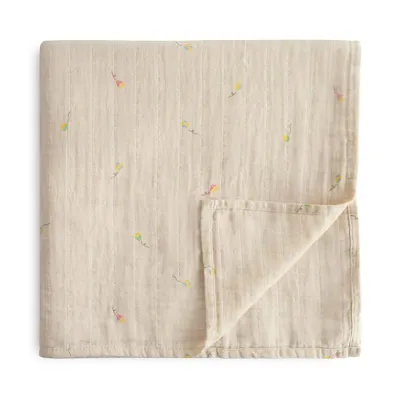
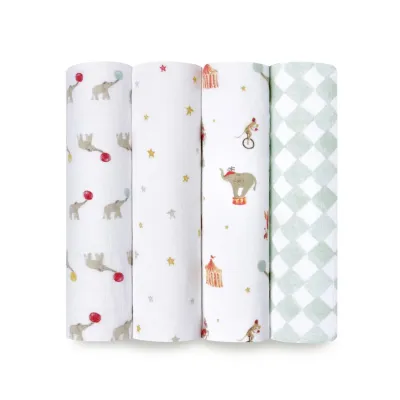
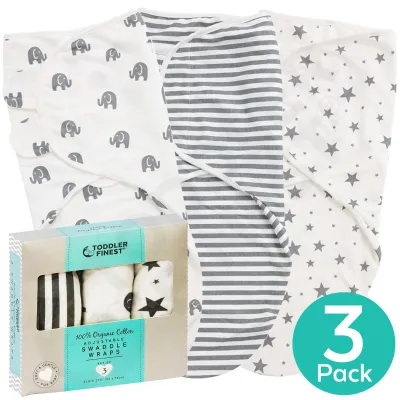
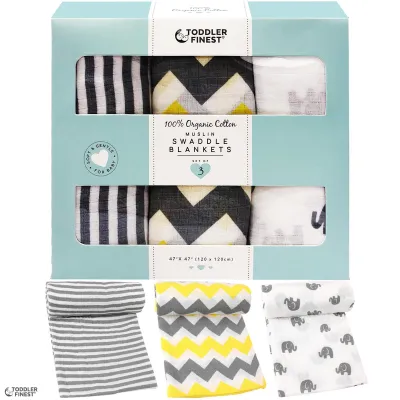
Products mentioned in this guide
![[New Arrival] Baby Newborn Swaddle Wrap Sleeping Bag Infant Swaddle Blanket 100% Cotton](https://img.lazcdn.com/g/p/1a898c63dc07f158209dee3a81e024a5.jpg_400x400q80.jpg_.webp)
Prices are valid at publication and may change. Please refer to the product page for the latest price.
Understanding standard textile abbreviations and blend percentages helps you know exactly what is touching your baby’s skin. Look out for terms like “viscose from bamboo,” “rayon,” or “elastane” (often added in small percentages for stretch). A higher percentage of natural fibers generally indicates better breathability, while synthetic additions might be used to increase durability or elasticity.
Common Swaddle Materials and Their Impact on Breathability
A swaddle’s ability to regulate temperature depends heavily on its fiber type and weave density. Proper airflow is essential for safe infant sleep, helping to prevent overheating in enclosed nursery spaces. By checking the care label, you can evaluate how the fabric’s structure will perform in your specific home environment.

Natural Fibers Like Cotton and Muslin
Pure cotton is a classic choice for baby bedding due to its natural moisture-wicking properties and structural integrity. When woven into muslin—a loose, open-weave plain fabric—cotton becomes exceptionally breathable. The wide gaps between the threads in a muslin weave allow air to circulate freely, which helps heat escape and reduces the risk of moisture buildup against the skin.
When evaluating cotton swaddles, pay attention to the fabric weight, often described as single-layer versus multi-layer. A lightweight, single-layer cotton muslin is ideal for warmer rooms, whereas a heavier, tightly woven cotton knit provides more insulation. Matching the fabric weight to your nursery’s ambient temperature ensures your baby remains comfortable without needing excessive layers.
Bamboo Viscose and Rayon Blends
Bamboo-derived fabrics, often labeled as bamboo viscose or rayon, are highly regarded for their exceptional softness and natural temperature-regulating properties. The microscopic structure of bamboo fibers allows them to absorb moisture quickly, pulling sweat away from the baby’s skin and facilitating rapid evaporation. This makes bamboo blends highly effective at keeping babies cool in warm conditions.
Many swaddles combine bamboo viscose with cotton or a small percentage of spandex. These blend ratios are designed to balance the best qualities of each material. For example, a cotton-bamboo blend offers the silky drape and cooling sensation of bamboo alongside the structural strength and wash-durability of cotton. Adding a touch of spandex or elastane introduces a gentle stretch, allowing the swaddle to wrap snugly around the baby without restricting natural hip movement.
Evaluating Softness and Skin Safety for Your Baby
A swaddle must be gentle enough for a newborn’s delicate skin barrier, which is thinner and more prone to irritation than adult skin. When assessing a soft spot swaddle, do not rely solely on how it feels in the packaging. Many fabrics are treated with temporary stiffening agents during manufacturing to keep them looking neat on store shelves. The true test of softness occurs after the first few washes, when these temporary finishes wash away and the natural fibers begin to bloom and soften.
Beyond the fabric itself, inspect the swaddle for physical design details that could cause irritation. Run your fingers along the seams, hems, and edges to ensure they are flat, soft, and sewn with smooth thread. Thick, rigid hems or scratchy synthetic care tags can rub against a baby’s neck or limbs during sleep. If the swaddle features a tag, check if it can be easily removed or if it is positioned away from direct skin contact.
To ensure chemical safety, look for recognized textile certifications on the product label or packaging, such as the OEKO-TEX Standard 100. This independent certification verifies that the fabric has been tested for harmful substances and chemical residues, providing peace of mind that the dyes and finishes used are safe for close skin contact.
Care Instructions to Maintain Breathability and Softness
To preserve the delicate fibers of your swaddle, always follow the manufacturer’s specific washing instructions. Washing in cold or lukewarm water on a gentle cycle prevents natural fibers like cotton and bamboo from shrinking excessively or weakening. High heat can damage the delicate structure of bamboo viscose, causing it to lose its signature silky texture and become stiff over time.
Avoid using traditional fabric softeners or dryer sheets when laundering baby swaddles. While these products are designed to make clothes feel softer, they work by coating the fibers in a thin, hydrophobic chemical film. This coating clogs the natural pores of the fabric, significantly reducing its breathability and moisture-wicking capabilities, which can lead to heat retention.
Instead, use a mild, fragrance-free baby detergent that cleans thoroughly without leaving irritating residues. Line drying in a shaded, well-ventilated area is the gentlest way to dry natural fiber swaddles. If you prefer using a clothes dryer, select a low-heat or air-dry setting to prevent fiber friction and static buildup, keeping the material plush and breathable for its next use.
Frequently Asked Questions (FAQ)
Are Soft Spot swaddles suitable for hot and humid climates?
Yes, provided you select the appropriate fabric weight and weave. In hot and humid environments, such as a typical Singapore home without continuous air conditioning, a lightweight, single-layer cotton muslin or a bamboo-viscose blend is highly suitable due to its superior airflow and moisture-wicking properties. Always monitor your baby for physical signs of overheating, such as damp hair, flushed cheeks, or a warm chest. Adjust the clothing layers worn underneath the swaddle accordingly—often a simple, short-sleeved cotton bodysuit or just a diaper is sufficient under a breathable swaddle in warm weather.
Should I wash a new swaddle before the first use?
Yes, you should always wash a new swaddle before wrapping your baby in it. Pre-washing removes any residual manufacturing dust, chemical finishes, or transit impurities that may have accumulated during production and shipping. Additionally, washing allows natural fibers like cotton and bamboo to undergo their initial shrinkage and relaxes the weave, which often makes the fabric significantly softer and more comfortable against your baby’s skin. Be sure to follow the care label’s specific washing instructions to protect the fabric from the very first cycle.

Community discussion
Share your experience or ask a question. Comments are reviewed before publication.