
The primary differences between water, gel, and hybrid seat cushions lie in how they distribute body weight, regulate temperature, and allow for physical adjustment. Water cushions use fluid displacement to dynamically shift pressure and offer customizable firmness through water volume. Gel cushions rely on solid or semi-solid polymer grids to provide consistent, low-maintenance contouring. Hybrid cushions combine these materials—often layering gel or water chambers over supportive high-density foam—to balance immediate pressure relief with structural stability.
Choosing the right seat cushion is not just about ergonomic support but also about managing heat buildup during long hours of sitting, especially in warm, humid climates like Singapore. Whether you are working from a home office, sitting at a corporate desk, or looking for extra comfort on a dining chair, understanding these material differences helps you select a cushion that matches your body weight, chair dimensions, and daily routine. By evaluating how each material behaves under pressure, you can avoid common issues like bottoming out, poor posture, or excessive sweating.
Understanding Water, Gel, and Hybrid Cushion Constructions
To make an informed decision, it is essential to understand the physical mechanics of how these three cushion types are built. Water-filled cushions operate on the principle of fluid displacement. The core of the cushion consists of a heavy-duty, leak-proof bladder filled with water. When you sit down, the water moves away from high-pressure areas, such as your sit bones, and flows toward areas with less pressure. This continuous movement ensures that your weight is distributed evenly across the entire contact surface. Because you can add or remove water, you have direct control over the cushion’s overall volume and firmness.
Products mentioned in this guide
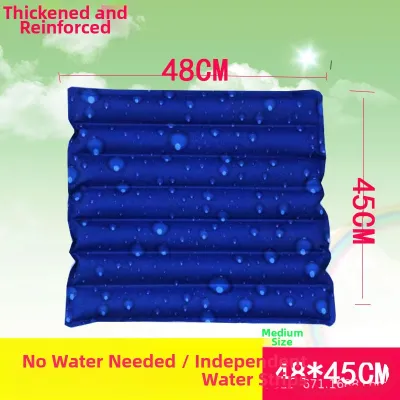
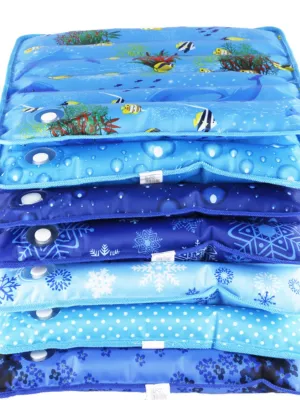
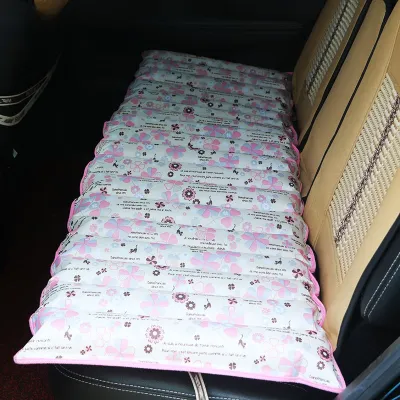
Prices are valid at publication and may change. Please refer to the product page for the latest price.
Gel cushions, by contrast, utilize solid or semi-solid synthetic polymers, such as thermoplastic elastomers (TPE) or silicone gel. Instead of flowing like a liquid, these materials are molded into structured geometric patterns, most commonly a honeycomb or open-column grid. When weight is applied, the walls of these columns buckle at specific pressure thresholds. This column-buckling behavior allows the cushion to absorb concentrated pressure under your tailbone while the surrounding uncollapsed columns continue to provide firm, stable support.
Hybrid cushions are engineered to combine the best properties of multiple materials to overcome the limitations of single-material designs. A typical hybrid construction features a supportive base layer made of high-density polyurethane foam or memory foam, topped with a layer of cooling gel or a series of small water chambers. The foam base provides the deep structural support needed to keep your pelvis aligned and prevent the cushion from flattening completely under heavy loads. Meanwhile, the top gel or water layer handles surface pressure distribution and provides immediate cooling comfort against your skin.
Comparing Comfort, Support, and Daily Usability
Evaluating how these materials perform in daily use requires looking at several key performance dimensions: temperature regulation, pressure distribution, weight, and long-term durability.

Temperature regulation is a critical factor for anyone sitting for extended periods, particularly in tropical environments. Water has a high specific heat capacity, meaning a water seat cushion can absorb a substantial amount of body heat before its temperature rises noticeably. This provides an immediate, highly noticeable cooling sensation when you first sit down. However, once the water eventually reaches body temperature, it retains that heat for a long time and takes longer to cool down. Gel cushions with open-cell grid designs do not rely solely on material cooling; instead, the open channels allow air to circulate freely beneath you, continuously dissipating heat and moisture. Hybrid cushions with foam bases tend to retain more heat than pure gel or water models, though gel-infused top layers help mitigate this effect.
Pressure distribution and support behave differently depending on whether the material is fluid or solid. Water cushions offer excellent hydrostatic pressure relief, virtually eliminating localized hot spots by spreading your weight across a continuous fluid plane. However, because water shifts constantly, it offers very little lateral stability, which can feel unstable or “floaty” to some users. Gel grids provide highly localized pressure relief with excellent lateral stability, as the solid polymer columns do not slide or shift sideways. Hybrid cushions offer the most balanced support profile, combining the contouring pressure relief of gel or water with the reliable, non-shifting structural foundation of high-density foam.
Weight and portability are major practical considerations if you plan to move your cushion between different chairs or transport it during a commute. A fully filled water seat cushion is exceptionally heavy, often weighing between three to five kilograms depending on its capacity. This makes it highly impractical for travel or hybrid work setups where you split time between home and the office. Gel cushions are moderately heavy due to the density of the polymer, but they are highly flexible and can often be rolled or folded into a bag. Hybrid cushions are generally the lightest option, especially those that use lightweight foam as their primary structural component, making them easy to carry.
Maintenance and durability profiles vary significantly across these three categories. Water cushions require the most attention, as they carry a persistent risk of leaks, seam splits, or valve failures. They must be kept away from sharp objects, and the water may need to be treated or changed periodically to prevent mold or bacterial growth inside the bladder. Gel cushions are highly durable and virtually maintenance-free; they cannot leak, puncture, or lose their shape, and the polymer material can be easily washed with soap and water. Hybrid cushions require moderate care, as you must protect the foam base from getting wet while ensuring any integrated gel or fluid chambers remain intact.
| Feature | Water Seat Cushion | Gel Cushion | Hybrid Cushion |
|---|---|---|---|
| Primary Mechanism | Fluid displacement | Column-buckling polymer grid | Layered foam with gel/water |
| Firmness Adjustability | Highly adjustable (via water volume) | Fixed (inherent material density) | Mostly fixed (some air-hybrid exceptions) |
| Cooling Performance | High initial cooling; slow heat dissipation | Consistent airflow (grid designs) | Moderate (dependent on top layer) |
| Portability | Low (heavy when filled) | Moderate (flexible but solid) | High (lightweight foam construction) |
| Leak Risk | Present (requires valve/seal checks) | None (solid or semi-solid polymer) | Low to moderate (if chambers are used) |
| Maintenance | High (periodic draining/refilling) | Low (washable cover, wipeable gel) | Moderate (cover care, foam protection) |
How to Choose the Right Cushion for Your Needs
Selecting the ideal cushion depends on your specific physical requirements, lifestyle, and seating environment.
You should choose a water seat cushion if your primary concern is intense, immediate cooling and you want the ability to customize the firmness of your seat. If you work in a warm room without air conditioning and do not mind a heavy, stationary cushion, the fluid displacement of water offers unmatched surface pressure relief. It is also an excellent choice for individuals who want to experiment with different inflation levels to find their perfect comfort zone.
You should choose a gel cushion if you want a durable, low-maintenance solution that provides consistent support without any risk of leaks. Gel is highly suited for dynamic office environments where you frequently stand up, sit down, or move your cushion between different chairs. It is particularly beneficial for those who prefer a highly responsive, springy feel that immediately adapts to body movements without the shifting, unstable sensation associated with water.
You should choose a hybrid cushion if you sit for exceptionally long sessions and require robust ergonomic support to maintain proper posture. The combination of a supportive foam base and a pressure-relieving gel or water top layer is ideal for preventing deep pelvic sinking and lower back strain. This makes hybrids the preferred choice for professional office setups, long commutes, or individuals managing chronic lower back discomfort.
Before making your final decision, verify if your body weight or chair dimensions present any physical constraints. If you approach the upper weight limits of standard cushions, a pure gel or thin water cushion may bottom out, causing you to sit directly on the hard chair surface. In such cases, a thick hybrid cushion with a high-density foam core is necessary to maintain adequate clearance and support. Additionally, measure your chair’s seat depth and height; a thick cushion will raise your seating position, which may require you to adjust your armrests, desk height, or monitor alignment to maintain proper ergonomics.
Essential Specs to Verify Before You Buy
To ensure safety, compatibility, and long-term satisfaction, always check several critical product specifications before purchasing. While basic gel cushions can start around S$20, high-quality hybrid or water models may require a larger investment, making it important to verify specifications before purchasing.
First, examine the cover material. A high-quality cushion should come with a highly breathable, moisture-wicking outer cover to maximize the cooling properties of the underlying gel or water. For water seat cushions, verify that the inner lining of the cover is completely waterproof to protect your chair’s fabric or leather from condensation and minor leaks. Ensure the cover is easily removable and machine-washable to maintain hygiene.
Second, check the base grip and securing mechanisms. Because water and gel cushions can be heavy or prone to shifting, they require a reliable non-slip bottom surface—typically made of textured rubber or silicone beads—to prevent them from sliding off smooth office chairs. Integrated adjustable straps are highly recommended for securing the cushion firmly to the backrest or seat pan.
Third, verify the manufacturer’s stated weight capacity. Exceeding the recommended weight limit can lead to material failure, such as ruptured seams in water cushions, collapsed columns in gel grids, or permanent compression of foam in hybrid models. Choosing a cushion rated for your specific weight ensures optimal pressure distribution and longevity.
Finally, inspect the valve and seal integrity on water-filled and hybrid models. Look for heavy-duty, recessed valves with double-seal or screw-cap designs that prevent accidental opening under pressure. Review the manufacturer’s warranty policy to ensure it covers seam splits, leaks, and valve defects, which are the most common failure points for fluid-filled seating solutions.
Frequently Asked Questions (FAQ)
Can I adjust the firmness of gel and hybrid cushions?
Solid gel cushions and most standard hybrid cushions have a fixed firmness determined by the density of the polymer or foam used during manufacturing. You cannot adjust their physical firmness manually. However, some advanced hybrid cushions feature adjustable air chambers alongside gel layers, allowing you to modify the support level using a hand pump. For standard models, the perceived firmness relies entirely on your body weight and how the material contours to your shape.
Are water seat cushions safe for long-term office use?
Yes, water seat cushions are safe for long-term office use, provided you take a few practical precautions. Because water adds significant weight to your seating setup, you must ensure your office chair’s gas lift and overall structure can safely support both your body weight and the filled cushion. Additionally, using a cushion with a reliable non-slip base is crucial to prevent sliding, which can compromise your sitting posture over time.
How do I clean and maintain a water-filled cushion?
To maintain a water seat cushion, regularly wipe the exterior waterproof casing with a damp cloth and mild soap, avoiding harsh chemicals that could degrade the vinyl or plastic seals. Check the valve and seams weekly for any signs of wear or moisture. Depending on the manufacturer’s instructions, you may need to drain, rinse, and refill the cushion periodically to prevent microbial growth inside the water chamber, ensuring you dry the valve area completely before resealing.

Community discussion
Share your experience or ask a question. Comments are reviewed before publication.