
In the bustling urban environment of Singapore, creating a tranquil sanctuary at home has become a priority for many residents. A waterfall incense burner, also known as a backflow burner, offers a unique blend of aromatherapy and visual artistry that elevates the atmosphere of any living space. Unlike traditional incense holders that release smoke upward into the air, these specialized burners guide a thick, milky stream of smoke downward, mimicking a cascading mountain stream or a gentle mist. This mesmerizing effect can transform a quiet corner of your living room, study, or balcony into a serene retreat.
Selecting the right burner involves understanding how these unique items function, comparing different materials, and knowing how to safely operate them in your home. Since the visual effect relies heavily on physics and environmental conditions, making an informed choice ensures you get a burner that is both beautiful and functional. This guide outlines the core selection criteria, material trade-offs, and practical setup requirements to help you confidently evaluate options on local e-commerce platforms.
How Backflow Incense Burners Create the Waterfall Effect
The captivating downward flow of smoke is not magic, but rather a simple demonstration of fluid dynamics and thermodynamics. Standard incense smoke rises because the heat from the burning tip warms the surrounding air, making it less dense than the cooler ambient air. Backflow incense burners reverse this process by utilizing specially designed cones and precise structural pathways that manipulate the direction of the smoke.
Products mentioned in this guide
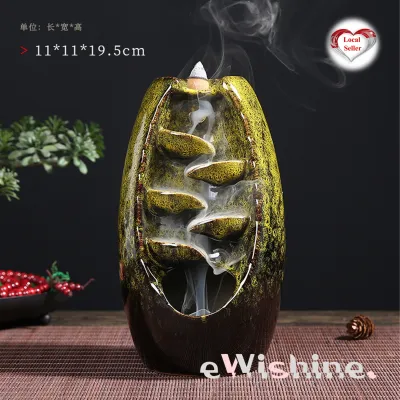
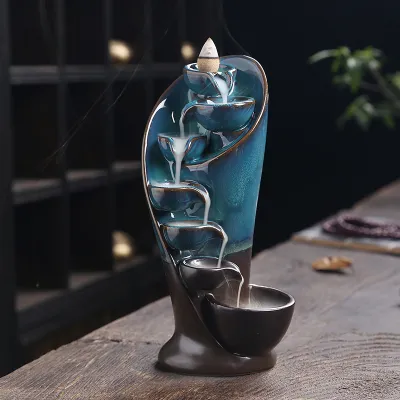
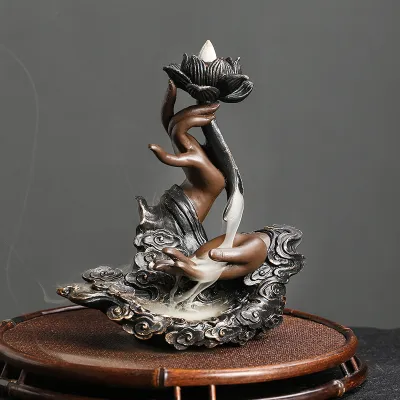
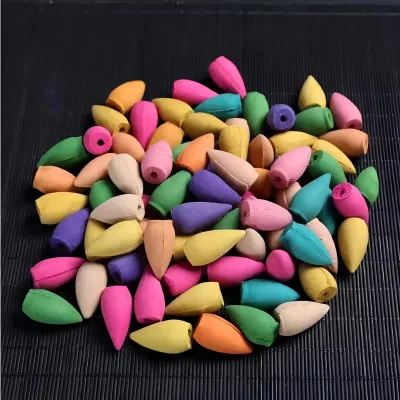
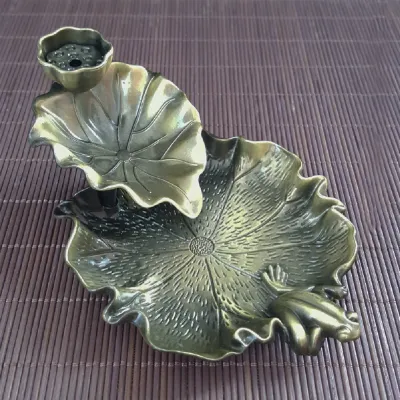
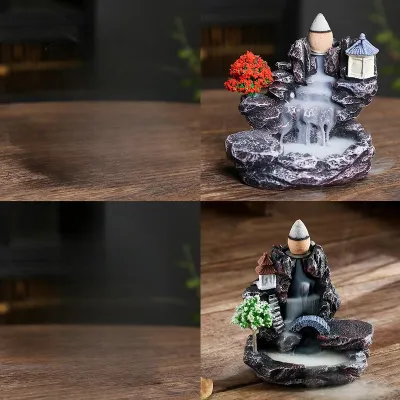
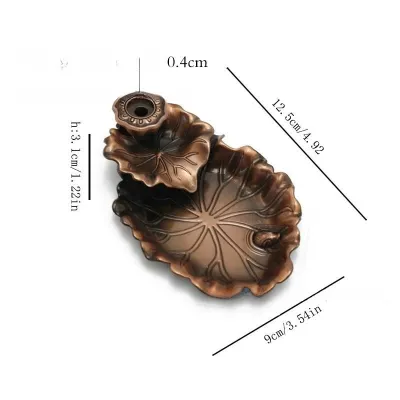
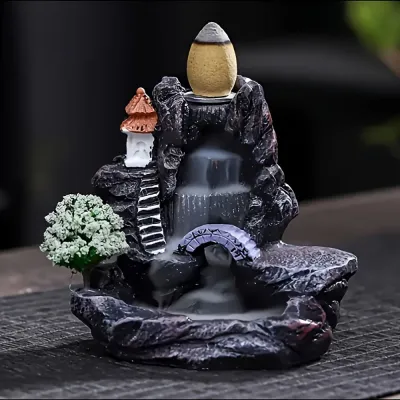
Prices are valid at publication and may change. Please refer to the product page for the latest price.
Backflow incense cones are manufactured with a hollow tunnel running vertically through the center, terminating in an opening at the flat base. As the cone burns down, the smoke is drawn into this central hollow channel rather than escaping directly into the room. Inside this enclosed space, the smoke cools down significantly. Because the cooled smoke contains heavy particulates and essential oil residues, it becomes denser than the warm air surrounding the outside of the cone. Gravity then pulls this heavy, dense smoke downward through the bottom hole.
For the waterfall effect to work, the burner itself must feature a corresponding hole directly beneath the platform where the cone sits. This hole connects to a series of molded channels, steps, or reservoirs that guide the descending smoke. Because the smoke behaves like a liquid under these conditions, any ambient airflow can easily disrupt the delicate stream. Even a slight draft from an open window, an air conditioning unit, or a ceiling fan can scatter the smoke, breaking the illusion of a cascading waterfall.
Key Factors for Choosing the Right Waterfall Incense Burner
When browsing online marketplaces, it is easy to be overwhelmed by the sheer variety of designs available. To narrow down your options, start by evaluating the physical space where you plan to place the burner. Compact tabletop pieces, usually measuring between 10 and 15 centimeters in height, are ideal for study desks, bedside tables, or small shelves. Larger centerpieces, which can exceed 20 centimeters, require a dedicated console table or sideboard where they can serve as a visual focal point.

Your existing home decor should also guide your aesthetic choice. Modern minimalist apartments pair well with sleek, geometric ceramic shapes or abstract designs that focus on clean lines. If your home features a more traditional or zen-inspired theme, you might prefer burners shaped like lotus blossoms, mountain ranges, flowing rivers, or meditating figures. The design should feel like a natural extension of your room rather than an out-of-place novelty.
Practical maintenance is another crucial consideration that buyers often overlook. As the smoke cascades down the burner, it leaves behind a sticky, oily residue containing tar and natural resins. Burners with integrated ash catchers, wide bases, or removable collection trays make post-use cleanup significantly easier. A well-designed base prevents the oily residue and falling ash from spilling onto your furniture, protecting your tabletops from stains and heat damage.
Finally, prioritize base stability to ensure safe operation. A top-heavy burner or one with a narrow, unstable base can easily tip over if accidentally bumped. This is a critical safety hazard in any home, but especially in households with active pets or young children. Look for designs with a low center of gravity and a broad, flat bottom that sits securely on flat surfaces.
Comparing Materials and Design Styles for Your Space
The material of your waterfall incense burner affects not only its visual appeal but also its durability, weight, and ease of cleaning. Ceramic and porcelain are the most popular materials for backflow burners, and for good reason. They offer exceptional heat resistance and are completely non-porous when glazed. This glazed surface prevents the oily tar residue from penetrating the material, allowing you to wipe it clean easily. However, ceramic is inherently fragile; it requires careful handling and can easily chip or shatter if dropped on hard flooring.
Resin and polyresin options provide an alternative for those seeking highly intricate, sculptural details. Because resin is molded, manufacturers can create complex, multi-tiered landscapes, detailed figurines, and fantasy designs that would be incredibly difficult to carve in stone or mold in clay. Resin burners are lightweight and highly resistant to impact damage, making them less likely to break during transit or if knocked over. However, buyers must verify the manufacturer’s heat tolerance specifications, as low-quality resins can warp, discolor, or emit unpleasant chemical odors when exposed to the high heat of a burning cone.
Natural stone and wood burners offer a grounded, organic aesthetic that appeals to lovers of rustic decor. Stone burners, often carved from soapstone or slate, are incredibly stable and durable, though they are heavy and can be difficult to move. Wood burners provide a warm, tactile feel but require strict safety checks. If you choose a wooden burner, ensure it features a metal, ceramic, or stone heat shield where the hot cone sits to prevent the wood from scorching or catching fire.
Beyond the material, the design of the smoke channels directly influences the visual behavior of the cascade. Burners with long, winding channels or multiple stepped tiers create a slow, dramatic, and highly defined smoke stream. Conversely, designs with direct vertical drops or simple basin pools create a faster, denser cloud of smoke that settles quickly at the base. Consider whether you prefer a dynamic, flowing stream or a calm, pooling mist when choosing your design.
Matching Backflow Cones to Your Burner
A waterfall incense burner is only as good as the cones you burn in it. To ensure a seamless experience, you must verify that the base diameter of your chosen incense cones matches the burner’s top platform. If the cone is too wide, it may sit unevenly, causing the smoke to leak from the sides rather than flowing down the central hole. A secure, gap-free fit is essential for maintaining the vacuum effect that pulls the smoke downward.
Different cones offer varying burn times and scent throws, depending on their size and the density of their ingredients. Standard backflow cones typically burn for 10 to 20 minutes, though larger jumbo cones can last longer. Keep in mind that because backflow cones are designed to produce thick, heavy smoke, they naturally have a higher density of oils and wood powders. This can result in a stronger, more concentrated scent throw than traditional stick incense, which may be overwhelming in small, unventilated rooms.
To minimize maintenance and protect your indoor air quality, look for cones made with natural ingredients, pure essential oils, and high-quality wood powders. Low-quality synthetic cones often contain cheap binders and artificial fragrances that produce a harsh, chemical smell and leave behind a heavy, stubborn tar residue. Natural cones burn cleaner, smell more authentic, and reduce the frequency of deep cleaning required to keep your burner’s channels clear.
Many waterfall burners sold online include a starter pack of mixed cones. While these are convenient for testing your new purchase, they are often basic, mass-produced varieties. It is highly recommended to plan ahead and purchase high-quality, natural backflow cones separately to ensure a pleasant aromatic experience and to protect your burner from excessive residue buildup.
Setup, Cleaning, and Safety Guidelines
To get the most out of your waterfall incense burner, proper setup and regular maintenance are essential. The golden rule of backflow incense is to place the burner in a completely draft-free zone. In Singapore’s tropical climate, this means keeping the burner away from open windows, direct air conditioning vents, and oscillating fans. Even the air movement created by walking past the burner too quickly can disrupt the delicate smoke stream, causing it to disperse into the air rather than cascade down the channels.
Regular cleaning is necessary to prevent the internal smoke channels from becoming blocked. Over time, the oily residue left by the smoke will harden into a sticky, yellowish tar. If this residue blocks the central hole or the guiding channels, the smoke will no longer flow downward. Clean the burner after every few uses by wiping the surfaces with a soft cloth dipped in warm, soapy water. For stubborn buildup in hard-to-reach channels, a cotton swab dipped in rubbing alcohol works wonders on ceramic and stone surfaces.
Fire safety must always be your top priority when burning incense. Always place your burner on a stable, heat-resistant surface, such as a ceramic tile, a stone coaster, or a metal tray. Never place the burner directly on varnished wood, plastic, or delicate textiles, as the heat from the base of the burning cone can cause permanent damage. Keep the burning incense far away from flammable materials like curtains, bedding, books, and loose paper, and never leave a burning cone unattended.
Periodically inspect your burner for any signs of wear or damage. If you notice structural cracks in a ceramic burner, or any signs of scorching, discoloration, or softening on resin or wooden components, stop using the burner immediately. Consult the manufacturer’s guidelines or replace the item to prevent potential safety hazards.
Shopping Strategies and Verification Checks for Online Orders
When shopping for fragile home decor items on local e-commerce platforms, a strategic approach can save you from disappointment. Start by using highly targeted search filters. Instead of searching for broad terms like “incense holder,” use specific keywords such as “ceramic backflow incense burner” or “waterfall incense holder with tray” to filter out irrelevant standard stick holders and find exactly what you need.
Because ceramic and stone burners are fragile, pay close attention to buyer reviews regarding packaging quality. Look for sellers who use thick bubble wrap, custom foam inserts, or sturdy cardboard boxes to protect the items during transit. High breakage rates in the review section are a clear red flag. Additionally, check user-uploaded photos in the reviews to verify the actual color, finish, and glaze quality, as promotional images are often highly edited or digitally rendered.
Never rely solely on promotional photos to judge the size of a burner. Sellers often use forced perspective or digital mockups that make a small tabletop burner look like a massive centerpiece. Always scroll down to the product description to verify the exact dimensions in centimeters. Measure your intended display space beforehand to ensure the burner will fit comfortably.
Finally, confirm the seller’s return and replacement policies before making a purchase. Even with excellent packaging, fragile items can occasionally arrive cracked or defective. Choosing a reputable seller with a clear, hassle-free return policy ensures you can easily request a replacement or a refund if your burner arrives damaged.
Frequently Asked Questions (FAQ)
Why is the smoke not flowing down the waterfall?
If the smoke from your backflow cone is rising instead of cascading downward, the most common culprit is ambient draft. Even an imperceptible breeze from an air conditioning unit, a ceiling fan, or an open window can disrupt the delicate balance of the smoke stream. Try moving the burner to a completely draft-free corner of the room.
Another possibility is that you are using standard incense cones instead of specific backflow cones. Standard cones do not have the hollow central channel required to draw the smoke downward. Lastly, check the burner’s top platform and internal channels; if the central hole is clogged with hardened tar or ash residue, the smoke will be blocked and forced to rise.
How do I clean the sticky residue from the burner?
The sticky, yellowish residue left behind by backflow incense is a natural byproduct of the oils and resins in the cones. To clean ceramic, porcelain, or stone burners, gently wipe the affected areas with a soft cloth or cotton swab dipped in rubbing alcohol or warm, soapy water. This will quickly dissolve the oily buildup without damaging the surface.
Avoid using abrasive scrubbers, steel wool, or harsh chemical cleaners, as these can scratch the protective glaze on ceramic or strip the paint from resin burners. For resin or painted wooden burners, always check the manufacturer’s care instructions before applying any liquid cleaners, as some solvents can degrade the finish. Regular cleaning after every three to four uses will prevent the residue from hardening and becoming difficult to remove.

Community discussion
Share your experience or ask a question. Comments are reviewed before publication.