
While many brands market waterless essential oil reed diffusers for their extended lifespan, actual longevity depends on the carrier base, essential oil concentration, and local environmental conditions rather than the brand name alone. Because formulation specifics and real-world evaporation rates vary widely, identifying the most long-lasting option requires looking beyond marketing claims. In Singapore’s unique climate—characterized by high relative humidity, warm ambient temperatures, and localized air-conditioning—the physical behavior of diffuser oils changes dramatically from one room to another.
To find a diffuser oil that offers sustained performance without depleting within a few weeks, you must evaluate the underlying chemistry of the product. This guide provides a structured framework to compare available options in Singapore based on verifiable product specifications, environmental adjustments, and cost-efficiency. By understanding how carrier solvents, oil concentrations, and ambient conditions interact, you can select a formulation that delivers consistent scent throw and maximum lifespan for your specific space.
How to Evaluate Longevity in Waterless Essential Oils
Evaluating the potential lifespan of a waterless essential oil diffuser before purchasing requires a close look at the ingredient list. The primary driver of evaporation speed is the carrier solvent used to dilute the aromatic compounds. Manufacturers use these solvents to control viscosity and volatility, ensuring the scent releases gradually rather than all at once. Common carrier bases include dipropylene glycol (DPG), isopropyl myristate (IPM), and triethyl citrate. When reviewing product labels, the presence of these slow-evaporating solvents indicates a formulation designed for sustained release over several months.
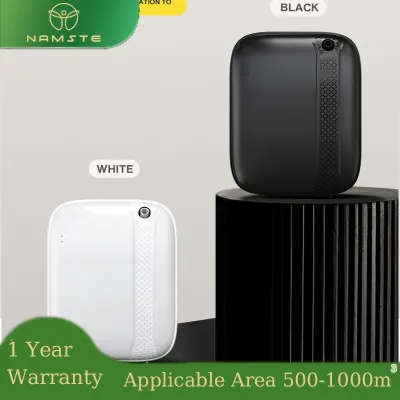
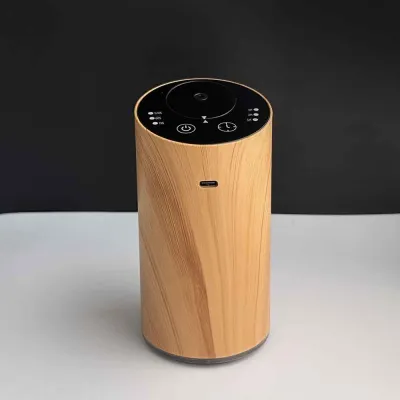
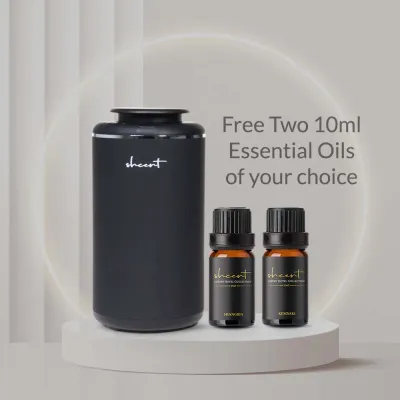
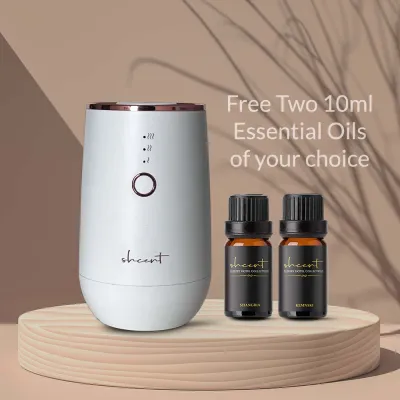
Products mentioned in this guide
![[Free Essential Oil] Aroma Matters - CarPro Waterless Diffuser/Air Freshener](https://img.lazcdn.com/g/p/1137bfc24977ff52a9d5562677d5a678.jpg_400x400q80.jpg_.webp)
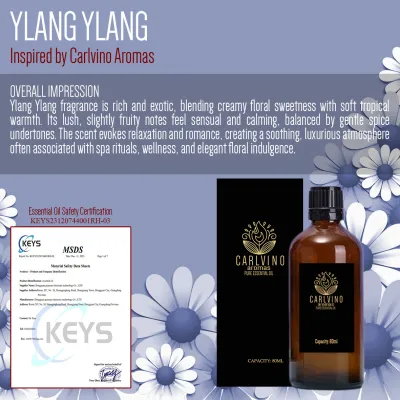
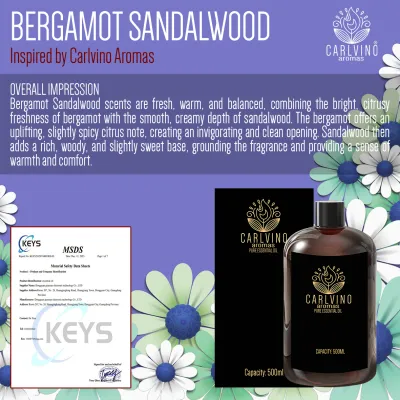
Prices are valid at publication and may change. Please refer to the product page for the latest price.
The ratio of pure essential oils to synthetic fragrance oils also plays a critical role in longevity. Pure essential oils are highly volatile natural compounds that evaporate at varying rates depending on their molecular weight. Light citrus oils, for example, dissipate much faster than heavy wood or resin oils. Synthetic fragrance oils, on the other hand, are chemically engineered for stability and tend to resist rapid degradation. If a product relies solely on highly volatile natural essential oils without a stabilizing carrier, it will likely deplete much faster than a synthetic or blended alternative.
Finally, while packaging often displays an estimated lifespan—such as “lasts up to 12 weeks”—these figures are typically derived from controlled laboratory environments. These tests are generally conducted at a constant temperature of 20°C to 22°C with moderate humidity and minimal airflow. Because these conditions rarely match the reality of a home in Singapore, you should treat these manufacturer estimates as baseline references rather than absolute guarantees. A larger volume, such as a 200ml bottle, naturally provides a longer runway, but the formulation quality remains the ultimate deciding factor.
Environmental Factors Affecting Diffuser Lifespan in Singapore
The indoor climate of your home or office in Singapore is one of the most influential factors governing how quickly a waterless diffuser oil evaporates. In air-conditioned spaces, such as bedrooms or offices, the air is typically cool and dry. This low-humidity environment slows down the kinetic energy of the oil molecules, reducing the rate of capillary action through the reeds. While this preservation effect extends the physical lifespan of the oil, the cooler air can also mute the top notes of the fragrance, resulting in a weaker perceived scent throw.

Conversely, in non-air-conditioned spaces like living rooms, kitchens, or bathrooms, high humidity and warm ambient temperatures accelerate evaporation. The heat increases molecular movement, causing the carrier oil and aromatic compounds to travel up the reeds and disperse into the air at a rapid pace. Under these conditions, a bottle of waterless essential oil that might last three months in a temperate climate can easily deplete in half that time. The high moisture content in the air can also affect how the reeds absorb the oil, sometimes leading to premature saturation.
Air circulation and light exposure further complicate this dynamic. Placing a reed diffuser directly in the path of a ceiling fan, standing fan, or air-conditioning vent drastically increases the rate of evaporation by constantly stripping the scent molecules from the top of the reeds. Similarly, exposure to direct sunlight through windows raises the temperature of the glass bottle and the oil inside. UV radiation also breaks down the delicate chemical structures of natural essential oils, which can alter the scent profile and cause the liquid to discolor or thicken prematurely.
Comparing Formulations and Carrier Bases
Understanding the chemistry of waterless diffuser oils allows you to make informed comparisons between different products on the market. Commercial brands often utilize synthetic carrier bases engineered specifically for maximum longevity and consistent scent dispersion. These synthetic carriers are highly stable, do not easily oxidize when exposed to air, and maintain a consistent viscosity over time. This ensures that the capillary action of the reeds remains steady from the first day of opening until the bottle is empty.
In contrast, some natural or organic brands use plant-derived carrier oils, such as fractionated coconut oil, sweet almond oil, or safflower oil. While these natural carriers appeal to eco-conscious consumers, they present distinct performance trade-offs. Natural oils are generally thicker and have a higher viscosity than synthetic solvents, which can slow down the rate at which they climb the reeds. Furthermore, natural carrier oils are highly susceptible to oxidation when exposed to oxygen and light. Over time, this oxidation process can cause the oil to become sticky, clog the reeds, and develop a rancid off-odor that ruins the fragrance.
When evaluating these products, it is also essential to deconstruct the “waterless” marketing claim. In some cases, “waterless” simply means the formulation does not contain water or alcohol as a diluent, relying instead on a high concentration of carrier oils. In other cases, it may imply a proprietary, slow-release blend designed to maximize scent throw without rapid evaporation. A true waterless formulation should feel slightly oily to the touch and resist rapid drying when exposed to air, indicating a low-volatility base that will sustain the fragrance over a longer period.
Cost vs. Longevity: Building Your Comparison Matrix
To determine the true value of different waterless diffuser oils available in Singapore, you should establish a simple cost-per-week comparison matrix rather than relying solely on the upfront retail price. To do this, divide the retail price in S$ by the volume of the bottle in milliliters to find the cost per milliliter. Next, use the manufacturer’s estimated lifespan to calculate the projected weekly cost. For example, a S$60 bottle containing 100ml of oil with an estimated lifespan of 10 weeks costs S$0.60 per milliliter, or S$6.00 per week of continuous fragrance.
However, this calculation must also account for the hidden cost of replacement reeds. Over time, reed sticks—whether made of traditional rattan, porous fiber, or synthetic polymers—become clogged with dust, microscopic airborne particles, and heavy oil residue. When the microscopic channels in the reeds become blocked, the capillary action stops, and the scent throw disappears, even if the bottle is still half-full of oil. To maintain optimal performance, you will need to replace the reeds every four to six weeks. If a brand does not include extra reeds with their refills, you must factor the cost of purchasing compatible reeds separately into your overall budget.
When building your comparison matrix, consider creating a simple checklist that weighs the upfront price against the expected lifespan, scent intensity, and refill availability. Many premium brands offer concentrated refill bottles at a lower price point than the initial starter set, which includes the decorative glass vessel. Opting for brands that sell bulk refills allows you to reuse your existing glassware, significantly lowering your long-term cost per milliliter while reducing packaging waste.
Decision Framework: Choosing the Right Diffuser Oil
Selecting the right waterless essential oil formulation requires balancing your specific room conditions against your personal fragrance priorities. If your primary goal is to maximize the lifespan of the diffuser in a warm, well-ventilated room with open windows, you should prioritize formulations with slow-evaporating synthetic carrier bases and heavy base notes, such as sandalwood, cedarwood, amber, or patchouli. These heavy molecules resist rapid evaporation, ensuring the diffuser lasts as long as possible, even if the scent throw is confined to the immediate vicinity of the bottle.
If you are placing the diffuser in a heavily air-conditioned space where you require a strong, room-filling scent throw, you should choose formulations with a higher concentration of essential oils or lighter carrier bases. The cool, dry air of the air-conditioning will naturally slow down the evaporation rate of these lighter formulations, allowing you to enjoy a robust fragrance profile without depleting the bottle too quickly. In this scenario, fresh, floral, or citrus notes can perform exceptionally well without being overwhelmed by a heavy carrier scent.
Before making your final purchase, always verify the contents of the packaging. Check whether the product includes high-quality fiber reeds, which are highly effective compared to traditional rattan reeds for waterless formulations due to their engineered, uniform pore structure. If the brand does not supply them, ensure you source compatible waterless reeds separately. By matching the oil formulation to your specific indoor environment and maintaining the reeds properly, you can maximize both the longevity and the sensory value of your investment.
Frequently Asked Questions (FAQ)
Do waterless essential oils really last longer than alcohol-based diffusers?
Yes, waterless essential oil formulations generally last significantly longer than alcohol-based alternatives. Alcohol, such as ethanol or isopropyl alcohol, is highly volatile and has a very low boiling point, causing it to evaporate rapidly into the air. While this creates an immediate and powerful burst of fragrance, it also causes the diffuser liquid to deplete quickly. Waterless formulations utilize glycol or oil-based carriers with much lower vapor pressures, which slow down the rate of evaporation and release the scent gradually over a much longer period, though the exact lifespan remains dependent on ambient room temperatures.
How often should I flip the reeds in a waterless diffuser?
You should consult the manufacturer’s specific instructions, but as a general rule, flipping the reeds once every one to two weeks is sufficient for waterless formulations. Flipping the reeds too frequently in a warm, humid Singaporean environment exposes wet oil to the air constantly, which accelerates evaporation and shortens the lifespan of the product. Conversely, never flipping the reeds can lead to dust accumulation and clogged pores, which stops the scent from dispersing. Only flip the reeds when you notice the fragrance intensity has significantly diminished, and always wash your hands or use a tissue to avoid direct skin contact with the concentrated oil.

Community discussion
Share your experience or ask a question. Comments are reviewed before publication.