
To survive Singapore’s sudden tropical downpours and persistent high humidity, a solar ball light requires a robust ingress protection rating. At a minimum, look for an IP65 rating for general garden use, while an IP67 rating is highly recommended for ground-level placements where water tends to pool during heavy monsoons. Choosing the correct rating ensures your outdoor decor remains functional and safe throughout the wet seasons.
Understanding IP Ratings for Outdoor Lighting
The Ingress Protection (IP) rating system is an international standard that defines how effectively an electrical enclosure seals against solids and liquids. This rating consists of two digits, each representing a specific level of protection. Understanding these numbers allows you to look past generic marketing terms and evaluate the actual durability of a solar ball light.
The first digit ranges from 0 to 6 and indicates protection against solid particles like dust, dirt, and insects. For outdoor garden lights, a rating of 5 or 6 is standard, ensuring that fine soil particles and small bugs cannot enter the housing and disrupt the internal circuitry.
Products mentioned in this guide
![[SG Seller] Garden Solar Lights Outdoor Glass Jar Ball Solar Lights Waterproof Warm White LED Solar](https://img.lazcdn.com/g/p/f2a7e15a589158d5529534bac20c4452.jpg_400x400q80.jpg_.webp)
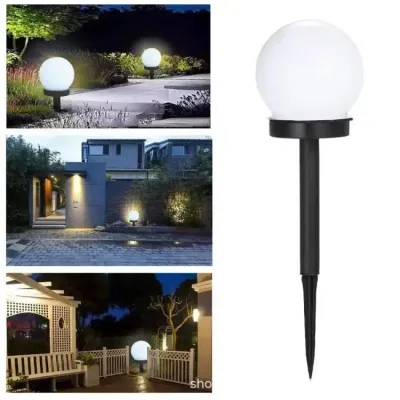
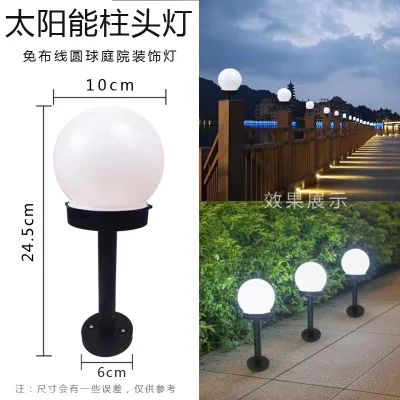
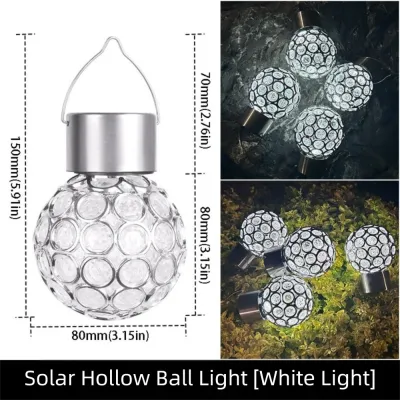
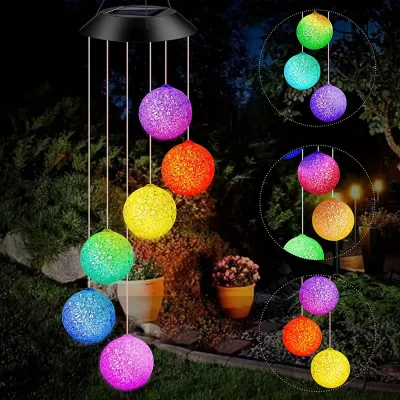
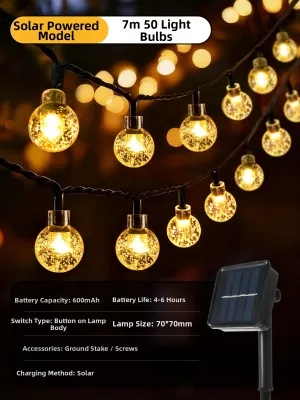
Prices are valid at publication and may change. Please refer to the product page for the latest price.
The second digit, ranging from 0 to 9K, measures resistance to moisture and water ingress. Common outdoor ratings include IP44, IP65, IP66, and IP67. An IP44 rating offers basic splash protection, making it suitable for sheltered areas but vulnerable to heavy downpours. IP65-rated lights can withstand low-pressure water jets from any angle, which covers most typical rainstorms. IP66 provides protection against powerful water jets, while IP67 indicates the light can survive temporary immersion in water up to one meter deep.
Choosing the Right IP Rating for Singapore's Rain
Singapore’s tropical climate is characterized by high humidity and frequent, intense rainfall that can quickly saturate outdoor spaces. Standard garden lights that perform well in milder climates often fail here due to the sheer volume of water delivered during a single afternoon monsoon. Matching the IP rating to the specific location of your solar ball light is crucial for its survival.
For elevated or hanging installations, such as lights suspended from tree branches or placed on high patio ledges, water drains away rapidly. In these positions, an IP65 rating is generally sufficient to protect the internal components from direct, wind-driven rain.
Ground-level placements, such as lawn borders, flowerbeds, or pathway edges, face a much higher risk of water accumulation. During heavy downpours, water can pool on the ground faster than the soil can absorb it, temporarily submerging the base of the light. For these vulnerable spots, choosing an IP67-rated solar ball light provides the necessary protection against temporary submersion, preventing water from seeping through the bottom seals.
Always verify the manufacturer’s official specifications and certification documents rather than relying on vague “waterproof” labels on the packaging. Legitimate products will clearly state their tested IP rating on the product label or user manual, giving you a reliable benchmark for placement.
Beyond the IP Rating: Material and Build Checks
While a high IP rating is essential, the physical materials and overall construction of the solar ball light dictate how well it withstands Singapore’s intense UV exposure and humidity over time. Even a highly waterproof seal can fail if the surrounding structure degrades under the sun.
Constant exposure to strong sunlight can cause low-quality plastics to yellow, become brittle, and eventually crack. Look for lights constructed from UV-stabilized polycarbonate, heavy-duty acrylic, or thick glass. These materials maintain their structural integrity and clarity, ensuring the light output remains bright and the protective shell does not fracture.
The internal battery compartment and external fasteners require careful inspection. High humidity can accelerate corrosion, so prioritize lights that feature silicone gaskets around the battery compartment and use rust-resistant hardware, such as stainless steel screws.
Additionally, examine the integration of the solar panel. In many solar ball lights, the solar panel is embedded directly into the top of the sphere. The seam where the panel meets the outer shell is a primary entry point for moisture. Ensure this junction is sealed with a high-quality, continuous silicone bead or integrated molding to prevent water from bypassing the outer shell.
Installation and Maintenance for Long-Term Waterproofing
Proper installation is key to preserving the factory-sealed waterproofing of your solar ball light. When assembling the light or replacing its rechargeable batteries, strictly follow the manufacturer’s instructions regarding the alignment of sealing rings. A misplaced or twisted O-ring can create a microscopic gap that allows humid air and rainwater to penetrate the housing.
When tightening screws on the battery cover or base, apply even pressure without overtightening. Overtightening can warp the plastic housing or strip the screw threads, permanently compromising the waterproof seal.
Perform routine visual checks every few months to monitor the condition of your lights. Look for signs of dirt, algae, or garden debris blocking the drainage paths around the base of the light, as standing water can degrade the seals prematurely.
If you notice a compromised seal, deep cracks in the outer shell, or severe internal corrosion, stop using the light immediately. For low-voltage solar lights, DIY repairs on damaged seals are rarely effective long-term; it is safest to consult the manufacturer for replacement parts or replace the unit entirely to ensure safe outdoor operation.
Frequently Asked Questions (FAQ)
Can I leave solar ball lights outside during a thunderstorm?
While solar ball lights with an IP65 or IP67 rating are designed to withstand heavy rain, severe thunderstorms present additional risks. Strong winds can throw debris that might crack the outer shell, and lightning strikes can damage sensitive solar electronics. If a severe weather warning is issued, it is best to temporarily store the lights in a sheltered indoor area to prevent physical damage.
What should I do if I see condensation inside the solar ball?
Condensation inside the sphere indicates that the waterproof seal has been compromised, allowing humid air to enter. Turn off the light if possible, bring it indoors to a dry environment, and carefully open the housing to let the internal components air dry completely. Inspect the rubber gaskets for cracks, dirt, or misalignment before reassembling, and check if the issue is covered under the manufacturer’s warranty.

Community discussion
Share your experience or ask a question. Comments are reviewed before publication.