
Singapore’s tropical climate brings intense monsoon seasons, sudden afternoon downpours, and persistent high humidity. For outdoor lighting like a solar light clip, surviving these conditions requires a robust physical barrier against moisture and dust. To ensure your fixtures continue to illuminate your garden or balcony without short-circuiting, understanding the Ingress Protection (IP) rating is essential. A minimum rating of IP65 is generally required to withstand heavy tropical rain, while IP66 offers enhanced durability against intense, wind-driven storms.
Decoding IP Ratings for Outdoor Solar Lights
The Ingress Protection (IP) rating is an international standard that classifies the degree of protection provided by mechanical casings and electrical enclosures. It is represented by two digits, each indicating a specific level of resistance. Understanding this code allows you to look past marketing claims and evaluate a product’s actual physical capabilities.
The first digit, ranging from 0 to 6, measures protection against solid objects, dust, and accidental contact. In an outdoor garden environment, this rating is highly relevant for keeping out fine soil particles, windblown debris, and small insects that might seek warmth inside the light housing. A rating of 5 or 6 means the enclosure is dust-protected or entirely dust-tight, preventing particles from interfering with the internal circuitry.
Products mentioned in this guide
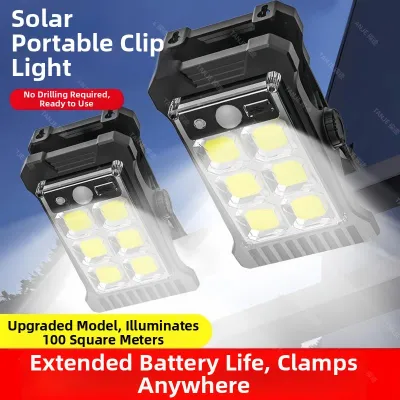
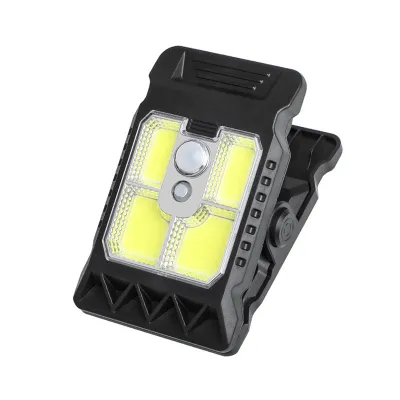
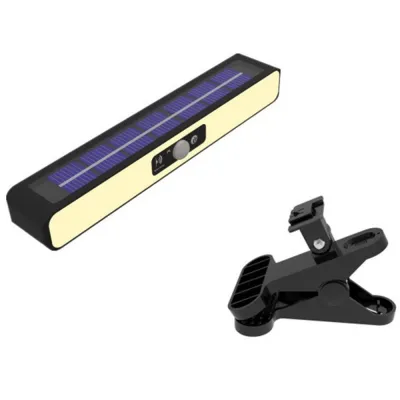
Prices are valid at publication and may change. Please refer to the product page for the latest price.
The second digit, ranging from 0 to 9, indicates the level of protection against water ingress. This is the primary focus when selecting a solar light clip to survive heavy rain. The scale is non-linear, meaning a higher number represents protection against increasingly intense water pressure and volume, rather than just a longer duration of exposure.
Occasionally, you may see an “X” in place of the first digit, such as IPX5. This indicates that the product has not undergone official testing for solid particle ingress, often because the manufacturer prioritized water-resistance certification. It does not mean the fixture has zero dust protection, but rather that its solid-object resistance is unrated.
Matching Waterproof Levels to Heavy Rain and High Humidity
When selecting a solar light clip for Singapore’s climate, matching the waterproof rating to local weather patterns is crucial. Light rain and occasional splashes are covered by lower ratings like IPX4. However, IPX4 fixtures are only suitable for highly sheltered areas, such as covered patios or deep balconies, where direct rainfall cannot reach the unit.

For open garden areas, pathways, or fences exposed to the elements, you must look for a minimum of IPX5. An IPX5 rating certifies that the fixture can withstand water projected by a nozzle from any direction. This level of protection is typically sufficient to handle standard tropical downpours without water penetrating the outer casing.
For areas prone to severe monsoon storms with strong winds, IPX6 is highly recommended. IPX6-rated fixtures are tested against powerful water jets, ensuring that wind-driven rain cannot force its way through the seams of the housing. This extra layer of protection is ideal for exposed perimeter walls or high-mounted clips that receive the full force of the weather.
Beyond liquid rain, Singapore’s persistent high humidity presents a silent threat to outdoor electronics. High relative humidity can lead to internal condensation if a fixture is not completely sealed. When warm, humid air enters a poorly sealed casing during the day, it cools down at night, turning into water droplets directly on the circuit board. A fully sealed enclosure rated IP65 or higher helps prevent this moisture exchange, protecting the internal rechargeable battery, LED driver, and wiring from gradual corrosion.
It is also important to note that a solar light clip often consists of two distinct parts: the light housing and the solar panel. In some designs, these components are integrated, while in others, they are connected by an external wire. You must verify the IP rating of both parts, as a highly waterproof light housing will still fail if the solar panel’s casing leaks and degrades the charging system.
Verifying Weather Resistance on Product Labels and Listings
When shopping for outdoor lighting on online marketplaces or at local retail stores, it is easy to be misled by vague marketing terms. Labels such as “waterproof,” “weather-resistant,” or “all-weather” carry no standardized technical meaning. Always prioritize products that explicitly state an official IP rating in their technical specifications.
Before purchasing, review the manufacturer’s warranty terms carefully. High-quality outdoor lighting brands often provide clear guidelines on what their warranty covers, including water damage. If a warranty explicitly excludes water ingress or voids coverage under heavy rain conditions, it is a strong indicator that the product may not be built to withstand intense tropical climates.
Additionally, look for relevant electrical safety certifications on the battery and charging components. While an IP rating measures physical protection against water and dust, it does not replace basic electrical safety standards. Ensure the product complies with local safety marks, especially if the solar light clip features an alternative USB charging port or utilizes high-capacity lithium-ion batteries. Verify the voltage, base interface, and wattage limits specified by the manufacturer to ensure safe operation.
When your product arrives, perform a thorough physical inspection before installing it. Look for design cues that indicate high-quality weatherproofing, such as thick, flexible rubber gaskets around the battery compartment and charging ports. Check that the seams of the plastic or aluminum housing are tightly sealed and free of gaps. A secure, snug-fitting rubber cap over the power switch is also essential to prevent water from creeping into the internal electronics.
Installation and Maintenance Boundaries for Wet Climates
Proper installation is key to maximizing the lifespan of your solar light clip. Always follow the manufacturer’s installation instructions regarding mounting angles and surface compatibility. Position the lights in areas where water does not pool or accumulate. Avoid clipping them to low-hanging branches that dip into puddles, or near gutter downspouts where high-velocity water can overwhelm the seals. If installing fixtures at height or near damp areas, ensure proper power isolation if any auxiliary wiring is used, and follow safe installation boundaries.
Maintenance should be performed with care to avoid damaging the protective seals. Over time, dust, dirt, and organic debris will accumulate on the solar panel, reducing its ability to absorb sunlight. Clean the panel regularly using a soft, damp cloth. Never use a high-pressure garden hose or pressure washer to clean the fixture, as the force of the water can easily exceed the limits of an IP65 rating and force moisture past the rubber gaskets.
Finally, establish a clear stop condition for your outdoor lights. If you observe condensation or water droplets trapped inside the lens, if the light begins to flicker erratically, or if the outer casing develops cracks, immediately discontinue use. Water ingress can cause the internal battery to short-circuit, swell, or fail, posing a potential safety hazard. Replacing a compromised fixture promptly ensures your outdoor space remains safe and well-lit.
Frequently Asked Questions (FAQ)
Can I leave solar clip lights outside during a severe thunderstorm?
Standard outdoor IP ratings like IP65 or IP66 are designed to protect fixtures against heavy rain and wind-driven showers. However, they are not designed to withstand complete submersion or extreme physical impacts from flying debris. During severe weather warnings or localized flooding events, it is safest to temporarily unclip the lights and store them indoors to prevent physical damage and avoid exposing the seals to extreme water pressures.
Does a higher IP rating guarantee a longer battery life?
A higher IP rating prevents water damage and moisture-induced short circuits, which indirectly preserves the battery’s lifespan. However, it does not guarantee a longer battery life on its own. Battery longevity is primarily determined by heat exposure, the number of charge-discharge cycles, battery chemistry, and proper solar charging. In hot tropical climates, keeping the solar panel clean and ensuring the fixture is not exposed to extreme ambient heat is just as critical as having a waterproof seal.

Community discussion
Share your experience or ask a question. Comments are reviewed before publication.