
Selecting the right solar light outdoor fixture requires looking past vague marketing terms like “weatherproof” and focusing on the Ingress Protection (IP) rating. This standardized two-digit code tells you exactly how well a fixture’s housing prevents solid particles and liquids from damaging the internal electrical components. By matching this rating to your specific garden, patio, or driveway layout, you can avoid premature product failure and ensure your lighting remains safe and functional throughout the year.
In tropical climates like Singapore, where sudden downpours and high humidity are common, understanding these ratings is even more critical. A light placed under a covered balcony requires far less protection than a path light installed directly in a lawn prone to temporary water pooling. Taking a few minutes to decode the IP rating on the packaging ensures you invest in fixtures built to survive their intended environment.
Decoding the IP Code on Your Solar Light Packaging
The IP code consists of the letters “IP” followed by two distinct numbers, each representing a specific level of protection. The first digit measures resistance against solid objects, such as dust, dirt, and accidental contact. This scale runs from 0 (no protection) to 6 (complete dust-tight protection). For a solar light outdoor setup, a solid ingress rating of 5 or 6 is ideal because it prevents fine soil particles and insects from entering the battery compartment and degrading the solar panel connections.
Products mentioned in this guide
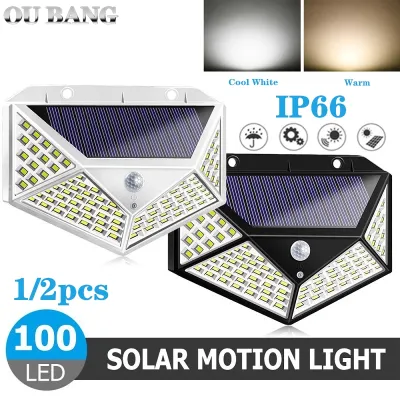
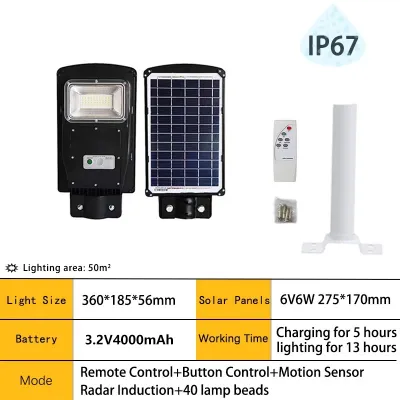
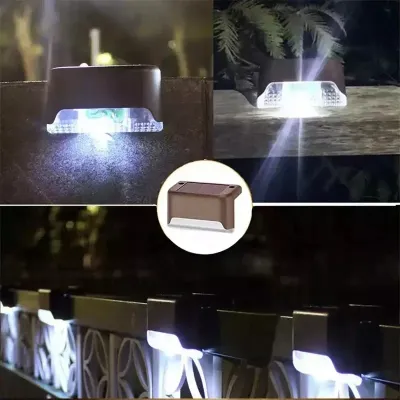
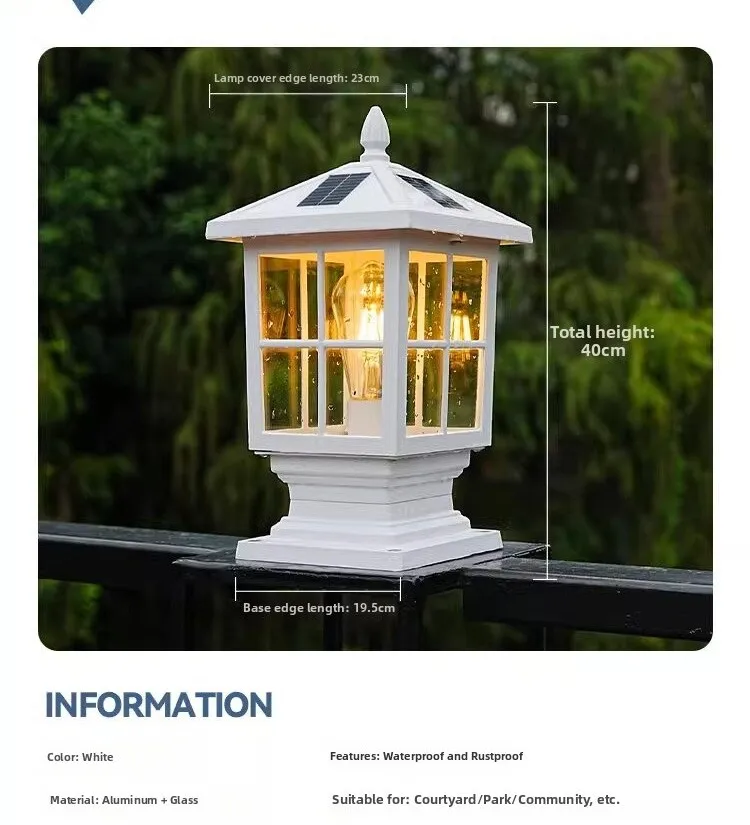
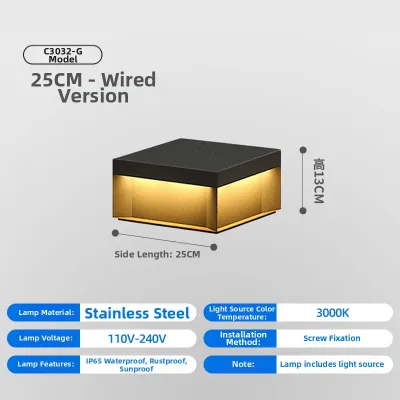
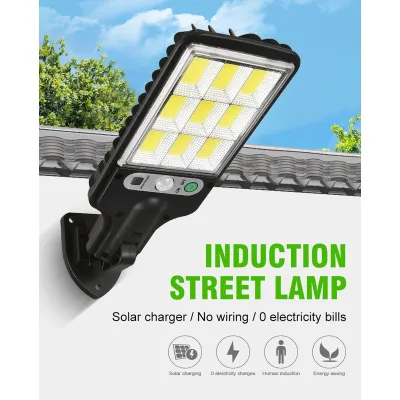
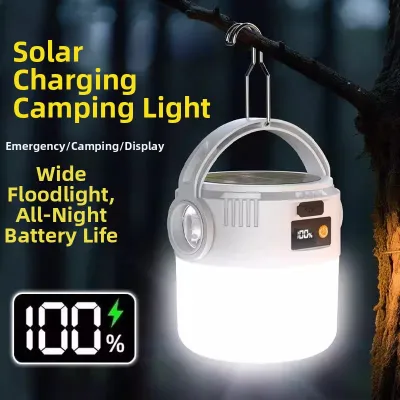
Prices are valid at publication and may change. Please refer to the product page for the latest price.
The second digit measures liquid ingress, indicating how well the enclosure resists water. This scale ranges from 0 to 9K, though most residential outdoor lighting falls between 4 and 8. A lower liquid rating means the light can only handle light vertical drips, while mid-range ratings protect against splashing or low-pressure water jets. The highest consumer ratings indicate the fixture can withstand high-pressure jets or complete submersion in water.
While it is tempting to assume a higher number is always better, it is important to verify the exact IP code on the manufacturer’s specification sheet. Do not rely solely on generic product titles or promotional descriptions on online marketplaces. Checking the official specifications ensures the fixture has undergone standardized testing to verify its actual level of protection.
Matching Water Resistance to Your Garden Placement
Choosing the right water resistance level depends entirely on where you plan to install your solar light outdoor fixtures. Instead of overpaying for maximum protection everywhere, you can optimize your budget by assessing the specific exposure risks of each zone. Factors like overhead shelter, proximity to automatic sprinkler systems, and local drainage patterns should dictate your minimum rating requirements.

Sheltered and Semi-Exposed Zones
Sheltered areas include covered patios, balconies, carports, and deep roof eaves. These locations are partially protected from direct overhead rainfall, but they are still exposed to ambient humidity, morning condensation, and wind-blown mist.
For these semi-protected spots, a solar light outdoor fixture generally requires a minimum liquid rating of 4 (IPX4). This level of protection ensures that water splashing against the enclosure from any direction will have no harmful effects. It provides sufficient defense against typical outdoor moisture without requiring the heavy-duty, more expensive sealing technologies found in fully exposed fixtures.
Fully Exposed and Ground-Level Zones
Fully exposed zones include open lawns, garden pathways, flower beds, and driveways. Fixtures installed in these areas have no overhead protection and must withstand direct, heavy tropical downpours.
Ground-level path lights face the additional risk of standing water and mud splashes during intense storms. For these locations, look for a minimum liquid rating of 5 or 6 (IPX5 or IPX6), which protects against low- and high-pressure water jets. If your garden beds are prone to temporary water pooling after heavy rain, choosing a fixture rated IP67 is highly recommended, as it protects the internal electronics during temporary immersion.
High-Moisture and Water Feature Zones
High-moisture zones are areas directly adjacent to garden ponds, swimming pools, water fountains, or active irrigation sprinklers. These environments present a constant risk of continuous splashing, high humidity, and accidental submersion.
If a solar light outdoor fixture is installed where it might fall into a pond or be subjected to regular high-pressure spray from a sprinkler, it must carry a liquid rating of 7 or 8 (such as IP67 or IP68). An IP67 rating allows the fixture to survive temporary immersion in water up to one meter deep, while IP68 indicates suitability for continuous submersion under specified conditions. Always consult the manufacturer’s guidelines for safety clearances and installation instructions when placing electrical fixtures near swimming pools or water features.
For any installations involving fixed wiring, damp areas, or work at height, always prioritize safety by isolating the power supply and following the manufacturer’s installation instructions. If the setup requires connecting to your home’s main electrical grid, consult a qualified professional to ensure compliance with local electrical safety standards.
Beyond the IP Rating: Seals, Maintenance, and Wear
An IP rating is only as good as the physical integrity of the fixture itself. When you purchase a new solar light outdoor unit, inspect the physical condition of the rubber seals, gaskets, and battery compartment covers before installation. Any misalignment, tearing, or debris on these seals can allow moisture to bypass the protective housing, rendering the IP rating ineffective.
Routine maintenance can also inadvertently compromise your light’s water resistance. If you open the battery compartment or solar panel housing to replace rechargeable batteries or clean internal contacts, you must reseal the unit carefully. Ensure the rubber gaskets are seated perfectly in their grooves and all screws are tightened evenly according to the instruction manual to maintain the factory-rated seal.
Over time, exposure to intense sunlight and temperature fluctuations can degrade plastic housings and dry out rubber seals. Regularly wipe the solar panels clean of dirt, leaves, and bird droppings to maintain charging efficiency. While cleaning, check the housing for physical cracks or loose joints that could allow water to seep inside, and replace damaged seals promptly to extend the lifespan of your outdoor lighting.
Frequently Asked Questions (FAQ)
Can I leave my outdoor solar lights out during heavy tropical storms?
While high-quality outdoor solar lights are designed to withstand rain, extreme weather events like tropical storms or monsoons present unique challenges. These storms often bring high-velocity winds that can drive water into seals at pressures exceeding standard IP testing conditions, or cause physical damage from flying debris. If severe weather warnings are issued, it is safest to temporarily store your lights indoors or check the manufacturer’s guidelines regarding extreme weather limits to prevent physical damage or water ingress.
Does a higher IP rating mean the solar light will last longer?
A higher IP rating indicates superior protection against dust and water ingress, which directly prevents premature electrical failure caused by moisture. However, it does not guarantee a longer overall product lifespan. The longevity of a solar light outdoor fixture also depends on battery health, solar panel degradation, and the UV resistance of the plastic housing. When choosing a light, evaluate the warranty terms, material build quality, and battery replacement options alongside the IP rating to ensure a durable investment.

Community discussion
Share your experience or ask a question. Comments are reviewed before publication.