
When planning a solar lantern outdoor setup to illuminate your garden, patio, or balcony, understanding Ingress Protection (IP) ratings is the single most important step to ensure your lighting survives. Singapore’s tropical climate brings intense heat, high humidity, and sudden, heavy downpours that can easily ruin poorly sealed electronics. An IP rating provides a standardized, objective measure of how well a lantern’s housing protects its internal electrical components from dust, debris, and water. By learning how to decode these numbers, you can select a solar lantern that matches your specific outdoor environment, saving you from premature product failures and unnecessary replacement costs.
Decoding the IP Rating Numbers for Garden Lights
The term “IP” stands for Ingress Protection, a global standard used to define the sealing effectiveness of electrical enclosures. Every official IP rating is followed by two digits, each representing a distinct level of protection. The first digit, ranging from 0 to 6, indicates protection against solid particles such as dust, dirt, and accidental contact. For outdoor garden lights, a solid protection rating of 4 or higher is typical, ensuring that small insects and dirt particles cannot easily enter the housing and disrupt the wiring.
The second digit, which ranges from 0 to 9, measures protection against liquids. This second number is the primary decision factor when choosing a solar lantern outdoor fixture for wet climates. Because of frequent, heavy rainfall, a low liquid protection rating will almost certainly lead to water ingress, short circuits, and battery failure.
Products mentioned in this guide
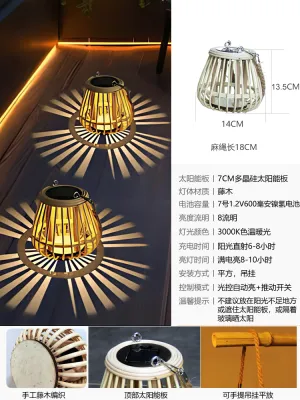
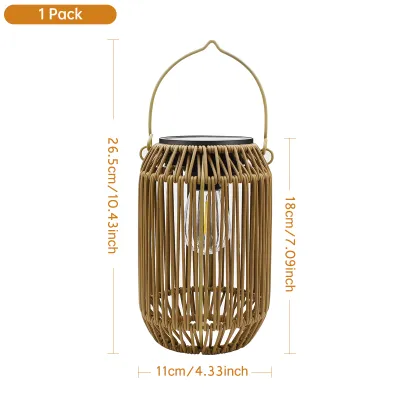
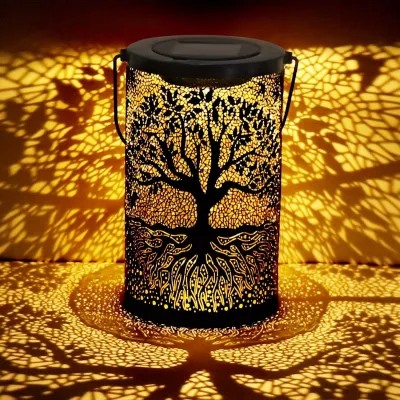
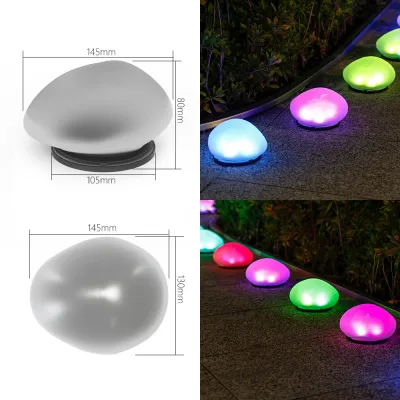
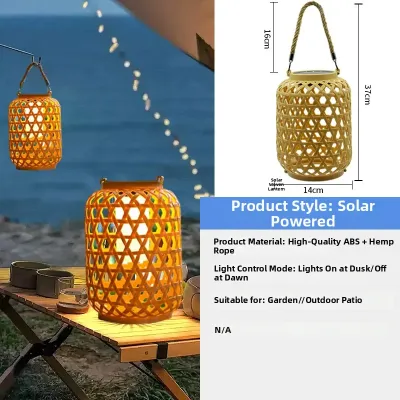
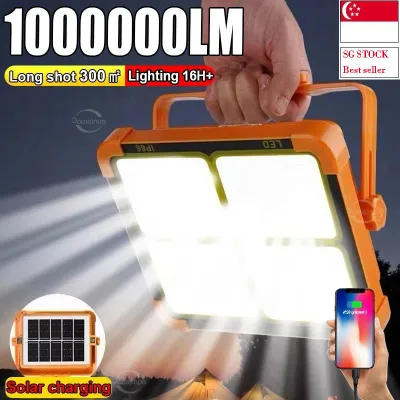
Prices are valid at publication and may change. Please refer to the product page for the latest price.
When shopping, always look for the official IP code on the product packaging, user manual, or technical specification sheet. Generic marketing terms like “waterproof,” “weather-resistant,” or “rainproof” are not regulated and can be highly misleading. A truly weatherproof solar lantern will explicitly state its tested IP rating, such as IP44, IP65, or IP67, giving you a reliable baseline for its durability.
Matching IP Ratings to Your Outdoor Installation Spots
Not every corner of your outdoor space requires the same level of weatherproofing. Matching the IP rating of your solar lantern outdoor fixture to its specific installation spot ensures long-term performance without overspending.

For fully exposed areas, such as open lawns, uncovered garden pathways, or fence tops, your lanterns will bear the full brunt of tropical downpours. These spots require a high level of water resistance. Look for fixtures rated at least IP65 or IP66. An IP65 rating means the lantern is completely dust-tight and can withstand water jets projected from any direction, making it highly capable of handling intense monsoon rains.
Semi-sheltered areas, such as covered balconies, pergolas, or under the eaves of your roof, offer some physical protection from direct rainfall. In these locations, a moderate rating like IP44 is often sufficient. The first digit protects against solid objects larger than 1 millimeter, while the second digit protects against water splashing from any angle. While these fixtures can handle light splashes and high ambient humidity, they should not be placed where water can pool or where heavy rain can blow in sideways.
Additionally, consider localized water risks in your garden layout. If your solar lanterns are placed near automatic lawn sprinklers, they will be subjected to pressurized water sprays, requiring at least an IP65 rating. You must also avoid placing low-rated lanterns in ground-level depressions or garden beds prone to temporary puddling, as standing water can quickly submerge the base and bypass basic splash-proof seals.
Beyond the IP Rating: Other Weatherproofing Checks
While an IP rating is an excellent indicator of water and dust resistance, it does not cover all environmental challenges. To ensure your solar lantern outdoor investment lasts for years in a tropical climate, you must evaluate other material and design specifications.
First, check the material construction for UV resistance and rust prevention. Constant exposure to intense tropical sunlight can degrade cheap plastics, causing them to become brittle, crack, and eventually compromise the water seal. Look for UV-stabilized polycarbonate or heavy-duty metals like powder-coated aluminum, brass, or high-grade stainless steel. Untreated iron or low-quality alloys will quickly rust when exposed to high humidity and rain, leading to structural failure and unsightly stains on your patio.
Next, inspect the physical design of the solar panel housing and the battery compartment. High-quality lanterns feature sloped solar panels that allow water to run off easily, preventing pooling. The battery compartment, usually located on the underside or inside the housing, should be sealed with a thick silicone or rubber gasket and secured tightly with screws. Avoid designs with deep crevices or flat recesses where moisture can trap and slowly seep through the joints.
Finally, establish a simple visual inspection routine after severe storms. Check the inside of the lantern lens for signs of condensation or water droplets. If you notice moisture buildup, turn off the fixture, open the battery compartment to let it dry completely in a shaded area, and inspect the rubber seals for any misalignment or wear before reassembling.
Since solar lanterns are self-contained, low-voltage fixtures, they do not require complex fixed wiring. However, if you use any mains-powered charging adapters or outdoor power outlets to supplement them, always ensure proper power-isolation and consult a qualified professional for installation in damp environments.
How to Verify Weatherproof Claims When Shopping Online
Shopping on e-commerce platforms and online marketplaces requires a critical eye, as many listings use exaggerated claims to attract buyers. To avoid purchasing substandard lighting, use a systematic verification process.
Always bypass the main product images and promotional badges that loudly claim “100% waterproof” or “monsoon-proof.” Instead, scroll down to the detailed technical specification tables. Look for an explicit IP rating listed alongside other electrical certifications. If the seller fails to list a specific IP number in the technical specifications, treat the product as non-rated and assume it is only suitable for fully sheltered indoor or semi-outdoor use.
Next, read through buyer reviews, filtering specifically for feedback from users in wet or tropical regions. Look for comments that mention how the lanterns performed during heavy rainstorms or prolonged wet seasons. Reviews that note condensation inside the glass or premature battery failure after a storm are clear warning signs of poor sealing.
Lastly, review the seller’s return and warranty policies. Reliable manufacturers of outdoor lighting often provide a clear warranty period covering water ingress or electrical failure. Ensure you understand the process for claiming a replacement if the actual weatherproofing fails to live up to its advertised rating.
Frequently Asked Questions (FAQ)
Can I leave my solar lantern outside during heavy monsoon rain?
Whether you can leave your solar lantern outdoor fixture outside during a monsoon depends entirely on its IP rating and placement. If your lantern is rated IP65 or higher and is installed in a well-draining area, it is designed to withstand heavy rain. However, if the lantern is rated IP44 or lower, or if it is placed in a low-lying garden spot prone to flooding, you should temporarily move it to a sheltered area or bring it indoors. Accumulating standing water can submerge the seals, leading to permanent electrical damage.
Does a higher IP number always mean a better solar lantern?
A higher IP number indicates greater resistance to dust and water, but it does not automatically make a lantern better for every scenario. Extremely high ratings, such as IP68, are designed for complete underwater submersion and often require hermetically sealed enclosures. These seals can sometimes trap heat generated by the battery during charging, potentially shortening its lifespan, and they typically increase the retail cost significantly. For standard garden use, choosing a rating that matches your actual exposure—such as IP65 for open areas and IP44 for sheltered spots—is more practical and cost-effective than paying a premium for unnecessary submersion protection.

Community discussion
Share your experience or ask a question. Comments are reviewed before publication.