
Selecting a German silver pooja set for your home altar requires a careful balance of material understanding, aesthetic appreciation, and practical planning. While these sets offer the brilliant, reflective beauty of sterling silver at a more accessible price point, finding a high-quality set involves inspecting the metal thickness, verifying the alloy composition, and choosing the right combination of ritual items to suit your daily worship. By focusing on structural durability and spatial harmony, you can select a beautiful, long-lasting set that elevates the spiritual ambiance of your sacred space.
In modern urban homes where dedicated prayer spaces or mandirs are central to daily life, German silver has become an increasingly popular choice. It provides a bright, luminous backdrop for prayers, reflecting the light of oil lamps and creating a serene, uplifting atmosphere. However, because the market is filled with varying grades of metalware, understanding what to look for before making a purchase ensures that your investment remains a cherished part of your household rituals for years to come.
Understanding German Silver: Material Realities and Care
To make an informed purchase, it is essential to understand that German silver contains absolutely no elemental silver. Despite its misleading name, German silver is a non-precious metal alloy composed primarily of copper, nickel, and zinc. Typically, the alloy consists of roughly 60% copper, 20% nickel, and 20% zinc, though these proportions can vary slightly depending on the manufacturer. The nickel content gives the alloy its characteristic bright, silvery-white luster, while the zinc adds strength and corrosion resistance, making it a highly durable option for daily household use.
Products mentioned in this guide
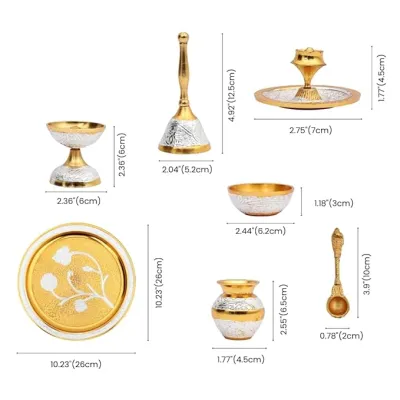
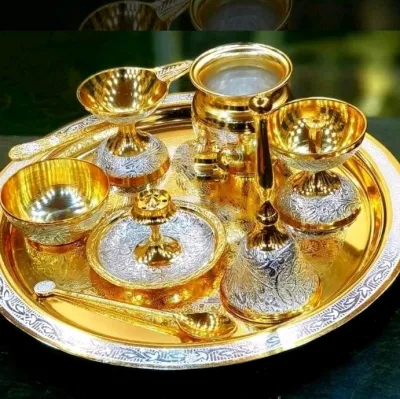
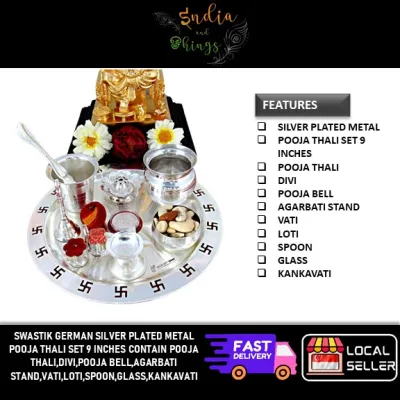
Prices are valid at publication and may change. Please refer to the product page for the latest price.
One of the primary advantages of German silver over pure sterling silver is its superior resistance to tarnishing. Sterling silver oxidizes rapidly when exposed to air, moisture, and the heat of ritual lamps, requiring frequent and intensive polishing to maintain its shine. German silver, by contrast, retains its bright appearance for much longer under normal environmental conditions. It also offers a more robust alternative to traditional brass, which tends to develop a dull, dark patina quickly if not polished regularly with acidic agents.
While German silver is highly practical, buyers should be aware of potential skin sensitivities. Because the alloy contains a significant percentage of nickel, individuals with known nickel allergies may experience contact dermatitis or skin irritation with prolonged handling. If you or family members who frequently perform daily rituals have sensitive skin, it is wise to handle the items with dry hands, use protective cloths during cleaning, or opt for sets that feature a protective lacquer coating to minimize direct skin contact with the metal.
Evaluating Craftsmanship and Build Quality
When shopping for a German silver pooja set, evaluating the physical build quality is crucial to ensuring longevity. High-quality sets are crafted from thicker gauge metal sheets, giving them a substantial, heavy feel when held. To test this, gently press the center of the thali or the sides of a kalash; a quality piece will resist flexing or warping under moderate thumb pressure. Avoid ultra-lightweight items, as thin-stamped metal is highly susceptible to denting, bending, and warping under the heat of a burning diya or the weight of water.

Engraving and embossing details offer clear clues about the level of craftsmanship. Superior artisan pieces feature deep, crisp, and well-defined traditional motifs, such as intricate floral borders, peacock designs, or representations of deities. These patterns should look sharp and uniform across all pieces in the set. In contrast, mass-produced, low-quality items often exhibit shallow, blurred, or unevenly stamped designs, which indicate worn-out manufacturing dies or hasty production processes that compromise the visual appeal of the set.
Structural integrity is another vital check, particularly at the joints and edges. Run your fingers carefully along the rims of plates, bowls, and cups to ensure there are no sharp burrs, rough edges, or metal shavings left behind from the cutting process. Inspect the areas where handles are attached to bells, or where the stems of diyas are joined to their bases. These joints should be smoothly and securely soldered; messy, greyish lumps of solder indicate weak joints that are highly prone to snapping during routine washing and handling.
Selecting the Right Piece Inclusions for Your Rituals
To avoid overbuying or cluttering your altar, it is helpful to match the inclusions of the pooja set to your specific worship routines. For a streamlined daily prayer setup, a basic four-to-five-piece set is often ideal. This typically includes a central thali to hold offerings, a small diya for lighting, an incense holder, a small bell to signal the start of prayers, and a tiny cup for holy water. A compact setup like this keeps the altar organized, visually clean, and easy to maintain on a daily basis.
For elaborate weekend prayers, family gatherings, or festive occasions, you may want to look for an expanded set. These comprehensive collections often include a kalash for sacred water, a panchapatra with a matching achamani spoon for purification rituals, a camphor burner, and multiple small bowls for offering prasadam or holding kumkum and turmeric. Having these specialized vessels on hand ensures you have the correct tools for complex rituals without needing to mix and match mismatched containers.
When evaluating liquid-holding vessels like the kalash or panchapatra, pay close attention to their capacity and physical stability. A top-heavy vessel with a narrow, rounded base can easily tip over, spilling water, milk, or ghee onto delicate wooden altar shelves or sacred fabric runners. Look for vessels with wide, flared bases that sit firmly on flat surfaces. Additionally, ensure that the achamani spoon is properly proportioned to rest securely inside the panchapatra without slipping entirely into the liquid, which can make handling messy during prayers.
Sizing and Spatial Planning for Your Home Altar
In many modern homes, particularly compact urban apartments or condominiums, altar space is highly premium. Before browsing online collections or visiting physical stores, take precise measurements of your mandir or prayer shelf, noting the available depth, width, and height clearance. A common mistake is purchasing a large, grand thali that hangs over the edge of a narrow shelf, creating an unstable setup and a potential safety hazard during rituals involving open flames.
Compare the dimensions of the key pieces in the set against your measured space to ensure comfortable handling. For example, a 12-inch thali might look beautiful in a store, but on a compact shelf, it may leave no room for moving your hands safely around the diya or incense holder. Ensure there is ample vertical clearance above the diya to prevent heat damage, soot accumulation, or fire hazards on the upper shelves or ceiling of your prayer cabinet. A safe clearance zone is essential for peace of mind during daily prayers.
Visual proportion is just as important as physical fit. The pooja set should frame and complement your central deity idols or framed photos rather than dominating the entire altar. A massive, highly reflective plate can visually overwhelm small, delicate idols, while an undersized set might look lost on a spacious, custom-built altar. Aim for a balanced layout where the sacred images remain the focal point, and the pooja accessories serve to enhance and complete the sacred space.
Smart Purchasing and Verification Steps
When purchasing a German silver pooja set, especially from online marketplaces, careful verification is key to avoiding low-quality imitations. Read product descriptions thoroughly, looking for explicit mentions of “German silver” or “nickel silver.” Be highly skeptical of ambiguous terms like “silver-plated pooja set,” “pure silver finish,” or “white metal” without a clear declaration of the base alloy. Genuine sellers will be transparent about the materials used in their products.
Evaluating the price against the weight and piece count of the set is a practical way to gauge quality. While German silver is significantly more affordable than sterling silver, high-quality, thick-gauge sets still carry a reasonable cost due to the weight of the copper-nickel alloy and the craftsmanship involved. If you encounter an entire multi-piece set priced unusually low, such as under S$20, it is highly likely made of ultra-thin, low-grade sheet metal or plastic with a cheap metallic coating that will quickly peel, rust, or warp.
Finally, review the seller’s return policies and shipping standards before finalizing your purchase. Because delicate embossed patterns, slender diya stems, and thin bell handles are vulnerable to bending or breaking during transit, it is crucial that the items are packaged securely. Look for sellers who use robust, shock-absorbing packaging, such as custom-cut foam inserts or heavy-duty bubble wrap, and who offer a clear, hassle-free return policy in case any items arrive damaged or do not meet your quality expectations.
Frequently Asked Questions (FAQ)
How do I clean and polish a German silver pooja set?
For routine maintenance, wash your German silver pooja set with mild dishwashing liquid and warm water, using a soft sponge to remove oil residues and incense soot. Avoid using steel wool, harsh abrasive scrubbing pads, or stiff brushes, as these will scratch the polished surface and dull the shine over time. After washing, dry each piece immediately and thoroughly with a soft microfiber cloth to prevent water spots and mineral deposits from forming on the metal.
To restore the alloy’s original luster, use a specialized metal polish formulated for copper-nickel alloys, or create a gentle homemade paste using baking soda and water. Apply the polish with a soft cloth, rub gently in circular motions, and buff to a shine. It is critical to wipe away any acidic puja offerings, such as lemon juice, tamarind, or yogurt, immediately after the ritual concludes, as these substances can etch and permanently discolor the nickel alloy if left on the surface.
Is German silver considered auspicious for Hindu rituals?
While ancient scriptures traditionally recommend precious metals like gold and silver, or pure base metals like copper and brass, for ritual vessels due to their high spiritual conductivity, German silver is widely accepted in modern practice. It serves as a highly practical, durable, and visually beautiful alternative that allows households to maintain a clean, radiant, and dignified altar without the prohibitive cost and high maintenance associated with sterling silver.
In contemporary spiritual practice, the cleanliness of the vessels, the purity of the ingredients, and the sincerity of the devotee’s devotion are considered far more important than the material value of the metalware. A well-maintained, bright German silver set reflects the light of the lamps beautifully, helping to foster a focused, peaceful, and sacred atmosphere that supports your daily spiritual practices.

Community discussion
Share your experience or ask a question. Comments are reviewed before publication.